




September marks Gynecologic Cancer Awareness Month, that aims to increase awareness and drive early diagnosis of the five gynecologic cancers.
Gynecologic Cancer Awareness Month is a national recognition established by the Foundation for Women’s Cancer in 1999.
Gynecologic cancers include five types that are: cervical, ovarian, uterine, vaginal, and vulvar. Of all these cancers, only cervical cancer has screening tests that can find this cancer early, when treatment can be most effective.
According to the Foundation for Women’s Cancer, 33,000 will die from a gynecologic cancer and someone will be diagnosed every five minutes this year. The foundation also found that nine in 10 gynecologists said that patient education is very important to help improve patient outcomes and nearly eight in 10 said the biggest barrier to early detection is lack of awareness.

Gynecological cancer is the fourth most common cancer in women, after breast, lung and bowel with a lifetime risk of one in 41.
Cervical cancer

Cervical cancer is a cancer that’s found anywhere in the cervix that is the opening between the vagina and the uterus.
Nearly all cervical cancers are caused by an infection from certain types of human papillomavirus (HPV). HPV is a very common group of viruses that is usually sexually transmitted and that doesn’t have any symptoms. These viruses are very common and most people get some type of it in their lives.
Cervical cancer grows very slowly and it can often be prevented by attending cervical screening, which aims to find and treat changes to cells before they turn into cancer.
Symptoms of cervical cancer include changes to vaginal discharges, pain during sex and pain in the lower back, and unusual vaginal bleeding.
Ovarian cancer

Ovarian cancer affects the ovaries and it affects one in 71 women, mostly over the age of 50.
Ovarian cancer is often diagnosed late, with only 15 per cent of cases detected at the earliest as there is no current specific screening for this type of cancer.
Symptoms of ovarian cancer include: feeling bloated, pain in the tummy, no appetite or feeling full quickly after eating and an urgent need to pee or needing to pee more often.
Other symptoms also include indigestion, constipation or diarrhoea, back pain, feeling tired all the time, losing weight and bleeding from the vagina after the menopause.
The detection of this cancer is particularly difficult as all its symptoms are very common and can be caused by many different conditions.
Uterine cancer
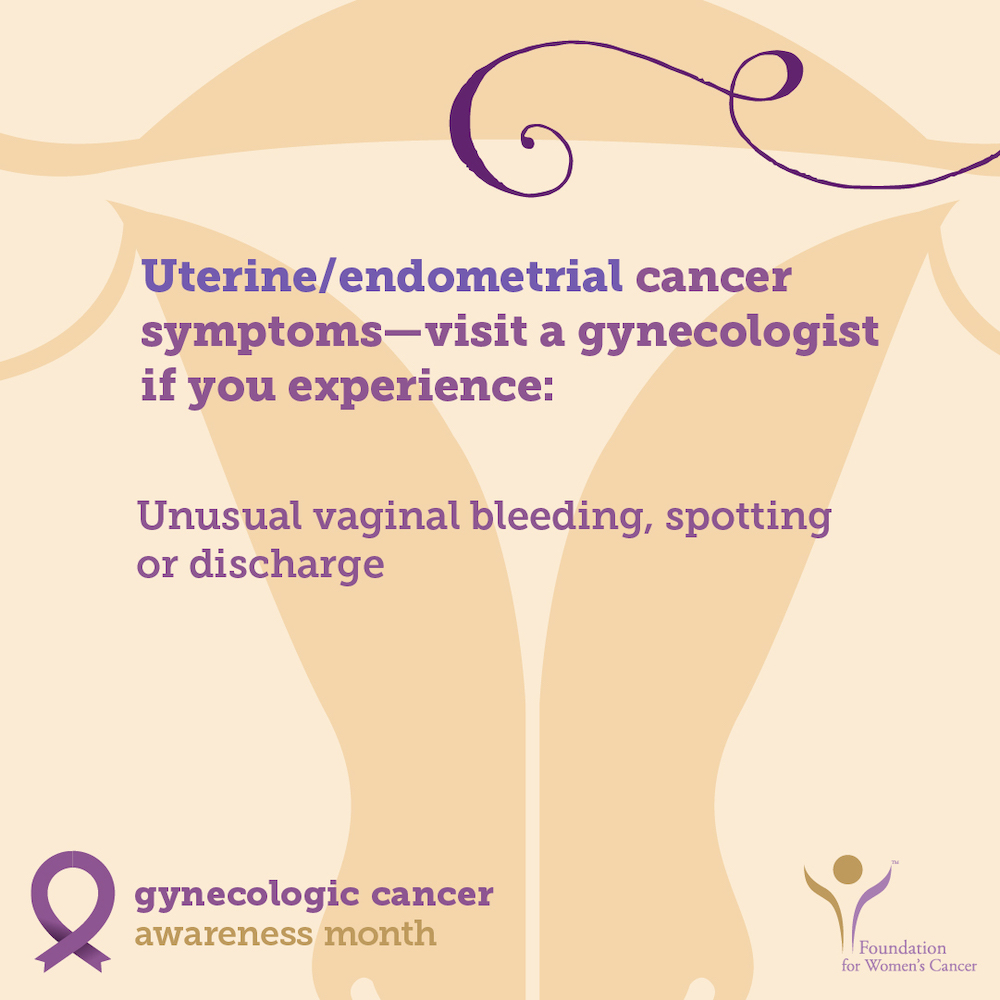
The uterine and endometrial cancer affects the uterus and it usually occurs around the time of the menopause.
Prevention of this type of cancer include keeping oestrogen levels under control.
High levels of oestrogen are usually associated with overweight, with some types of hormone replacement therapy (HRT) and with those who have polycystic ovary syndrome.
The most common symptoms of womb cancer are bleeding after the menopause, having unusual heavy periods and having a change in the vaginal discharges.
Vaginal cancer
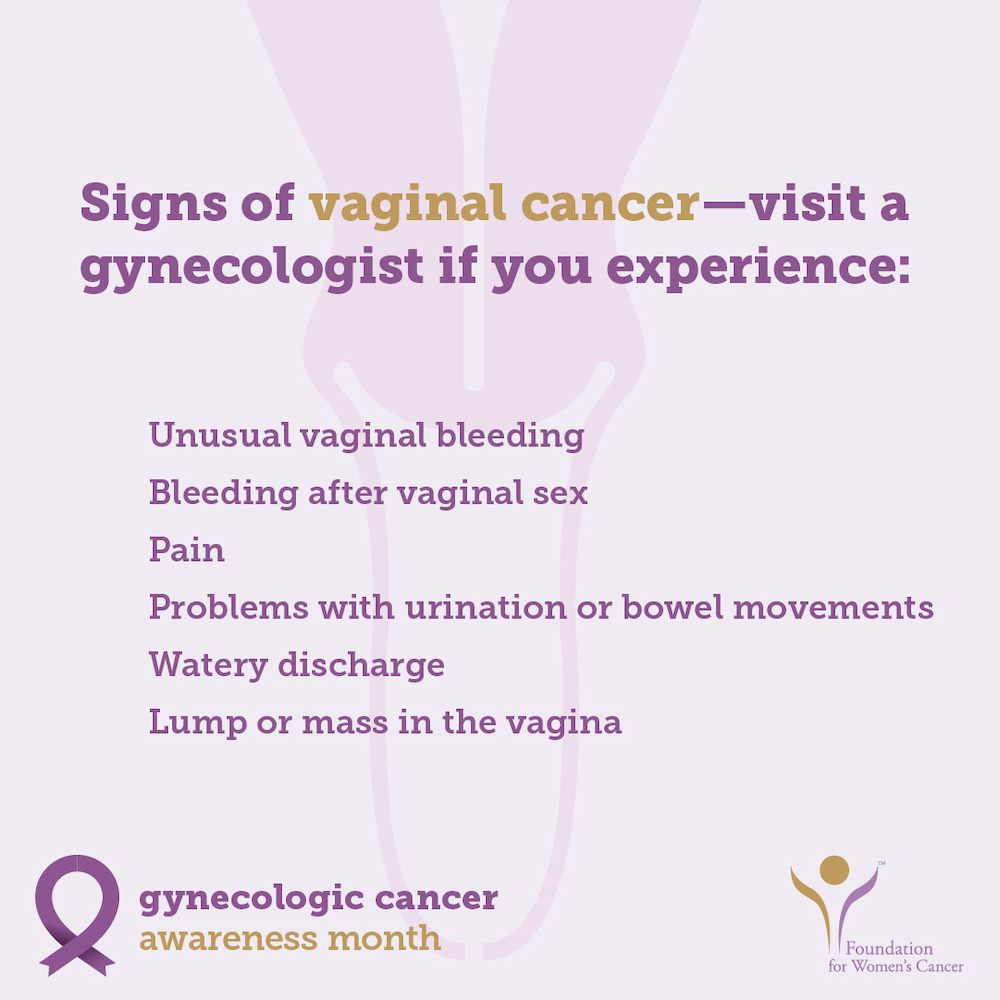
Vaginal cancer is when abnormal cells in the vagina start to divide and grow in an uncontrolled way. The most common type of vaginal cancer starts in the squamous cells. About 90 out of every 100 of vaginal cancers are this type and it is called cell carcinoma.
A rare type starts in the gland cells in the lining of the vagina which is called lymphoma.
Vaginal cancer is very rare and, like the cervical cancer, is nearly always caused by HPV. Risks are reduced through early HPV vaccination and by participating in Pap tests at intervals recommended by the personal health care provider.
The main symptoms of vaginal cancer are a lump in the vagina or ulcers and other skin changes in or around it.
Vulvar cancer
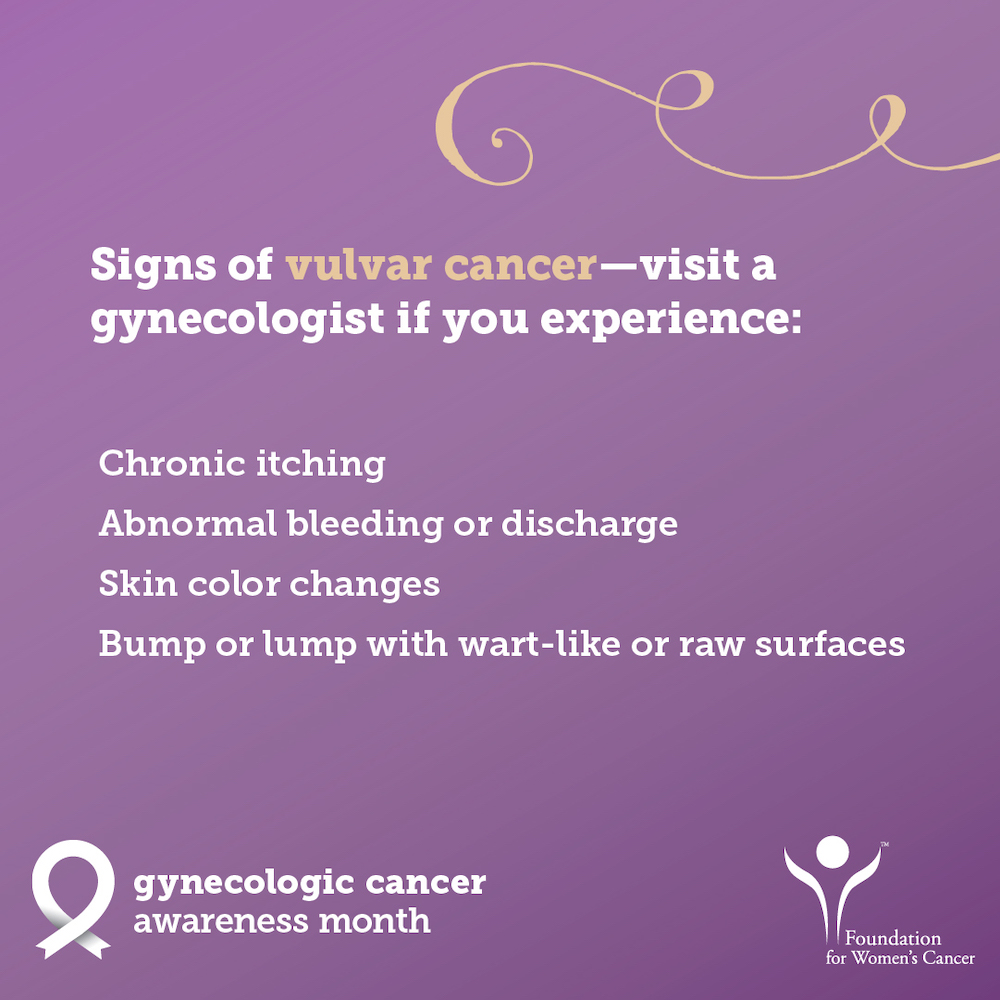
Cancer of the vulva is a rare tutor with the most recent cancer statistics reporting that approximately 5,000 women in the US are affected annually. The vulva includes the inner and outer lips of the vagina, the clitoris, the opening of the vagina an its glands.
Most of those affected by vulval cancer are older women over the age of 65 as the condition is rare in those under 50 who have not yet gone through menopause.
Symptoms include a persistent itch in the vulva, pair and soreness, a lump on the vulva, a burning pain when peeing and a mole on the vulva that changes shape or colour.


Newsletter
Sign up for free weekly updates
The latest femtech news, research and investment, straight to your inbox.