




Research
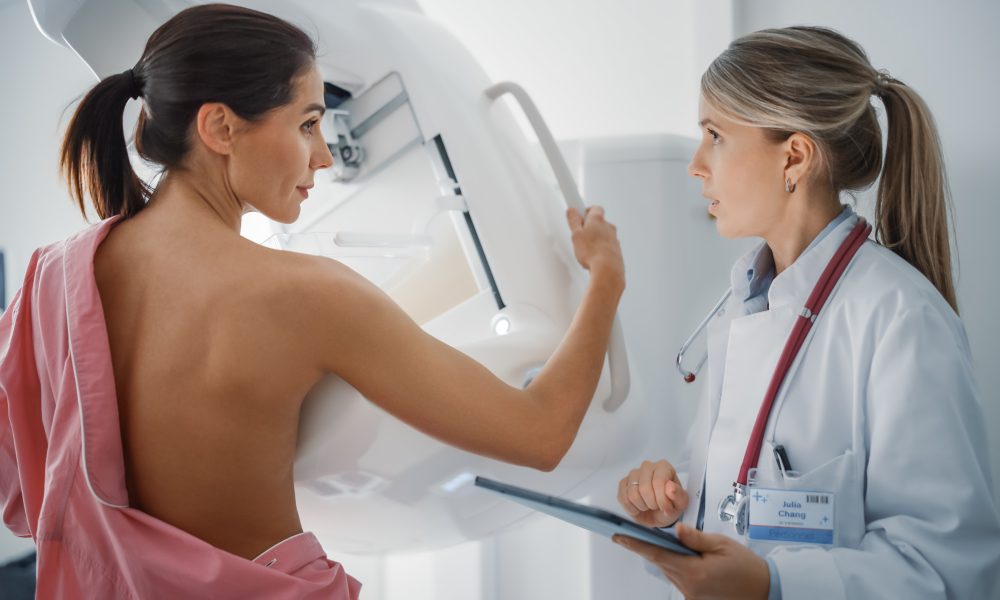
Mammograms used in combination with AI may reveal much more than cancer, but can also be used to assess the amount of calcium build up in the arteries within breast tissue - an indicator of cardiovascular health, a new study shows. While breast artery calcifications can be seen on mammogram images, radiologists do not typically [...]

A new report has uncovered significant biological differences between men and women in their response to popular weight loss medications like Ozempic and Zepbound, according to a recent study. The report provides insights into why female patients, who make up 70 per cent of those taking GLP-1 drugs, experience more severe side effects despite achieving [...]

Two new studies have uncovered key biological mechanisms driving systemic sclerosis (SSc), or scleroderma – a rare and often devastating autoimmune disease that causes fibrosis (tissue hardening) and inflammation. The research helps explain why the disease disproportionately affects women and reveals potential treatment targets, some of which are already in development. Women are four times [...]

An international study has found new evidence linking traumatic experiences and stressful events with endometriosis - revealing that the condition appears to be closely linked to trauma involving contact, such as in physical abuse or sexual assault. Through genetic analysis, the researchers found that this relationship seems to be independent of genetic predisposition to endometriosis. [...]

Females have a 31 per cent higher associated risk of developing Long Covid, with women aged 40 to 55 years having the highest propensity, according to a new study. The study followed 12,276 participants over time to identify the risk of developing Long Covid, and found females with a “risk ratio” of 1.31 compared with [...]

A new report has explored the future of femtech, and how innovation is redefining women's health and longevity. Women's health has historically lagged behind men's due to systemic inequities in research, representation, and care. Compounded with the recently accepted experience of medical gaslighting, these inequalities have created a system that often overlooks the complexity of [...]

The hormone oestrogen regulates binge drinking in females, causing them to “pregame” – consume large quantities of alcohol in the first 30 minutes after it’s offered, according to a new preclinical study. The study establishes–for what is thought to be the first time–that circulating oestrogen increases binge alcohol consumption in females and contributes to known [...]

Standard NHS procedures for processing gestational diabetes blood sugar tests lead to more than 50 per cent of cases being missed, shows research, which could lead to serious complications for mothers. Such complications include the development of preeclampsia, and for the baby an increased risk of admission to the Neonatal Intensive Care Unit for breathing [...]

Women are twice as likely as men to suffer from depression and often experience more severe physical symptoms. This gender difference is particularly evident during reproductive years and dramatically impacts the lives of hundreds of millions of people worldwide. However, although links between mental health and reproductive health have been found, the associations have remained [...]

A groundbreaking finding challenges conventional understanding of stress responses during pregnancy that could potentially revolutionise our understanding of pregnancy-related anxiety and depression. Professor Clifton, a maternal health expert professor at Mater Research Institute-University of Queensland, and her team, has identified 13 distinct glucocorticoid receptor isoforms in the placenta, with one particular variant showing a surprising [...]
Newsletter
Sign up for free weekly updates
The latest femtech news, research and investment, straight to your inbox.




