




Research

New research has revealed that the use of combined oral contraceptives (OCs) is associated with a threefold increase in the risk of cryptogenic ischaemic stroke (CIS) in young women. The findings add to a growing body of evidence linking hormonal contraception to vascular risk in women of reproductive age. Cryptogenic ischaemic stroke, which is stroke [...]
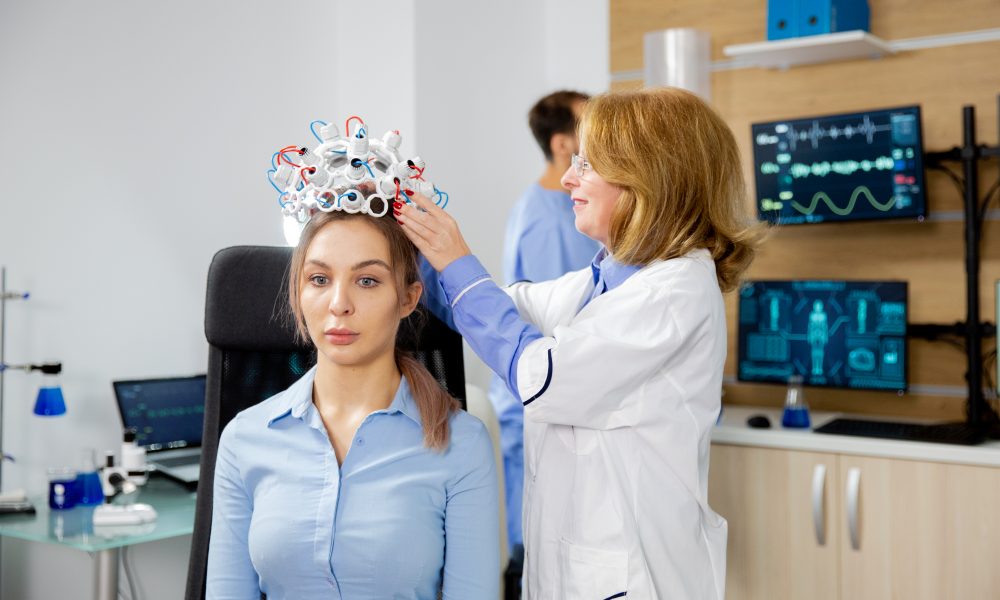
Women with a higher McCance Brain Care Score (BCS) – a score that measures physical, lifestyle, and social-emotional factors – have a lower risk of experiencing a stroke or other cerebrovascular event reducing blood flow to the brain, according to a new study. One in five women between the ages of 55 and 75 in [...]

A new treatment approach significantly improves survival rates for patients with aggressive, inherited breast cancers, according to Cambridge researchers. In a trial where cancers were treated with chemotherapy followed by a targeted cancer drug before surgery, 100 per cent of patients survived the critical three-year period post-surgery. The discovery could become the most effective treatment [...]

More than a decade ago, researchers launched the BabySeq Project, a pilot programme to return newborn genomic sequencing results to parents and measure the effects on newborn care. Today, over 30 international initiatives are exploring the expansion of newborn screening using genomic sequencing (NBSeq), but a new study by researchers from Mass General Brigham highlights [...]
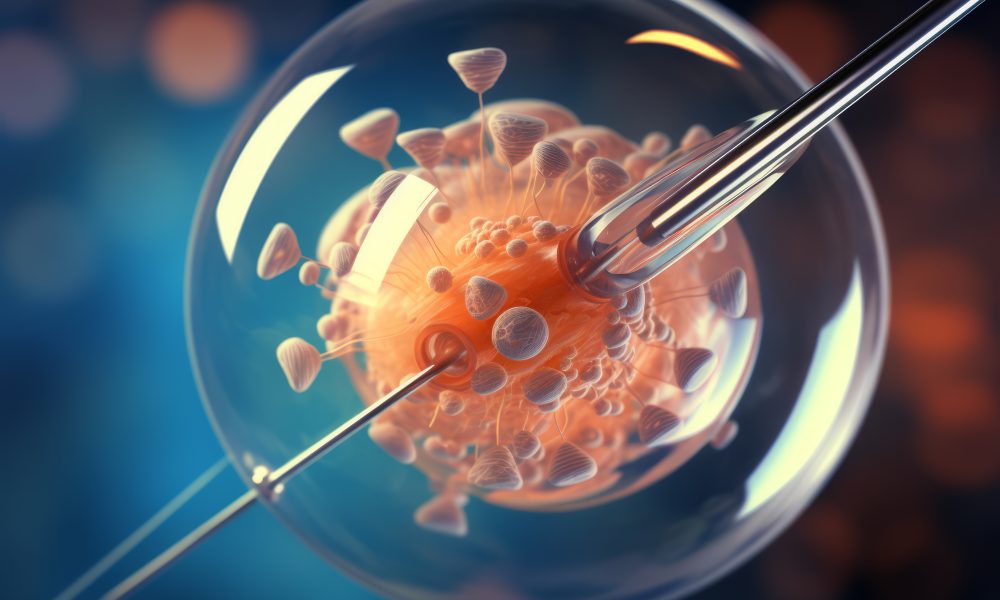
About 15 per cent of all couples of reproductive age are involuntarily childless. A major reason why so many need assisted reproduction is that nowadays more and more people are putting off starting a family. “This is a global trend that is expected to increase in the coming years. In Europe alone, one million IVF [...]
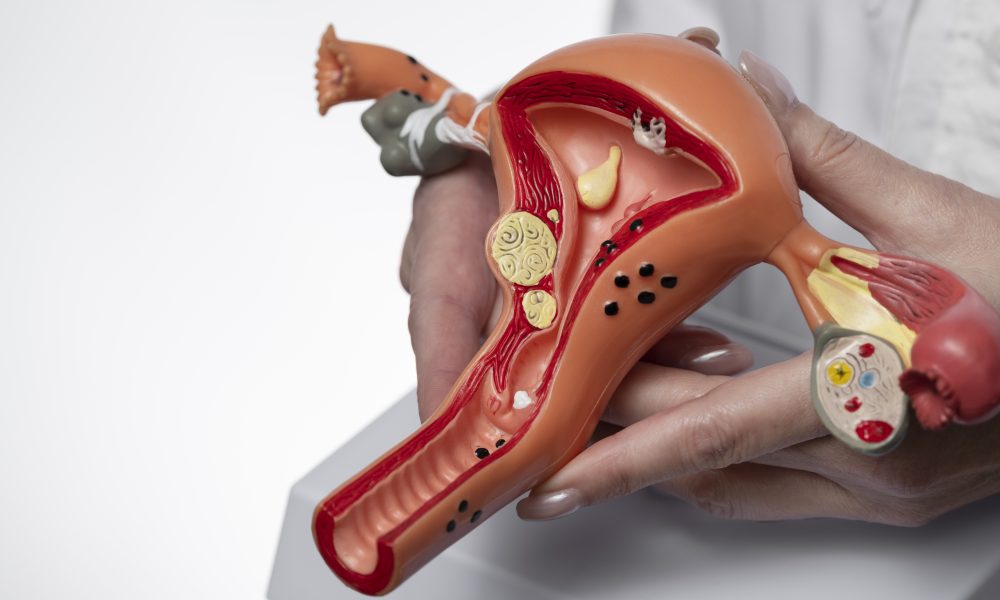
Scientists have successfully created laboratory-grown human ovary models from stem cells, marking a potential breakthrough in infertility and reproductive disorder research. The findings, presented at the Joint Congress of the European Society of Paediatric Endocrinology and the European Society of Endocrinology, offer new insights into female reproductive development. The miniature organoids replicate key structural and [...]

Women with endometriosis face significantly higher risk of early menopause Women with endometriosis are seven times more likely to undergo surgical menopause and face increased risks of premature menopause, according to a major international study. The research, which analysed data spanning nearly 30 years, highlights a clear link between the inflammatory condition and early reproductive [...]

Reflecting on how fitness posts on social media make them feel may help young women reduce the harmful tendency to compare themselves to idealised influencers and content online. That’s according to a new study that explores the impact of “fitspiration”—fitness-themed inspirational content—on young women’s body image, and whether short, daily reflections could lead to meaningful changes in [...]

Recently published research has turned an overdue spotlight on the disproportionate burden of dementia borne by women. It is encouraging to see this research progressing, and inspiring to see it stimulating public awareness and discussion of a disparity that has too long been overlooked: women are twice as likely as men to develop Alzheimer’s disease. [...]

New research is debunking the internet belief that if women time their resistance training to specific phases of their menstrual cycle, it boosts the body’s ability to build muscle and strength. In fact - the research ha shown that exercising at various points in the cycle had no impact, either positive or negative, on the [...]
Newsletter
Sign up for free weekly updates
The latest femtech news, research and investment, straight to your inbox.




