Artificial intelligence is transforming the early detection of dental issues, offering new possibilities to enhance women’s oral health outcomes. Timely diagnosis can support more effective treatment and prevention strategies, which is particularly significant as biological changes during different life stages influence oral health. Understanding how AI-powered diagnosis in dentistry addresses women’s requirements is important for both patients and dental professionals.
AI-powered diagnosis in dentistry introduces advanced image analysis and decision-support tools into dental practices, enabling earlier detection of a range of oral health issues. This is particularly important for women, as hormonal changes that occur during puberty, pregnancy, and menopause can increase susceptibility to conditions like gum disease and tooth decay. Dentists in Norwich frequently see how these hormonal life stages alter women’s oral health risks, making accurate and timely diagnosis a key component of care. By incorporating AI-assisted assessments, dental care providers can offer enhanced, personalised insight and aim for improved long-term outcomes tailored specifically to women’s changing oral health needs.
Key reasons AI is transforming women’s dental diagnosis
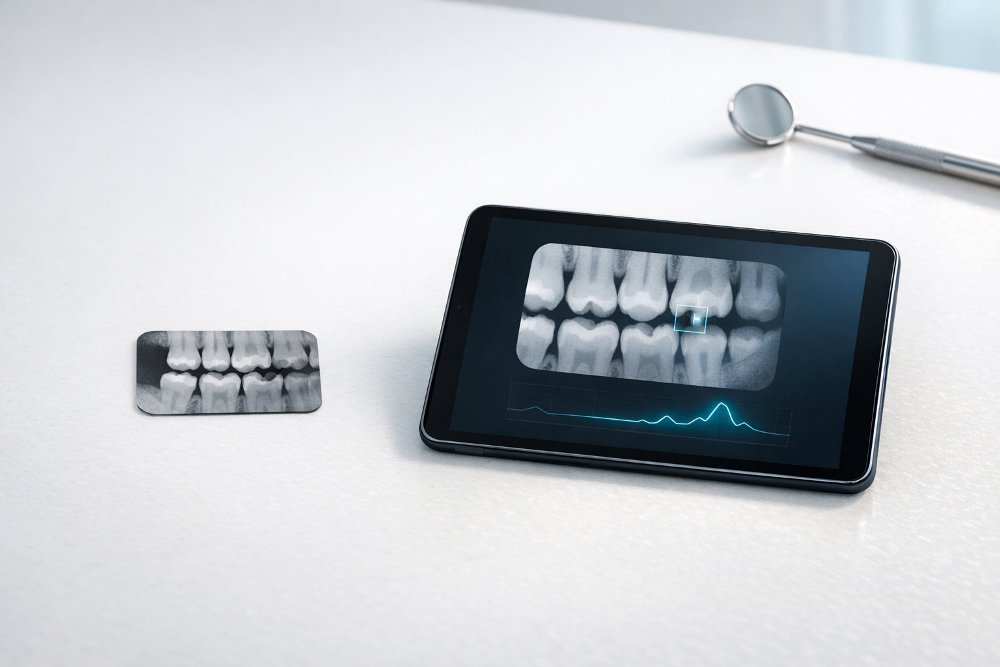
Many dental professionals now utilise AI-powered diagnosis in dentistry to identify early signs of disease that may otherwise go unnoticed. AI technology reviews dental X-rays, 3D scans, and other images to detect small changes indicating issues such as tooth decay or gum inflammation. Algorithms trained on diverse datasets help spot subtle patterns across patient groups with greater speed and consistency.
Early detection holds particular relevance for women, whose oral health risks fluctuate due to hormonal changes. These shifts can lead to increased gum sensitivity and inflammation, meaning that certain symptoms may develop in places difficult to examine by sight alone. In these situations, AI-powered diagnosis in dentistry acts as an additional investigative layer, helping to pinpoint concerns before they become harder to treat.
Inside the AI-powered dental exam room today
During regular check-ups, AI software can assess X-ray records and 3D images alongside the dentist, highlighting areas that may show the beginnings of tissue or bone changes. This process helps to draw attention to possible cavities or periodontal problems at their earliest stage, even those that are not easily visible.
Importantly, these technologies are designed to support and not replace clinical judgement. Dental teams employ AI-powered diagnosis in dentistry to verify findings, monitor trends across multiple visits, and inform decisions regarding further treatment. The combination of digital analysis and professional expertise aims to ensure that each clinical case benefits from a thorough, evidence-based evaluation.
AI supports women’s unique oral health risk factors
For women, hormonal variations remain a key factor influencing oral health, contributing to issues such as bleeding gums and increased sensitivity. AI-powered systems can help monitor and detect these changes over time, providing valuable information when inflammation or bone loss accelerates unexpectedly. Through regular monitoring and data analysis, emerging trends become clearer and can inform tailored prevention or treatment strategies for female patients.
Additionally, medications for various health conditions may lead to side effects such as dry mouth, which can raise the risk of dental decay. At dental appointments, AI-driven tools can help track how these changes impact oral health over time. Dentists in Norwich, for example, may use such technology for ongoing management of women’s personal risk factors, making use of AI to review progress and support consistent, evidence-based care between visits.
Consistency, safety, and future directions for AI use
AI-powered technology helps to create greater consistency in how dental findings are interpreted, minimising differences between practitioners and throughout successive appointments. This contributes to a reduced risk of missed diagnoses and supports better communication between dental professionals and patients. These benefits are especially valuable for managing chronic or recurring oral health issues that women may face through life’s stages.
Maintaining standards of accuracy, safety, and impartiality remains essential as these tools are developed and refined. Dental professionals carefully validate AI insights, comparing suggestions from the system to clinical examinations and patient feedback. The future development of AI-powered diagnosis in dentistry may include more focused prevention plans and increased use of remote monitoring, helping to deliver more responsive, personalised care for women experiencing evolving oral health concerns.