




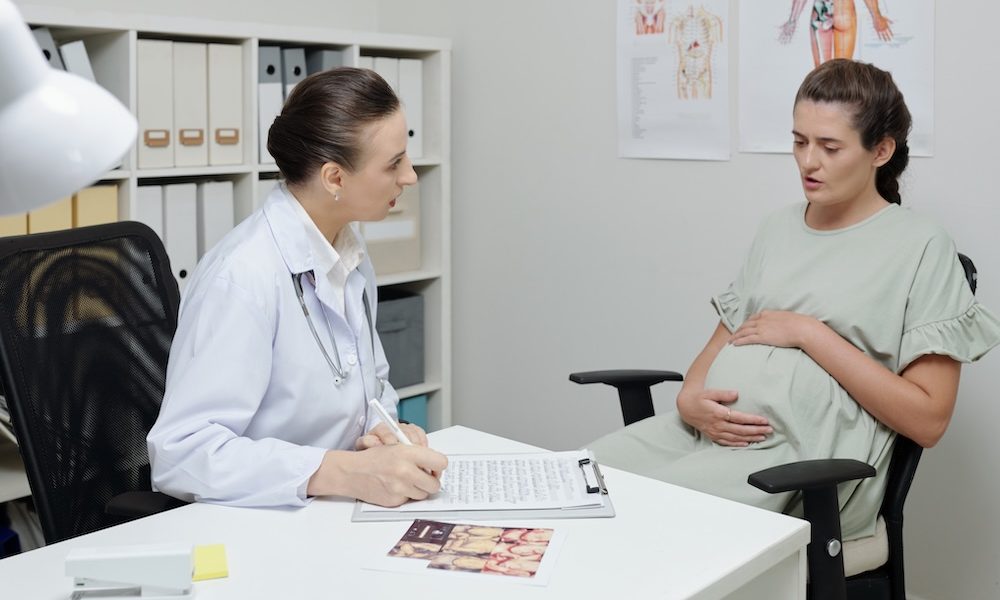
Women felt pressured into procedures during maternity care, with some told they were “not allowed” to make choices, a report found.
Charity Birthrights collated the experiences of 300 people in England who said they had felt or witnessed coercion within a maternity setting.
The charity said caregivers used authoritative language that undermined the idea of women being able to make informed decisions regarding their maternity care.

Hazel Williams, chief executive of Birthrights, said: “This crucial report documents the rise in coercive practices as a systemic problem across the maternity system, with Black and Brown women and birthing people facing the worst attacks on their human rights, choice and bodily autonomy.”

“Women and birthing people are repeatedly being told you are ‘not allowed’ or threatened with children’s services referrals, not given full facts and denied genuine informed choice.
“Coercion has no place in safe maternity care and must stop now.”
Experiences shared in the report include healthcare professionals telling women they must accept a vaginal examination or they will not be able to be admitted to the birth centre, and women feeling put under pressure to accept an induction without it being explained why it was necessary.
One woman recounted feeling forced into having a caesarean without having the reasons why it was necessary explained.
She said: “I remember a doctor saying to me: You can choose to have a C-section now or you can wait a few hours and I’ll press that buzzer behind your head and you’ll have one anyway.”
Megan Rogerson, a 37-year-old domestic abuse practitioner from Hull, said she had felt forced into having a caesarean.
She said it was never explained why she could not have a vaginal birth.
“For my second birth, I was all set and approved for a VBAC [vaginal birth after caesarean],” Rogerson said.
“But when I went to hospital experiencing Braxton Hicks I was told that I’d be scheduled for a C-section without any conversation as to why. I was just told that I couldn’t give birth that way.”
She added: “I felt like I didn’t have a choice, I felt that I was spoken to like a child doing something wrong. It was a really sort of belittling experience.
“I was just told we can’t do that rather than it being explained why that was the case.”
According to guidelines from the Nursing and Midwifery Council, women using maternity services should be provided with evidence-based information to make an informed choice and should be able to stop conversations around their care, regardless of their reason for doing so.

Newsletter
Sign up for free weekly updates
The latest femtech news, research and investment, straight to your inbox.




