




Wellness
Why period pain feels worse in winter

By Ruby Raut, founder and CEO, WUKA
If you have ever noticed that your cramps feel sharper, your mood dips harder, or your energy seems to disappear during the colder months, you are not imagining it. Winter can genuinely make periods feel more painful and more difficult to manage. The combination of cold weather, less sunlight, increased tension in the body, and reduced activity creates the perfect storm for stronger cramps and heavier emotional symptoms.
Understanding why this happens gives you the power to manage your cycle with more confidence. Here is the most digestible explanation of why winter and period pain are so closely linked.
Cold weather tightens blood vessels
When temperatures drop, your body goes into protection mode. To conserve heat, it tightens your blood vessels, especially around your hands, feet, and lower abdomen. While this is a smart survival response, it comes with an unwanted side effect for menstruation.
Your uterus is a muscle. Like any muscle, it needs good blood flow to relax and function smoothly. When the blood vessels around your pelvis tighten, circulation naturally becomes slower. Less blood flow means the uterus has to contract harder to shed its lining, and this can make cramps feel deeper, sharper, and more persistent.
This is why heat has always been one of the most effective comfort tools during a period. Warmth helps blood vessels open again, improves circulation, and relaxes the muscle of the uterus.
Your muscles tense up in the cold
Cold weather does more than chill your skin. It makes your whole body tighten without you even realising it. Think about how your shoulders creep upward when you step into the winter air or how your spine curls slightly for warmth. The same tension can build in your abdomen and pelvic floor.
Tighter muscles mean more resistance against the natural contractions of the uterus. When everything around the uterus is tense, cramps can feel more intense and more difficult to soothe. Even mild pain can feel magnified when the surrounding muscles are already stiff.
This is one of the reasons gentle movement, stretching, and warm baths can make such a difference during winter periods. Anything that eases tension also eases pain.
Less sunlight affects your mood and pain perception
Winter brings shorter days and longer nights, and that naturally reduces your exposure to sunlight. Sunlight plays a key role in regulating serotonin, the hormone that helps stabilise mood and influences how we experience pain.
Lower serotonin can lead to lower energy, stronger mood swings, and more emotional sensitivity. Because serotonin also impacts the way the brain processes discomfort, low levels can make cramps feel more intense.
This emotional shift can make PMS symptoms feel heavier too. Irritability, sadness, and bloating can all feel amplified during the colder months, creating a cycle that feels harder to manage.
Winter usually means less movement
Colder months naturally lead to less physical activity. We walk less, we spend more time indoors, and many people find it harder to stay motivated to exercise. While rest is important, the lack of movement has a direct impact on period pain.
Moving your body improves blood circulation and reduces inflammation. When you sit for longer or avoid movement due to cold weather, blood flow becomes slower and inflammation can rise. Both of these factors contribute to stronger cramps.
Even gentle activity makes a difference. A short stretch, a ten minute walk, or simple breathing exercises that open the chest and abdomen can support circulation and ease pain.
Prostaglandins may spike in colder weather
Prostaglandins are natural chemicals that help the uterus contract during menstruation. Higher levels are linked to stronger cramps and heavier flow. Some research suggests that colder temperatures and lower physical activity may increase the production of prostaglandins, although this varies from person to person.
This means that the natural winter slowdown combined with the physical effects of cold weather can lead to more intense uterine contractions, which again results in more painful periods.
How to make winter periods easier
The good news is that small, accessible habits can make a big difference to how your body feels during winter.
Use warmth generously
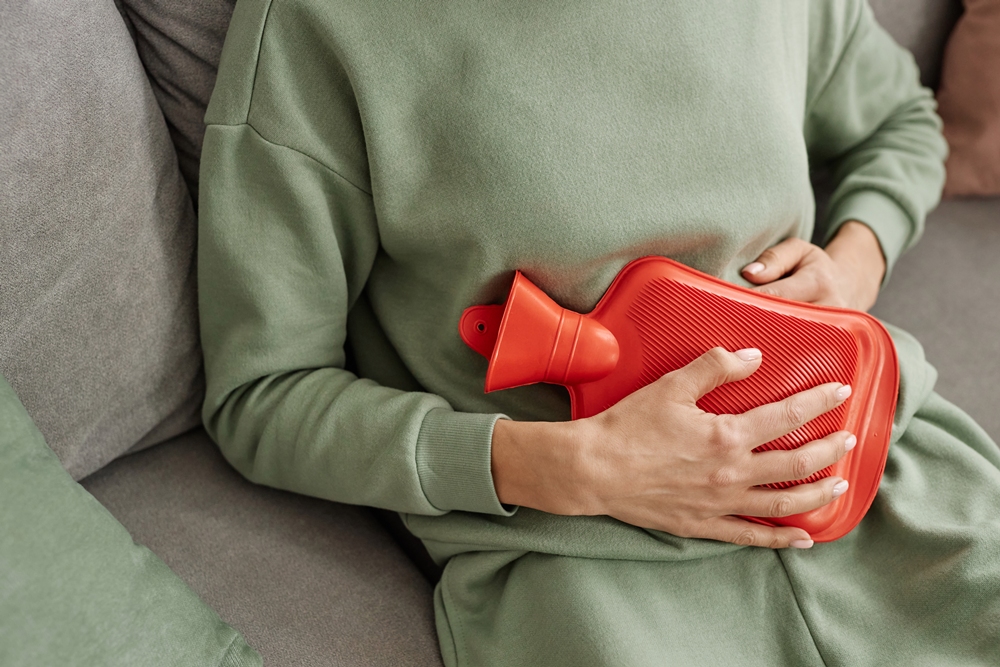
Heat patches, warm showers, hot water bottles and cosy clothing help open up blood vessels and soothe the uterine muscle.
Move your body even a little
Short walks, stretching routines or low impact workouts help improve circulation and reduce inflammation.
Support your mood with sunlight
Get outside during daylight hours whenever possible. Sitting near windows or using a light therapy lamp can also support serotonin levels.
Eat warming and nourishing foods
Soups, ginger, turmeric and herbal teas help comfort the body and may reduce inflammation.
Choose period products that keep you comfortable
Secure, breathable period underwear can help you feel more relaxed and confident, especially when your body already feels tense from the cold.
Winter does not have to mean more painful cycles.
With warmth, gentle movement, and an understanding of how your body responds to the season, you can navigate cold month periods with more comfort and control.
Find out more about WUKA at wuka.co.uk









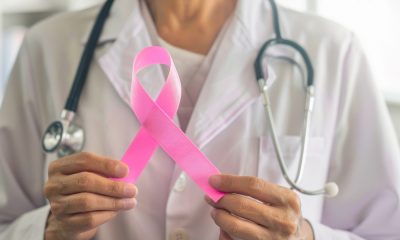



Manchester City has launched a female athlete health platform covering menstrual, pelvic and breast health, as well as nutrition.
The Her City website is designed for the club’s women’s first-team players, coaches, support staff, academy players and parents.
Manchester City says the platform is the first of its kind in the Women’s Super League and was developed over two years.

The project was led by director of performance services Emma Deakin, physical performance scientist Rosie Anderson and PhD student and first-team nutritionist Sarah Malone.
It grew out of PhD research into menstrual, pelvic and breast health and nutrition, with the team seeking to turn that work into an online educational resource.
The website divides the four areas into separate sections and provides peer-reviewed information that the club says has been critically analysed by experts.
Content will continue to be reviewed and updated as further evidence emerges.
Resources include posters, visual explainers, audio materials and downloadable educational content, with information tailored to different groups including players and parents.
The platform aims to improve knowledge, develop critical analysis skills and strengthen communication within football and at home.
It also includes material to help users assess misinformation they encounter on social media or elsewhere.
A confidential contact form allows users to raise concerns or ask questions directly of experts at Manchester City.
Parents of academy players can also access the platform, with resources intended to help them support their children during a key phase of their development.
Manchester City said its longer-term aim is to make the platform available to all women working across City Football Group.


Weight loss surgery was linked to more regular periods and fewer polyendocrine metabolic ovarian syndrome (PMOS) symptoms in women aged 18 to 45 living with obesity in a recent study.
The researchers recommend that women undergoing the procedure have access to preconception care and reproductive counselling to support their reproductive health.
Researchers at the University of Surrey analysed data over 24 months from 84 women who underwent bariatric surgery and 18 women living with obesity who did not have surgery.
Of those who underwent surgery, 49 had gastric bypass procedures and 35 had gastric sleeve surgery.
Women who underwent metabolic bariatric surgery lost more than 30kg on average at 12 and 24 months after the procedure.
Among women with polycystic ovaries, the condition persisted in only 10 per cent after 24 months.
Women also reported a resolution of clinical hirsutism, or excess body hair, by 12 months.
Women who had previously experienced irregular periods reported more regular menstrual cycles after surgery.
Professor Martin Whyte, co-author of the study and professor of metabolic medicine at the University of Surrey, said: “A large proportion of those undergoing bariatric surgery are women of reproductive age, who may be planning a pregnancy in the coming years.
“So much remains unknown about the impact of this type of surgery on women who are planning to have children.
“This raises the question of when the ideal time after surgery is to conceive.”
Women have a higher prevalence of obesity than men, with 57 per cent of women in the UK classified as overweight and 27 per cent living with obesity, which can affect fertility and the health of an unborn baby.
The researchers said 17 women had healthy pregnancies following surgery.
Although this was not specifically examined in the study, no difference in birth weight was observed between babies conceived within or after the first year.
Dr Kathryn Hart, co-author of the study and associate professor in nutrition and dietetics at the University of Surrey, said: “What we have found is that bariatric surgery positively affects the reproductive health of women living with obesity and can improve the likelihood of them having a healthy pregnancy after surgery.
“Dysregulated hormone levels, irregular periods and conditions such as polycystic ovaries are affected by obesity.
“By reducing this, what we have seen is that it can lead to improvements without the need for medication.
“We would suggest that clinicians consider medical intervention for obesity to treat irregularities in the menstrual cycle and issues with fertility.”


 Menopause6 days ago
Menopause may not explain rising heart condition in women – study
 Pregnancy1 week ago
Paracetamol use may impact future fertility, studies suggest

 Events2 weeks ago
Last chance to save on Women’s Health Week and Women’s Sport Summit: Early Bird pricing ends 11 September
 Insight6 days ago
Women with birth trauma face 2.5x higher healthcare costs – study

 Menopause2 weeks ago
Cancer drug could tackle osteoporosis menopause weight gain
 News5 days ago
Medical cannabis may improve endometriosis symptoms – study
 Cancer6 days ago
Study could explain why obesity is a breast cancer risk factor
 Diagnosis2 weeks ago
FDA approves AstraZeneca breast cancer drug