




News
Nutrition entrepreneur, Melissa Snover, named in Department for Business & Trade’s inaugural Female Founders Initiative


Award-winning entrepreneur and founder of Birmingham-based Rem3dy Health and Nourished, Melissa Snover, has been named as one of ten winners in the Department for Business & Trade’s (DBT) Venture Capital Unit’s inaugural Female Founders initiative.
The national campaign was launched by the DBT to identify a cohort of ten of the UK’s most promising female-led companies.
An esteemed panel of VC judges comprehensively scored each of the shortlisted companies, with only the most innovative products with great market potential, scalability and commercial viability making it into the first cohort of 10.
At a special launch event taking place today (17 September) in London, Melissa, along with her fellow female founders cohort, delivered one-minute elevator pitches describing their innovative solutions, providing a powerful platform to engage with some of the most prominent stakeholders and investors in the international VC sector.
Innovative women-led start-ups have been notoriously held back due to a lack of finance, with the proportion of equity capital investment going to all-female founder teams sitting at around 2 per cent in the UK for the past decade.
In response to this disparity, the Department for Business and Trade’s Venture Capital Unit launched a national campaign to identify and support the UK’s 10 most promising tech female founders.
Over the coming year, each will be offered opportunities to access the Venture Capital Unit’s global investor network.
Melissa Snover, said: “Recently, investment into female-led businesses has been heavily scrutinised, so today’s launch is significant, not just for me and the other nine female founders in the cohort, but for the entrepreneurial and investment communities as a whole.
“At a time when it’s becoming increasingly difficult to access funding, I’m absolutely delighted to have been selected in the DBT’s first ever Female Founders initiative.
“For over two decades I’ve been passionate about innovation in the field of nutrition and improving lives through science, and my latest company, Nourished, is creating something unique in the market.
“Securing a place on this initiative will give me an invaluable opportunity to showcase the brand and our breakthrough product to a global network of investors, all of whom are actively looking for investment opportunities here in the UK.”
With over 20 years’ entrepreneurial experience, including multiple successful exits, Melissa has established a strong track record for innovation and brand building.
A registered nutritionist and inventor of several patented technologies, in 2019 Melissa founded Rem3dy Health and raised the highest ever female founder seed round in UK history.
Rem3dy Health is dedicated to pioneering personalised health solutions for both preventative and curative care through its brands, Nourished (personalised nutrition) and Scripted (personalised medicine).
The firm was recently honoured with the prestigious King’s Award for Enterprise in Innovation, for its use of patented 3D printing technology and a unique vegan encapsulation formula; both developed inhouse to create authentically personalised nutrition on demand under the brand Nourished.
Nourished is Melissa’s latest creation, and is the world’s first 3D printed personalised gummy stacks.


Diadia Health, winner of the Femtech World AI Innovation Award, is working to revolutionise women’s health through AI-backed at-home testing.
By analysing genetics, biomarkers and medical literature, Diadia addresses women’s health issues, taking a functional medicine approach to healthcare.
With the goal of making personal healthcare accessible and affordable, Diadia Health uses technology to automate tasks for clinicians and doctors to save time and improve decision making, and provides comprehensive health reports.

Diadia app was founded by machine learning and AI scientist and CEO Elena Ikonomovska, and CTO Andrii Yasinetsky.
Ikonomovska speaks to Femtech World about the inspiration behind the app, how the app helps to find health issues traditional care misses and the future of Diadia in the healthcare system.
What was the inspiration behind the app and what was at the forefront of your mind when developing Diadia?
My research was about learning from infinite data streams, so for a very long time, I’ve been obsessed with the idea of teaching machines how to learn, in a similar way to how humans learn, which is incremental.
Early on I got into the space of machine learning and built multiple products and systems at companies like Google, Reddit, Change.org.
I also built a number of companies which were all AI first companies, always with a social impact in mind as I was creating these products.
I started experiencing health issues during my last company, and I’ve always been someone that has tried to be as healthy as possible – eating healthy, working out – but I was still becoming pre-diabetic.
My health was getting worse and worse. I spoke to four different doctors, changed primary care doctors, providers, and no one actually had any idea what’s going on, and didn’t know how to help me.
Being a scientist, I decided I was going to try to solve it by myself with the help of AI.
At this time, AI was already at a place where it was quite powerful, allowing us to research and read all the medical knowledge and interpret data.
I realised that there’s so much knowledge we have that has not reached healthcare providers because it is specialised knowledge.
The way that the healthcare system is organised is that everything is solved within a specialty, isolated.
The problems are looked at in isolation when, in essence, they’re not isolated. They’re very connected. Everything in the body is influencing everything else.
Through that problem, I actually started learning about this, and I started applying concepts of systems biology, which is used in functional medicine, an area of medicine which is very niche.
They look at the body as a whole system when they’re solving problems.
This is how I discovered answers for my health, over time, I understood the real cause for my issues was thyroid problems.
This was contributing to my insulin resistance and a number of other deficiencies such as iron anemia, that were contributing to the whole problem that needed to be solved all together, so that I could stop myself from becoming diabetic.
At Diadia, you combine genetics, biomarkers, and medical literature to uncover what normal testing tends to miss.
What was the breakthrough that made you realize AI could solve a problem that traditional clinical tools have struggled with?

Elena Ikonomovska
AI is capable of connecting the existing knowledge we have with questions and problems.
Initially, we built a system that was capable of seeing the problem only from the five biomarkers without further testing, and that made me realise that this is powerful because it can make the connections between these data points and that represent the different systems in the body intelligently.
This means that it understands the relationships, understands biology, understands how things are like, you know, interacting with each other.
The only thing that we were worried about is that sometimes it might be wrong, as it really doesn’t do proper logical thinking but pattern matches and connects information that statistically is likely accurate together.
There is no protection from fabricating little details that are wrong.
So what we call hallucinations are happening more and more, these are mistakes that AI does that are not obvious.
You can’t catch them by the eye, especially if you’re not an expert. You wouldn’t understand that this is not true.
What we did was we forced logical thinking, we forced logical connections between the evidence that the AI is capable of finding, so that we make sure that the conclusion at the end from the data that is being given is making sense.
It’s logical, and there is research and there is data supporting that connection. That’s something that chatbots don’t do.
I think that’s the reason that makes me sleep well at night because we know that this way we can connect not only genetics – we actually work with gut tests and metabolites, toxins analysis, infections, and all sorts of different tests and biomarker labs.
It enables a multi-specialist view on the problem when you’re analysing the data of the patient in the context.
There may be concern that AI might replace clinical judgment, but you have taken a different approach – what have you learned from working with clinicians about where AI creates the most value?
I don’t believe AI will replace clinical judgment, not yet.
For AI to be able to replace clinical judgment, it needs to be trained over highly dimensional data coming from specialty labs that represent the full body all at once, and such data does not exist.
There is no data of that sort, and also there is no decision making clinical frameworks or choices around how treatments should be ordered and sequenced out that is available to the AI to learn from.
This is knowledge that only clinicians have.
In fact, like the best clinicians have been creating such knowledge and frameworks for decades, practicing in this cutting-edge field of medicine, honing their skills and learning from experience, and embedding the latest research.
That’s the kind of knowledge that is needed to guide these systems to make better decisions over time.
That is also something we are working with clinicians on, because we know that AI cannot on its own come up with the best actual answers, and what we want is the best possible, and the most accurate right analysis, so that we’ll be able to safely deploy such technology to millions of people.
We are working towards that world, and clinicians are a huge part of it.
The more data we generate, the more knowledge we will create about our understanding of disease, human longevity and health span will create more human judgment to continue guiding the tool to uncover more and create more data.
This will be to feed back that data into clinical decision-making processes, because the space is so unexplored, it’s like we’re just entering right now.
At the end of the day, it has to be a human being accountable for another human, and also a human that is there to explain and help the other person incorporate all the things that they need to be doing for their health.
How does Diadia bridge the knowledge gap between patients and clinicians?
The AI is analysing data and prepares very comprehensive reports with clinical priorities and protocols. It explains why certain choices have been made, what it is addressing, and more.
For the patients, there is also really great research to learn more and read more. We give them all the medical research and then it gives them something to hold on to until next time they see their doctor.
Over time we are likely going to have features like chatting functionalities so that the AI will be able to answer certain questions based on the knowledge or the clinical guidelines from a specific clinic.
It is saving hours of analysis time that most doctors don’t have time to really look at. Once you start entering this complex data, it can be hours of analysis where you need to look at 300 biomarkers, or even 1000 in some cases. That’s a long time that a lot of doctors don’t really have.
The AI is in essence cutting that off and giving them a fairly comprehensive insight report that they can quickly understand, look into things, and adjust if needed, and then hand it over to the patient.
As AI and other elements of healthcare such as precision and personalised medicine continue to evolve, where do you see Diadia heading in the next five years, and in women’s health more broadly?
Right now Diadia is being used by clinics who are practicing functional medicine. What we’re capable of, is empowering clinicians to see more patients while maintaining the same high quality standards, as well as being able to grow their practices and train staff.
I hope that as this technology becomes better, we’re going to be able to then bring it into more accessible clinics like direct primary care, and eventually integrated into the healthcare system.
My big dream is that this technology will be covered by insurance. It will be helping millions of doctors in the U.S.
For now we’re in the U.S. market in order to provide this kind of quality care and ultimately offer the service to more women and men as well this personalised precision medicine care that I believe should be the standard of care for everyone.
Finally, what does it mean to win a Femtech World Award?
It’s really an amazing recognition.
As a woman, I put a lot of heart into this. My whole mission is to build a world where women and men, of course, will have the right kind of care that we need, and we will have better data.
I hope that some of the bias and unfairness around women’s health will be fixed.
And so, being recognised that we’ve made a contribution in this direction means a lot to me.
It really helps me do this work and feel more inspired to continue forward.

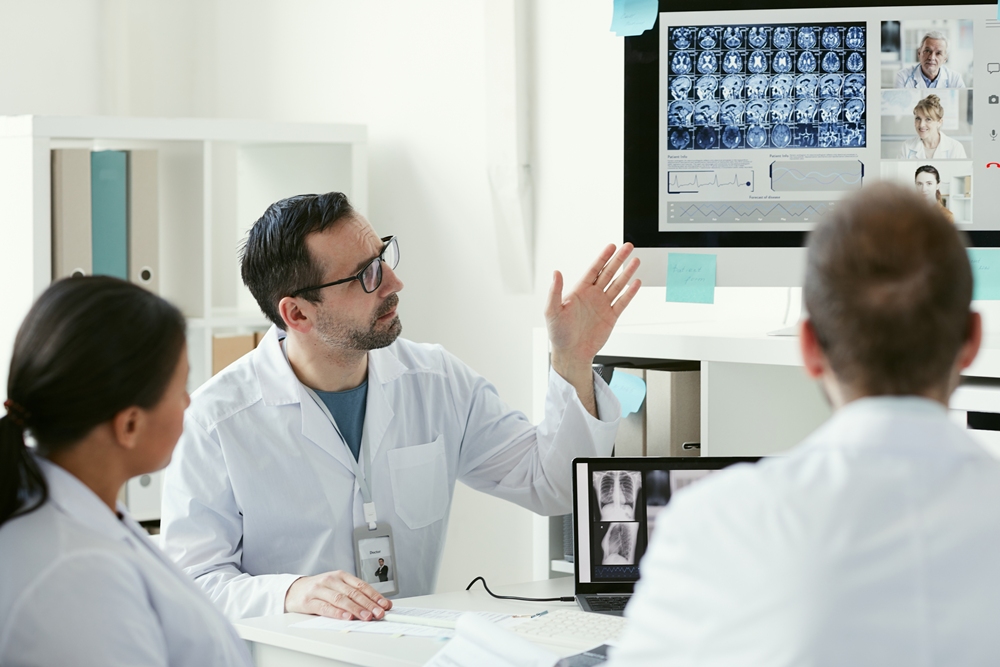
Women in Europe’s health and care sector face a 19 per cent hourly gender pay gap, according to a new World Health Organization (WHO) report.
Women account for 77 per cent of the sector’s workforce, compared with 45 per cent across all other sectors combined, but make up only 55 per cent of its top earners.
The hourly gender pay gap widens at higher wage levels, from 2 per cent among the lowest earners to more than 22 per cent at the top.
The WHO report found that health and care accounts for almost 17 per cent of all women’s employment in its European Region, compared with 5 per cent of men’s employment.
The sector is the fourth-largest employer overall and the single largest employer of women in the region.
Natasha Azzopardi Muscat, director of the Division for Health Systems at WHO Europe, said: “Women make up the majority of the people who keep Europe’s health systems running, yet they’re paid less than their male counterparts, a gap that compounds over a lifelong career.”
The findings follow a pattern seen across the wider labour market, with structural inequality increasing at higher wage and seniority levels.
Globally, women working in health earn an average of 24 per cent less than men, according to the report, a wider gap than in many other industries.
Some of the difference in pay could be explained by work-related factors, including age, education, public or private sector employment and whether people worked full-time or part-time.
After adjusting for those four factors, the hourly pay gap fell from 19 per cent to 6 per cent, while the monthly gap declined from 28 per cent to 10 per cent.
The remaining difference could not be explained by factors measured in the data.
“Most of this gap isn’t down to women working fewer hours, being younger or working in different parts of the sector,” Azzopardi Muscat said.
“It comes down to how the sector values women’s work. Age, education, working hours and public versus private sector employment only helps explain some of it.”
WHO said the findings point to factors including the undervaluation of care work, occupational segregation and potential discrimination in pay-setting practices.
Occupational categories with a higher proportion of women paid less across managerial, professional and technical roles.
Management jobs in health and care employ more women than management roles in other sectors and pay an average of €22 per hour, compared with €24.70 in comparable roles elsewhere.
WHO described the gender pay gap as one of the most persistent forms of labour market inequality. Given the number of women working in health and care, it said the gap could have important economic and social consequences.
The report said the inequality may lead to lower lifetime earnings and pension entitlements, increase women’s risk of poverty, reduce returns to education and undermine sustainable economic growth.
“It means lower pensions, less financial security in older age, and a higher risk of poverty for women who’ve spent their working lives caring for others,” said Azzopardi Muscat.
“This isn’t a coincidence, and it isn’t about qualifications. Women are being paid less for the same work and passed over for the roles that pay more.”
WHO said closing gender pay gaps was both an equity imperative and an investment in a stronger and more sustainable health workforce.
It suggested measures including greater salary transparency, increased female representation in decision-making roles and action to address gender norms and stereotypes.
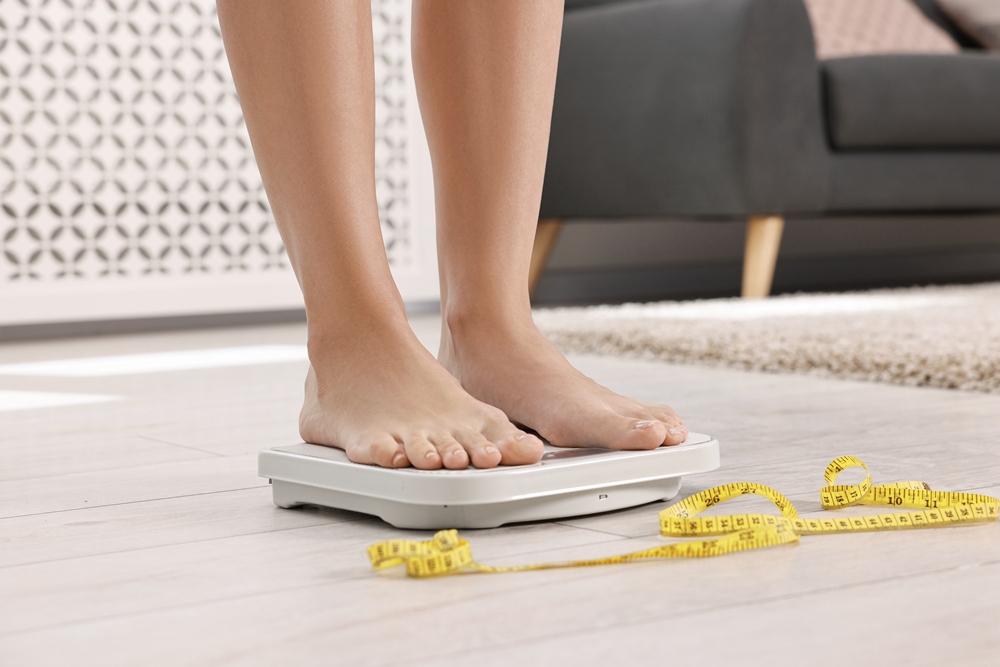
Higher BMI at 20 was linked to a lower risk of post-menopausal breast cancer in an analysis of more than 33,000 women.
Lower breast density later in life may partly explain the link between higher body mass index, or BMI, in early adulthood and lower breast cancer risk after menopause.
The findings could help explain why higher body weight in childhood, adolescence and early adulthood appears linked to lower long-term risk, while being overweight in middle age is associated with increased breast cancer risk.
First author Dr Benoit Jauniaux, a surgical trainee in the North-West Deanery, said: “Researchers in previous studies have observed that women with a higher BMI in childhood or their early adulthood appear to have a lower risk of breast cancer after the menopause, but we have not fully understood why.
“This study suggests that downstream changes to breast density may explain a large part of this effect.”
The study was published in the British Journal of Cancer on 17 September 2026 and was supported by the National Institute for Health and Care Research (NIHR) Biomedical Research Centre (BRC): Manchester.
Researchers at The University of Manchester and Manchester University NHS Foundation Trust followed 33,816 women taking part in the UK Predicting Risk of Cancer at Screening (PROCAS) programme for more than a decade.
They recorded 1,261 cases of post-menopausal breast cancer and compared women’s self-reported BMI at age 20 with breast density measurements from routine mammograms.
Breast density refers to the amount of fibrous and glandular tissue compared with fatty tissue in the breast. Women with denser breasts are known to have a higher risk of breast cancer.
Women with a higher BMI at age 20 generally had lower percentage breast density later in life and were less likely to develop post-menopausal breast cancer.
For every five-point increase in BMI at age 20, the risk of developing post-menopausal breast cancer fell by around 15 per cent. Further analysis suggested lower breast density may account for almost 60 per cent of this effect.
Researchers believe the timing of body weight gains may be crucial because women’s breasts are still developing during adolescence and early adulthood, potentially leading to long-term changes in tissue structure.
The study also found that different measures of breast density may reflect different biological pathways linked to breast cancer risk.
One measure, estimating the percentage of dense tissue within the breast, appeared to capture some of the lasting effects associated with higher body weight in early adulthood. Another measure, based on the total volume of glandular tissue, appeared to be more strongly influenced by body weight later in life.
Senior author Professor Andrew Renehan is professor of cancer studies and surgery at The University of Manchester and programme co-lead in the Cancer Prevention and Early Detection Theme at the NIHR BRC: Manchester/
The researcher said: “These findings do not suggest that gaining weight is protective.
“What they offer is further insight into how breast tissue and consequent breast cancer risk may be shaped across a woman’s lifetime, and we want to understand these mechanisms further.
“Maintaining a healthy weight remains important, because excess weight in later adulthood is linked to a higher risk of breast cancer and many other serious diseases.
“But this study adds to growing evidence that exposures during early life can have lasting effects on health decades later.”


 Menopause1 week ago
Menopause may not explain rising heart condition in women – study

 Fertility2 weeks ago
Paracetamol use may impact future fertility, studies suggest
 Insight1 week ago
Women with birth trauma face 2.5x higher healthcare costs – study

 Menopause2 weeks ago
Cancer drug could tackle osteoporosis menopause weight gain
 News1 week ago
Medical cannabis may improve endometriosis symptoms – study
 Cancer1 week ago
Study could explain why obesity is a breast cancer risk factor
 Diagnosis2 weeks ago
FDA approves AstraZeneca breast cancer drug
 Menopause2 weeks ago
Menopause hormone therapy may improve cardiovascular health outcomes, study suggests
1 Comment