




News
Sun Pharma to acquire Organon in US$11bn deal












Women’s health startup Ovum has raised US$4m in seed funding to develop its AI health journal and expand research using women’s health data.
The round valued the Melbourne startup at US$18m.
Ovum plans to use the funding to develop its artificial intelligence technology and longitudinal datasets, which track health information over time to reveal changes and patterns.

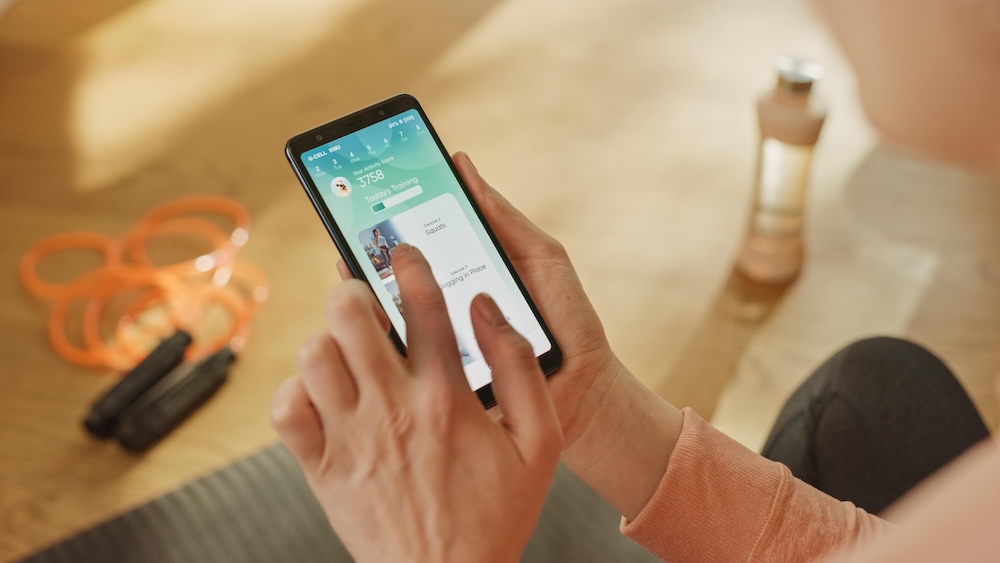
The AI captures symptoms, lifestyle factors, biometric measurements, reproductive health stages, medication, appointments and medical reports.
It uses this information to identify health patterns and create summaries and questions for medical appointments.
Ovum previously raised US$1.7m in pre-seed funding in February 2025 before launching its health journal app in August that year.
Since then, the company says the app has grown by 30 per cent month on month and recorded more than 20,000 downloads.
It has captured 57,000 health data insights and hosted more than 107,000 AI health conversations involving women aged between 15 and 84.
Founder Dr Ariella Heffernan-Marks developed the idea while she was a third-year medical student experiencing chronic migraines and was told that her pain was caused by anxiety.
The company describes the resulting women’s health journal as combining technology and clinical research to make health information more actionable and equitable for women.
Heffernan-Marks said: “I’ve sat on both sides of the desk, as a patient and as a doctor, and that’s why this mission matters so much to me.
“For too long, women have had to navigate healthcare systems that were not designed around their lived experiences or backed by sufficient female health data. Ovum exists to help women better understand their bodies, advocate for themselves with confidence, and contribute to research that improves care for future generations.”
Private health insurer Medibank is an Ovum partner, alongside Fernwood Fitness, Sweat and Menopause Friendly Australia.
Australian Red Cross Lifeblood is also involved in a pilot examining productivity losses caused by women reducing their working hours or leaving employment for health reasons.
Earlier in 2026, Ovum launched clinical trials with St George Hospital and the Royal Hospital for Women to assess AI as a preventative health tool for women.
The research is examining how women currently manage their health, which digital tools they use and whether AI could support health confidence, self-advocacy and continuity of care.
Continuity of care means receiving connected and consistent support across different appointments, healthcare professionals and services.
The funding round was led by Admiralty Capital Group, with participation from Antler, Giant Leap, Aviron Investments, Foggy Valley Aotearoa, Brisbane Angels and Think & Grow.
Existing investor LaunchVic, which is due to merge with Breakthrough Victoria, also participated through its Alice Anderson Fund, which focuses on female founders.
Amanda Andriano, founding partner at Admiralty Capital Group, said the gender health gap was a problem that should not be tolerated.
She said: “Ovum combines mission, market timing and technical capability with an exceptional founder uniquely positioned to lead this movement, and we believe that creates the foundation for a company of global significance.”
Women with endometriosis or painful periods were four to five times more likely to receive an STI diagnosis, a large Japanese study found.
Endometriosis occurs when tissue similar to the lining of the womb grows outside the womb. Although not strictly a menstrual disorder, it can cause pain, irregular periods and infertility.

The study was led by researchers at the University of Yamanashi and funded by Rohto Pharmaceutical Co.
The analysis examined health insurance claims from more than 3.4m women aged 40 or younger who had at least one healthcare visit during 2023.
Around 260,000 women, or 7.5 per cent of those included, had been diagnosed with endometriosis, dysmenorrhoea or both.
Dysmenorrhoea is the medical term for painful periods or menstrual cramps.
Women with endometriosis, dysmenorrhoea or both were four to five times more likely to have a recorded diagnosis of a sexually transmitted infection, or STI, than women without the conditions.
Diagnoses were significantly more common across every category examined, including chlamydia, gonorrhoea, trichomoniasis, genital herpes and other STIs.
Chlamydia was recorded in 3.5 per cent of women with menstruation-related conditions, compared with 0.7 per cent of those without them.
This represented a fivefold increase and the largest difference in prevalence between the two groups.
Gonorrhoea was diagnosed in 0.9 per cent of women with the conditions, compared with 0.2 per cent of those without them, also representing an increase of about five times.
Trichomoniasis, genital herpes and other STIs were diagnosed four to five times more often in women with endometriosis, dysmenorrhoea or both.
Women with endometriosis had the highest STI diagnosis rates overall.
Almost five per cent had a recorded chlamydia diagnosis, making it the most common STI in this group and more than seven times as prevalent as among women without menstruation-related conditions.
Women with dysmenorrhoea also had higher diagnosis rates for every STI included in the analysis.
The study found little evidence that hormonal treatments, including low-dose oestrogen-progestin therapy, affected STI diagnosis rates.
Differences between women who used hormonal treatment and those who did not were generally less than one percentage point.
Researchers suggested several possible explanations for the association between menstruation-related conditions and STI diagnoses.
One likely explanation is that women with endometriosis and dysmenorrhoea attend healthcare appointments more often.
As many STIs cause only mild symptoms, women seeking care more frequently for these conditions may be more likely to have infections detected.
Biological and behavioural factors may also play a part.
Menstruation-related conditions, particularly endometriosis, are associated with inflammation, pain during sex and sexual dysfunction, which could influence contraceptive practices and susceptibility to infection.
However, the authors said these possible explanations “remain speculative.”
They cautioned that differences in healthcare-seeking behaviour make it difficult to determine whether women with menstruation-related conditions acquire more infections or are simply more likely to receive a diagnosis.
The authors concluded that the findings underline the importance of STI screening and reproductive health education for women with endometriosis or painful periods.
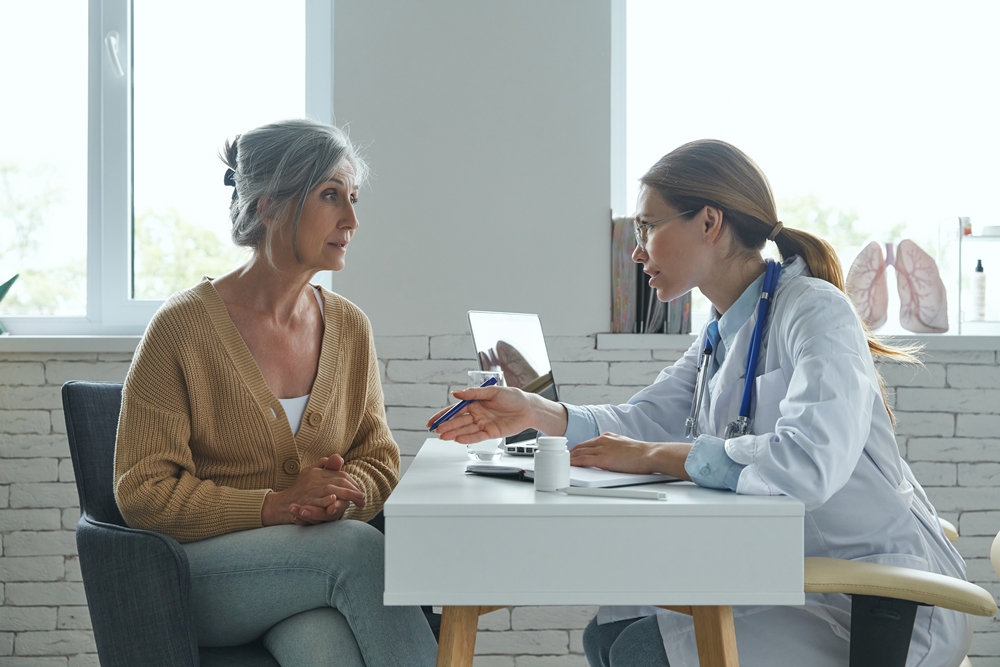
Statins have been linked to more severe menopause symptoms and a higher risk of muscle loss in postmenopausal women, a study suggests.
The medicines are among the most widely prescribed in the world, with strong evidence supporting their use to lower cholesterol and reduce cardiovascular risk.
However, some recognised side effects may resemble symptoms associated with menopause, raising questions about how the two could interact.

The US Food and Drug Administration has flagged potential adverse effects linked to statin treatment, some of which overlap with menopausal complaints.
Researchers examined data from 1,184 postmenopausal women across nine Latin American countries, assessing menopausal symptoms, sarcopenia risk and cognitive function.
They compared women taking statins with non-users after accounting for factors including age and body weight.
As the study was cross-sectional, meaning it examined information collected at one point in time, it could identify associations but could not prove that statins caused the outcomes.
Women taking statins were 56 per cent more likely to have severe menopausal symptoms than those who were not using the medicines.
The difference remained after researchers accounted for other variables.
Statin users were also 65 per cent more likely to be at risk of sarcopenia.
Sarcopenia is the gradual loss of muscle mass and physical function, which tends to accelerate after menopause.
Declining oestrogen levels already make muscle loss a concern at this stage of life. It is linked to a higher risk of falls, fractures and reduced quality of life.
Musculoskeletal symptoms were reported by 53.1 per cent of statin users, compared with 33.9 per cent of non-users.
Researchers said this was separate from the finding on sarcopenia risk and may point to a wider pattern of physical discomfort among women taking the medicines.
Women taking statins also recorded slightly lower scores in tests of delayed memory recall and visuospatial function.
Visuospatial function is the ability to understand the position of objects and their relationship to one another.
The study found no overall association between statin use and mild cognitive impairment, so the differences in individual tests are early signals rather than firm conclusions.
Researchers said effects associated with statins may overlap with menopausal symptoms and add to the overall symptom burden during midlife.
This means symptoms attributed to menopause and possible statin side effects may look similar and, in some cases, could compound one another.
Further research is needed to separate the possible effects of the medicines from symptoms linked to menopause.
The findings are not a reason for women to stop taking statins.
Their cardiovascular benefits are well established, and stopping treatment without medical guidance can carry serious risks.
The study provides more information about what statin treatment may mean specifically for postmenopausal women, who have historically been under-represented in cardiovascular research.
Women who notice more severe menopausal symptoms or changes in muscle strength or physical function while taking statins should discuss them with a doctor.
A healthcare professional may consider whether the symptoms could be related to the medication and whether screening for muscle loss is appropriate.
They may also review whether the current statin remains the most suitable option, as different statins can have different side-effect profiles.
Resistance training and consuming enough protein are well-supported ways to help preserve muscle mass during midlife.
Statins can be life-saving, but the findings suggest their possible side effects should receive greater attention in postmenopausal women.
The study adds to evidence supporting more individualised care for women during midlife.











 Menopause4 weeks ago
Perimenopause misinformation ‘putting women at risk’

 Entrepreneur4 weeks ago
Women’s Health Innovation Summit opens submissions for 2026 Innovation Showcase

 Insight3 weeks ago
British women among angriest in Europe, health survey reveals

 News4 weeks ago
Women still being failed when they reach menopause, experts say
 Menopause4 weeks ago
Sweden eyes domestic production of oestrogen patches amid menopause treatment shortage

 Menopause2 weeks ago
Apple Health adds menopause and perimenopause tracking

 News2 weeks ago
Femtech World Awards 2026: Winners revealed

 News4 weeks ago
Three menopause innovators shortlisted for Femtech World Award