




Fertility
Progyny and ŌURA link up on women’s health tracking


Progyny has announced a partnership with wearable tech company ŌURA to integrate smart ring data into women’s health and family building care.
The collaboration will enable Progyny care teams to use health data from the Oura Ring—such as sleep patterns, menstrual cycle insights, cardiovascular health, and stress levels—to support women from preconception through to menopause. The integration also aims to help identify potential health risks earlier and support a wide range of health goals.
For those trying to conceive, the insights may help identify fertile windows and assist with reproductive planning. During perimenopause or menopause, the data could reveal patterns that guide personalised care decisions or lifestyle changes.

Dr Janet Choi, chief medical officer at Progyny, said: “The more women understand about their bodies, the more empowered they are to partner with their health providers and articulate their health status and goals.
“Whether you are focused on conceiving your first child or managing changing weight and sleep issues through menopause, understanding your personal data is powerful—physically and emotionally.
“Taking control with physiologic data from the Oura Ring further supports Progyny’s focus on raising the bar and elevating health outcomes.”
The integration will allow for personalised recommendations around sleep, nutrition, movement and stress management based on each individual’s health trends and life stage.
Dorothy Kilroy, chief commercial officer at ŌURA, said: “Reproductive health management starts long before a doctor’s visit—it begins with daily awareness of your body’s patterns.
“By partnering with Progyny, we’re bridging the gap between those daily health patterns and clinical care, helping people navigate fertility and family planning with greater clarity, confidence, and support.
“This collaboration brings Oura’s powerful health signals into a setting where they can truly make a difference—guiding smarter care, earlier interventions, and more personalised journeys.”
The Oura Ring and membership will be made available to Progyny clients—including employers and health plans—from early 2026.
Progyny, listed on Nasdaq as PGNY, provides comprehensive women’s health and family building solutions. Its services include access to fertility and women’s health specialists, along with digital tools, coaching, education and personalised support.
ŌURA produces a smart ring that continuously tracks key health metrics to deliver individualised insights to users.




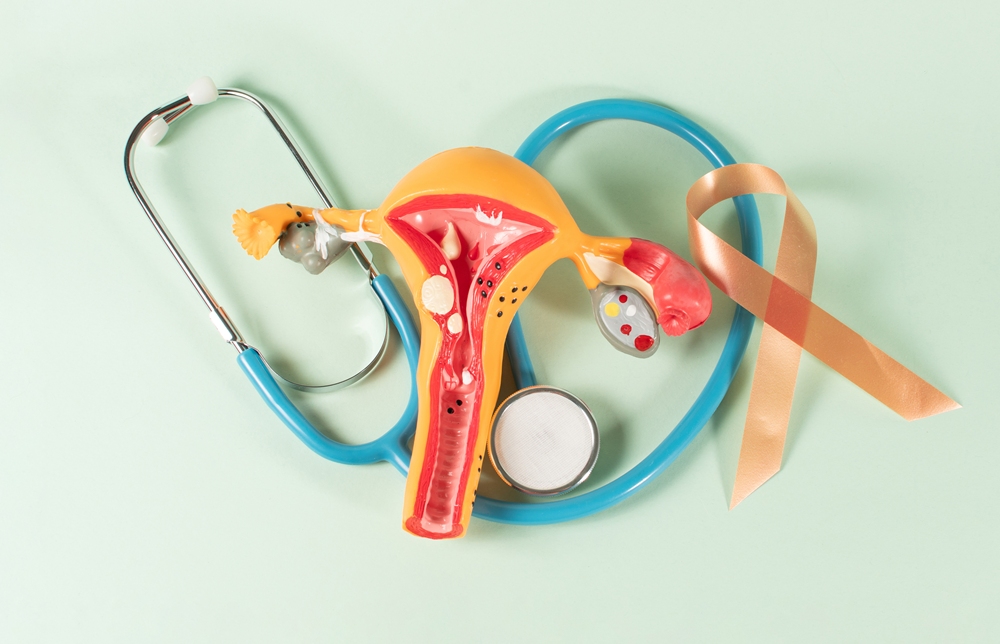
AI could transform ovarian care by personalising cancer and fertility treatment, but more clinical validation is needed before routine use.
A systematic review and meta-analysis found AI models showed high diagnostic accuracy for ovarian cancer when combining data such as ultrasound scans and blood test results.
Across 81 studies, AI models correctly identified ovarian cancer in around nine out of 10 cases, with pooled rates of 89 to 94 per cent.

They were also highly accurate at ruling out ovarian cancer when it was not present, with specificity of 85 to 91 per cent.
The analysis also found that explainable AI tools could predict complete surgical cytoreduction in advanced ovarian cancer.
Complete surgical cytoreduction means removing all visible cancer during surgery, which can be an important goal in treatment planning.
The tools achieved a pooled AUC of 0.87. AUC is a measure of how well a model distinguishes between different outcomes, with higher scores showing stronger performance.
In reproductive medicine, AI algorithms helped physicians optimise ovarian stimulation protocols and predict follicular growth during IVF.
Ovarian stimulation is the use of hormones to encourage the ovaries to produce eggs, while follicles are the small sacs in the ovaries where eggs develop.
The review found AI could reliably model ovarian response in IVF with a pooled AUC of 0.81.
However, researchers said challenges remain in translating promising research findings into routine clinical practice.
They identified substantial variation across studies, driven by retrospective study designs, variable AI systems and a lack of standardised validation.
Only 22 per cent of analysed studies reported prospective, multicentre external validation, where models are tested forward in time across multiple healthcare settings.
The authors called for rigorous validation to help close the gap between research and routine clinical practice, alongside standardised methodological and reporting frameworks, smooth integration with clinical workflow and robust governance to support responsible and ethical AI use.
They concluded: “Artificial intelligence is a transformative force in the management of ovarian conditions.
“In gynaecologic oncology, AI enhances every phase of care, from early detection and accurate diagnosis to prognostic stratification and surgical planning.”
In reproductive medicine, AI personalises ovarian stimulation and refines the diagnosis of heterogenous endocrine disorders such as PCOS.
PCOS, or polycystic ovary syndrome, is a hormonal condition that can affect periods, skin, weight and fertility.













 Opinion4 weeks ago
What Maternal Mental Health Month reveals about where postpartum support actually breaks down

 News3 weeks ago
NIH Grant terminations disproportionately impact minority scientists, research finds

 Menopause4 days ago
Perimenopause misinformation ‘putting women at risk’

 Wellness3 weeks ago
WUKA brings Period-Positive Pool Party to London Aquatics Centre to keep girls swimming through puberty
 Insight2 weeks ago
PCOS renamed after decade-long campaign to end ‘cyst’ misconception

 Events4 weeks ago
WHIS 2026 unveils agenda and first speakers for the leading women’s health summit

 Menopause3 weeks ago
CBT shows promise for menopause insomnia and hot flashes

 Insight4 weeks ago
Online abuse and deepfakes ‘pushing women out of public life’