




Hormonal health
Progyny and ŌURA link up on women’s health tracking


Progyny has announced a partnership with wearable tech company ŌURA to integrate smart ring data into women’s health and family building care.
The collaboration will enable Progyny care teams to use health data from the Oura Ring—such as sleep patterns, menstrual cycle insights, cardiovascular health, and stress levels—to support women from preconception through to menopause. The integration also aims to help identify potential health risks earlier and support a wide range of health goals.
For those trying to conceive, the insights may help identify fertile windows and assist with reproductive planning. During perimenopause or menopause, the data could reveal patterns that guide personalised care decisions or lifestyle changes.

Dr Janet Choi, chief medical officer at Progyny, said: “The more women understand about their bodies, the more empowered they are to partner with their health providers and articulate their health status and goals.
“Whether you are focused on conceiving your first child or managing changing weight and sleep issues through menopause, understanding your personal data is powerful—physically and emotionally.
“Taking control with physiologic data from the Oura Ring further supports Progyny’s focus on raising the bar and elevating health outcomes.”
The integration will allow for personalised recommendations around sleep, nutrition, movement and stress management based on each individual’s health trends and life stage.
Dorothy Kilroy, chief commercial officer at ŌURA, said: “Reproductive health management starts long before a doctor’s visit—it begins with daily awareness of your body’s patterns.
“By partnering with Progyny, we’re bridging the gap between those daily health patterns and clinical care, helping people navigate fertility and family planning with greater clarity, confidence, and support.
“This collaboration brings Oura’s powerful health signals into a setting where they can truly make a difference—guiding smarter care, earlier interventions, and more personalised journeys.”
The Oura Ring and membership will be made available to Progyny clients—including employers and health plans—from early 2026.
Progyny, listed on Nasdaq as PGNY, provides comprehensive women’s health and family building solutions. Its services include access to fertility and women’s health specialists, along with digital tools, coaching, education and personalised support.
ŌURA produces a smart ring that continuously tracks key health metrics to deliver individualised insights to users.


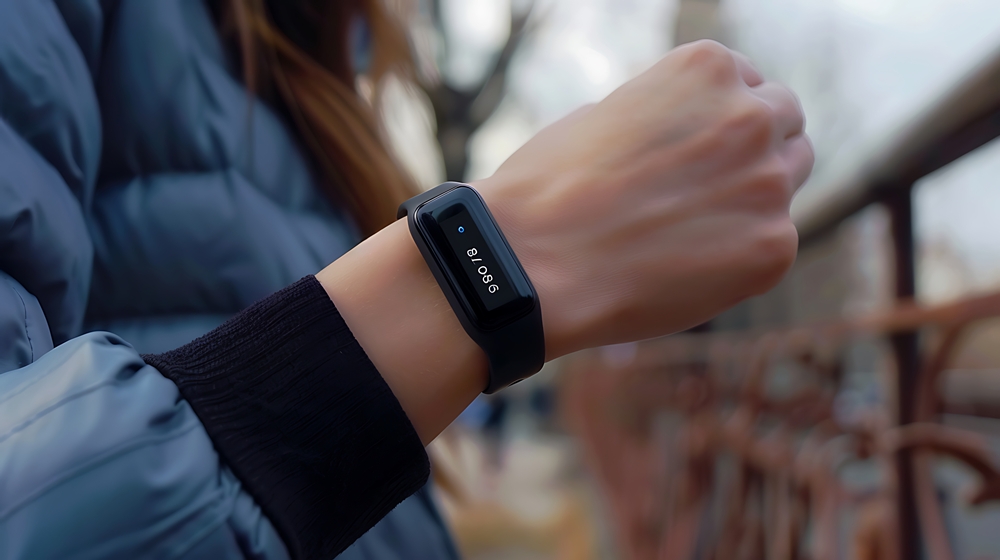
Wearable technology could revolutionise how women understand and manage their menstrual and hormonal health, according to a major new review that assessed dozens of studies involving data from millions of participants.
The review, which examined 40 studies with cohorts ranging from small pilot groups to nearly 19 million participants, found that devices such as the Oura Ring, Apple Watch, Fitbit, WHOOP band and Garmin watches are capable of detecting meaningful physiological changes across the menstrual cycle – and could one day help identify conditions far sooner than current methods allow.

The findings come as growing attention is being paid to the economic and personal toll of menstrual health problems.
Up to 90 per cent of women report cycle-related symptoms including pain, bloating and mood swings, while up to 40 per cent suffer from premenstrual syndrome.
A more severe condition, premenstrual dysphoric disorder, affects up to 8 per cent of women. In economic terms alone, menstrual and perimenopausal symptoms are estimated to cost the United States more than US$26 billion a year.
Researchers found that wearables were able to reproduce well-established hormonal patterns in real-world settings.
Skin temperature was found to be lower in the first half of the cycle before ovulation, and higher afterwards, consistent with known effects of progesterone.
Resting heart rate rose by around two to four beats per minute from the pre-ovulation phase to the days following it.
Heart rate variability, a marker of nervous system activity, was highest in the early cycle and lowest in the premenstrual phase, with lower readings linked to symptoms of PMS and PMDD.
The review also challenged some long-held assumptions.
Digital data suggested that ovulation tends to occur later and more variably than previously thought, with the pre-ovulation phase averaging 15 to 17 days rather than the 13 to 14 days typically cited.
Skin temperature was also found to dip most sharply more than five days before ovulation – not immediately before it – a finding the authors said could have practical implications for women using cycle tracking for contraception or conception.
Large datasets revealed that cycle patterns vary considerably between individuals and across a lifetime.
Nearly 20 per cent of women showed significant cycle-to-cycle variability, and both low and high body weight were linked to longer and less predictable cycles.
The data also pointed to racial differences in menstrual characteristics that had previously gone largely undetected in smaller laboratory studies.
On contraception, the review found that combined hormonal contraceptive users showed flatter, inverted heart rate variability patterns across the cycle, while progestin-only methods produced trends closer to natural cycles.
The authors cautioned that most research has been conducted in the United States and Europe, with predominantly white participants, and called for broader, more diverse studies.
They also flagged significant gaps in research on perimenopause, partly because many studies excluded women with irregular cycles.
Despite these limitations, researchers concluded that wearable devices hold genuine promise for helping women monitor their health and enabling earlier identification of conditions that might warrant medical attention – provided privacy safeguards and standardised research methods are put in place.
Hormonal health
Sweden eyes domestic production of oestrogen patches amid menopause treatment shortage












 Opinion4 weeks ago
What Maternal Mental Health Month reveals about where postpartum support actually breaks down

 News3 weeks ago
NIH Grant terminations disproportionately impact minority scientists, research finds

 Menopause4 days ago
Perimenopause misinformation ‘putting women at risk’

 Adolescent health3 weeks ago
WUKA brings Period-Positive Pool Party to London Aquatics Centre to keep girls swimming through puberty
 Insight2 weeks ago
PCOS renamed after decade-long campaign to end ‘cyst’ misconception

 Events4 weeks ago
WHIS 2026 unveils agenda and first speakers for the leading women’s health summit

 Menopause3 weeks ago
CBT shows promise for menopause insomnia and hot flashes

 Mental health4 weeks ago
Online abuse and deepfakes ‘pushing women out of public life’