




Motherhood
Women need clearer guidance on home birth risks, experts say

Women must receive clearer warnings about the potentially fatal risks of home birth and should only be supported by experienced midwives, experts have said.
The calls follow a coroner’s ruling in Rochdale, England, that Jennifer Cahill, 34, and her baby, Agnes Lily, died after a home birth in June 2024 due to “a gross failure to provide basic medical care”.
Leading doctors, academics and maternity experts told The Guardian that access to safe home birth services is inconsistent and varies widely depending on location.

They said staffing shortages, inconsistent training and differing local policies make it difficult to ensure reliable care.
Kim Thomas, chief executive of the Birth Trauma Association, said: “This is an unbearably sad case of two avoidable deaths.
“We often hear from women who, having had a deeply traumatic first birth in hospital, are reluctant to give birth in hospital again. Some choose not to have another baby, while others opt for home birth.
“Unfortunately, for women like Jennifer Cahill, who had experienced numerous complications in her previous birth, a home birth can be particularly risky.
“Several things seem to have gone wrong in this case. It seems staff were reluctant to spell out the risks to Mrs Cahill, so she was not able to make a fully informed decision.”
Cahill died at North Manchester General Hospital hours after suffering a haemorrhage while giving birth at home in Prestwich on 3 June 2024.
Her baby, Agnes, was delivered not breathing, with the umbilical cord wrapped around her neck, and died days later at the same hospital.
Manchester University NHS Foundation Trust apologised and admitted there were “serious failures” in the care given to Cahill and her baby.
Her pregnancy had been classed as high-risk because she had suffered a postpartum haemorrhage – heavy bleeding after delivery – following the birth of her first child in 2021.
Cahill had been advised to give birth in hospital, but her husband, Rob, told the court that the dangers of a home birth were not fully explained.
Staff used phrases such as “out of guidance” rather than “against medical advice”, and the risk of death was not explicitly mentioned.
He said his wife chose home delivery after finding her first hospital birth “highly stressful”.
The inquest heard that both community midwives attending the birth had not seen or been aware of the Cahills’ birth plan.
Each had already worked 12-hour shifts and had been awake for more than 30 hours.
Vital notes, including blood pressure readings and the baby’s heart rate, were not properly recorded — the latter written on an incontinence pad that was later discarded.
Thomas said: “The midwives had come straight to the birth from very long shifts and seemed to lack the expertise and experience needed to handle a complex home birth.
“While we support the right of women to choose home birth, they do need the risks explained to them in full so that they can make an informed decision.
“We also believe it is unreasonable and unethical to expect midwives to attend a home birth after a 12-hour shift, when they must have felt exhausted.
“Only highly experienced midwives should attend home births where the woman has been categorised as high-risk.”
One of the attending midwives told the court there was “unease in the office” about home birth requests.
Staff were “nervous about being on call” and some “would do anything to get out of being on call”.
Dr Shuby Puthussery, associate professor in maternal and child health at the University of Bedfordshire, agreed that only experienced midwives should attend home births.
“Home births should be supported by experienced midwives with enhanced midwifery skills who are formally assessed as competent and confident to provide care for women within the home birth environment,” she said.
“While home births promote women’s choice and are becoming increasingly popular, neither reckless promotions nor blanket bans are the way forward.”
She said it was “absolutely crucial” that health professionals hold “open and transparent” discussions about “the potential for worse outcomes” if complications arise, including the time required for hospital transfers during emergencies.
“The advice to women who have medical conditions or have had a previous complicated birth, or are giving birth for the first time, is to give birth in a hospital or facility with immediate and direct access to specialist care,” Puthussery said.
Professor Asma Khalil, consultant obstetrician in London and maternal-foetal medicine expert, said the evidence about home birth risks is clear.
“For healthy women with a low-risk pregnancy who have had an uncomplicated birth before, a home birth may be suitable when supported by a qualified midwifery team.
“However, evidence shows that home birth carries higher risks for babies, particularly for first-time mothers or those with high-risk pregnancies.”











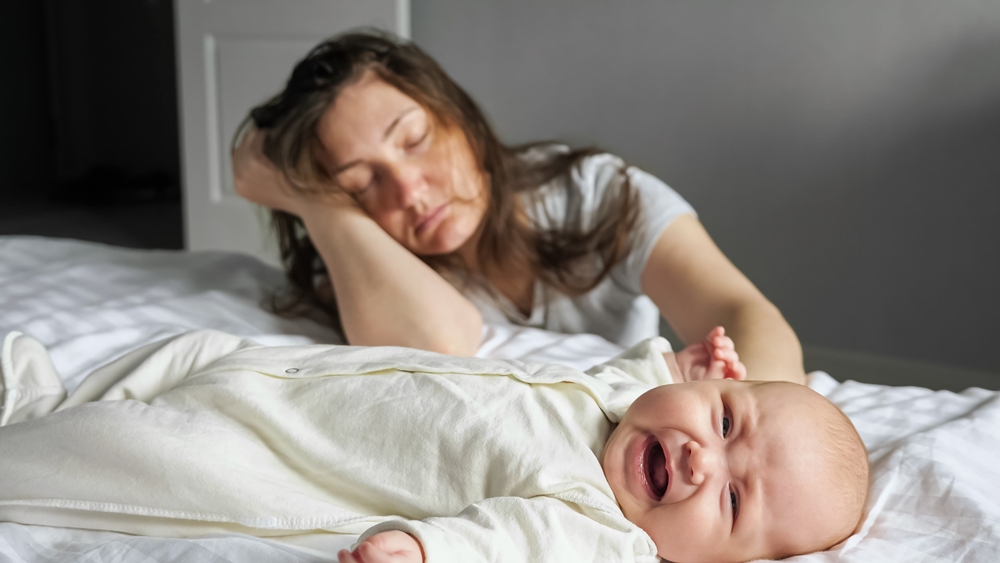
Pregnant women’s expectations about postpartum sleep may predict sleep quality after birth, outweighing prior sleep and psychiatric history, a study suggests.
The findings suggest attitudes and beliefs about sleep during pregnancy could be a modifiable risk factor for postpartum sleep concerns.
They also indicate that, among women expecting the poorest sleep, higher postpartum anxiety may further worsen sleep quality.
Sammy Dhaliwal, lead author is clinical health psychologist and research fellow in the department of obstetrics and gynaecology at the Perelman School of Medicine at the University of Pennsylvania.
Dhaliwal said: “Most pregnant women in our sample anticipated poor postpartum sleep before it occurred, and it was striking that those expectations predicted worse sleep outcomes even after accounting for factors such as prior sleep disorders, psychiatric history, and number of previous births.
“This suggests that attitudes and beliefs about sleep during pregnancy may represent a modifiable target for early intervention before postpartum sleep problems emerge.”
Sleep disturbance affects an estimated 60 to 80 per cent of postpartum women and is linked to a higher risk of depression and anxiety.
Researchers said it is often regarded as an expected part of life after childbirth rather than a health issue that may be addressed earlier.
The study enrolled 432 pregnant women at about 24 weeks of gestation, meaning around 24 weeks into pregnancy.
Participants completed measures of their expectations about postpartum sleep, current sleep quality using the Pittsburgh Sleep Quality Index, and mood using validated depression and anxiety scales.
Assessments were repeated at six, 12 and 24 weeks postpartum.
A subset of 49 women also wore wrist actigraphy devices at six to eight weeks postpartum.
Actigraphy uses a wearable device, similar to a watch, to estimate sleep and wake patterns based on movement.
The results showed that 70 per cent of pregnant women, or 301 of 432 participants, expected poor sleep in the postpartum period.
Researchers found that predicted sleep disruption during pregnancy was a significant predictor of postpartum sleep concerns.
Among first-time pregnant women without prior health concerns, those who expected greater sleep disturbance had significantly more disrupted sleep after birth, measured by both actigraphy and self-report.
Among women who expected the worst sleep quality, higher postpartum anxiety significantly worsened both measured sleep and self-reported sleep, independent of anxiety levels during pregnancy.
Dhaliwal said the findings point to two possible areas for intervention: addressing sleep-related beliefs during pregnancy and treating postpartum anxiety.
Dhaliwal said: “Postpartum sleep disruption is often treated only after problems develop, but our findings suggest there may be an opportunity to intervene earlier during pregnancy.
“Addressing sleep-related beliefs and postpartum anxiety during prenatal and postpartum care may help improve sleep and emotional well-being in new mothers.”
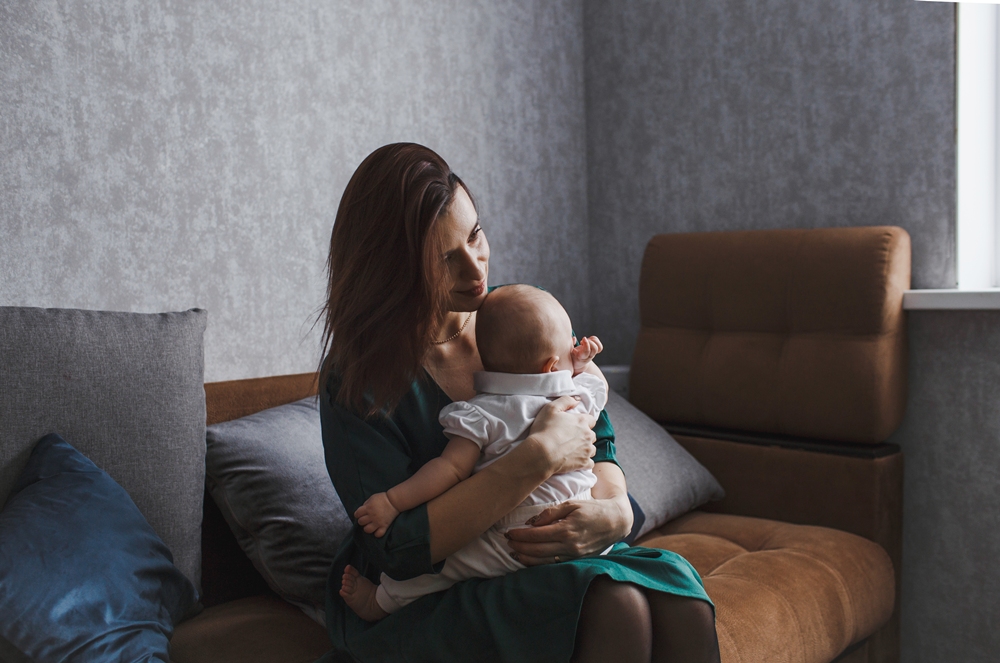
Pressure to have a natural birth can cause lasting psychological harm when labour does not go to plan, new research shows.
The study found that the messages women receive during pregnancy are directly linked to the shame and self-blame many feel when those expectations are not met.
For the first time, the research provides an explanation for why unmet birth expectations contribute to psychological harm.
Several women involved in the research said they felt they had not given birth “properly”, even when medical intervention had saved their lives.
Rebecca Matthews, lead author and PhD researcher at the University of Reading, said: “These women were not failed by their bodies, they were failed by the messages they were given.
“Birth trauma does not begin with birth. It begins in the ideology sold to women throughout pregnancy.
“For the first time we can explain precisely how, by showing how birth culture creates a moral standard for women that defines what a good mother does and then leaves them to blame themselves when birth does not match that.
“Until we reform the way we prepare women for birth, we will keep seeing the same devastating consequences for mothers and their babies.”
The researchers interviewed 21 first-time mothers in the UK whose births did not go as planned.
From NCT and hypnobirthing classes, to social media to midwives, the researchers heard how women are surrounded by messaging that frames natural, unmedicated vaginal birth as the “gold standard”, not just medically preferable, but as a mark of being a good mother and the first test of maternal worth.
Research shows around half of women report their birth differed significantly from their expectations, and for the women in this study, all of whom experienced exactly that, the psychological consequences were profound.
Women judged themselves against the internalised moral standard that this ideology had created.
The researchers are calling for antenatal education to stop treating one kind of birth as the goal and to present all birth outcomes as equally valid routes to motherhood.
They also call for better postnatal screening for women whose births did not go as expected, specifically targeting the shame, self-blame and identity disruption that this research identifies as mechanisms underlying birth trauma.
The findings align with and extend the conclusions of the Kirkup, Ockenden and Birth Trauma Inquiry reports, all of which documented how the institutional pursuit of “normal birth” contributed to preventable harm.
This research provides the first theoretical explanation of how that ideology generates individual psychological harm and points to antenatal messaging as the primary site of such preventable harm.
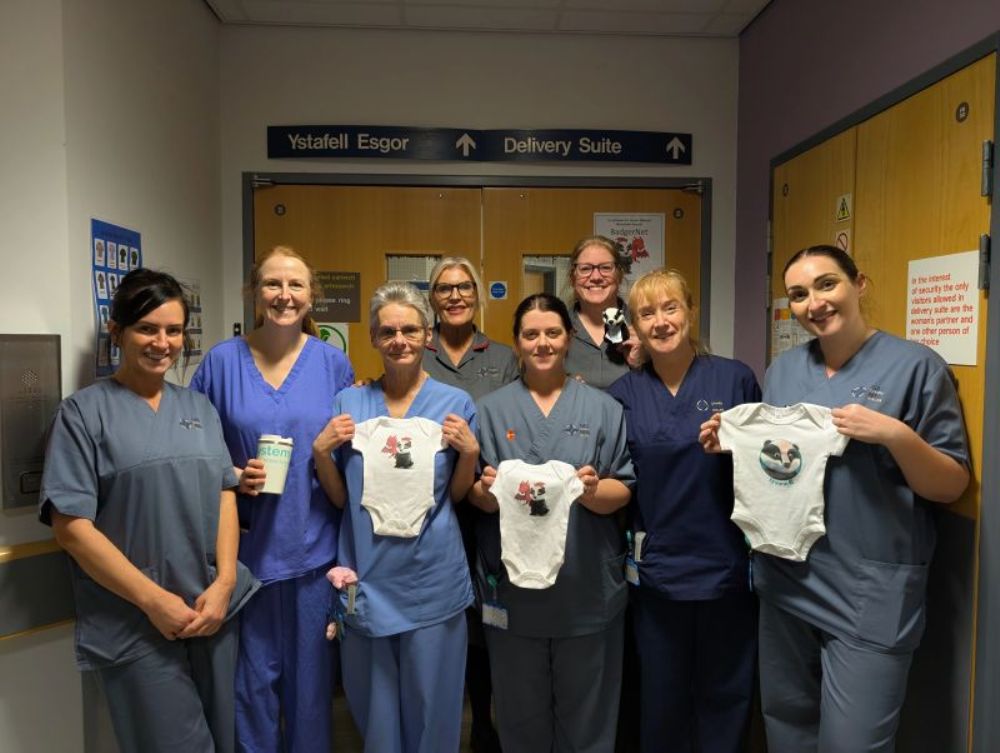
System C has completed the national rollout of BadgerNet Maternity across all seven NHS Health Boards in Wales. This is the first time any UK nation has unified its maternity care under a single digital record and patient-facing app.
With approximately 26,000 babies born annually in Wales, BadgerNet connects maternity information across organisational boundaries in the country.
Expectant parents can access their records, maternity appointments and key updates digitally through a single app, wherever they receive care while clinicians have secure access to the right information at the point of care.
The national three-year agreement across all Heath Boards replaces a patchwork of separate local systems and eliminates the need for paper hand-held notes.
Anthony Tracey is director of digital at Hywel Dda University Health Board, the final of the Welsh Health Boards to go live with BadgerNet.
He said: “The rollout of BadgerNet across Wales is a vitally important step forward in modernising our maternity services and providing a consistent service across the country.
“By giving expectant parents direct access to their information and enabling clinicians to share data more effectively, we are strengthening safety, transparency and consistency in maternity care nationwide.”
For expectant parents, the single digital maternity record transforms how they engage with their care.
Instead of carrying paper notes and repeating information at every appointment, parents can access key details, appointments and updates digitally, supporting more informed conversations and shared decision-making.
The result is greater transparency, fewer administrative frustrations and a more joined-up experience throughout pregnancy and into the postnatal period, regardless of which health board they fall under.
For clinicians and Health Boards, the joined-up approach reduces duplication and streamlines handovers across teams and sites. Information is digitally captured once and made available securely wherever it is needed, helping to minimise errors, reduce time spent tracking down notes and support more efficient multidisciplinary working.
At a national level, linking maternity data across Wales creates a foundation for safer, more consistent care.
Aggregated, standardised information enables earlier identification of trends and variation, supports evidence-based policy decisions and enhances long-term service planning.
With a comprehensive view of maternity activity and outcomes across the country, Wales is now better positioned to raise standards for parents, babies and families.
Guy Lucchi, managing director of healthcare at System C, added: “Delivering a truly national approach across all seven Health Boards is a significant achievement for Wales.
“One shared system means information flows with the patient, not the organisation.
“That reduces duplication, supports earlier identification of risk and frees up valuable clinical time.
“Crucially, linking maternity data at a national level provides powerful insight to drive improvement. Health Boards can benchmark, plan services with greater confidence and ensure resources are targeted where they are needed most, while expectant parents benefit from clearer communication and a more connected experience of care.”







 Diagnosis2 weeks ago
Two “gamechanger” tests set to speed up endometriosis diagnosis on the NHS

 Insight2 weeks ago
Women with PMOS should have annual NHS checks, new guidance says

 Menopause5 days ago
New menopause drug approved for use by NHS in Scotland
 Cancer2 weeks ago
Thousands of women could avoid painful cancer exam with new AI blood test

 Entrepreneur2 weeks ago
Applications open for the third W Accelerate with Merck KGaA and M Ventures
 Fertility2 weeks ago
Older women face lower chance of fertility treatment working, even with donor eggs, study finds

 Opinion2 weeks ago
We built Ema like a nurse: Here’s why that matters

 News2 weeks ago
Experts call for regulation of toxic period product chemicals