



To receive the Femtech World newsletter, sign up here.
News
‘New hope’ for millions whose dense breast tissue masks cancer on mammograms
A new software promises to detect breast cancer in women with dense breasts


A tool that uses AI to detect breast cancer could “offer new hope” for millions of women whose dense breast tissue masks cancer on mammograms.
The software, developed by the health tech company DeepLook Medical, is the first AI tool to tackle breast cancer in women with dense tissue.
The technology is based on a shape recognition algorithm that aims to improve early detection, assist clinicians in creating treatment plans and accelerate workflow.
Nearly half of women over the age of 40 are found to have dense breast tissue which makes them more likely to get breast cancer.
However, because both dense breast tissue and cancer show up as white in a mammogram, as many as 50 per cent of cancers in these women are missed on mammograms.
“More than 40 per cent of women have dense breasts, myself included,” says DeepLook Medical CEO, Marissa Fayer.
“However, this disproportionately affects Black, Asian and Jewish populations which means these women have a higher chance of getting cancer just because of their genetics. There’s no reason not to have a technology that could be used with existing tools to help these women.”
What is unique about the software, DeepLook Medical claims, is that it is able to “see through” dense breast tissue.
“It is a precise tool that helps radiologists navigate dense breast tissue and gives patients the confidence that even if they have dense breast tissue, we can see through it,” says Fayer.
“This is a technology that works for everyone. It’s not just for white women – it can be used everywhere. The exciting part about it is that it is integrated straight into the workflow of radiologists; it’s right there on their monitor.”
The tool is currently available in the US, with certifications in other global regions pending and planned.
Fayer says: “There’s nobody in the world who hasn’t been touched by cancer. Our hope is that if it happens to you, you can find it early.”
AI for all
Reading mammograms with the help of AI technologies has been shown to detect more cancers than the routine double reading by two different radiologists. However, in order for this to benefit all patients, the datasets used for creating these technologies should be curated with diversity and inclusion in mind.
STANDING Together, an international initiative that tackles bias in AI health datasets, found that many datasets in different disease areas, including breast cancer, were from high-income settings and did not report individuals’ attributes.
“Making sure you have the correct data set coming in and ensuring the technologies you are developing can be used on diverse sets are some of the biggest challenges in AI,” says Fayer.
“It’s a big push, but it’s something that we need to keep talking about and something that developers need to stand up for.”
Not ensuring diverse datasets, Fayer warns, could lead to disparities similar to the ones seen in clinical research.
“Historically, women have been underrepresented in clinical trials, which led to poor health outcomes and huge data gaps. That’s why we need to keep talking about diversity, especially when it comes to AI. There’s no reason to stop talking about it.”


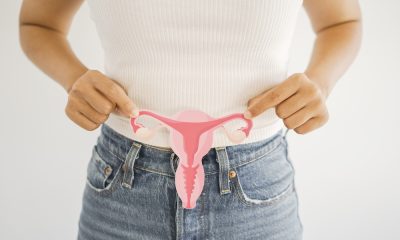







Older women with both insomnia and sleep apnoea show worse verbal memory than those with sleep apnoea alone, a new study has found.
The research revealed that older adults with comorbid insomnia and sleep apnoea, often referred to as COMISA, demonstrated worse memory performance than those with sleep apnoea alone. Sleep apnoea is a condition where breathing repeatedly stops and starts during sleep.
However, when analysed by sex, the association was only significant in women, not men.

The study, conducted by researchers at UC San Diego School of Medicine, involved 110 older adults aged 65 to 83 diagnosed with obstructive sleep apnoea.
Participants completed an overnight sleep study and cognitive testing. COMISA was present in 37 per cent of participants.
Lead author Breanna Holloway, a postdoctoral researcher at UC San Diego School of Medicine, said: “We expected that having both insomnia and sleep apnoea would worsen memory for everyone, but only older women showed this vulnerability.
“That was striking, especially because women typically outperform men on verbal memory tasks.
“The fact that COMISA seemed to offset that advantage hints at a hidden sleep-related pathway to cognitive decline in women.
“Prior studies have shown increased incidence of Alzheimer’s disease in women with untreated sleep apnoea.”
The researchers suggest sex differences in sleep architecture may explain the vulnerability observed in women.
Post hoc analyses revealed that women with COMISA had reduced rapid eye movement (REM) sleep, the stage associated with dreaming and memory consolidation, and more slow wave (deep) sleep compared with men.
Holloway said: “These results point to an overlooked risk in women with both insomnia and sleep apnoea.”
“Because women are more likely to have insomnia and often go undiagnosed for sleep apnoea, recognising and treating COMISA early could help protect memory and reduce dementia risk.”
The researchers noted that the findings support sex-specific screening and treatment strategies.










-

 News3 weeks ago
Opinion: Not ‘just stress’ – How hormonal changes affect women’s brain function
-

 Hormonal health4 weeks ago
Top 7 drug-free solutions for managing PMS and PMDD in in 2025
-

 Diagnosis3 weeks ago
Researchers develop nasal therapeutic HPV vaccine
-

 Diagnosis3 weeks ago
Woman files lawsuit claiming fertility clinic ‘bootcamp’ caused her stroke
-

 News4 weeks ago
YON E Health raises €250k for its vaginal health device
-

 Wellness4 weeks ago
Researchers achieve first pregnancy using AI to recover sperm in infertile men
-

 Opinion1 week ago
Doctors push back on ‘data-free’ ruling on menopause hormone therapy
-

 Menopause3 weeks ago
Sleep-related disorders linked to hypertension in postmenopausal women
1 Comment