




News
FDA approves first over-the-counter birth control pill
Opill may help reduce the number of unintended pregnancies and reduce barriers to accessing contraceptives

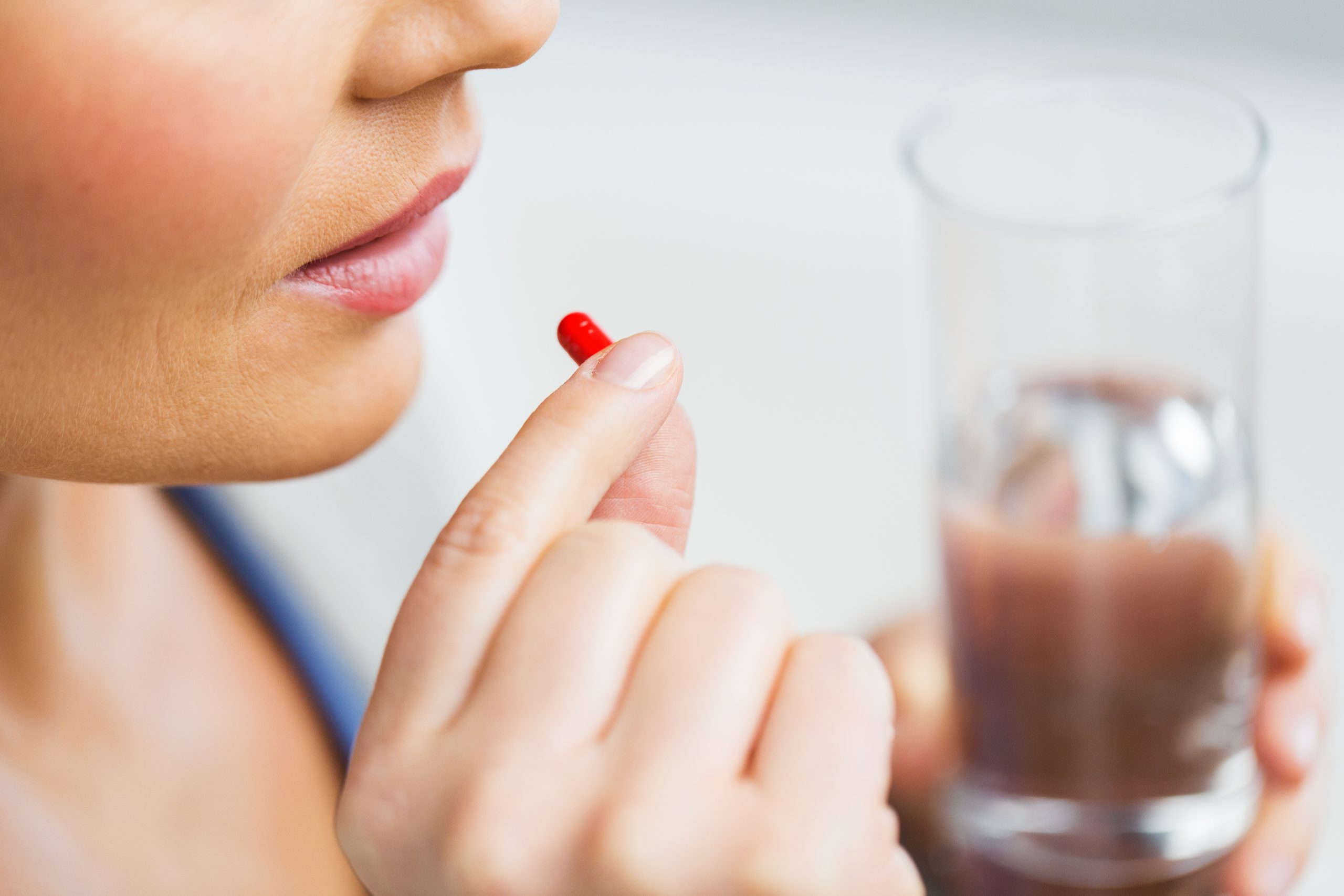
The US Food and Drug Administration has approved the country’s first-ever daily hormonal contraceptive pill for sale without a prescription in a move that could dramatically change access to birth control.
Opill, the progestin-only pill from drugmaker Perrigo, will provide an option for obtaining oral contraceptives without needing to first see a healthcare provider, in hopes of reducing barriers to access.
Almost half of the over six million pregnancies in the US each year are unintended, according to the FDA’s news release.
Unintended pregnancies have been linked to negative maternal and perinatal outcomes, including reduced likelihood of receiving early prenatal care and increased risk of preterm delivery, with associated adverse neonatal, developmental and child health outcomes.
Availability of nonprescription Opill, the FDA said, may help reduce the number of unintended pregnancies and their potential negative impacts.
“Today’s approval marks the first time a nonprescription daily oral contraceptive will be an available option for millions of people in the United States,” said Dr Patrizia Cavazzoni, director of the FDA’s Center for Drug Evaluation and Research.
“When used as directed, daily oral contraception is safe and is expected to be more effective than currently available nonprescription contraceptive methods in preventing unintended pregnancy.”
The contraceptive efficacy of Opill (norgestrel) was established with the original approval for prescription use in 1973. HRA Pharma applied to switch norgestrel from a prescription to an over-the-counter product.
For approval of a product for use in the nonprescription setting, the FDA requires that the applicant demonstrate that the product can be used by consumers safely and effectively, relying only on the nonprescription drug labeling without any assistance from a health care professional.
Studies showed that consumer understanding of information on the Opill Drug Facts label was high overall and that a high proportion of consumers understood the label instructions, supporting their ability to properly use the drug when it is available as an over-the-counter product.
The FDA concluded Opill is “safe and effective” when used properly. The guidelines include taking the pill at the same time every day; not using it along with another hormonal birth control product, including intra-uterine devices (IUDs); and avoiding medications that interact with it.
However, the agency warned Opill should not be used by those who have or have ever had breast cancer.
“Consumers who have any other form of cancer should ask a doctor before use,” it added.
The most common side effects of Opill include irregular bleeding, headaches, dizziness, nausea, increased appetite, abdominal pain, cramps or bloating.
Use of Opill may also be associated with changes in vaginal bleeding patterns, such as irregular spotting and prolonged bleeding.
The pill is expected to go on sale at major retailers early next year with no age restrictions on sales.






Yoga and omega-3 supplements may be as effective as talking therapies for pregnancy depression, a major review suggests.
Globally, nearly one in three pregnant women experience depression, but most receive no treatment.
When support is available, women are often directed towards talking therapies such as cognitive behavioural therapy, or CBT, and mindfulness.

CBT is a structured talking therapy that helps people identify and change patterns of thought and behaviour affecting their mental health.
The review examined 115 clinical trials involving more than 12,000 participants across 30 countries.
It found that yoga, massage, omega-3 supplements and bright light therapy were broadly as effective as talking therapies at reducing depression symptoms during pregnancy.
Bright light therapy involves controlled exposure to bright light and is sometimes used to treat mood conditions.
The findings point to the importance of social support and increased connection, as all these approaches offer some element of contact or guided support.
Led by King’s College London, the research brought together trial evidence across every type and format of treatment for antenatal depression under a common framework.
Antenatal depression is depression that occurs during pregnancy.
The study was conducted as part of HappyMums, a European consortium led by the University of Milan that aims to improve mental health support during pregnancy and after birth.
Carmine Pariante, professor of biological psychiatry, said: “This is the most comprehensive analysis of treatments for depression in pregnancy ever conducted, and the findings should prompt a rethink of how we support women during this critical period.
“The evidence is clear that there is no single best approach. What matters is that women have access to a range of options, and that clinicians feel equipped to offer them.”
The researchers said yoga and omega-3 supplements could be legitimate treatment options, rather than stopgaps, for women on waiting lists or those who struggle to access mental health support.
However, the studies differed considerably in design, sample size and how results were measured, so the findings should be interpreted with care.
The team said non-psychological approaches could help women cope with long waits for care without ruling out other treatments alongside them.
Digital and online interventions, including apps and telephone-based support, were also found to be as effective as face-to-face treatment.
Researchers said this could affect how antenatal depression is managed, particularly for women who cannot travel or face long waits for in-person care.
The team found no randomised controlled trials of pharmaceutical treatments for antenatal depression, despite antidepressants being widely prescribed for depression outside pregnancy.
A randomised controlled trial is a study in which participants are randomly assigned to different treatment groups, allowing researchers to compare outcomes more fairly.
Evidence for drug treatment during pregnancy therefore relies on indirect research rather than trials carried out during pregnancy, reflecting long-standing caution around testing medicines in pregnant populations.
NICE guidelines recommend antidepressants for moderate to severe depression in pregnancy, while evidence from outside formal pregnancy trials suggests they can be safe and effective.
However, the researchers said trials are still needed, particularly for women who cannot access or engage with other forms of support.
Riddhi Laijawala, trial manager and PhD student, said: “Depression in pregnancy is common, but it is not inevitable, and it is treatable. What this review shows is that the options available to women are broader than many people realise.
“A yoga class, music therapy, or an online programme may not sound like clinical treatment, but the evidence suggests they can make a real difference, and for many women they may be easier (and quicker) to access than a course of therapy.”
Depression during pregnancy affects an estimated 28.5 per cent of pregnant people worldwide, but only around one in five receives appropriate and timely treatment.
The team said closing this treatment gap should be a priority for health systems because the condition can affect both parent and child.
The HappyMums project is supported by the European Union’s Horizon Europe research and innovation programme.
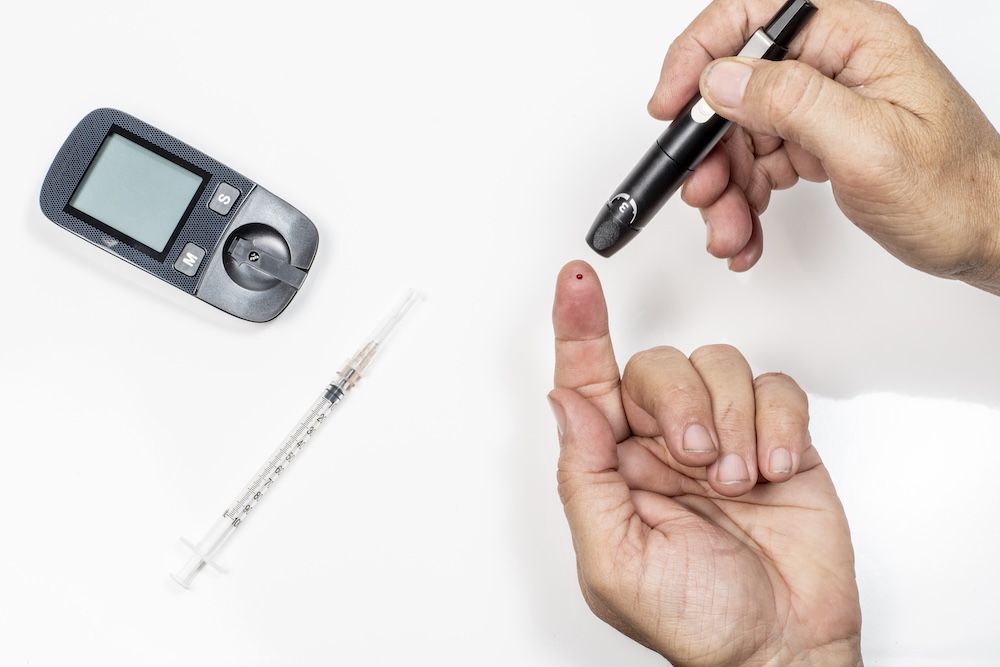
Type 2 diabetes is rising among women in their 20s in England, with experts warning of a worrying increase since the Covid pandemic.
The rise has largely occurred since the pandemic and is closely linked to increasing obesity levels, according to an analysis of NHS data from 2011 to 2024.
The condition is serious and can lead to severe complications, including heart attacks and strokes.
Diabetes UK said it tends to be more aggressive when it develops at a younger age, raising the risk of serious complications and shorter lives.
The charity said early diagnosis is vital for people at risk to help prevent long-term organ damage.
The condition can sometimes be put into remission through healthy eating and maintaining a healthy weight, without relying on glucose-lowering medicines.
Researchers said newer obesity treatments, including GLP-1 injections and pills, may also help alongside healthy eating advice.
About 90 per cent of the six million people living with diabetes in the UK have type 2 rather than type 1, or insulin-dependent, diabetes.
The risk increases with age, and older adults still account for the largest proportion of new diagnoses.
However, NHS England estimates suggest that 12,000 people under 30 are now living with the condition, with women making up more of the younger cases.
Common symptoms include feeling very tired, urinating more often than usual and feeling thirsty all the time.
Researchers at Imperial College London analysed NHS data from the English National Diabetes Audit to examine trends over time.
The figures showed that cases are falling slightly among older adults, who still account for the largest share of new diagnoses.
However, diagnoses are increasing rapidly among people under 40, with some of the sharpest rises among women aged 20 to 29.
Body mass index at diagnosis has also been rising more quickly among younger adults than in older age groups, pointing to obesity as a likely factor.
Body mass index, or BMI, is a measure of obesity based on a person’s height and weight.
Separate NHS data for England shows obesity rates have worsened since the pandemic, with nearly one in three people now affected.
The largest increases over time have been among younger adults.
Between 2019 and 2025, new obesity cases rose by 16 per cent among people aged 20 to 29 and by almost 20 per cent among those aged 30 to 39.
Rates fell among adults aged 60 to 79 over the same period.
Lead researcher Dr Shivani Misra said: “We think that the earlier onset of severe obesity in young people is increasing their type 2 diabetes risk in early life and pulling down their age at diagnosis.
“This is really worrying given the poor health outcomes from early-onset type 2 diabetes.”
Misra said much of the discussion about rising rates among younger people had focused on ethnic minority groups, which have traditionally been considered at higher risk.
However, the new data suggests the trend extends well beyond those communities.
She added: “We now see that incidence is also increasing in white populations too, showing that this public health challenge is broadening across the generations.”
Diabetes UK said better follow-up care is also needed for mums-to-be diagnosed with gestational diabetes during pregnancy because it raises the risk of developing type 2 diabetes after childbirth.
Some studies have suggested that the risk of developing the condition may also increase after being ill with Covid, although the evidence remains inconclusive.

AstraZeneca’s breast cancer drug Etcamah has been approved in the EU as part of a combination treatment for advanced disease.
The European Commission acted on a positive opinion from the Committee for Medicinal Products for Human Use, the Cambridge, England-based drug maker said.
The decision followed positive results from the Serena-6 phase III trial, which showed a 56 per cent reduction in the risk of disease progression in advanced oestrogen receptor-positive breast cancer.
A phase III trial is a large, late-stage study used to assess a treatment’s safety and effectiveness before wider regulatory approval.
Oestrogen receptor-positive breast cancer is a form of the disease that can grow in response to the hormone oestrogen.
Etcamah, whose generic name is camizestrant, was tested in combination with a cyclin-dependent kinase 4/6 inhibitor.
Known as CDK4/6 inhibitors, these medicines block proteins that help cancer cells grow and divide.
AstraZeneca said the Etcamah combination has also been approved in Japan, the UAE and Saudi Arabia based on the Serena-6 trial results.
The company said breast cancer remains the leading cause of cancer death among women in Europe, with more than 140,000 deaths and more than 540,000 patients diagnosed in 2024.
AstraZeneca shares were down 0.6 per cent at 12,628 pence in London on Thursday.












 News1 week ago
New menopause drug approved for use by NHS in Scotland

 Wellness1 week ago
Stardust period tracker shares health data, study reveals

 News4 days ago
Zero Candida market set to reach over US$2 billion by 2030 – report

 News1 week ago
Women’s health draws record $1.55bn in equity as capital spreads beyond the mega-rounds

 Insight2 weeks ago
Softening ovaries could extend fertility as women age, study suggests

 Entrepreneur1 week ago
Onto Health acquires diagnostics software company Levy Health

 News1 week ago
Congress urged to invest over $20bn to close women’s health gap

 Menopause1 week ago
Many women still confused about perimenopause, research finds