



Ageing
FDA plans to revise black box warning on menopause hormone therapies


The US Food and Drug Administration (FDA) plans to update the black box warning on menopause hormone therapies soon, commissioner Dr Martin Makary has said.
The move follows years of debate over safety alerts that have limited access to treatment for millions of women with menopause symptoms.
“We are in serious discussions now about what to do about the black box warning, and I think you’ll hear something on it very soon,” Makary told CNN’s Dr Sanjay Gupta on the Chasing Life podcast.

The black box warning – the FDA’s strongest safety alert – has appeared on oestrogen-containing menopause treatments since 2003, including pills, patches, sprays and creams.
It warns that their use can increase the risk of uterine and breast cancers, strokes, blood clots and dementia in women over 65.
The label was added after a large government-funded study found that women taking oestrogen pills after menopause had higher risks for certain cancers, heart disease and stroke compared with those given a placebo.
The participants had an average age of 63, meaning many were already past menopause when they began therapy.
After the study and label change, prescriptions for hormone replacement therapy (HRT) dropped by more than 70 per cent, and many doctors became reluctant to prescribe them.
“It’s really a tragedy. It’s maybe one of the greatest screw-ups of modern medicine,” Makary said.
“It’s resulted in 50 million women being denied this incredible therapy.”
The result has been undertreatment of symptoms that can be debilitating for women in midlife.
In the late 1990s, more than one in four postmenopausal women took hormones to manage symptoms such as hot flushes (sudden sensations of heat), mood swings and night sweats.
By 2020, that figure had dropped to about one in 25.
Newer analyses of the original Women’s Health Initiative data have since found that hormone therapy started in women under 60, or within 10 years of starting menopause, may safely help manage symptoms such as hot flushes and poor sleep, provided they do not have specific contraindications such as a history of hormone-sensitive breast or uterine cancer.
Makary said HRT may also have benefits including reducing bone loss, lowering heart disease risk and helping preserve memory.
“Women live longer and feel better on hormone replacement therapy when started before age 60,” Makary told Gupta.
The potential change follows a July meeting of experts convened by the FDA to discuss the benefits and risks of hormone replacement therapy.
The panellists urged the agency to remove the warning label.
“I am begging the FDA, and all of us are begging, please remove the box label,” said Dr JoAnn Pinkerton, professor of obstetrics and gynaecology at the University of Virginia School of Medicine.
“And please stop harming women.”
Some women’s health experts say the FDA overstepped when it applied the boxed warning to all forms of oestrogen replacement.
“That is a real mistake,” said Dr JoAnn Manson, professor at Harvard Medical School and one of the principal investigators of the Women’s Health Initiative study.
Some forms do not raise oestrogen levels in the blood, so they are unlikely to increase cancer risk.
For example, studies have found that low doses of oestrogen delivered by vaginal tablets, creams or rings can safely treat symptoms of dryness, painful sex and urinary tract infections in postmenopausal women, Manson said.
However, the black box warning may still deter women from using them.
“It scares them away. And even after they purchase the product, they just don’t take it,” Manson said.
“This is really where women are being tremendously undertreated and are suffering unnecessarily due to a boxed warning that is just class labelling.
“All hormone therapy products get exactly the same boxed warning, and it is really harming women,” said Manson, who is chief of the Division of Preventive Medicine at Brigham and Women’s Hospital.
Manson said it would also be reasonable for the FDA to consider removing the warnings from oestrogen-containing therapies delivered through the skin in patches, sprays or creams to relieve menopause symptoms such as hot flushes and night sweats.
These deliver hormones into the bloodstream, but observational studies suggest they have a more favourable balance of risks and benefits than pills.
She was less certain about removing the boxed warning from oestrogen-containing pills taken by mouth.
“I think that’s where it’s evidence-based and justified,” she said.
A 2022 review by the US Preventive Services Task Force concluded that, in women past menopause, there was no net benefit to taking either oestrogen alone – prescribed for women who have had their uterus removed – or a combination of oestrogen and progestin – typically prescribed for women who still have their uterus – to prevent chronic conditions such as heart disease and dementia.
What remains unclear is whether women who start hormone therapy during perimenopause (the transition before menopause) need to stay on it long-term to gain potential heart, brain and bone benefits.
“It’s a very good question,” said Dr Roberta Diaz Brinton, a neuroscientist who studies oestrogen’s effects on the brain at the University of Arizona.
“We need to answer that.”
Other experts say there is still not enough scientific evidence to support long-term use of hormones to prevent heart disease, Alzheimer’s disease or osteoporosis.
Four medical societies – the American College of Obstetricians and Gynecologists, the Menopause Society, the Endocrine Society and the American Association of Clinical Endocrinology – support the use of hormones to relieve menopausal symptoms but do not recommend continued use to prevent chronic conditions such as heart disease.
Dr Leslie Cho, who runs Cleveland Clinic’s women’s cardiovascular centre, said she supports lifting the warning from vaginal oestrogen cream.
“It’s never made sense on the cream,” she said.
But Cho warned that some of the proposed benefits are based on after-the-fact analyses of studies that were not designed to measure them.
“I’m so glad to hear the FDA chair talk about this, because then, if that’s the case, they should do a study.
“They should fund a study,” she said.
With the rise of online hormone prescriptions, Cho warned that some women could start taking hormones despite having risk factors such as high blood pressure, obesity or high cholesterol, which could outweigh potential benefits.
Even in younger women, studies show that hormones may increase the risk of blood clots.
“Women have to talk to their physicians about hormone replacement therapy before they believe in all the hype that’s currently ongoing, because so much of it is hype,” she said.














Older women with both insomnia and sleep apnoea show worse verbal memory than those with sleep apnoea alone, a new study has found.
The research revealed that older adults with comorbid insomnia and sleep apnoea, often referred to as COMISA, demonstrated worse memory performance than those with sleep apnoea alone. Sleep apnoea is a condition where breathing repeatedly stops and starts during sleep.
However, when analysed by sex, the association was only significant in women, not men.

The study, conducted by researchers at UC San Diego School of Medicine, involved 110 older adults aged 65 to 83 diagnosed with obstructive sleep apnoea.
Participants completed an overnight sleep study and cognitive testing. COMISA was present in 37 per cent of participants.
Lead author Breanna Holloway, a postdoctoral researcher at UC San Diego School of Medicine, said: “We expected that having both insomnia and sleep apnoea would worsen memory for everyone, but only older women showed this vulnerability.
“That was striking, especially because women typically outperform men on verbal memory tasks.
“The fact that COMISA seemed to offset that advantage hints at a hidden sleep-related pathway to cognitive decline in women.
“Prior studies have shown increased incidence of Alzheimer’s disease in women with untreated sleep apnoea.”
The researchers suggest sex differences in sleep architecture may explain the vulnerability observed in women.
Post hoc analyses revealed that women with COMISA had reduced rapid eye movement (REM) sleep, the stage associated with dreaming and memory consolidation, and more slow wave (deep) sleep compared with men.
Holloway said: “These results point to an overlooked risk in women with both insomnia and sleep apnoea.”
“Because women are more likely to have insomnia and often go undiagnosed for sleep apnoea, recognising and treating COMISA early could help protect memory and reduce dementia risk.”
The researchers noted that the findings support sex-specific screening and treatment strategies.
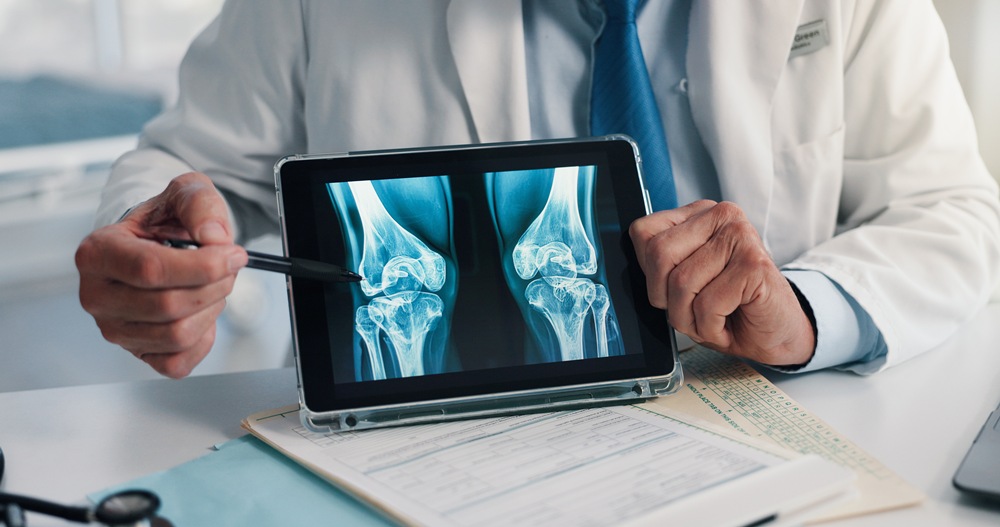
One of the largest MRI studies comparing knee injuries by sex has found age-related differences in patterns.
The findings could be used to improve risk assessment and develop early intervention strategies.
Researchers analysed 13,549 consecutive routine knee MRI exams performed between 2019 and 2024 at four outpatient radiology facilities affiliated with Johns Hopkins Hospital in the US. All patients reported knee pain as their primary complaint.

The team extracted data on tears and injuries to key structures including the menisci, C-shaped cartilage that cushions the joint, and the anterior cruciate ligament (ACL), a major ligament that stabilises the knee during twisting, jumping and sudden direction changes.
Analysis revealed that ACL tears, both alone and combined with meniscal tears, were observed more frequently in men than women.
Ali Ghasemi, postdoctoral research fellow at Johns Hopkins, said: “We saw more ACL tears in men especially in the 20- to 40-year-old age group, which is contrary to what’s been reported in the literature.
“Prior studies focused on sports-related injuries have shown that young women athletes have increased rates of and a greater risk for ACL tears.
“However, our results show a significantly higher prevalence of ACL injuries in male patients across all age groups.”
Men had a greater number of injuries overall.
However, the researchers found that meniscal tears and injuries to the medial collateral ligament (MCL), which stabilises the inner knee, occurred more frequently in men under 40 but were more common in older women.
Ghasemi said: “In younger patients, meniscal and MCL tears were more commonly seen in men, while in older patients, women had more of these types of tears than men, which was unexpected.”
The findings suggest older women are more prone to injuries that lead to joint degeneration over time.
Study co-author Jenifer Pitman, assistant professor of radiology at Johns Hopkins Medical Institute, theorised the discrepancy between their findings and previous research may be due to broadening the focus beyond sports-related injuries.
She said: “The pre-established notion that ACL tears are more common in younger women may not be the case 100 per cent of the time.
“Radiologists can also expect to see more frequent meniscal pathology and arthritis in older women.”
Pitman advised that women over 40 should pay attention to joint health and consider strength training to protect their knees.

Just one in five women with breast or cervical cancer in low- and middle-income countries are diagnosed early, compared with more than one in three in wealthier nations.
The analysis of data from more than 275,000 women across 39 countries shows stark inequalities in cancer detection and treatment between high-income countries (HICs) and low- and middle-income countries (LMICs).
For ovarian cancer, early-stage diagnosis rates remained below 20 per cent worldwide, with women in LMICs faring slightly worse overall.

The study, led by the Cancer Survival Group at the London School of Hygiene & Tropical Medicine as part of the VENUSCANCER project, examined breast, cervical and ovarian cancers diagnosed between 2015 and 2018.
Early detection for breast and cervical cancers reached 40 per cent or higher in HICs but dropped below 20 per cent in most LMICs, except in Cuba (30 per cent for breast) and Russia (36 per cent for cervix and 27 per cent for ovary).
Metastatic breast cancer – where the disease spreads from its original site – made up less than 10 per cent of cases in most HICs but ranged from 2 to 44 per cent in LMICs.
Ovarian cancer was mostly detected at advanced stages globally. Often called the “silent killer”, it can cause vague symptoms such as abdominal pain or bloating, meaning it often goes unnoticed for long periods.
Treatment patterns also varied widely. Surgery was offered to 78 per cent of women in HICs compared with 56 per cent in LMICs. Initial treatment for early-stage tumours was more likely to follow clinical guidelines for cervical and ovarian cancers than for breast cancer.
Across most European countries, women with early-stage breast cancer received breast-conserving surgery plus radiotherapy in 67 to 78 per cent of cases. Rates were lower in Canada (60 per cent) and the US (53 per cent). In LMICs, between 30 and 70 per cent of women with early-stage breast cancer underwent mastectomy – full breast removal – though this procedure was also common in Canada, the US, Estonia, the Netherlands and Portugal.
Researchers say the high mastectomy rates in LMICs are mainly due to a lack of radiotherapy facilities and surgeons trained in breast-conserving techniques. Other factors include personal choice and systemic barriers, such as beliefs among some older women in Thailand that mastectomy offers better cure rates, and US insurance policies that may not cover radiotherapy.
Older women were less likely to receive treatment in line with clinical guidelines than younger women across all three cancer types in both HICs and LMICs. In most LMICs, patients also faced longer waits for surgery after diagnosis.
“This study was a major undertaking, creating the largest and most detailed global population-based database for three of the most common cancers in women to date, including data on stage, staging procedures, treatment and biomarkers,” said Professor Claudia Allemani, professor of global public health at LSHTM and lead author.
“VENUSCANCER offers the first real-world picture of care patterns and consistency with clinical guidelines on a global scale. Treatment that aligns with international standards still varies widely, but it’s encouraging that when women are diagnosed early, prompt access to optimal care has improved in most countries. The challenge remains that far too few women are diagnosed early enough, particularly in low- and middle-income countries.”
Professor Allemani called for continued global efforts to strengthen early detection and ensure access to full treatment options, including more radiotherapy facilities and specially trained cancer surgeons in LMICs.
“Evidence from this study should help to inform global policy on cancer control, such as WHO’s Global Breast Cancer Initiative and the Cervical Cancer Elimination Initiative,” she added.
Dr Veronica Di Carlo, research fellow in the Cancer Survival Group at LSHTM and co-author, said: “We found there was variation in how countries followed international clinical guidelines.
“This suggests more work is needed to adapt recommendations to local realities, simplify them, and ensure they are available in local languages.
“Women everywhere should be able to discuss treatment choices with their doctors knowing that they can access the best available care in line with recommended standards.”
The research was funded through a European Research Council Consolidator Grant.











-

 News3 weeks ago
Opinion: Not ‘just stress’ – How hormonal changes affect women’s brain function
-

 Hormonal health4 weeks ago
Top 7 drug-free solutions for managing PMS and PMDD in in 2025
-

 Diagnosis3 weeks ago
Researchers develop nasal therapeutic HPV vaccine
-

 Diagnosis3 weeks ago
Woman files lawsuit claiming fertility clinic ‘bootcamp’ caused her stroke
-

 News4 weeks ago
YON E Health raises €250k for its vaginal health device
-

 Wellness4 weeks ago
Researchers achieve first pregnancy using AI to recover sperm in infertile men
-

 Opinion1 week ago
Doctors push back on ‘data-free’ ruling on menopause hormone therapy
-

 Menopause3 weeks ago
Sleep-related disorders linked to hypertension in postmenopausal women