




Insight
The missing layer in the women’s health conversation

By Jenny Duan, co-founder of Clair Health
In the lead up to International Women’s Day 2026, women’s health leaders, experts and insiders explore the critical challenges shaping the future of women’s health

“When was your last period?”
For many women, that’s the first, and often only, hormone-related question asked during a doctor’s visit.
A complex system that influences everything from sleep quality to pain sensitivity is reduced to a singular data point: a date.
This simplification reflects a medical system shaped by decades of a lack of research in women’s health, where cyclical information was treated as a confounding factor, rather than a foundational pillar of health.
In fact, until 1993, the National Institutes of Health did not require women to be included in clinical trials.
Because of this, diagnostic frameworks were built to recognise the steady baselines of male physiology, leaving hormone-driven symptoms disregarded, and ultimately misunderstood.
I witnessed this first-hand in high school, when I volunteered at Rose Haven, a nonprofit for women and children experiencing homelessness and domestic violence.
Many of the women I worked with described debilitating symptoms, yet were met with dismissal from healthcare providers.
Without quantitative data to validate it, their symptoms were minimised.
This was the first time I understood that what cannot be measured is not taken seriously, even when someone is sitting in front of you telling you that they feel something is wrong.
The women at Rose Haven weren’t the only ones who experienced this dismissal.
Nearly 70 per cent of women with polycystic ovary syndrome (PCOS) remain undiagnosed. The average time to diagnose endometriosis is seven years.
Even cardiovascular disease, the leading cause of death among women, is more frequently misdiagnosed because symptom checklists were originally developed using male data.
These are the patterns that emerge when hormones are ignored, and while awareness has increased, many of the insight solutions available today remain outdated.
When it comes to getting hormones measured, the process lacks efficiency, accessibility, and even accuracy.
Blood tests provide a single snapshot in time, both expensive and invasive, and ultimately disconnected from daily experience.
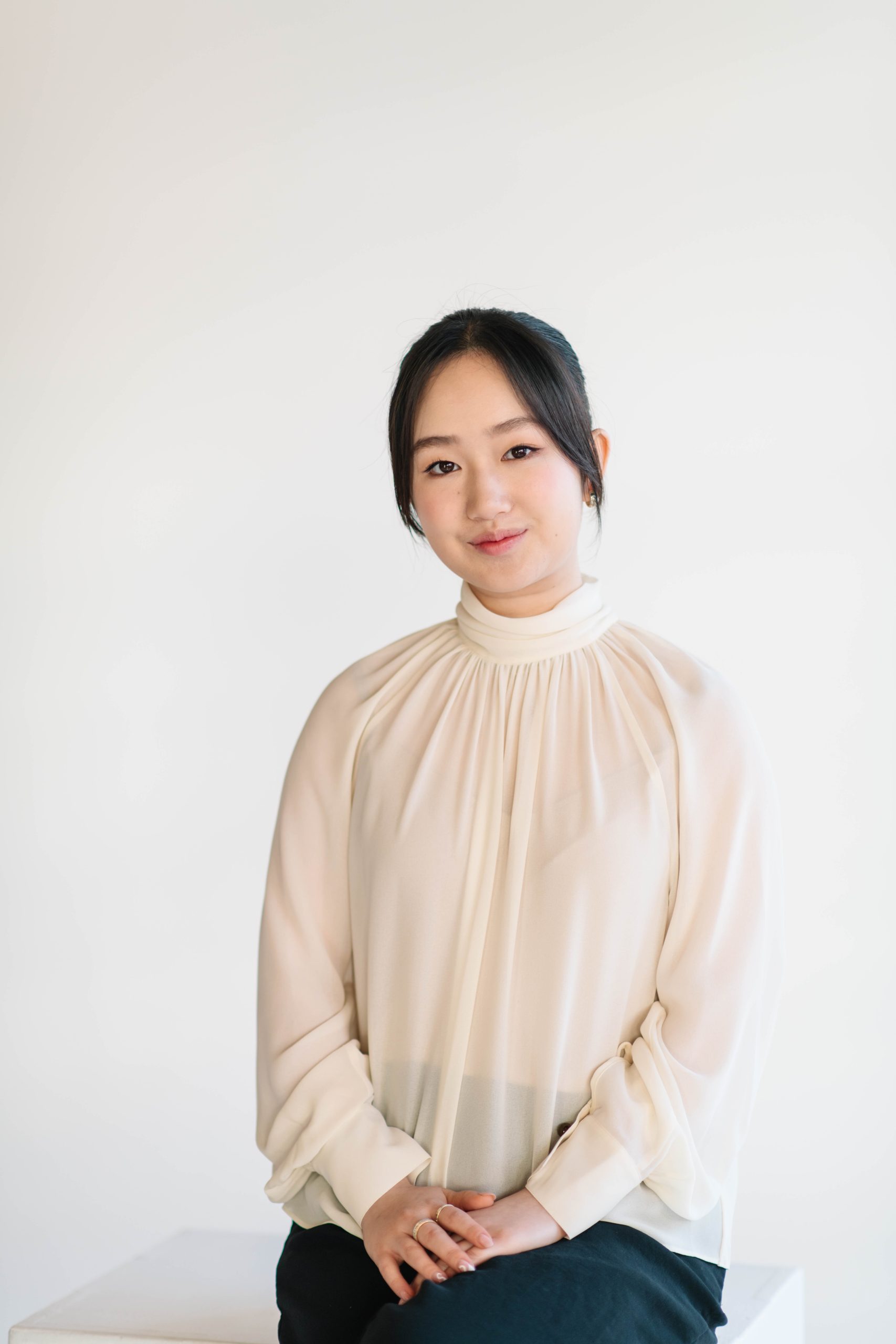
Jenny Duan
Ovulation strips require precise timing and daily interpretation, confirming a surge only as it’s happening, and basal body temperature tracking tells you ovulation has already occurred.
Although more recently developed, calendar-based apps still rely on population averages, assuming 28-day cycle regularity when nearly one in three women experience irregular cycles.
Each method is either reactive or fragmented, again attempting to simplify dynamic and individualised patterns.
The opportunity in femtech today is to build systems that embrace and interpret that complexity rather than reduce it to one hormone level from three days prior.
With continuous data collection and smarter analytical models, we can begin to see hormonal patterns as they unfold in real time.
Hormone health is the missing layer in the women’s health conversation, and for decades, women have navigated their health without the tools to help them understand it.
The idea for Clair Health came from that realisation.
At Stanford, I met my co-founder, Abhinav Agarwal, and we bonded over a shared thought that healthcare innovation, especially wearable health technology, had not been built with women in mind.
Devices had been collecting heart rate, temperature, HRV, and sleep data for years, but no one had built the algorithms to translate those signals into hormonal insight.
Clair was created to change that, continuously monitoring hormones to give women a personalized understanding of their hormone health, and how the state of their hormones influences everyday well-being.
Clair is grounded in the belief that women should not have to guess when it comes to their health.
By translating continuous physiological signals into individualised patterns over time, the goal is to make hormone health more interpretable and ultimately let women understand their overall health by taking information into their own hands.
When women have access to longitudinal insight, symptoms become contextualised within patterns, and care can move from reactive to preventative.
Femtech is entering a period of acceleration as technology advances and research gaps begin to close.
The next chapter of this industry must build the infrastructure that reflects women’s unique biology.
Clair won’t force healthcare providers to ask better questions, but it will equip women with the data to back up their symptoms when they walk into the room.
When this information becomes accessible through innovations in this space, women begin to have a long-overdue and deeper understanding of their health.









Condé Nast will close its women’s health publication Self after 47 years, with unprofitable editions of Glamour and Wired also set to shut.
In a memo published on the magazine giant’s website on Thursday, the media company’s chief executive, Roger Lynch, said: “As audience behaviours shift, we have not seen a path for Self to continue in its current form as a digital publication.”
“Going forward, health and wellness content will be integrated into our other brands, including Allure and Glamour,” Lynch said, referring to Condé Nast’s other beauty and wellness titles.

Self, which moved to an online-only format in 2017, still reaches more than 20m people each month.
The publication has also earned significant recognition over the years, including a National Magazine award and a Webby’s People’s Voice award.
The closure is part of a wider set of operational changes across the company. Lynch also announced the end of Wired’s Italy edition, noting that while the brand “remains a strong global brand, the Italian edition has not kept pace with growth in our other markets”.
Condé Nast will also wind down Glamour’s publishing operations in Germany, Spain and Mexico.
Lynch said: “Taken together, Wired in Italy, Self and the affected Glamour markets represent a little over 1 per cent of our overall revenue.
“They also remain unprofitable, and continuing to operate them in their current form limits our ability to invest in the ideas and areas that will drive future growth.”
Beyond editorial changes, the company is also restructuring internally to adapt to technological shifts.
Lynch said Condé Nast would make “changes within our technology organisation, reflecting the rapid advancement of AI and its impact on our ability to innovate and build products faster”, adding: “Teams will be restructured to be more agile and to work more closely with our brands and customers, reducing barriers to execution.”
The latest moves follow a series of transformations at Condé Nast in recent years.
Glamour ended its print edition in 2018, followed by Allure moving to a digital-only format in 2022.
In 2024, music publication Pitchfork was folded into GQ, the company’s men’s style magazine.
More recently, last November, Vogue, one of Condé Nast’s key revenue drivers, announced it would absorb Teen Vogue to create a more “unified reader experience across titles”.
The media industry has been shrinking steadily over the years.
From 2010 to 2017, the industry lost an average of 7,305 jobs annually, according to data from Challenger, Gray & Christmas published in December 2025.
Since 2018, the average number of job cuts in the industry has risen to 14,298 a year.
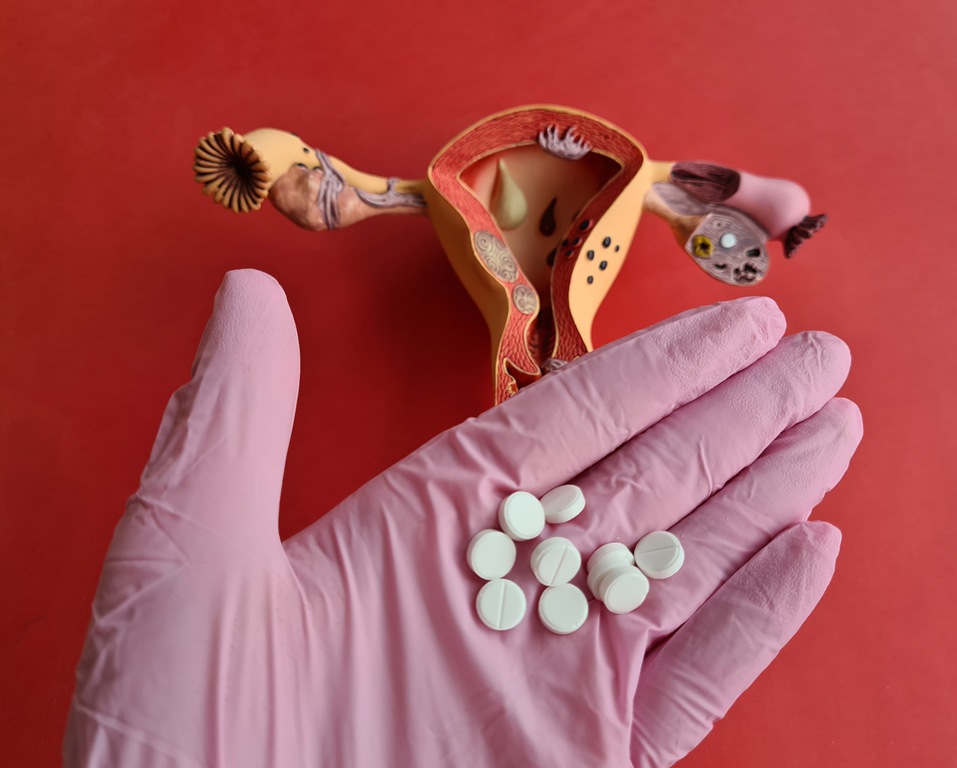
GSK said its ovarian cancer drug shrank or cleared tumours in more than 60 per cent of patients in an early trial as CCO Luke Miels pushes faster development.
The company said that in an early-stage trial, Mocertatug Rezetecan, known as Mo-Rez, shrank or eliminated tumours in 62 per cent of patients with ovarian cancer after chemotherapy had failed, and in 67 per cent of those with endometrial cancer.
Hesham Abdullah, GSK’s global head of cancer research and development, said: “Treatment of gynaecological cancers remains a major challenge, with a pressing need for new therapies that offer improved response rates.
“With Mo-Rez we now have compelling evidence of a promising clinical profile.”
GSK acquired the Mo-Rez treatment, an antibody-drug conjugate, from China’s Hansoh Pharma in late 2023 and has trialled it in 224 patients around the world, including the UK, over the past year.
Only a few patients needed to stop treatment because of side effects, the most common being nausea.
It is given every three weeks by intravenous infusion, meaning directly into a vein.
Combined with data from a separate intermediate trial in China, the results have given the British drugmaker the confidence to go straight to late-stage trials, with five clinical studies planned globally in the next few months, including on patients in the UK.
Speaking to journalists before the conference, Abdullah described Mo-Rez as a “key asset” in the company’s growing cancer portfolio.
It is expected to be a blockbuster drug, with peak annual sales of more than £2bn, which GSK hopes will help it achieve its 2031 sales target of £40bn.
A few years ago GSK did not have any cancer drugs on the market, but it now has four approved medicines and 13 in clinical development.
Last year, oncology generated nearly £2bn in sales, up 43 per cent from 2024, with sales of its endometrial cancer drug Jemperli rising 89 per cent.

Self-employment is linked to lower rates of high blood pressure, obesity, diabetes, poor health and binge drinking in Hispanic women, research suggests.
The findings, published in the peer-reviewed journal Ethnicity & Disease, suggest work structure may be related to cardiovascular disease risk among this group.

Dr Kimberly Narain is assistant professor of medicine in the division of general internal medicine and health services research at the David Geffen School of Medicine at UCLA, senior author of the study, and director of health services and health optimisation research for the Iris Cantor-UCLA Women’s Health Center.
She said: “Hispanic women experience a disproportionate burden of heart disease compared to non-Hispanic women. This is the first study to link the structure of work with risks for heart disease among this group of women.”
The researchers examined 2003 to 2022 data from the Behavioral Risk Factor Surveillance System to assess the association between self-employment, cardiovascular disease risk factors and health outcomes for Hispanic women.
The data included 165,600 Hispanic working women. Of those, about 21,000, or 13 per cent, were self-employed rather than working for wages or a salary.
Overall, the researchers found that self-employed women were less likely to report cardiovascular-disease-associated health problems.
They were also about 11 per cent more likely to report exercising compared with their non-self-employed counterparts.
Specifically, they found that self-employed Hispanic women had a 1.7 percentage point lower chance of reporting diabetes, roughly a 23 per cent decline.
They also had a 3.3 percentage point lower chance of reporting hypertension, roughly a 17 per cent decline.
The study also found a 5.9 percentage point lower chance of reporting obesity, roughly a 15 per cent decline.
It found a 2.0 percentage point lower chance of reporting binge drinking, roughly a 2 per cent decline.
It also found a 2.5 percentage point lower chance of reporting poor or fair overall health, roughly a 13 per cent decline.
The relationship between heart disease risks and the structure of work among Hispanic women was not driven by access to healthcare or differences in income, Narain said.
In fact, the decrease in high blood pressure linked to self-employment was nearly as large as the decrease in high blood pressure linked to being in the highest income group.
The study has some limitations.
The researchers relied on self-reported outcomes, which might be less reliable among ethnic and racial minorities and those from a lower socioeconomic background.
In addition, the researchers’ definition of poor mental health does not entirely match the accepted definition in the fifth edition of the Diagnostic and Statistical Manual of Mental Disorders.
They also did not have data allowing them to examine the specific types of occupations held by the women.
The study design also cannot prove any causal relationship between self-employment and cardiovascular disease risk, which is a subject the researchers will explore.
“The next step in the research is to conduct studies that are able to better assess if the structure of work is a cause of higher heart disease risks among Hispanic women.”
Narain said this.
Study co-authors are Lisette Collins, who led the research, and Dr Frederick Ferguson of UCLA.
Grants from the Iris Cantor-UCLA Women’s Health Center-Leichtman-Levine-TEM program and the UCLA National Clinician Scholars Program supported the research.











 Entrepreneur3 weeks ago
Three sessions that show exactly where women’s health is heading in 2026

 Entrepreneur1 day ago
Future Fertility raises Series A financing to scale AI tools redefining fertility care worldwide

 Pregnancy3 weeks ago
How NIPT has evolved and what AI NIPT means in 2026

 Hormonal health4 weeks ago
Watchdog bans five ads for women’s heath claims

 News3 weeks ago
Two weeks left to make your mark in women’s cardiovascular health

 Opinion4 weeks ago
Q1 momentum: Female founders are advancing, but the system still hasn’t caught up

 News4 weeks ago
Endometriosis firm wins NIH prize

 Menopause1 week ago
More research needed to understand link between brain fog and menopause, expert says
Pingback: amoxicillin clavulanate
Pingback: fluconazole 200 mg tablet
Pingback: medication metoprolol
Pingback: mobic meloxicam for back pain
Pingback: doxycycline monohydrate 100mg
Pingback: lasix generico
Pingback: cenforce 200mg india price