




Researcher / academic

Researchers have created a therapeutic HPV vaccine delivered through the nose that could offer a non-invasive treatment for cervical cancer. Screening for HPV and preventive vaccines lower risk, but there are no approved therapies for existing HPV infections or HPV-linked cancers. Current treatments include surgery, radiotherapy and chemotherapy. Researchers from Chiba University, Japan, [...]

Women with intellectual disabilities could receive added monitoring for breast cancer with the development of a smart textiles bra by researchers at Nottingham Trent University (NTU) and the University of Glasgow (UofG). Funded by Cancer Research UK, a team of scientists and designers are developing an electronic textile which would fit inside a bra and [...]
Researchers have reported the first successful pregnancy using an AI-guided sperm recovery method in infertile men with azoospermia, a condition where ejaculate contains little or no sperm. The case involved a man who had spent nearly 20 years trying to start a family, undergoing multiple IVF cycles, manual sperm searches and two surgical procedures. Male [...]

Students are still struggling to access free period products in schools despite a government scheme designed to tackle period poverty, new research shows. A study involving 77 teenagers in schools and colleges across Yorkshire found that while pupils welcomed the scheme, many faced barriers such as products being locked away, stored far from classrooms, or [...]
Just one in five women with breast or cervical cancer in low- and middle-income countries are diagnosed early, compared with more than one in three in wealthier nations. The analysis of data from more than 275,000 women across 39 countries shows stark inequalities in cancer detection and treatment between high-income countries (HICs) and low- and [...]

Women with an early precursor to Parkinson’s disease show much less brain shrinkage than men, despite similar disease severity, new research shows. The discovery could help scientists explore how hormones might one day be used to treat the neurodegenerative condition. The findings are based on data from nearly 700 participants across nine international research centres. [...]

Women who breastfeed develop protective immune cells that help guard against breast cancer, with effects lasting for more than 30 years, new research shows. The study found that specialised T-cells — immune cells that fight disease — remain in breast tissue long after pregnancy and provide lasting protection, particularly against triple-negative breast cancer, one of [...]
Scientists have developed a powerful new approach to detecting endometriosis which could transform how the disease is researched, diagnosed and treated. In a world-first clinical study, scientists tested a pioneering diagnostic process which involves directly isolating menstrual blood-derived stem cells (MenSCs) from menstrual blood samples for analysis, rather than analysing cultured cells. Scientists believe MenSCs [...]
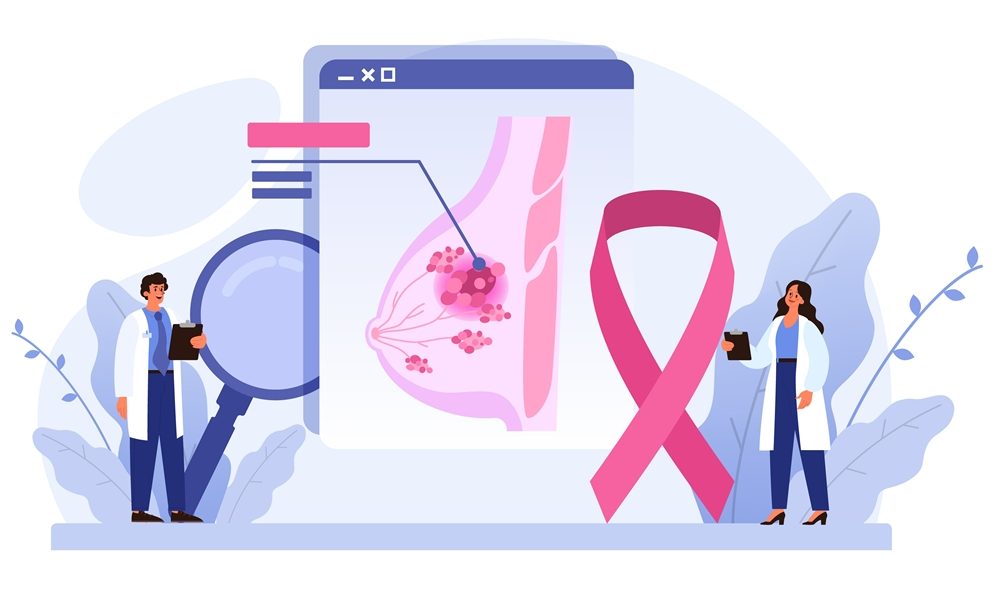
Whole genome sequencing could identify unique genetic features to guide treatment for more than 15,000 breast cancer patients each year in the UK, new research suggests. The technique, which analyses DNA from both patient and tumour to identify genetic changes, helps reveal what drives each cancer and highlights potential treatment targets or resistance. Scientists at [...]
Researchers have created human eggs from skin cells, in a breakthrough that could transform IVF treatment for couples who have no other options. The work remains at an early stage, but if scientists can refine the process it could allow women who are infertile due to age, illness or medical treatment to have genetically related [...]
Newsletter
Sign up for free weekly updates
The latest femtech news, research and investment, straight to your inbox.




