




News
Few women in low- and middle-income countries receive early cancer diagnosis


Just one in five women with breast or cervical cancer in low- and middle-income countries are diagnosed early, compared with more than one in three in wealthier nations.
The analysis of data from more than 275,000 women across 39 countries shows stark inequalities in cancer detection and treatment between high-income countries (HICs) and low- and middle-income countries (LMICs).
For ovarian cancer, early-stage diagnosis rates remained below 20 per cent worldwide, with women in LMICs faring slightly worse overall.

The study, led by the Cancer Survival Group at the London School of Hygiene & Tropical Medicine as part of the VENUSCANCER project, examined breast, cervical and ovarian cancers diagnosed between 2015 and 2018.
Early detection for breast and cervical cancers reached 40 per cent or higher in HICs but dropped below 20 per cent in most LMICs, except in Cuba (30 per cent for breast) and Russia (36 per cent for cervix and 27 per cent for ovary).
Metastatic breast cancer – where the disease spreads from its original site – made up less than 10 per cent of cases in most HICs but ranged from 2 to 44 per cent in LMICs.
Ovarian cancer was mostly detected at advanced stages globally. Often called the “silent killer”, it can cause vague symptoms such as abdominal pain or bloating, meaning it often goes unnoticed for long periods.
Treatment patterns also varied widely. Surgery was offered to 78 per cent of women in HICs compared with 56 per cent in LMICs. Initial treatment for early-stage tumours was more likely to follow clinical guidelines for cervical and ovarian cancers than for breast cancer.
Across most European countries, women with early-stage breast cancer received breast-conserving surgery plus radiotherapy in 67 to 78 per cent of cases. Rates were lower in Canada (60 per cent) and the US (53 per cent). In LMICs, between 30 and 70 per cent of women with early-stage breast cancer underwent mastectomy – full breast removal – though this procedure was also common in Canada, the US, Estonia, the Netherlands and Portugal.
Researchers say the high mastectomy rates in LMICs are mainly due to a lack of radiotherapy facilities and surgeons trained in breast-conserving techniques. Other factors include personal choice and systemic barriers, such as beliefs among some older women in Thailand that mastectomy offers better cure rates, and US insurance policies that may not cover radiotherapy.
Older women were less likely to receive treatment in line with clinical guidelines than younger women across all three cancer types in both HICs and LMICs. In most LMICs, patients also faced longer waits for surgery after diagnosis.
“This study was a major undertaking, creating the largest and most detailed global population-based database for three of the most common cancers in women to date, including data on stage, staging procedures, treatment and biomarkers,” said Professor Claudia Allemani, professor of global public health at LSHTM and lead author.
“VENUSCANCER offers the first real-world picture of care patterns and consistency with clinical guidelines on a global scale. Treatment that aligns with international standards still varies widely, but it’s encouraging that when women are diagnosed early, prompt access to optimal care has improved in most countries. The challenge remains that far too few women are diagnosed early enough, particularly in low- and middle-income countries.”
Professor Allemani called for continued global efforts to strengthen early detection and ensure access to full treatment options, including more radiotherapy facilities and specially trained cancer surgeons in LMICs.
“Evidence from this study should help to inform global policy on cancer control, such as WHO’s Global Breast Cancer Initiative and the Cervical Cancer Elimination Initiative,” she added.
Dr Veronica Di Carlo, research fellow in the Cancer Survival Group at LSHTM and co-author, said: “We found there was variation in how countries followed international clinical guidelines.
“This suggests more work is needed to adapt recommendations to local realities, simplify them, and ensure they are available in local languages.
“Women everywhere should be able to discuss treatment choices with their doctors knowing that they can access the best available care in line with recommended standards.”
The research was funded through a European Research Council Consolidator Grant.












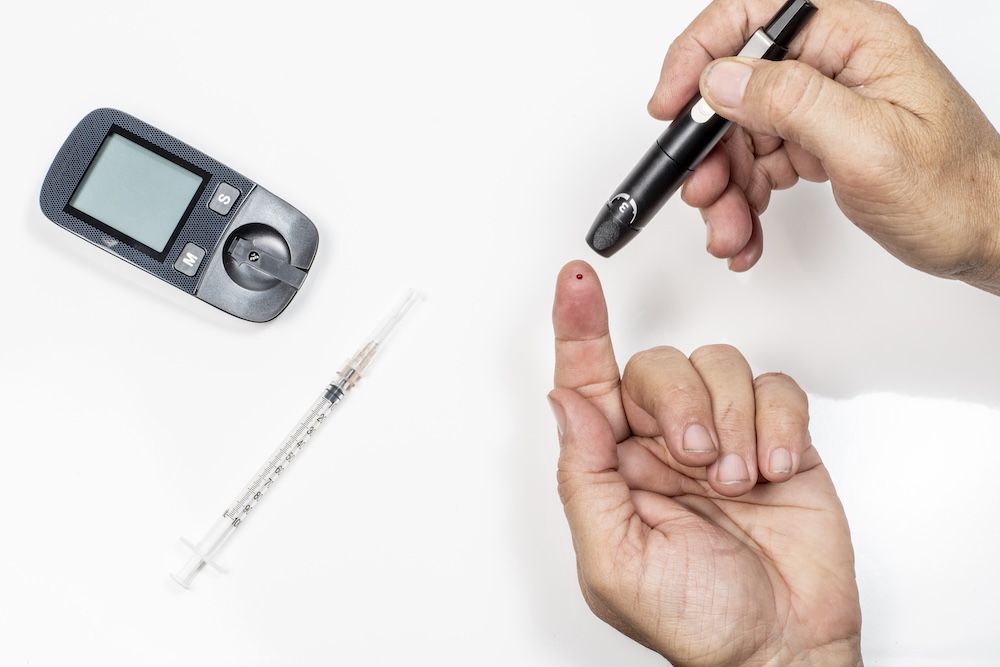
Type 2 diabetes is rising among women in their 20s in England, with experts warning of a worrying increase since the Covid pandemic.
The rise has largely occurred since the pandemic and is closely linked to increasing obesity levels, according to an analysis of NHS data from 2011 to 2024.
The condition is serious and can lead to severe complications, including heart attacks and strokes.

Diabetes UK said it tends to be more aggressive when it develops at a younger age, raising the risk of serious complications and shorter lives.
The charity said early diagnosis is vital for people at risk to help prevent long-term organ damage.
The condition can sometimes be put into remission through healthy eating and maintaining a healthy weight, without relying on glucose-lowering medicines.
Researchers said newer obesity treatments, including GLP-1 injections and pills, may also help alongside healthy eating advice.
About 90 per cent of the six million people living with diabetes in the UK have type 2 rather than type 1, or insulin-dependent, diabetes.
The risk increases with age, and older adults still account for the largest proportion of new diagnoses.
However, NHS England estimates suggest that 12,000 people under 30 are now living with the condition, with women making up more of the younger cases.
Common symptoms include feeling very tired, urinating more often than usual and feeling thirsty all the time.
Researchers at Imperial College London analysed NHS data from the English National Diabetes Audit to examine trends over time.
The figures showed that cases are falling slightly among older adults, who still account for the largest share of new diagnoses.
However, diagnoses are increasing rapidly among people under 40, with some of the sharpest rises among women aged 20 to 29.
Body mass index at diagnosis has also been rising more quickly among younger adults than in older age groups, pointing to obesity as a likely factor.
Body mass index, or BMI, is a measure of obesity based on a person’s height and weight.
Separate NHS data for England shows obesity rates have worsened since the pandemic, with nearly one in three people now affected.
The largest increases over time have been among younger adults.
Between 2019 and 2025, new obesity cases rose by 16 per cent among people aged 20 to 29 and by almost 20 per cent among those aged 30 to 39.
Rates fell among adults aged 60 to 79 over the same period.
Lead researcher Dr Shivani Misra said: “We think that the earlier onset of severe obesity in young people is increasing their type 2 diabetes risk in early life and pulling down their age at diagnosis.
“This is really worrying given the poor health outcomes from early-onset type 2 diabetes.”
Misra said much of the discussion about rising rates among younger people had focused on ethnic minority groups, which have traditionally been considered at higher risk.
However, the new data suggests the trend extends well beyond those communities.
She added: “We now see that incidence is also increasing in white populations too, showing that this public health challenge is broadening across the generations.”
Diabetes UK said better follow-up care is also needed for mums-to-be diagnosed with gestational diabetes during pregnancy because it raises the risk of developing type 2 diabetes after childbirth.
Some studies have suggested that the risk of developing the condition may also increase after being ill with Covid, although the evidence remains inconclusive.

AstraZeneca’s breast cancer drug Etcamah has been approved in the EU as part of a combination treatment for advanced disease.
The European Commission acted on a positive opinion from the Committee for Medicinal Products for Human Use, the Cambridge, England-based drug maker said.
The decision followed positive results from the Serena-6 phase III trial, which showed a 56 per cent reduction in the risk of disease progression in advanced oestrogen receptor-positive breast cancer.
A phase III trial is a large, late-stage study used to assess a treatment’s safety and effectiveness before wider regulatory approval.
Oestrogen receptor-positive breast cancer is a form of the disease that can grow in response to the hormone oestrogen.
Etcamah, whose generic name is camizestrant, was tested in combination with a cyclin-dependent kinase 4/6 inhibitor.
Known as CDK4/6 inhibitors, these medicines block proteins that help cancer cells grow and divide.
AstraZeneca said the Etcamah combination has also been approved in Japan, the UAE and Saudi Arabia based on the Serena-6 trial results.
The company said breast cancer remains the leading cause of cancer death among women in Europe, with more than 140,000 deaths and more than 540,000 patients diagnosed in 2024.
AstraZeneca shares were down 0.6 per cent at 12,628 pence in London on Thursday.
News
From Hologic to Ark Surgical: Why Joseph LaBruzzo is betting on the future of women’s surgical innovation

After more than two decades leading organisations at some of the world’s most respected medical device companies, including Hologic, SenoRx Breast Care, and BTL Industries, Joseph B. LaBruzzo is embarking on a new chapter as President & CEO of U.S. Operations and Board Member at Ark Surgical.
We sat down with Joseph to discuss what drew him to Ark Surgical, why he believes women’s surgical innovation is entering a transformative era, and what it takes to bring meaningful technologies from concept to standard of care.
You have held leadership positions at some of the biggest names in MedTech. What attracted you to Ark Surgical?
Throughout my career, I’ve been fortunate to work with organisations that developed technologies capable of changing the standard of care.
What attracted me to Ark Surgical is the opportunity to help address a meaningful unmet need in gynecologic surgery with an innovation that has the potential to improve patient outcomes while preserving the benefits of minimally invasive surgery.
Opportunities like that don’t come along very often.
FemTech World recently highlighted that many women remain unaware of gynecologic cancers and that unexpected diagnoses continue to have a profound impact on patients and families.
How has your own experience shaped the way you think about innovation in women’s health?
Earlier in my career, I witnessed many women receive life-changing cancer diagnoses.
Those experiences stayed with me and reinforced my belief that if there’s an opportunity to reduce risk through better innovation, it’s one worth pursuing.
That’s one of the reasons I was drawn to Ark Surgical.
The vast majority of minimally invasive gynecologic procedures are performed for conditions believed to be benign. Unfortunately, in rare cases, pathology later reveals an unexpected malignancy.
LapBox was designed with a proprietary dual-wall tissue containment system to help facilitate contained specimen retrieval and minimise the risk of tissue spillage during laparoscopic procedures.
I believe innovations like this can help surgeons manage the unexpected while preserving the many benefits of minimally invasive surgery for women.
Women’s health has gained significant momentum in recent years, yet surgical innovation often receives less attention than diagnostics or therapeutics. Why do you think that is?
Women’s health has historically been underfunded and underserved across many areas of medicine, and surgery is no exception.
While we’ve seen tremendous advances in diagnostics and pharmaceuticals, there are still important opportunities to improve the surgical experience for both physicians and patients.
Innovation that enhances safety, efficiency, and outcomes has the potential to make a lasting impact.
What excites you most about LapBox?
LapBox addresses a very real challenge that gynecologic surgeons face during minimally invasive procedures.
It was thoughtfully designed to integrate seamlessly into the surgical workflow while providing an added layer of confidence when tissue retrieval is required.
I believe technologies that solve real clinical challenges in a practical way have the greatest potential to become part of the standard of care.
What do you see as the biggest unmet needs in minimally invasive gynecologic surgery today?
The future of surgery isn’t simply about making procedures less invasive. It’s about making them smarter and safer.
Surgeons need technologies that integrate seamlessly into their workflow while helping them navigate increasingly complex clinical situations.
Every advancement that helps reduce risk while preserving the benefits of minimally invasive surgery has the potential to improve outcomes for both physicians and patients.
That’s where I believe the greatest opportunities for innovation exist.
As you take on this new role, what are your priorities over the next 12 months?
Our focus over the next 12 months is to build a strong foundation for growth. That means expanding physician partnerships, driving early clinical adoption, growing our team, and ensuring that more surgeons have access to technologies like LapBox.
At the same time, we’re focused on building strategic relationships with investors, healthcare systems, and industry partners that support our long-term vision.
What advice would you give entrepreneurs building the next generation of women’s health companies?
Start with a real clinical problem and never lose sight of the patient.
Great technology alone isn’t enough. You also need strong clinical evidence, physician advocates, and a clear market strategy. The companies that succeed are the ones that bring all of those pieces together while remaining focused on improving patient care.
About Joseph B. LaBruzzo
As President & CEO of U.S. Operations and Board Member, Joseph LaBruzzo is leading Ark Surgical’s U.S. growth strategy, physician partnerships, strategic investment initiatives, and organisational expansion, supporting the company’s mission to advance safer minimally invasive gynecologic surgery through innovative technologies.













 News1 week ago
New menopause drug approved for use by NHS in Scotland

 Hormonal health1 week ago
Stardust period tracker shares health data, study reveals

 News3 days ago
Zero Candida market set to reach over US$2 billion by 2030 – report

 News1 week ago
Women’s health draws record $1.55bn in equity as capital spreads beyond the mega-rounds

 Mental health2 weeks ago
SSRIs may lower heat intolerance in women with depression – study

 News2 weeks ago
Avni Wellness secures US$470k funding

 Insight2 weeks ago
Softening ovaries could extend fertility as women age, study suggests

 Entrepreneur1 week ago
Onto Health acquires diagnostics software company Levy Health
1 Comment