




Researcher / academic

High brain oestrogen may raise women’s PTSD risk if severe stress strikes during high oestrogen phases, causing memory problems and stronger fear responses, new research has revealed. The study found that exposure to several simultaneous stressors can lead to persistent memory problems, difficulty recalling events and stronger reactions to trauma reminders. Tallie Baram [...]

Menopause is linked to grey matter loss in key brain regions, along with increased anxiety, depression and sleep problems, new research suggests. The study also found that hormone replacement therapy (HRT) does not appear to mitigate these effects, though it can slow the decline in reaction times. Grey matter is brain tissue that [...]

Researchers have identified a potential treatment target for triple-negative breast cancer, the most aggressive form of breast cancer. The study found that PUF60 helps cancer cells grow and survive by controlling how key genes are spliced (the editing of genetic instructions before proteins are made). In models of triple-negative breast cancer, disrupting PUF60 caused widespread [...]

A new database on chronic urinary tract infections aims to help explain why millions of women and girls worldwide develop persistent infections that can defy treatment. A growing body of research suggests persistent, antibiotic-resistant UTIs may be caused by bacteria that embed deep within the bladder wall, potentially evading both the immune system and conventional [...]

A new AI model can predict a person’s risk of developing breast cancer up to five years in advance by analysing mammograms. The technology could make screening more effective by identifying women who need additional imaging. In one study, women the algorithm flagged as high risk were four times more likely to develop breast cancer [...]
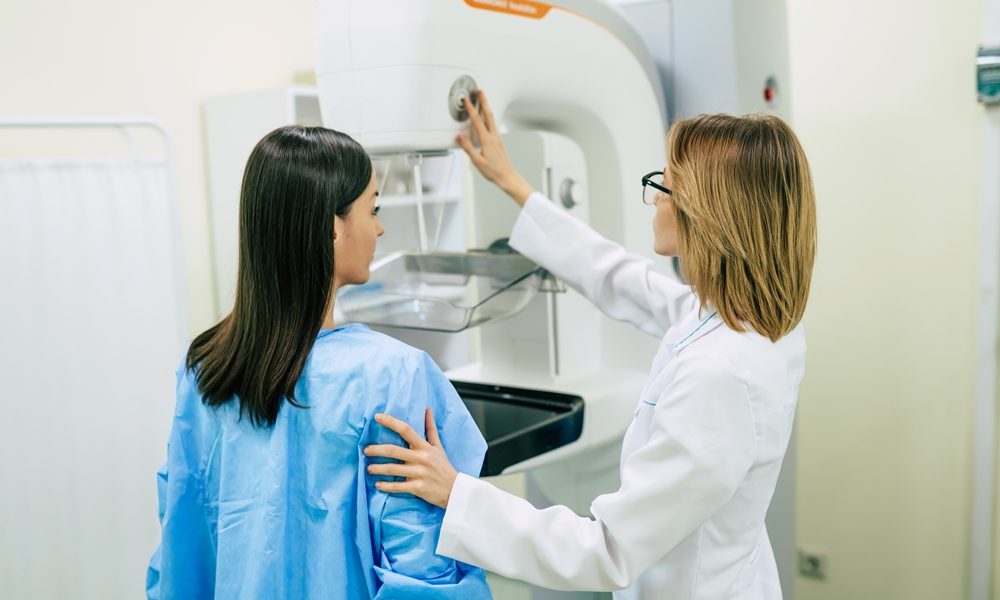
An artificial intelligence model predicts five-year breast cancer risk more accurately than traditional breast density assessment, new research shows. The image-only AI model, called Clairity Breast, showed that women in its high-risk group had more than a fourfold higher cancer incidence than those in the average-risk group (5.9 per cent vs 1.3 per cent). Breast [...]

Research suggests Jinfeng Pills may restore a thin endometrium, a cause of infertility in up to 2.5 per cent of women. The study found that Jinfeng Pills, a traditional Chinese herbal formula used historically in the Chinese imperial harem, increased endometrial thickness in female rats. The treatment improved glandular and vascular density and boosted molecular [...]

Researchers have secured US$3m to study how brain pain pathways influence endometriosis treatment outcomes, potentially explaining why 25 to 40 per cent of patients do not respond. The project will use neuroimaging to identify brain signatures that could predict which patients benefit from surgery or hormonal treatment. USC researchers Jason Kutch and Neda Jahanshad received [...]

IVF-conceived mice show about 30 per cent more DNA mutations than naturally conceived pups, researchers report, though they caution the findings do not directly translate to humans. Researchers compared genome sequences of laboratory mice conceived naturally with those conceived through assisted reproductive technologies, including hormone treatments, in vitro fertilisation and embryo transfer. Fertility-treated pups had [...]

Researchers are probing why breast cancer patients face lasting fatigue after treatment, with exhaustion affecting up to 90 per cent during therapy. Cancer-related fatigue (CRF) — persistent tiredness not eased by rest — can affect mood, activity and work life. Many survivors report symptoms for months or years after treatment. A University of Brighton team [...]
Newsletter
Sign up for free weekly updates
The latest femtech news, research and investment, straight to your inbox.




