




News
Endometriosis documentary profiles stars including Marilyn Monroe and Amy Schumer

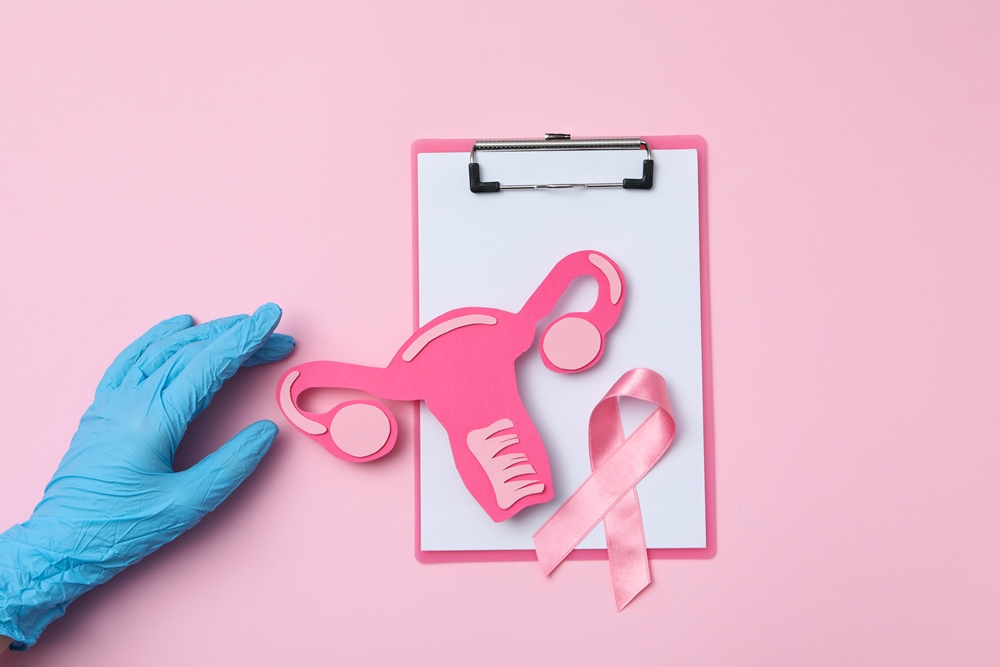
A non-profit has launched an endometriosis documentary featuring Amy Schumer and Marilyn Monroe as it pushes for changes in how the condition is treated and understood.
The Endometriosis Collective has launched to change how endometriosis is researched, treated and understood, starting with a documentary featuring stories from people including Amy Schumer and Marilyn Monroe.
The feature-length documentary, “End of the Cycle”, will premiere in New York on Tuesday, and The Endometriosis Collective is making the film free to stream online.

Schumer, a comedian, writer and actor, has previously spoken of how endometriosis left her “on the floor in pain, vomiting from the pain, the pain that nobody can see.”
Schumer is one of several celebrities featured in the documentary. Other contributors include dancer Julianne Hough, Olympic medallist Brittany Brown and actors Janel Parrish and Folake Olowofoyeku.
The Endometriosis Collective timed the documentary premiere to coincide with the 100th anniversary of Marilyn Monroe’s birth.
Monroe, who died in 1962, starred in films such as “Some Like It Hot” and “Gentlemen Prefer Blondes.”
According to a biography published in 1985, Monroe’s endometriosis was so severe that it destroyed her marriages, her wish for children, her career and ultimately her life.
The Endometriosis Collective said the documentary shares newly uncovered information about Monroe’s experience with endometriosis.
The non-profit said the information connects Monroe’s story to the experiences of women across generations, highlighting how far awareness, research and care still have to go.
A representative of the Marilyn Monroe Estate said: “By sharing this part of her story through ‘End of the Cycle,’ we hope to honour her legacy in a way that brings visibility to endometriosis, encourages more open dialogue and helps inspire the research needed to create change.”
As part of the premiere, The Endometriosis Collective is holding a panel discussion.
Schumer, Brown and Olowofoyeku, the documentary’s co-directors Sammy Jaye and Soraya Simi, and medical experts are due to be part of the premiere.
AbbVie’s Orilissa and Sumitomo Pharma’s Myfembree are among the approved drugs for endometriosis pain.
Hough, one of the participants in the documentary, starred in an Orilissa campaign in 2017.












Nearly six in ten young women get health and wellness advice from influencers, new research shows.
Women aged 18 to 29 were more likely than young men to use online influencers for health information.
The topics included beauty, alternative medicine, mental health, weight loss and fitness.

The Pew Research study found that 57 per cent of women aged 18 to 29 said they get health and wellness information from online influencers, 10 percentage points higher than young men.
While Americans still mostly rely on healthcare providers, the research suggests social media influencers also play a major role in how young people find health advice.
Among women who get health and wellness information from influencers, 51 per cent said they often hear about beauty and appearance, compared with 18 per cent of men.
Young women were also around twice as likely as young men to say they see content about alternative medicine, meaning treatments or health practices used outside mainstream medical care.
A third or more of both young men and young women said they often hear about mental health and weight loss from influencers.
Around half or more of both groups said they often see fitness content.
When asked why they seek health and wellness information from influencers, around half of young women said they wanted to make a change to their health or lifestyle.
That compared with 37 per cent of young men.
The research also found that 23 per cent of young women said hearing from people who share their background or beliefs was one reason they used influencers, compared with 14 per cent of young men.
A further 19 per cent of young women said they learnt about things they did not want to ask their doctor, compared with 10 per cent of young men.

Congress is being urged to invest US$20bn over 10 years to close the women’s health gap.
The American College of Obstetricians and Gynecologists, the Society for Women’s Health Research and the Women First Research Coalition have unveiled the National Strategy to Close the Women’s Health Gap.
The framework calls for a coordinated national effort to improve women’s health research, care and outcomes.
It says women make up more than half of the US population, but their health needs across conditions and life stages have been understudied and underserved for decades.
Kathryn Schubert, president and chief executive of the Society for Women’s Health Research, said: “The women’s health gap has persisted for far too long.
“This strategy offers Congress a road map to improve health outcomes, drive innovation, and build a healthier future for women, families, and communities.”
The strategy notes that Congress required women to be included in National Institutes of Health-funded clinical research through the NIH Revitalization Act in 1993.
However, it says major gaps remain in women’s health research, clinical care and how evidence is put into practice.
The plan proposes US$7bn for research and innovation, including expanded federal investment in women’s health research across the NIH, VA, DoD and the Advanced Research Projects Agency for Health.
It would also establish a Women’s Health Research Interdisciplinary Fund at the NIH and create a national network of Women’s Health Centers of Excellence.
The centres would aim to accelerate the translation of research into clinical care and serve as training sites for researchers and clinicians.
A further US$1bn would be used for regulatory coordination and modernisation, including cross-agency collaboration and work to address sex differences in drug and treatment approvals.
Sex differences are biological differences between females and males that can affect disease risk, symptoms, treatment response and side-effects.
The funding would also support updated NIH tracking systems for women’s health research investment and publication standards on how sex as a biological variable is considered in research.
The strategy calls for US$4bn for data and evidence infrastructure, including a public-private partnership focused on women’s midlife health data.
It would also convene a public workshop to review existing women’s health research datasets and develop common data elements to fill gaps and make datasets more widely available.
Another US$7bn would go towards strengthening the clinical and research workforce.
This would include career pathways, loan repayment programmes, a women’s health clinical workforce loan repayment programme modelled on the National Health Service Corps and interdisciplinary training.
The workforce measures would include particular emphasis on rural and underserved areas.
The final US$1bn would support public awareness and education campaigns to improve health literacy, preventive care and participation in women’s health research.
Health literacy means a person’s ability to find, understand and use health information to make decisions about care.
The campaigns would use digital and traditional media developed in consultation with patient advocacy organisations and relevant medical societies.
Sandra E Brooks, chief executive of the American College of Obstetricians and Gynecologists, said: “Closing the women’s health gap requires not only funding research, but also investment in the people who conduct that research and those who translate research findings and discoveries into better patient care.
“Strengthening the women’s health research and clinical workforce is critical to accelerating the innovation needed to improve health outcomes for women.”
The strategy says women have higher annual out-of-pocket healthcare costs than men and live 25 per cent of their lives in poorer health.
Supporters say this strengthens the economic and public health case for long-term congressional investment.
The framework has been endorsed by organisations across women’s health, ageing, heart disease, autoimmune disease, cancer, reproductive medicine and neurological conditions, including the Women’s Alzheimer’s Movement at Cleveland Clinic, the National MS Society and UsAgainstAlzheimer’s.
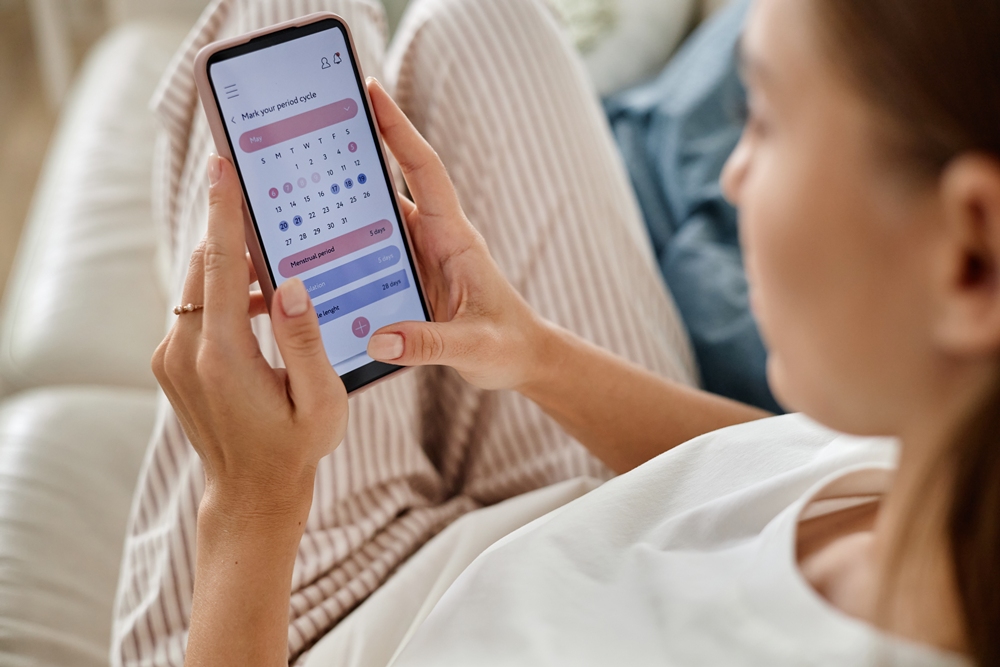
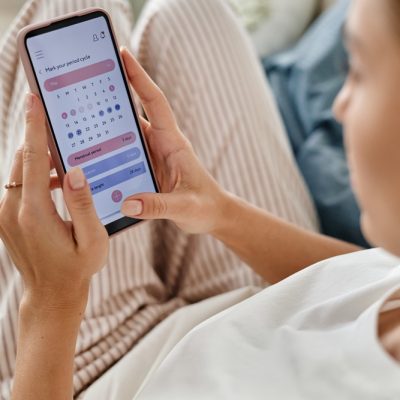
Stardust shared sensitive period tracking data with third-party analytics firms, according to new privacy research from Mozilla.
The findings expose a privacy divide in femtech, where users often trust apps with highly sensitive reproductive health information.
The research was carried out by Mozilla’s Privacy Not Included team, which tested several period tracking apps.
It found that Stardust, a period tracker used by millions, shared users’ reproductive health data with analytics companies, a practice the research said contrasted with its privacy-first marketing.
Analytics companies collect and examine information about how people use digital products, often to help businesses understand user behaviour or improve marketing.
The findings raise questions about whether privacy promises made by health apps match what happens to users’ data.
According to research reported by TechCrunch, one other period tracking app tested by Mozilla received what researchers called a “squeaky clean” rating, suggesting similar services can operate without sharing sensitive health data in the same way.
Period tracking apps have come under greater scrutiny in the US since the 2022 overturning of Roe v Wade, which removed federal constitutional protection for abortion.
Some users and privacy advocates have warned that menstrual and reproductive health data could potentially be sought in legal cases.
The research also points to a broader regulatory problem for consumer health apps.
In the US, many health apps are not covered by HIPAA, the health privacy law that applies to medical providers and some healthcare organisations.
That means some consumer apps may be able to collect, share or monetise sensitive health data under rules that differ from traditional healthcare privacy protections.
The femtech market, estimated in the report at US$50bn, has grown quickly, but privacy regulation has not always kept pace with app development.
Stardust had not publicly responded to Mozilla’s findings at the time of the original report, and its privacy policy remained live on its website.
The issue is particularly sensitive for period tracking because the data can reveal patterns around fertility, pregnancy, contraception and reproductive health.
Mozilla’s wider Privacy Not Included initiative has examined consumer technology products for privacy and security concerns since launching in 2017, including connected devices, children’s toys and health apps.
The findings come as US lawmakers continue to debate stronger federal privacy rules for sensitive health information collected by consumer apps.
The American Data Privacy and Protection Act, which has been stalled in Congress since 2023, includes provisions addressing sensitive health information collected by consumer apps.
Experts have also warned that anonymised health data can sometimes be re-identified when combined with other information, such as location data.
Re-identification means linking supposedly anonymous data back to a specific person.
A 2019 study found that menstrual cycle data combined with location information could identify individual users with high accuracy.
State-level privacy laws in places such as California, Virginia and Colorado have also given consumers new rights around personal data, although enforcement can vary.
Privacy advocates say the research underlines the need for clearer data practices, stronger safeguards and greater transparency in femtech.
For users, the findings are a reminder that health apps do not automatically protect health information in the same way as healthcare providers.
The report suggests period tracker companies that put privacy first may be better placed to build trust in a market where long-term use depends on confidence.
Mozilla’s investigation suggests privacy promises in femtech do not always match practice, and that period trackers can function without sharing sensitive user data in the same way.






 Diagnosis2 weeks ago
Two “gamechanger” tests set to speed up endometriosis diagnosis on the NHS

 Insight2 weeks ago
Women with PMOS should have annual NHS checks, new guidance says

 News5 days ago
New menopause drug approved for use by NHS in Scotland
 Cancer2 weeks ago
Thousands of women could avoid painful cancer exam with new AI blood test

 Entrepreneur2 weeks ago
Applications open for the third W Accelerate with Merck KGaA and M Ventures
 Fertility2 weeks ago
Older women face lower chance of fertility treatment working, even with donor eggs, study finds

 News2 weeks ago
We built Ema like a nurse: Here’s why that matters

 News2 weeks ago
Experts call for regulation of toxic period product chemicals