




Hormonal health
Grandfather’s chemical exposure may affect puberty timing


A grandfather’s contact with environmental chemicals could influence when his granddaughter starts her period, new research suggests.
Scientists found that exposure to certain chemicals in both parents—particularly fathers—was linked to earlier puberty onset in daughters and granddaughters, with the average age falling by one year between generations.
Researchers from Emory University’s Rollins School of Public Health analysed data from the Child Health and Development Studies, which has tracked families in the US since the 1960s.

The team examined blood samples from 249 couples, measuring thousands of small molecules and chemical profiles. These were linked to puberty onset in 247 daughters and 139 granddaughters born around 1990.
While the average age at first period remained the same between grandmothers and mothers, it dropped from 13 to 12 years in the granddaughters.
One chemical in particular—phenoxyethanol, a preservative used in personal care products and foods—was associated with earlier puberty, especially when both parents had similar exposure levels.
Xin Hu of Emory University’s Rollins School of Public Health in Atlanta said: “Girls are starting puberty earlier than ever before, which can raise their risk for health problems later in life.
“We wanted to explore why this might be happening by looking at how environmental exposures from grandparents can influence when girls get their first period.”
While maternal and paternal exposures both played a role, the father’s influence stood out.
Hu said: “While we found that both the mother’s and father’s exposures were linked to when their daughters and granddaughters began puberty, the father’s influence was surprisingly strong.
“Paternal exposure to environmental chemicals may play an unrecognised but critical role in shaping offspring endocrine health.”
Earlier puberty has been linked to increased risks of obesity, type 2 diabetes, certain cancers and depression, making these findings particularly significant.
In the US, the average age for a first period is now around 12, with some girls beginning as early as eight.










A UK study will build a menstrual fluid biobank to help women get faster, better treatment for heavy periods.
Thousands of participants will provide menstrual fluid samples over three cycles using specially designed period pads. They will also use a daily tracking app and complete detailed questionnaires.
Researchers from the Universities of Exeter and Bristol will work with participants from two UK birth cohort studies, Children of the 90s and Born in Bradford.

Professor Gemma Sharp, of the University of Exeter, said that the study is set to be a ‘real game-changer’ for menstrual health research.
Sharp said: “We know that menstrual health is a key indicator of overall health, but a lack of high-quality data means it remains poorly understood and under-supported in healthcare.
“We also know that heavy periods can affect many aspects of daily life – for example, our recent research revealed an association between heavy periods, school attendance and lower GCSE attainment – so we urgently need new ways to support the millions of women affected by heavy periods more promptly and effectively.”
The CycleTrack study aims to create the world’s largest menstrual fluid biobank for people in their mid-30s.
By combining these samples with long-term health and genetic data, researchers hope to identify biological signals linked to differences in periods and related conditions.
Researchers hope the findings could support earlier diagnosis, better care plans and tools to identify risks including iron deficiency.
The study is part of The Missed Vital Sign, a programme led by Wellcome Leap that contributes to a broader global effort to reduce the time it takes a woman to receive effective treatment for heavy menstrual bleeding from five years to five months.
Up to 50 per cent of women worldwide experience heavy periods, which can significantly affect physical, emotional and social wellbeing.
Researchers say the work could also improve understanding of menstrual health more broadly and help inform future school and workplace guidance.

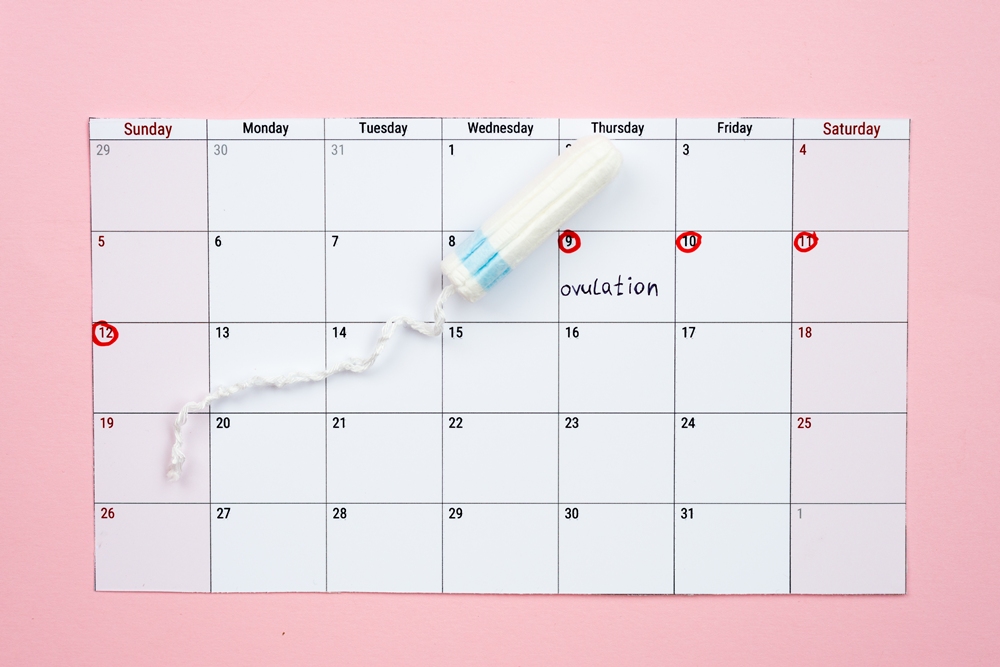
Nearly a quarter of women often miss work because of menstrual symptoms, according to a survey examining hormonal health among women in full-time work in Ireland.
The survey looked at the impact of menstruation, fertility and motherhood, and perimenopause and menopause.
Research from The Menopause Hub found more than one in three women who had not disclosed a menstrual health issue at work said the lack of a clear workplace policy was the reason.
More than a quarter said they did not think their concerns would be taken seriously, while 22 per cent cited embarrassment and 18 per cent feared being judged.
Nearly half of respondents said better workplace support would have made them feel less stressed, while 40 per cent said it would have made them feel more valued. Some 36 per cent said they would have felt more comfortable speaking up.
Some 76 per cent of women surveyed said they experienced menstrual health issues, with 23 per cent of those often missing work because of symptoms.
Nearly half of respondents, 49 per cent, said they felt uncomfortable talking about menstruation at work.
One respondent said: “As a woman, we try to get through the day, sometimes in pain that can’t be seen. We feel emotionally and physically drained.”
The research also found that 62 per cent of those who experienced baby loss reported a moderate or significant impact on work attendance.
More than half of respondents who experienced depression during pregnancy also reported a moderate or significant impact on attendance.
Some 63 per cent of mothers said it was “difficult” to return to work after pregnancy, while nearly half said their maternity pay arrangement had negatively affected their financial wellbeing.
One respondent said: “I almost walked away. The only reason I stayed was because I had to provide for my family.”
The survey also found that nearly half of respondents said menopause had some impact on their attendance, while more than six in 10 reported an impact on their work performance.
Some 44 per cent of women said they were “uncomfortable” discussing perimenopause and menopause at work.
One person said they were “already terrified of losing my job at my age:
“I need to just struggle through this without support or acknowledgement. That’s basically workplace discrimination.”
The Menopause Hub chief executive Loretta Dignam said women’s hormonal health has been treated as a “private or personal issue” for too long, “when the reality is that it has a very real impact on women’s working lives”.
“The fundamental point is that women are not ‘mini men.’
“Our biology is different, and workplaces that were largely designed around a male model of health and working life need to evolve to recognise that.
“What is striking is how many women continue to show up, perform, push through and progress at work while managing significant physical and emotional symptoms, often without the policies, understanding or practical support they need,” Dignam said.
She added that because expectations are changing, Gen Z and Gen Alpha employees will be “far less willing than previous generations to accept workplaces that ignore their health and wellbeing”.
Women using PIEDs reported difficulty accessing reliable information, testing and clinical expertise, according to a qualitative study.
Researchers interviewed nine women who used performance- and image-enhancing drugs, primarily to enhance body composition, physical appearance or sporting performance.
Participants reported problems accessing comprehensive blood and hormone testing and finding clinicians familiar with health concerns linked to women’s use of these drugs.

This has been a male-dominated area of research for a long time, so there are significant gaps in understanding women’s health care needs.
The research, led by University of Queensland School of Psychology PhD candidate Hannah Schuurs, explored how the women managed their health while using PIEDs, which include substances such as steroids and peptides.
Schuurs said: “We interviewed nine women who use PIEDs about how they managed their health throughout their PIED use.
“They reported difficulty accessing reliable information and a lack of clinical expertise and formal health care support.
“The study participants were all active in self-monitoring, tracking changes in their bodies, and actively sought formal health care support.
“But they found it hard to access comprehensive blood and hormone testing, or clinicians who were familiar with the unique health concerns associated with women’s PIED use.”
The study found participants spent considerable time educating themselves about the drugs and their potential risks.
“They often found themselves educating healthcare professionals rather than receiving guidance tailored to their circumstances.
Schuurs said: “The participants had spent considerable time educating themselves about PIEDs and their risks and found they were often educating their health care providers, rather than receiving guidance tailored to their circumstances.”
“Structural and systemic barriers shifted a disproportionate level of responsibility for harm reduction and care coordination onto the women themselves.”
Participants were also aware of sex-specific risks, including hormonal disruption and virilisation. Virilisation is when masculine physical traits develop due to high levels of androgens.
However, the women did not necessarily expect healthcare professionals to have all the answers.
Schuurs said: “Participants were often understanding of gaps in clinical knowledge, provided they were met with openness and a willingness to work collaboratively.
“They emphasised that respectful, nonjudgmental health care relationships were just as important as technical expertise.”
The findings also challenged stereotypes that people using PIEDs are uneducated or indifferent to their health.
Participants reported actively managing their health while navigating stigma, uncertainty and gaps in healthcare.
Schuurs said: “The participants actively managed their health and navigated stigma, uncertainty and gaps within health care.”
“We need health care responses that are collaborative rather than judgmental, as those narratives can oversimplify people’s experiences and make it harder for them to seek support.”
She said the research showed PIED use could form part of wider goals relating to health, wellbeing, performance and self-management.
Schuurs said: “Better understanding women’s experiences is critical if we want health care systems to respond effectively and ensure women can access the support they need.”
“There is a real opportunity to improve education, clinical guidance and support for health care professionals in this space that values and draws from the lived experience of women themselves.”




 Entrepreneur2 weeks ago
Applications close August 18 for Women’s Health Innovation Summit 2026 Innovation Showcase

 Menopause2 weeks ago
Third of women unaware of perimenopause mental health impact

 Fertility1 week ago
Chelsea FC Women to launch first-of-its-kind player fertility fund
 Menopause2 weeks ago
Menopausal hormone therapy may lower dementia risk, study suggests

 Opinion1 week ago
anna perimenopause app launches across 39 markets
 Pregnancy2 weeks ago
Chemicals in plastics may be linked to high blood pressure during pregnancy
 Sponsored Content7 days ago
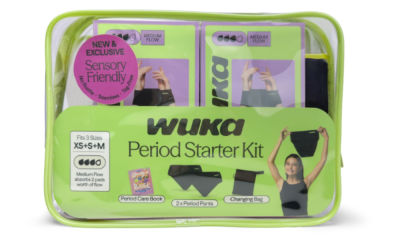
The perfect ‘period pair’: WUKA launches first-ever Teen Starter Kit in Tesco

 News2 weeks ago
Women with endometriosis may lose a month’s salary each year – study
1 Comment