




Cancer
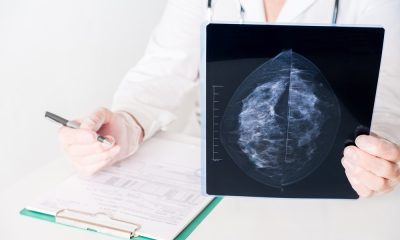
Analysing multiple mammograms improves breast cancer risk prediction


A new study describes an innovative method of analysing mammograms that significantly improves the accuracy of predicting the risk of breast cancer development over the following five years.
Using up to three years of previous mammograms, the new method identified individuals at high risk of developing breast cancer 2.3 times more accurately than the standard method, which is based on questionnaires assessing clinical risk factors alone, such as age, race and family history of breast cancer.
“We are seeking ways to improve early detection, since that increases the chances of successful treatment,” said senior author Graham Colditz, associate director of Siteman Cancer Center.
“This improved prediction of risk also may help research surrounding prevention, so that we can find better ways for women who fall into the high-risk category to lower their five-year risk of developing breast cancer.”
This risk-prediction method builds on past research led by Colditz and lead author Shu Jiang, a statistician, data scientist and associate professor of surgery in the Division of Public Health Sciences at WashU Medicine.
The researchers showed that prior mammograms hold a wealth of information on early signs of breast cancer development that can’t be perceived even by a well-trained human eye. This information includes subtle changes over time in breast density, which is a measure of the relative amounts of fibrous versus fatty tissue in the breasts.
For the new study, the team built an algorithm based on artificial intelligence that can discern subtle differences in mammograms and help identify those women at highest risk of developing a new breast tumour over a specific timeframe.
In addition to breast density, their machine-learning tool considers changes in other patterns in the images, including in texture, calcification and asymmetry within the breasts.
“Our new method is able to detect subtle changes over time in repeated mammogram images that are not visible to the eye,” said Jiang, yet these changes hold rich information that can help identify high-risk individuals.
At the moment, risk-reduction options are limited and can include drugs such as tamoxifen that lower risk but may have unwanted side effects. Most of the time, women at high risk are offered more frequent screening or the option of adding another imaging method, such as an MRI, to try to identify cancer as early as possible.
“Today, we don’t have a way to know who is likely to develop breast cancer in the future based on their mammogram images,” said co-author Debbie Bennett, associate professor of radiology and chief of breast imaging for the Mallinckrodt Institute of Radiology at WashU Medicine.
“What’s so exciting about this research is that it indicates that it is possible to glean this information from current and prior mammograms using this algorithm. The prediction is never going to be perfect, but this study suggests the new algorithm is much better than our current methods.”
AI improves prediction of breast cancer development
The researchers trained their machine-learning algorithm on the mammograms of more than 10,000 women who received breast cancer screenings through Siteman Cancer Center from 2008 – 2012. These individuals were followed through 2020, and in that time 478 were diagnosed with breast cancer.
The researchers then applied their method to predict breast cancer risk in a separate set of patients — more than 18,000 women who received mammograms through Emory University in the Atlanta area from 2013 – 2020. Subsequently, 332 women were diagnosed with breast cancer during the follow-up period, which ended in 2020.
According to the new prediction model, women in the high-risk group were 21 times more likely to be diagnosed with breast cancer over the following five years than were those in the lowest-risk group.
In the high-risk group, 53 out of every 1,000 women screened developed breast cancer over the next five years. In contrast, in the low-risk group, 2.6 women per 1,000 screened developed breast cancer over the following five years.
Under the old questionnaire-based methods, only 23 women per 1,000 screened were correctly classified in the high-risk group, providing evidence that the old method, in this case, missed 30 breast cancer cases that the new method found.
The mammograms were conducted at academic medical centres and community clinics, demonstrating that the accuracy of the method holds up in diverse settings.
Importantly, the algorithm was built with robust representation of Black women, who are usually underrepresented in development of breast cancer risk models. The accuracy for predicting risk held up across racial groups. Of the women screened through Siteman, most were white, and 27 per cent were Black. Of those screened through Emory, 42 per cent were Black.
In ongoing work, the researchers are testing the algorithm in women of diverse racial and ethnic backgrounds, including those of Asian, southeast Asian and Native American descent, to help ensure that the method is equally accurate for everyone.
The researchers are working with WashU’s Office of Technology Management toward patents and licensing on the new method with the goal of making it broadly available anywhere screening mammograms are provided. Colditz and Jiang also are working toward founding a start-up company around this technology.




Winner of the Women’s Cancer Innovation Award at the 2026 Femtech World Awards, Namida Lab is working to tackle gaps in breast cancer screening and detection through the development of an innovative tear-based test called Aria.
Catching breast cancer early depends on accessible diagnostics, with research showing that geographic inaccessibility is the most significant barrier to early detection and diagnosis.
Equally, surveys show that almost 50 per cent of US women who are eligible for an annual mammogram do not receive one every year.
Namida Lab is working to address these gaps with its breast cancer screening test, Auria.
By identifying biomarkers in tears, the-home test offers a cost-effective, accessible way that aims to improve access and uptake.
The test does not diagnose breast cancer, but detects signals early on that indicate breast cancer may be present.
Omid Mogadam, CEO of Namida Lab, speaks to Femtech World about how the company aims to save lives by improving early detection, and what it means to win the Femtech World Women’s Cancer Innovation Award 2026.
The Auria test has a unique way of detecting breast cancer using tears – what was it that inspired you to use tears as a way of detecting breast cancer?
Our work comes from academic research that is around 20 years old. There were a number of breast cancer surgeons at the forefront of trying to find early screening, because they were the ones who had to deal with consequences of finding cancers in later stages.
Two of these surgeons we know: Suzanne Love at UCLA and Suzanne Klimberg at UAMS.
They started looking at biomarkers in alternate fluids other than blood, and Suzanne Love discovered cancer or breast cancer markers in milk of lactating women – nickel aspirate.
Klimberg started looking at tears because the nipple aspirate and tears are both byproducts of blood plasma.
They did clinical trials and found actually that there was a difference between the protein levels in tears of women with and without breast cancer.
That was the basis of the work that we adopted and brought into the company; to actually identify what those markers were, and to validate them through various trials, and then turn that into the product that eventually became Auria.
What makes tears unique is that there’s a lot of dead cells and pieces of other analytes that are circulating in blood.
They are much larger proteins which mask the smaller ones that you’re looking for. These cancer markers are typically small small molecules, and finding them in blood becomes an expensive proposition.
What are the gaps in diagnostic care that need addressing?
Our modern healthcare system is very good at advanced diagnostics in treatments, new treatments, and advanced imaging.
What it’s not good at is engagement, in bringing people in at an early stage.
In order to be able to serve everyone, keep people healthy, and not bankrupt the healthcare systems, you really do need that early engagement, which currently doesn’t exist.
A test like ours uses a signal from your body to tell you that you need to engage the system, and that is very powerful.
The result of our test is not whether you have breast cancer, it says that there is a signal that says there might be breast cancer – so, you need to follow up and engage sophisticated imaging, diagnostics, and treatment in the healthcare system.
As a result, more people will screen, and we will find cancers in earlier stages.
Right now, in the U.S. half the mortality in breast cancer is in women under the age of 45, and a lot of them have never been screened. They come in with later stage cancers and we need to flip that statistic.
Our test is recommended for someone without symptoms, and who may not be a high risk person. If you’re high risk, you need to be in a high risk screening programme, but this is for people of average risk with no symptoms.
Can you explain the science behind how the screening test works with proteins in tears to detect the possibility of breast cancer being present?
Looking at the early cancer detection technologies, there are a lot of products that use circulating tumor DNA and methylated DNA.
These all all fall under the same category of DNA tests, and they look for the DNA shedded cells from tumours.
There is a negative to using ctDNA or methylated DNA for early cancer detection because, in early cancer detection, there’s not enough of those shed cells because the tumor has not formed or has formed it very small and it’s not shedding.
This means that these types of tests do very well in later stages of cancer.
For earlier stages, you shouldn’t be looking for DNA. That’s why we focus on proteins.
We’re looking for proteins that surround the formation of cancer. In breast we’re looking for breast inflammation, and vascularization proteins, which always exist in the body.
So, those are the proteins that we’re looking for, and we’re looking for elevation of those proteins. We have had several rounds of discovery in order to identify those proteins.
The very first one, we took human tears and mapped all of the protein markers that are in them.
Once we had that database, then we started looking at breast cancer and the relevance of elevation of these proteins, and which will be elevated in a statistically meaningful way for women with breast cancer.
We went through several rounds of studies to see which ones are actually highly significant, and those were the ones that we built our assay around.
What challenges do women face when looking to access early screening for breast cancer?
The inconvenience of early screening for women exists everywhere.
For example, the “danger” age for breast cancer is the busiest time of a woman’s life when they may have family obligations, aging parents, children or a career.
There is also the scarcity of resources. There are some health systems in the U.S. in larger cities where there is a six to nine month wait to get a mammogram, and if you miss your appointment, you are back in the back of the queue and have to wait another six to nine months.
Equally, there is currently a shortage of radiologists using imaging, and there is also the compression of mammograms on the breast tissue which can cause pain and inconvenience, which is also not very good for women with dense breasts or with breast implants.
In a large country like the United States, you know most of the imaging centers are concentrated in cities.
If you live anywhere between 30 to 40 miles, which is normal commuting distance in a lot of cities, it’s very difficult to take the whole day off and just go to one appointment and come back. So people miss them.
Additional barriers exist for women in certain cultures such as Hispanic women and Asian women that they don’t want to bother their family with their own issues, so they miss their cancers.
There’s a lot of issues that a convenient at-home collection will solve. Because it’s at home, you can do it any time.
You don’t need to build an infrastructure for it. We use the U.S. Postal Service, for example. That’s our infrastructure of collection.
Auria is designed to complement imaging rather than replacing it. How do you envisage the test fitting into existing healthcare pathways?
Right now, our test is direct to consumers.
We offer them through the healthcare system which currently has two branches. One is insurance covered, which adopts new inventions at a much slower rate. Then there is direct care, which is cash pay healthcare which adopts innovation much more readily.
As well as being direct to consumers, we also provide employers who pay for more than half of the healthcare costs of the country.
They also adopt new inventions much more readily than the healthcare system, and they offer it as supplemental benefits to their employees.
Eventually, we see ourselves becoming integrated into the screening system, as well as moving into other spaces such as the colorectal cancer space.
We will be bringing more patients into the system to get screened. That’s going to be the next phase of screening in cancer.
What would it mean for patients if a simple non-invasive sample could eventually become the entry point for screening for multiple cancers?
Our current product is in breast cancer, but we do have targets for other cancer markers in tears.
Depending on funding, we will expand our R&D programme into those as well.
So right now we have targets for five other cancers plus one for a diagnostic in breast cancer. That test wouldn’t just be a screening, it would be a diagnostic, and that would be a game changer.
What are the plans now for the lab for maybe the next year or two? Do you have any milestones coming up, or any specific developments you’re working on?
In order to get into the regular healthcare system in the U.S. we need FDA clearance.
Right now, our test is a lab-developed test that we sell under a CLIA license. In the next year we’re going to start our studies for the FDA clearance and submit our application there.
We’re going to continue working with more employers next year. Following that, I would like to expand into other studies and other platforms.
We also have a proof of concept: we transferred our tests to disposable cartridges, which would make it even more interesting because then you can get the result at home rather than have to send the sample back to us.
What does it mean to yourself and the team to win the Femtech World Award?
It’s a great honor to be recognised for your work, and it came out of nowhere.
We were just quietly working over here in this corner of the world when we got the good news.
One of the reasons that we’re looking to develop the disposable cartridge is for low-resource countries to be able to afford them.
They need they need different tools for for their populations, and and I hope that in the next next few years that this thinking gets to public health officials in those countries, and they start they start doing their own studies or changing changing the protocols that they are adhering to today.


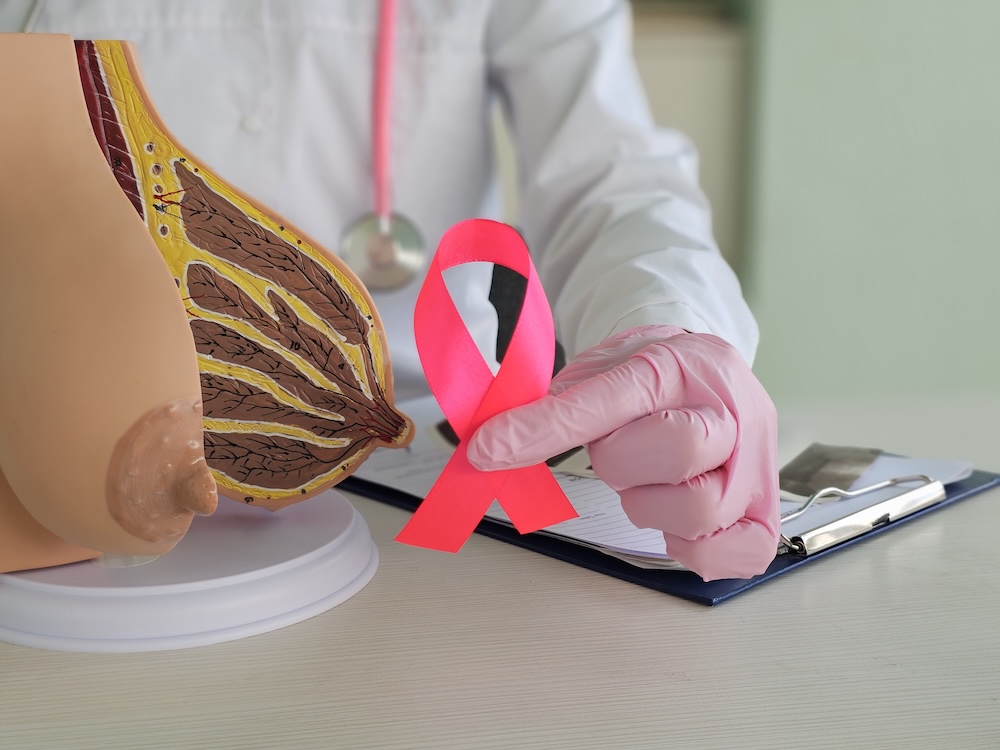
Obesity may reduce a fat-cell process that helps kill breast cancer cells, offering a possible explanation for its link to the disease, a study found.
The findings come from preclinical models, including breast tissue from donors.

The research team at Huntsman Cancer Institute at the University of Utah focused on adipocytes, the fat cells that make up much of breast tissue.
Adipocytes are larger in obesity than in lean tissue and create different environments around cancer cells.
Researchers found that lean adipocytes produced much more of a fatty acid called 9S-HODE than obese adipocytes.
9S-HODE promotes ferroptosis, a form of cell death that helps the body remove old and damaged cells, including cells that could be cancerous.
Cancerous cells died more readily in lean tissue, where levels of 9S-HODE were higher.
Meghan Curtin, first author and a doctoral candidate in molecular biology, said: “We found that the lean adipocytes produce much more 9S-HODE than obese ones. This means that cancerous cells die more readily in lean tissue.
“By producing more 9S-HODE, our bodies are actively protecting us, under lean circumstances, in a way it cannot with obesity.”
In preclinical mouse models, increasing levels of 9S-HODE in obese adipocytes suppressed breast cancer tumour growth.
The researchers believe this understanding could lead to better therapies.
Keren Hilgendorf, senior author of the study and an investigator at Huntsman Cancer Institute, said: “From a clinical perspective, this discovery is incredibly empowering. Because 9S-HODE is naturally present in the body but is lost with obesity, we may be able to restore this protection by putting it back.”
“That could become a very feasible therapeutic approach to slow breast cancer growth.
The researchers stressed that obesity is only one factor that contributes to breast cancer and that the disease can develop for other reasons.
They also said 9S-HODE appears to be produced mainly by fat cells in the breast, although fat cells elsewhere in the body may have a similar protective function that requires further research.
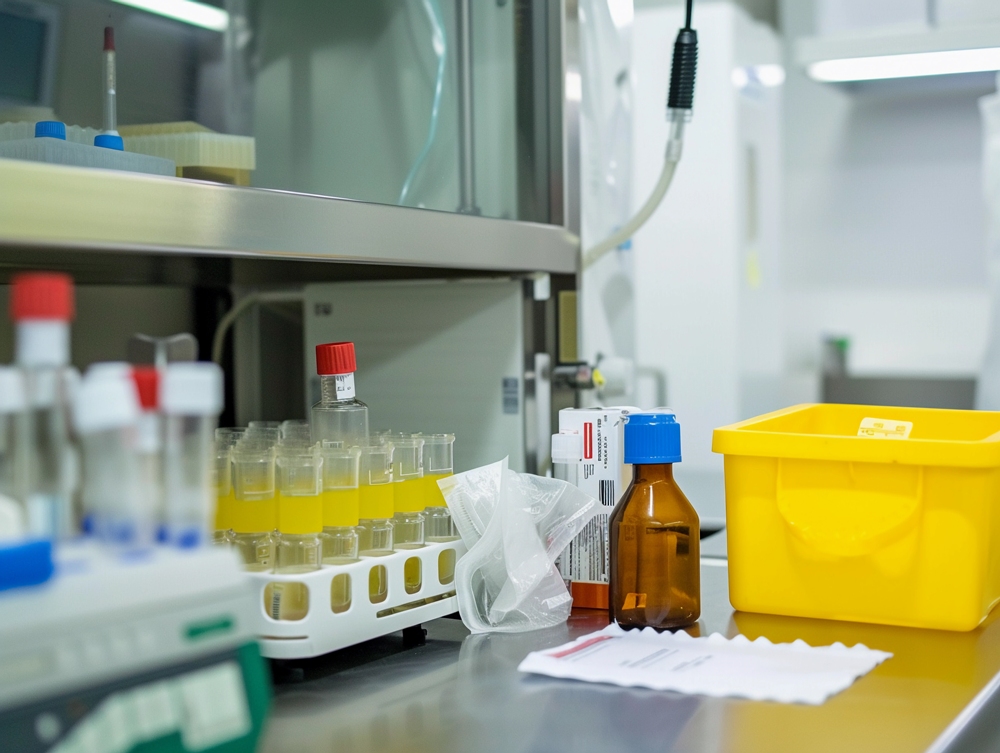
Targeting CD1d altered immune cells slowed tumour growth and improved immunotherapy responses in mouse models of breast cancer, researchers found.
The findings suggest blocking the molecule could make the environment around breast tumours more favourable to anti-cancer immune responses.
Further work is needed to understand how these immune changes occur and how the approach could be safely used in patients.
Researchers from King’s College London, the Francis Crick Institute and University College London investigated how immune cells inside breast tumours influence cancer growth.
They focused on myeloid cells, a group of immune cells found in large numbers within tumours that can either support an immune attack against cancer or contribute to tumour growth and immune evasion.
The team examined CD1d, a molecule found on the surface of myeloid and other immune and tissue cells that helps regulate immune responses.
When CD1d was genetically removed from cells in a mouse model of breast cancer, the mice were more resistant to tumour growth. Researchers also saw changes in myeloid cell populations, including increased activity among cells that can help attack cancer.
The team then blocked CD1d using an antibody and again observed changes in myeloid cells and slower tumour growth. Blocking CD1d also improved responses to immunotherapy in the mouse model.
Researchers used single-cell RNA sequencing, a technique that examines gene activity in individual cells, to investigate the immune changes in more detail.
They identified a population of myeloid cells called monocytes that expressed genes associated with inflammation, an important part of the immune response. These cells were particularly important in restricting tumour growth in the mouse models.
A similar pattern of gene activity was identified in data from human breast cancer tumours. Its presence in myeloid cells was associated with positive responses to immunotherapy in breast cancer patients.
However, the findings in people were based on gene expression data and did not test CD1d-targeting treatment in patients.
Professor Patricia Barral, professor of immunobiology at King’s College London and senior author of the study, said: “Many breast cancers do not respond well to current immunotherapies.
“Our findings reveal a previously unrecognised mechanism by which immune cells within tumours are regulated.
“While CD1d is best known for helping immune cells recognise lipid molecules, we found that it also plays a role in shaping the behaviour of myeloid cells within tumours.
“These findings suggest that targeting the immune cells that surround and support tumours could boost anti-cancer immunity and potentially improve treatment responses in the future.”
Researchers now plan to investigate how the immune changes occur and how they can be safely harnessed in patients.
They also want to examine whether targeting CD1d could enhance existing treatments and influence treatment responses in different cancer types.
The work was supported by UKRI BBSRC, Breast Cancer Now and the Cancer Research UK City of London Centre.








 Menopause6 days ago
Menopause may not explain rising heart condition in women – study

 Fertility1 week ago
Paracetamol use may impact future fertility, studies suggest

 Events2 weeks ago
Last chance to save on Women’s Health Week and Women’s Sport Summit: Early Bird pricing ends 11 September

 Insight6 days ago
Women with birth trauma face 2.5x higher healthcare costs – study

 Menopause2 weeks ago
Cancer drug could tackle osteoporosis menopause weight gain

 News6 days ago
Medical cannabis may improve endometriosis symptoms – study

 Cancer6 days ago
Study could explain why obesity is a breast cancer risk factor

 Diagnosis2 weeks ago
FDA approves AstraZeneca breast cancer drug