Connect with us

News

‘No more cute mentorship programmes’: femtech community reacts to Women’s Health Strategy

Femtech entrepreneurs have expressed concerns over the government’s lack of clarity around the 10-year strategy


Published

on

Women in the femtech community have reacted to England’s Women’s Health Strategy, amid fears that the government could be using the initiative as a “short-term vote-winner”.

Femtech entrepreneurs have asked for more innovation support, warning that a failure to provide enough funding could hamper the ambitions of the strategy.

The women have told Femtech World that the UK government should be held accountable to ensure its commitment to tackling health inequalities goes beyond “mere election-year rhetoric”.

The Women’s Health Strategy, developed and published in 2022, aims to address longstanding gaps in the health and care system.

The initiative seeks to improve care for menstrual and gynaecological conditions, expand women’s health hubs and accelerate research.

While many women’s health organisations have welcomed the plan, women in the femtech community have raised concerns about the government’s lack of clarity.

“It’s good to see the government prioritising women on their agenda, but I don’t see specific numbers,” Hélène Guillaume, founder and CEO of the training and nutrition app Wild AI, told Femtech World.

One in ten women in the UK suffer from endometriosis and go undiagnosed for an average of seven and a half years. I’d like to see a commitment to reduce that to six months.

“I’d like the government to make including women in research compulsory, as 80 per cent of the medical research is still done on males – I’d like to see them pledging actual funding on this.

“We need more funding commitments to innovation. The government could and should play a role here too by investing in women. No more cute mentorship programmes, but actual cash.”

Valentina Milanova, women’s health expert and founder of the gynaecological start-up Daye, said: “It is crucial to hold Sunak’s cabinet accountable to ensure their commitment goes beyond mere election-year rhetoric.

“To significantly improve gynaecological health in the UK, the government should focus on increasing both public and private funding for innovations related to vaginal, menstrual, hormonal and reproductive health, which is currently shamefully low.

“Before Brexit, British start-ups, universities and researchers had access to funding from the European Innovation Council (EIC) through their venture capital investment scheme, which could provide successful applicants with up to 15 million euros for research and development.

“Rejoining the EIC venture capital program for R&D is a concrete step the current government can take to demonstrate its commitment to addressing the gender gap in healthcare and medicine by increasing funding opportunities in this underdeveloped field.”

Although the UK government has promised to use the strategy to “reset the dial on women’s health”, many femtech entrepreneurs feel that they are still being kept in the dark about the plan.

“From the pledge, it is unclear how the strategy will improve the overall state of women’s health,” said Jasmine Tagesson, co-founder and COO of Hormona. “There is so much to do and so many areas to improve.

“As a company that focuses on hormone health due to its massive impact on women’s overall health, we hope that the government doesn’t forget to look at the bigger, underlying issues that impacts women’s health.

“Hormone health is closely tied to the issues highlights, such as painful periods and postpartum issues and as such, we hope that the government will provide support for start-ups such as ourselves so that our efforts can help further research into different areas of women’s health.”

Dr Bryony Henderson, GP and associate medical director at Livi UK, said: “While this announcement is a positive step forward, it is essential that the strategy be comprehensive, adequately funded and inclusive of diverse perspectives and experiences.

“I urge the government to ensure that initiatives address the intersectional nature of women’s health, prioritise accessibility and equity and foster collaboration among healthcare providers.

“Long-term commitment and ongoing evaluation will be crucial to effectively address the complex and varied needs of women, while ensuring that every woman is given the fundamental right to make decisions about their body.”

She added: “In implementing the strategy, it is important to address gaps in the healthcare infrastructure, particularly in underserved areas. Ensuring equitable access to quality care, including specialised services and treatment options, is vital for improving health outcomes and reducing disparities.

“While research is essential, I would like to see preventative care and health promotion initiatives prioritised to empower women with knowledge and tools to maintain their reproductive health. This could include education on healthy lifestyle choices, regular screenings and preventive measures to reduce the risk of disease.”

Hormonal health

Supermarket receipts shine light on ‘sheer scale and impact of menstrual pain’

Published

on

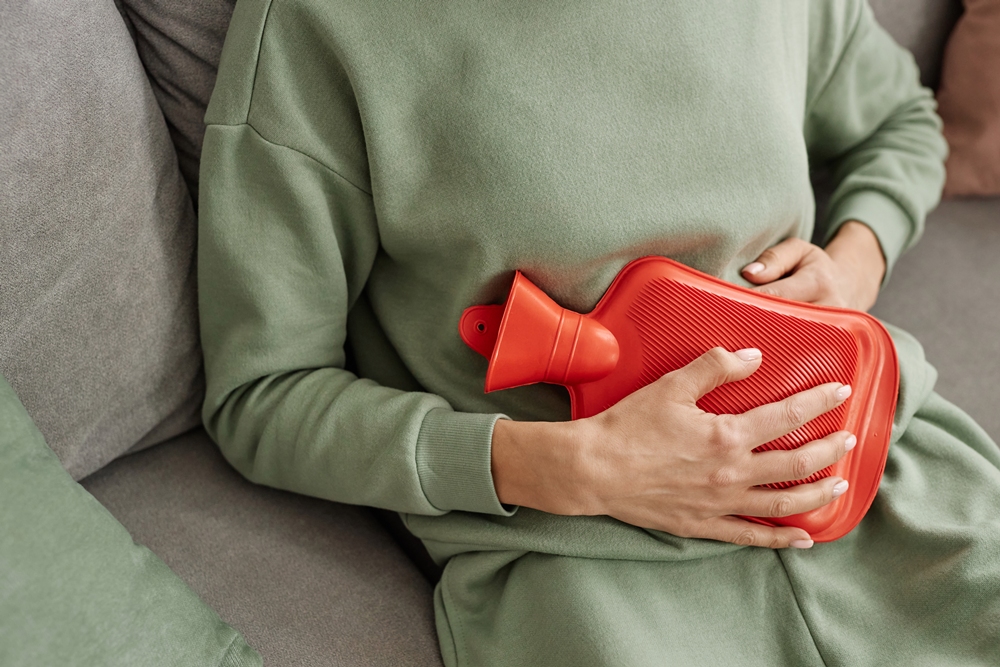
Supermarket loyalty card data suggests more than a quarter of women buying menstrual products also buy pain relief at the same time.

The findings also suggest women in lower-income areas are significantly less likely to do so, pointing to disparities in access to over-the-counter pain relief across England.

The study was led by Dr Victoria Sivill of the University of Bristol and colleagues.

The authors said: “The study highlights the need for greater awareness and policy interventions to address the high prevalence of menstrual pain as well as socioeconomic dimensions of menstrual pain.

“Public health initiatives should incorporate menstrual pain relief as part of broader efforts to improve health equity.”

Researchers analysed anonymised loyalty card data from a major UK health and beauty retailer, covering 211m transactions by 3.4m people between 2006 and 2015.

The study examined how often shoppers bought menstrual products and pain relief in the same transaction, and compared this with a customer’s usual rate of buying pain relief.

It found that 26.7 per cent of customers who bought menstrual products also bought pain relief at the same time.

These customers were nearly four times more likely to buy pain relief when buying menstrual products than on other shopping trips.

As a check on the approach, researchers found the most common interval between consecutive menstrual product purchases was exactly 28 days, consistent with the average menstrual cycle.

Menstrual pain is common and can affect daily activities, including school and work attendance.

Regional income was the strongest predictor of menstrual pain purchases.

Customers in the lowest-income areas were 32 per cent less likely to buy pain relief at the same time as menstrual products than those in the highest-income areas.

The authors said lower rates of pain relief purchases in deprived areas are likely to reflect an inability to afford over-the-counter medication rather than lower rates of menstrual pain itself.

Co-author Dr James Goulding said: “It is wonderful that smart data research in the UK is able to bring issues which may have once been overlooked in scientific settings, such as the sheer scale and impact of menstrual pain, to light. This is well overdue.

Co-author Dr Anya Skatova said: “Like many women, I was aware of how common menstrual pain is, but the scale of painkiller purchases alongside menstrual products was still striking.

“Using shopping data, we can see just how widespread the need for pain relief really is. This kind of evidence helps make menstrual pain visible at a population level and provides a strong foundation for systemic change in how it is recognised, treated, and prioritised in public health.”

Continue Reading

News

Women still being failed when they reach menopause, experts say

Published

on

Women are still being failed by menopause care despite a surge in online advice, with experts saying symptoms are too often minimised or dismissed.

The researchers exposed a gap between the surge of menopause information available online and the quality of medical care women receive.

A team of anthropologists and psychologists explored the physical and emotional toll of menopause, including its impact on work and personal lives, through interviews with 60 women aged 45 to 61 between March and June 2021.

The findings were published in a new book, We Need to Talk About Menopause.

The interviews showed how women continue to “needlessly suffer” as they sort through misinformation from influencers, celebrities and so-called experts.

The authors said: “You would think in an age where humans are developing commercial space flight, self-driving cars, and AI personal assistants who can project movies onto the palm of your hand, we would understand more about menopause, something a little over half of the population is guaranteed to experience in their lives.”

The interviews revealed wide variation in women’s experiences of doctors.

Some felt they could have an open dialogue, while others said they were “shut down”, including being told they were too young for menopause.

One woman said she bled heavily for a year before she was taken seriously.

The authors said menopause is still poorly understood, with disagreement over whether it should be seen as a medical condition or a natural part of ageing.

There are more than 100 recognised symptoms, although some women experience none.

Among those interviewed, 78 per cent reported weight gain and redistribution, particularly around the belly area, which was resistant to diet and exercise.

Fifty-eight per cent experienced mood disturbances including anxiety, depression, irritability and unprecedented levels of rage.

Many women said they were blindsided by symptoms they had never known existed.

One participant said she only realised rage was a menopause symptom after seeing it mentioned in a television commercial.

Women also described severe memory problems and brain fog that colleagues mistook for incompetence, leading successful professionals to question their abilities at the peak of their careers.

Brain fog can include problems with concentration, memory and clear thinking.

According to Statistics Canada, 70 per cent of women turn to the internet as their primary source of menopause information.

The authors said this information vacuum has spawned a £14.7bn global “meno-tech” industry, with influencers, celebrities and telehealth companies offering products ranging from £98 creams to unnecessary blood tests.

They said: “The growth of interest in menopause has also been accompanied by a wave of unsubstantiated information.

“Many websites market expensive creams, supplements, and weight-loss schemes that promise to keep women youthful and attractive, with little evidence to support their claims.

“Reliable, accessible information about menopause and perimenopause is still lacking. Despite increased attention to the importance of physician training and the search for menopause specialists, the medical profession as a whole continues to provide limited support in this area.”

The authors also highlighted the effect of menopause in the workplace.

The House of Commons Women and Equalities Committee has warned that Britain is “haemorrhaging talent” because of menopause, with 14 million workdays lost each year, according to the Office for National Statistics.

Despite this, studies have shown 80 per cent of UK employers have yet to implement proper support measures for menopausal women.

Some women said simple workplace adjustments made a significant difference.

Continue Reading

News

UK report warns against ‘financial half measures’ for women’s health

Published

on

The Women and Equalities Committee (WEC) has warned against “financial half measures” on women’s health as the government published its response to the report.

Ministers launched the renewed Women’s Health Strategy in April after the committee’s March report concluded it was not convinced that the menstrual and gynaecological needs of young women and girls had been sufficiently prioritised in wider healthcare reforms.

It followed the committee’s 2024 “medical misogyny” report, which found women with painful reproductive health conditions such as endometriosis, adenomyosis and heavy menstrual bleeding were frequently finding their symptoms “normalised” and their “pain dismissed” when seeking help.

In both reports, MPs called on the government to recognise the benefits of increased investment in early diagnosis and treatment of women’s reproductive health conditions and provide additional funding needed to transform the support available to millions of women.

In its response, published on 26 May as a command paper, the Department of Health and Social Care outlined action on reducing gynae waiting times, ensuring procedures are conducted with women’s full consent and adequate pain relief, and improving access to contraception for menstrual healthcare in line with the committee’s recommendations.

It said: “The government agrees with the committee’s overarching findings and recommendations for improving women’s health outcomes and experiences.

“We acknowledge the impact that menstrual health conditions can have on women’s lives, relationships, and participation in education and the workforce.

“We recognise that more needs to be done to support women with menstrual health conditions, particularly around listening to women, improving information and education, and enhancing patient experience.”

However, there was no commitment to increase school nurse provision, no measurable actions and targets on countering online misinformation, no new commitments to end inappropriate censorship of women’s online health content, and no further initiatives on tackling racial discrimination or understanding the menstrual wellbeing needs of young disabled and Deaf women.

The response comes after analysis by The Times suggested the government is allocating 60 per cent more funding to its men’s health strategy than to its renewed strategy for women’s health.

Sarah Owen, chair of the Women and Equalities Committee and Labour MP, said: “WEC’s 2024 ‘medical misogyny’ report warned 18 months ago of women in unnecessary pain and undiagnosed for years and called on the Government to recognise the benefits of increased investment in early diagnosis and treatment.

“Our follow up report this March cautioned girls’ and women’s health are not being sufficiently prioritised in system-wide NHS reforms, while initiatives which have proven to be successful in reducing waiting lists and improving women’s healthcare access, such as women’s health hubs, risked being scaled back or discontinued.

“While it’s welcome to see a focus on tackling ‘medical misogyny’ in April’s renewed Women’s Health Strategy and an emphasis on women’s voices being heard, this must be backed by adequate funding, not financial half measures, particularly when compared to men’s health.

“Significant questions remain following today’s response publication over the adequacy of investment being provided, including for workforce training, menstrual health education in schools, research and additional ring-fenced funding for women’s health hubs to deliver services within the emerging neighbourhood health framework.

“There are both opportunities and risks when it comes to increasing use of technology in women’s healthcare.

“As the Committee’s report set out, social media companies should be held to account for inappropriate and disgraceful ‘shadow banning’ censorship of important women’s health content and there should be a rigorous approach to tackling the risks from ineffective, unsafe and exploitative for-profit FemTech apps.

“The Government should take the problem of ‘shadow banning’ more seriously.

“A strategy which does not fully address the concerns set out in WEC’s report, alongside measurable actions and timescales, will only scratch the surface of the issues facing women’s health.

“WEC will keep a close eye on progress and continue to push for long overdue tangible change for women and girls.”

Continue Reading

Trending

Copyright © 2025 Aspect Health Media Ltd. All Rights Reserved.