




News
New women’s health strategy for England aims to tackle gender health gap
The government-led strategy aims to increase understanding of female-specific health conditions and tackle data gaps


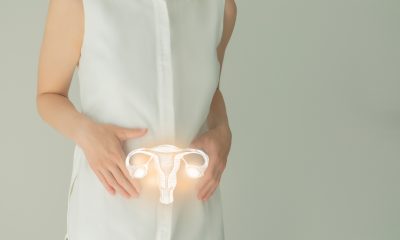
The government has published the first ever women’s health strategy for England to tackle the gender health gap.
Following a call for evidence which generated almost 100,000 responses from individuals across England, the strategy sets bold ambitions to tackle systemic issues within the health and care system and improve the health and wellbeing of women.
The move includes commitments around new research and data gathering, the expansion of women’s health-focused education and training for incoming doctors, improvements to fertility services, providing access to high-quality health information and guidance for female-specific health conditions like endometriosis.
Women live on average for longer than men but spend more of their life in poor health, often limiting their ability to work and participate in day-to-day activities.
Closing the gender health gap and supporting women to live well will not only benefit the health and wellbeing of women, but the health of the economy.
Responses to the call for evidence highlighted a need for greater focus on women-specific health conditions, including fertility and pregnancy loss, and gynaecological conditions such as endometriosis.
To support progress already underway, the government-led strategy aims to provide a new investment of £10m for a breast screening programme, remove barriers to IVF for female same-sex couples, improve transparency on provision and availability of IVF to tackle the “postcode lottery” in access to treatment and ensure specialist endometriosis services have the most up-to-date evidence.
“Our health and care system only works if it works for everyone,” Health Secretary, Steve Barclay, said. “It is not right that 51 per cent of our population are disadvantaged in accessing the care they need, simply because of their sex.
“The publication of this strategy is a landmark moment in addressing entrenched inequalities, and improving the health and wellbeing of women across the country.”
Minister for Women’s Health Maria Caulfield added: “When we launched our call for evidence to inform the publication of this strategy, women across the country set us a clear mandate for change.
“Tackling the gender health gap will not be easy – there are deep-seated, systemic issues we must address to ensure women receive the same standards of care as men, universally and by default.
“This strategy is the start of that journey, but eradicating the gender health gap can’t be done through health services alone,” she continues. “I am calling on everyone who has the power to positively impact women’s health – from employers to doctors and teachers to industry – to join us in our journey.”
Women and clinicians have also called for the expansion of information and educational resources for women and healthcare professionals, and more cohesion in the way services are provided, making it as simple as possible for women to access the healthcare they need.
Women’s Health Ambassador, Dame Lesley Regan, said that she is deeply aware of the need for a women’s health strategy that empowers both women and clinicians to tackle the gender health gap, adding that: “We need to make it as easy as possible for women to access the services they need, to keep girls in school and women in the workplace.
“This strategy is a major step in the right direction, listening to the concerns of women, professionals and other organisations to tackle some of the deep-rooted issues that we know exist.”
Feedback from thousands of women across the country revealed that they feel their voices were not always listened to, and there was a lack of understanding or awareness among some medical professionals about health conditions which affect women.
By tackling the gender data gap through increased research, building understanding through training and tackling the root causes of why women’s voices are not always listened to, the government hopes that both women and clinicians would feel empowered to have more informed discussions over their care.
The publication of the strategy is the latest action taken by the government to address the issues and disparities many women face, following the appointment of the first ever Women’s Health Ambassador for England earlier this year.







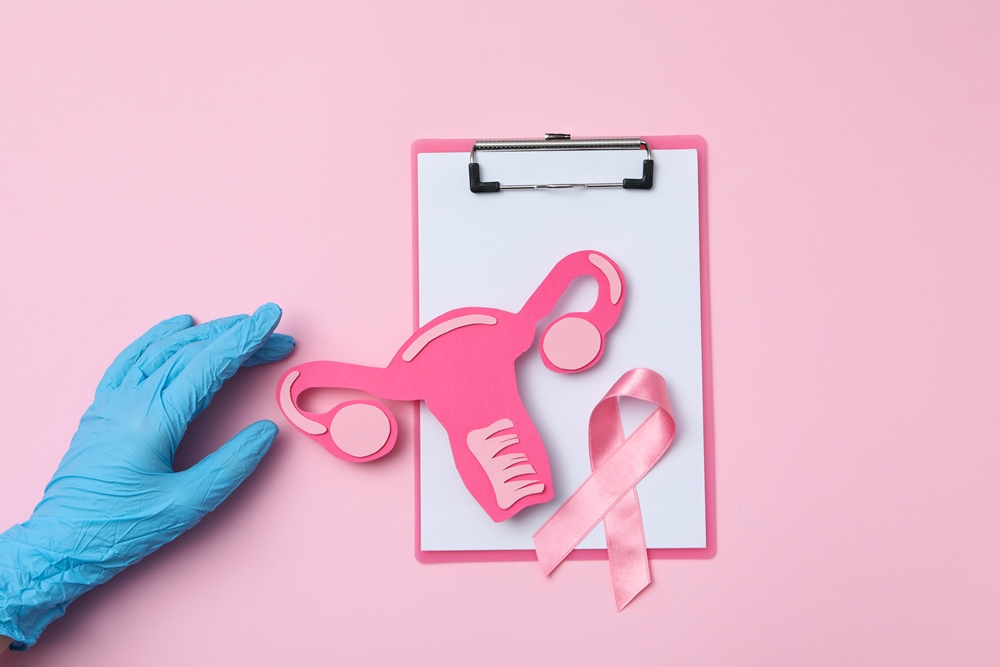
A non-profit has launched an endometriosis documentary featuring Amy Schumer and Marilyn Monroe as it pushes for changes in how the condition is treated and understood.
The Endometriosis Collective has launched to change how endometriosis is researched, treated and understood, starting with a documentary featuring stories from people including Amy Schumer and Marilyn Monroe.
The feature-length documentary, “End of the Cycle”, will premiere in New York on Tuesday, and The Endometriosis Collective is making the film free to stream online.

Schumer, a comedian, writer and actor, has previously spoken of how endometriosis left her “on the floor in pain, vomiting from the pain, the pain that nobody can see.”
Schumer is one of several celebrities featured in the documentary. Other contributors include dancer Julianne Hough, Olympic medallist Brittany Brown and actors Janel Parrish and Folake Olowofoyeku.
The Endometriosis Collective timed the documentary premiere to coincide with the 100th anniversary of Marilyn Monroe’s birth.
Monroe, who died in 1962, starred in films such as “Some Like It Hot” and “Gentlemen Prefer Blondes.”
According to a biography published in 1985, Monroe’s endometriosis was so severe that it destroyed her marriages, her wish for children, her career and ultimately her life.
The Endometriosis Collective said the documentary shares newly uncovered information about Monroe’s experience with endometriosis.
The non-profit said the information connects Monroe’s story to the experiences of women across generations, highlighting how far awareness, research and care still have to go.
A representative of the Marilyn Monroe Estate said: “By sharing this part of her story through ‘End of the Cycle,’ we hope to honour her legacy in a way that brings visibility to endometriosis, encourages more open dialogue and helps inspire the research needed to create change.”
As part of the premiere, The Endometriosis Collective is holding a panel discussion.
Schumer, Brown and Olowofoyeku, the documentary’s co-directors Sammy Jaye and Soraya Simi, and medical experts are due to be part of the premiere.
AbbVie’s Orilissa and Sumitomo Pharma’s Myfembree are among the approved drugs for endometriosis pain.
Hough, one of the participants in the documentary, starred in an Orilissa campaign in 2017.











 Menopause1 week ago
Perimenopause misinformation ‘putting women at risk’

 News4 weeks ago
NIH Grant terminations disproportionately impact minority scientists, research finds

 Adolescent health4 weeks ago
WUKA brings Period-Positive Pool Party to London Aquatics Centre to keep girls swimming through puberty
 Insight3 weeks ago
PCOS renamed after decade-long campaign to end ‘cyst’ misconception
 Events4 weeks ago
WHIS 2026 unveils agenda and first speakers for the leading women’s health summit
 Menopause4 weeks ago
CBT shows promise for menopause insomnia and hot flashes
 Hormonal health2 weeks ago
NHS urged to update website following renaming of PCOS
 News6 days ago
Three menopause innovators shortlisted for Femtech World Award
2 Comments