




Pregnancy
FDA clears “innovative” maternal and foetal monitoring device
The device measures the electrical activity of the body and extracts maternal and foetal heart rate via cloud-based processing


The US FDA has granted clearance to a maternal and foetal monitoring device capable of measuring the electrical activity of the body.
The product, developed by the California-based maternal health company Bloomlife, is a prescription-based wearable device that aims to help healthcare providers measure maternal and foetal heart rate.
The device measures the electrical activity of the body and extracts maternal and foetal heart rate via cloud-based processing.
“Our pioneering consumer pregnancy tracker proved that women want access to more information during a pivotal time of her life,” said Eric Dy, co-founder and CEO of Bloomlife.
“The FDA clearance of Bloomlife MFM-Pro marks an important milestone by cementing our transition from consumer to medical markets.”
Earlier this year the WHO published its latest Trends in Maternal Mortality 2000 to 2020, which showed globally that in 2020 a woman died every two minutes due to pregnancy or childbirth complications. These trends are not limited to the developing world.
Before, during and after childbirth, women in the US are dying at a higher rate from pregnancy-related causes than in any other developed nation.
Increasing rates of high risk pregnancies demand greater clinical support, while decades long shortages of maternal health providers create barriers to care affecting urban and rural communities alike.
Bloomlife says it believes there is a role for technology to play in addressing this global maternal health crisis. The company aims to use technology to shift care from clinical settings to the home to deliver low-cost, “evidence-based” care.
“Covid revealed a significant amount of maternal care can be done outside of clinical settings. However, there remains a need to augment basic telehealth appointments with objective physiological data,” Dy explained.
“Utilisation of connected care solutions can not only increase the quality of virtual appointments, but allow us to build a more efficient, equitable and scalable means of screening and managing the health of mum and baby.”
To receive the Femtech World newsletter, sign up here.






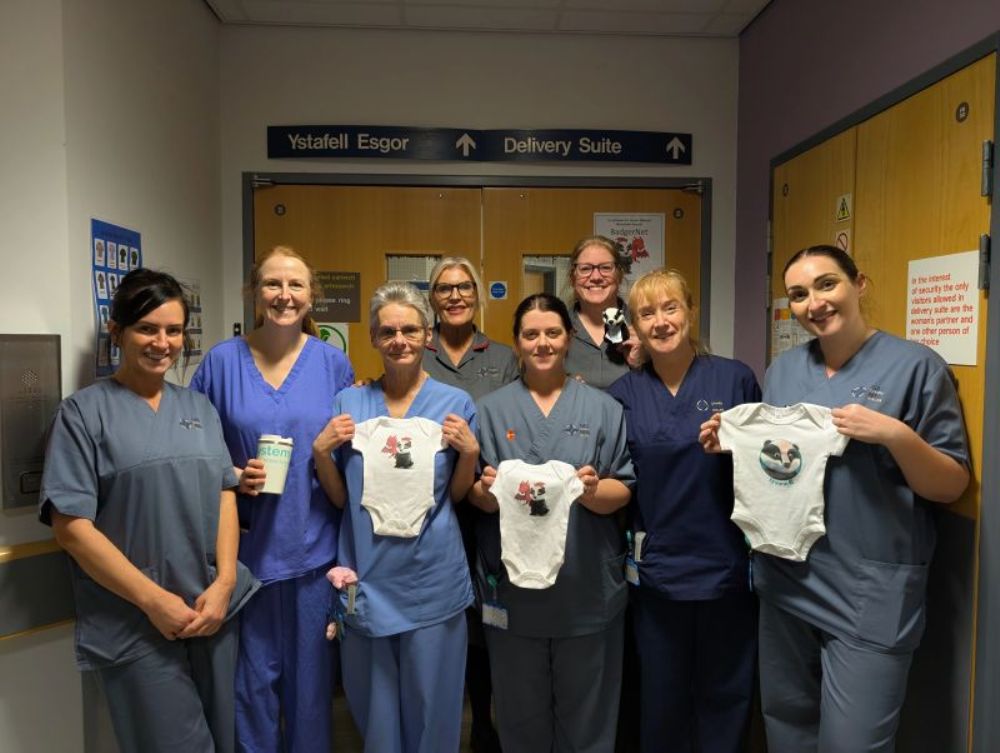
System C has completed the national rollout of BadgerNet Maternity across all seven NHS Health Boards in Wales. This is the first time any UK nation has unified its maternity care under a single digital record and patient-facing app.
With approximately 26,000 babies born annually in Wales, BadgerNet connects maternity information across organisational boundaries in the country.
Expectant parents can access their records, maternity appointments and key updates digitally through a single app, wherever they receive care while clinicians have secure access to the right information at the point of care.
The national three-year agreement across all Heath Boards replaces a patchwork of separate local systems and eliminates the need for paper hand-held notes.
Anthony Tracey is director of digital at Hywel Dda University Health Board, the final of the Welsh Health Boards to go live with BadgerNet.
He said: “The rollout of BadgerNet across Wales is a vitally important step forward in modernising our maternity services and providing a consistent service across the country.
“By giving expectant parents direct access to their information and enabling clinicians to share data more effectively, we are strengthening safety, transparency and consistency in maternity care nationwide.”
For expectant parents, the single digital maternity record transforms how they engage with their care.
Instead of carrying paper notes and repeating information at every appointment, parents can access key details, appointments and updates digitally, supporting more informed conversations and shared decision-making.
The result is greater transparency, fewer administrative frustrations and a more joined-up experience throughout pregnancy and into the postnatal period, regardless of which health board they fall under.
For clinicians and Health Boards, the joined-up approach reduces duplication and streamlines handovers across teams and sites. Information is digitally captured once and made available securely wherever it is needed, helping to minimise errors, reduce time spent tracking down notes and support more efficient multidisciplinary working.
At a national level, linking maternity data across Wales creates a foundation for safer, more consistent care.
Aggregated, standardised information enables earlier identification of trends and variation, supports evidence-based policy decisions and enhances long-term service planning.
With a comprehensive view of maternity activity and outcomes across the country, Wales is now better positioned to raise standards for parents, babies and families.
Guy Lucchi, managing director of healthcare at System C, added: “Delivering a truly national approach across all seven Health Boards is a significant achievement for Wales.
“One shared system means information flows with the patient, not the organisation.
“That reduces duplication, supports earlier identification of risk and frees up valuable clinical time.
“Crucially, linking maternity data at a national level provides powerful insight to drive improvement. Health Boards can benchmark, plan services with greater confidence and ensure resources are targeted where they are needed most, while expectant parents benefit from clearer communication and a more connected experience of care.”












 Menopause1 week ago
Perimenopause misinformation ‘putting women at risk’

 Insight4 weeks ago
NIH Grant terminations disproportionately impact minority scientists, research finds

 Adolescent health4 weeks ago
WUKA brings Period-Positive Pool Party to London Aquatics Centre to keep girls swimming through puberty

 Insight3 weeks ago
PCOS renamed after decade-long campaign to end ‘cyst’ misconception

 Events4 weeks ago
WHIS 2026 unveils agenda and first speakers for the leading women’s health summit

 Menopause4 weeks ago
CBT shows promise for menopause insomnia and hot flashes

 Hormonal health2 weeks ago
NHS urged to update website following renaming of PCOS

 News6 days ago
Three menopause innovators shortlisted for Femtech World Award
1 Comment