




News
Virtual reality training could ‘heal’ disparities in black maternal healthcare


Virtual reality training for physicians could help “heal” disparities in black maternal healthcare, new research has shown.
During a checkup with her obstetrician, Marilyn Hayes tells him about overwhelming exhaustion and possible symptoms of postpartum depression, such as feeling unsafe.
Hayes, a black woman, grows increasingly frustrated as her white, male physician, Dr Richard Flynn, dismisses her symptoms and ignores her wishes when she refuses medication.
Hayes becomes visibly uncomfortable when Flynn touches her without permission and makes comments steeped in black stereotypes, such as assuming that she’s unmarried and the baby’s father is uninvolved with her and their infant.
While Hayes and Flynn are fictional characters depicted in a virtual reality video, Hayes’ experiences are similar to those of many black women and women of colour when they interact with clinicians and their staff members, studies have found.
Hayes’ checkup with Flynn is the first in a series of three virtual reality training modules being developed to heighten physicians’ awareness of implicit bias in patient care.
“Ultimately, this virtual reality training system could become a viable tool for practicing communication with diverse patients across different types of health care professions,” said Charee Thompson, a professor of communication at the University of Illinois Urbana-Champaign who studies physician-patient communication and is one of the team members developing the virtual reality training series.
“There’s no reason why nurses couldn’t also use this across different health care contexts — not just for black maternal health, but chronic pain, diabetes or some of these other health issues in which we know that there are disparities based on markers of difference such as race or class.”
Thompson is the first author of a study about the project. She and her co-authors Mardia Bishop, a professor in the same department and obstetricians and gynaecologists Dr Tiffani Dillard of Carle Foundation Hospital in Urbana, Illinois and Dr Joseph Maurice of Creighton University School of Medicine in Omaha, Nebraska, are leading the team that is developing the modules.
The first module, which focuses on black maternal healthcare, was tested in a pilot study with 30 medical students and resident physicians. Prior to and after viewing Hayes’ and Flynn’s interaction, the study participants completed a survey that taps into physicians’ beliefs about the value of eliciting patients’ opinions about the cause of their illnesses and how it affects their lives, and whether physicians can provide excellent health care without asking patients for their perspectives.
“We know that disparities in black maternal health affect or are connected to disparities for black infants, including preterm birth and low birth weights,” Thompson said. “And so, for me, this is one of the most urgent needs when it comes to the health of women and children.”
In Flynn’s interactions with Hayes, students saw how bias and black stereotypes affect his communication, such as when he leaps to the conclusion that Hayes feels unsafe because her husband is violent, rather than recognising it is a symptom of depression, Bishop said.
“The video depicts the doctor going through the entire postpartum checkup, asking questions about breastfeeding, the incision and healing. Throughout the video, the viewer can see where the provider is behaving or communicating with implicit bias and the effect this has on the patient,” Bishop said.
“Sometimes it can be difficult to recognise bias or realise that what one is saying or doing demonstrates bias. This video shows the many ways that implicit bias can enter a discussion with a patient.”
According to the post-training survey, participants’ awareness of implicit bias, their attitudes toward culturally competent communication and their confidence in their individual communication efficacy increased after the training, Thompson said.
Two open-ended questions on the survey asked participants how they would provide more empathic, individualised care for black postpartum women. The participants responded that they were committed to building rapport with patients by prioritising their concerns and feelings, allowing patients greater opportunities to express themselves and engaging in shared decision-making.
Participants said they would listen more attentively, be more aware of their own body language, display compassion and empathy, and pay attention to patients’ verbal and nonverbal cues.
The second virtual reality training module — which is still under development, along with a third module — promotes self-reflection by helping medical students identify their own biases and learn how to mitigate them, Thompson said. In the third module, students will practice their intercultural communication skills through interactions with a virtual patient.
While the cost of the first module was US$40,000, Maurice said that for universities and medical schools, virtual reality training is a cost-effective option because it eliminates the need to recruit people for role playing with medical students.
“It’s a lot cheaper to produce one video and show it 100 times, as opposed to hiring 100 people to role play with the students,” he explained.
To receive the Femtech World newsletter, sign up here.





Diagnosis
Where women live may influence ovarian cancer survival, especially among Black women – study


Women living in socially vulnerable neighbourhoods had a 20 per cent higher risk of death after an ovarian cancer diagnosis, a study found.
Black women also faced a 45 per cent higher risk of death than white women.
Researchers said the combination of being Black and living in a highly vulnerable neighbourhood was linked to a greater risk of death than would be expected from either factor alone.

Francesmary Modugno, professor in the Department of Obstetrics, Gynecology and Reproductive Sciences at the University of Pittsburgh and senior author, said: “We expected residential context to influence outcomes, but what surprised us was how much stronger the impact was for Black women.
“Our findings suggest that it’s not simply where someone lives. The interaction between a woman’s lived experience and her residential environment may be helping drive these persistent disparities.”
Modugno is part of the Women’s Cancer Research Center, a collaboration between UPMC Hillman Cancer Center and Magee-Womens Research Institute.
Epithelial ovarian cancer is the deadliest form of gynaecological cancer, with around half of patients surviving for five years after diagnosis.
Survival is lower among Black women, with fewer than 40 per cent alive five years after diagnosis.
Differences including age at diagnosis, cancer stage and tumour type explain some of the survival gap, but researchers said a substantial proportion remains unexplained.
Researchers examined whether social determinants of health, including conditions in the communities where patients live, could help explain the remaining difference in outcomes.
The study, carried out with researchers at the University of Alabama at Birmingham, analysed data from 2,544 women diagnosed with epithelial ovarian cancer and treated at the O’Neal Comprehensive Cancer Center.
The group included 509 Black women and 2,035 white women.
Researchers linked patients’ residential census tracts to the US Centers for Disease Control and Prevention’s Social Vulnerability Index.
The index measures neighbourhood factors including poverty, housing conditions, transport access, educational attainment and other socioeconomic challenges.
Black women in the study were more likely to live in highly vulnerable neighbourhoods.
However, where women lived did not fully explain the racial difference in survival.
Black women had poorer survival than white women even when they lived in similarly advantaged communities, while being Black and living in a highly vulnerable neighbourhood together was associated with a greater risk of death than expected from either factor alone.
Researchers said the findings could help health systems and cancer services identify women at greater risk and provide additional support.
Possible measures include patient navigation programmes, transport assistance, childcare support and survivorship services to help patients complete treatment and manage the challenges of cancer care.
Rebecca Arend, associate professor of gynaecology oncology at the University of Alabama at Birmingham, said: “Our findings reinforce that we must better understand and address the barriers patients face in their communities and ensure that every woman has equitable access to high-quality care.”
Arend, who is also associate director of clinical research at the O’Neal Comprehensive Cancer Center, added: “Translating research into meaningful improvements in cancer outcomes is only possible through strong collaborations among academic medical centres, researchers and community partners.”
The study builds on research published in 2025 led by Modugno and University of Pittsburgh colleagues using data from UPMC Hillman Cancer Center in western Pennsylvania.
That research also found an association between social vulnerability and ovarian cancer survival.
The latest analysis included a substantially larger group of Black women and examined more closely how residential conditions might contribute to racial inequalities in outcomes.
Researchers said the findings need to be replicated in other parts of the US and among additional racial and ethnic groups to determine how widely they apply.
Future work will examine other social and environmental factors that could affect ovarian cancer survival, including neighbourhood pollution, access to food and community resources.
Researchers hope the findings could lead health systems to develop more targeted support for patients at greatest risk of poor outcomes.
Adding neighbourhood measures such as the Social Vulnerability Index to cancer care planning could help health systems identify women facing barriers to care and connect them with support during treatment.


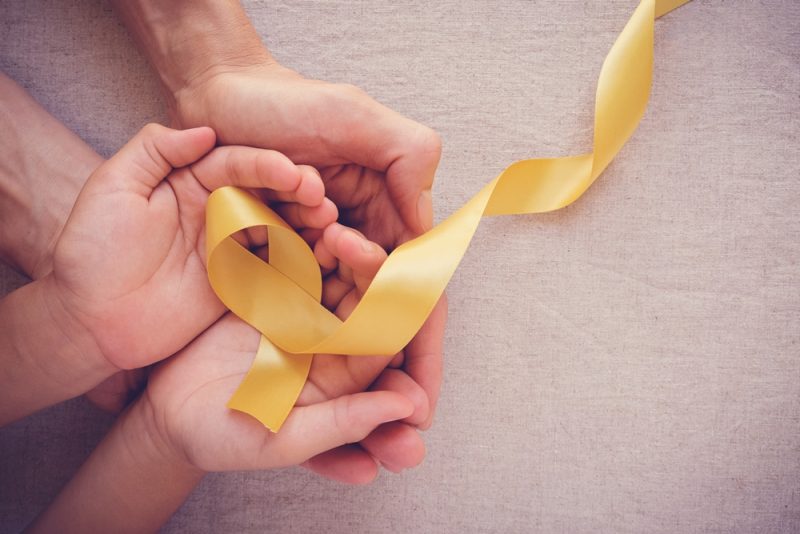
Women with endometriosis had a 46 per cent higher risk of developing type 2 diabetes than those without the condition in a recent study.
The study followed data from nearly 3m women over 25 years and was described as the largest to date examining the relationship between the two conditions.
Maggie Fuzak Nunziato, a doctoral student in epidemiology at George Mason, led the research with Anna Pollack, professor of global and community health.
Researchers found that diabetes risk varied across different forms of endometriosis, suggesting the condition may have broader long-term health implications than previously recognised.
They believe chronic inflammation associated with endometriosis may play a role in metabolic health, although more research is needed to understand the connection.
Fuzak Nunziato, the study’s lead author, said: “Previous studies largely evaluated endometriosis as a single condition and generally reported little or no overall association with type 2 diabetes.
“Our findings add to a growing understanding that endometriosis may affect more than reproductive health alone.”
The association was strongest among premenopausal women and women without obesity, groups not traditionally considered to be at the highest risk of type 2 diabetes.
Endometriosis affects around one in 10 women of reproductive age.
It occurs when tissue similar to the lining of the uterus grows outside the uterus and can cause chronic pelvic pain, infertility and other complications.
If the findings are confirmed by further research, they could help clinicians identify women with endometriosis who may be at higher risk of type 2 diabetes and could benefit from earlier screening or prevention efforts.
Researchers analysed health records from nearly 3m women in the Utah Population Database between 1996 and 2021, including almost 100,000 who had been diagnosed with endometriosis.
Some forms of endometriosis had a much stronger association with diabetes than others.
The strongest link was found among women with extra-pelvic endometriosis, meaning the condition is found outside the pelvis.
The researchers stressed that the findings show an association and do not prove that endometriosis causes type 2 diabetes.
They said further research is needed to understand the biological mechanisms connecting the two conditions and whether earlier metabolic screening could improve outcomes for women with endometriosis.

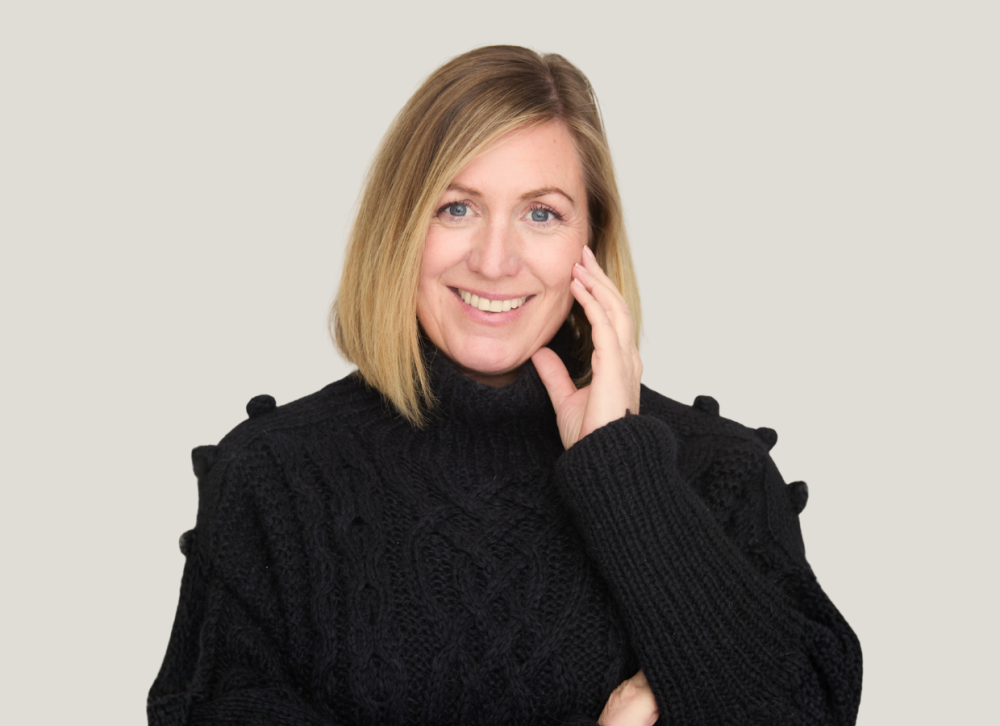
By Ciara Donlon, founder & CEO of MOSS
A baby is born.
In the first hours of their life, before they have tasted food, before they have felt sunlight, before they have learned the sound of their own name, they are wrapped in a nappy.
That nappy, in most cases, is made from plastic, synthetic polymers, and wood pulp sourced from trees that took decades to grow.
It will be used for two hours. It will sit in landfill for five hundred years plus.
We do this up to eight times a day. For three years. For every baby born.
I have spent the better part of my adult life working with bamboo, not as a founder chasing a trend, but as someone who has watched this material perform under the most demanding conditions imaginable.
Before MOSS, I built THEYA Healthcare, one of Ireland’s first femtech companies, pioneering bamboo-based care for women undergoing breast cancer treatment, backed by clinical trials from UCD (University College Dublin).
When I turned to what came next, the answer was staring at me from every buggy on the street.
We are living through a crisis our children will inherit entirely. Conventional nappies are the third largest single-use plastic item in household waste.
An estimated three hundred million go to landfill every year.
The tree-derived wood pulp in their absorbent cores is responsible for the destruction of one billion trees annually, and the plastic components that make them leak-proof make them essentially indestructible once discarded.
A child who goes through approximately 6,000 nappies in three years generates a legacy of waste that will outlast not just them, but generations to come.
I am not writing this to make parents feel guilty. Parents are doing the very best they can. I am writing this because the industry has not given them a genuine alternative, and I believe that is something we have a responsibility to change.
MOSS was built on one question: what would a nappy look like if it were designed entirely around what was best for the baby’s skin and best for the planet they will grow up in?
The answer was bamboo, and I say that not from instinct, but from evidence.
Through THEYA’s research at University College Dublin, bamboo viscose fibre was tested against cotton across every performance metric that matters for fabric worn against the most sensitive skin.
In antibacterial testing, bamboo resulted in a 97 per cent reduction in tested bacteria. Cotton produced a 0 per cent reduction. In absorbency and breathability testing, bamboo outperformed cotton and all leading competitor products.
When I turned to nappies, manufacturer testing confirmed what the clinical evidence had shown.
MOSS’s bamboo absorption core matches or outperforms conventional wood pulp cores on every performance measure: faster second-cycle absorption, significantly less rewet against the skin, and higher total absorption capacity across every size.
In the MOSS parent product trial: 88 per cent of parents felt their baby was drier, 93 per cent found them softer, 73 per cent reported fewer leaks, and 87 per cent said they would recommend MOSS.
Bamboo is 59 per cent more absorbent than cotton. Ten times more bamboo can be grown per square metre.
It requires no irrigation, no pesticides, no insecticides, no synthetic inputs, while cotton accounts for nearly 30 per cent of global pesticide and insecticide sales and needs 20,000 litres of water to produce a single T-shirt.
Bamboo sequesters five times more carbon per hectare than most trees, regenerates from its own root system without replanting, and harvesting it does not kill the plant.
What that means in practice: a softer material better for the health of the baby’s skin, proven to reduce bacterial load and regulate temperature, is also the most sustainable choice available.
These are not competing priorities. They are the same priority.
We are the only nappy brand in Europe that does not require a single tree to be cut down for production.
MOSS nappies contain no tree-derived pulp, no PFAS, no fragrance, no alcohol, no bleach. They are between 60-100 per cent bamboo.
THEYA Healthcare was recognised by the Cartier Women’s Initiative Awards for its work at the intersection of materials science, sustainability, and women’s health.
That recognition mattered less than what it signified: designing for the people the industry had left behind is not a niche. It is the future.
When I turned to nappies, I brought the same lens. Who is being left behind?
Two groups: the baby, whose skin deserves a material free from synthetic chemicals; and the planet, which cannot absorb another generation of single-use plastic waste at current volumes.
MOSS exists for both of them.
I think often about what it means to build something for babies in 2026. These children will live into the 2100s.
The decisions we make in the next decade, about materials, about what we choose to manufacture and what we choose to discard, will shape the world they inherit in ways that are difficult to overstate.
One nappy brand will not solve the climate crisis. But founders have a responsibility to ask harder questions, to look at an industry built on cheap plastic and ask: does it have to be this way?
It does not.
What I found when I went looking was that the sustainable choice was also the better choice for the baby. Bamboo is softer than cotton. More absorbent. Naturally antibacterial, temperature-regulating, and proven to support skin health at a clinical level.
The product that was better for the planet turned out to be better for the child wearing it.
I built MOSS because I believe that the standard of care we offer newborns, in the materials we choose, the ingredients we exclude, should be as considered as every other decision a parent makes.
And because when parents are given a genuine choice, they will make it.
We owe it to them to make that choice available. We owe it, even more, to the children and future generations.
About the author
Ciara Donlon is a multi award-winning entrepreneur with nearly 30 years of experience in corporate strategy, e-commerce, and medical devices.
She is the Founder & CEO of MOSS and the founder of THEYA Healthcare, one of Ireland’s first femtech companies. THEYA’s bamboo fabric research was conducted at University College Dublin in conjunction with four Dublin teaching hospitals. Ciara is a Cartier Women’s Initiative laureate for Europe.
After a decade working in e-commerce in the corporate world, in 2010, Ciara transitioned to entrepreneurship, founding a lingerie business inspired by her interactions with breast cancer survivors, revealing a gap for non-toxic underwear for women undergoing treatment.
This led to Theya Healthcare, where she pioneered bamboo-based post-surgical innovations, backed by clinical research and protected by global patents.
Under her leadership, Theya gained international acclaim for its innovative approach to comfort and safety.
Now, as CEO of MOSS, she is transforming the baby care market, driven by a simple belief: that the everyday essentials of parenthood should give parents genuine peace of mind and protect babies, without compromising their health or the planet.
MOSS publicly launches 5th October 2026. Founding Members can register from 7th September at mossnappies.com









 News5 days ago
UK femtech investment surges 194% in a decade, research finds

 Insight2 weeks ago
Natural Cycles receives sixth FDA clearance for fertility algorithm
 Wellness1 week ago
Cancer patient receives ‘landmark’ treatment in world-first
 Insight2 weeks ago
Experimental treatment significantly slows progression of fatal brain disease in women, study finds

 Sponsored Content2 weeks ago
The room is filling up at WHW Europe 2026 with super early bird pricing ending this Friday

 Entrepreneur6 days ago
TidalSense raises £14m to expand five-minute COPD test across NHS

 News5 days ago
Cross-Border Impact Ventures raises US$58m for women and children’s health

 Insight2 weeks ago
Johnson & Johnson offers to pay US$5.5bn to settle talc cancer lawsuits
1 Comment