




News
Common Family Health Challenges: Supporting Mothers in Managing Everyday Wellness

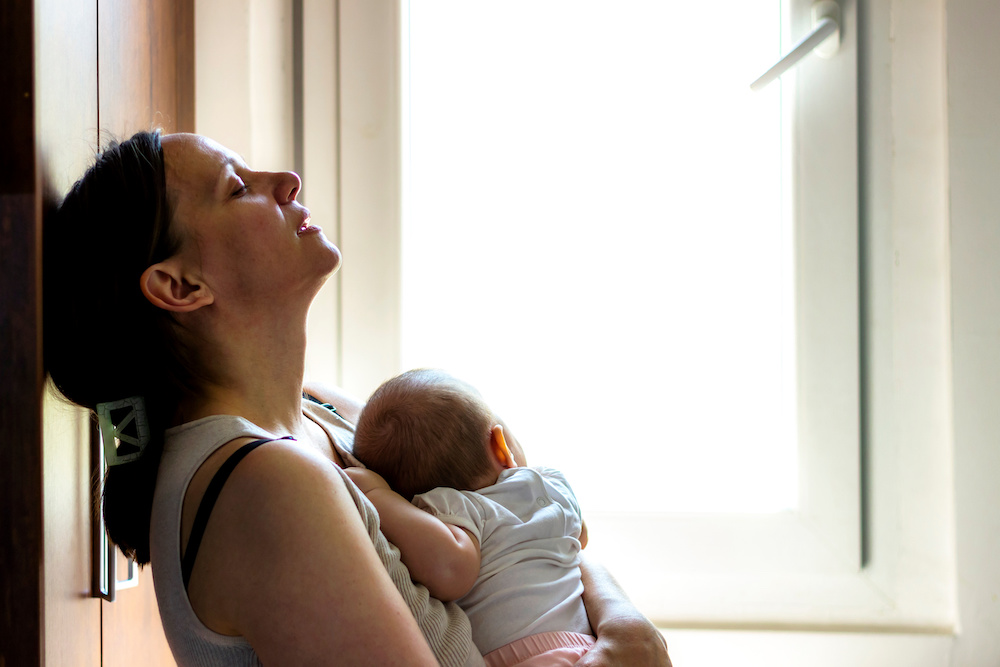
From colds to skin irritations, families face various everyday health challenges.
Well, practical strategies help mothers handle these situations calmly and in the right way.
Seasonal Illnesses Like Colds and Flu
Seasonal illnesses like colds and flu are often unavoidable, but they are manageable with simple measures.
Ensure children and other family members get plenty of rest and stay hydrated when symptoms like a runny nose or cough arise.
Warm fluids, such as soup or herbal teas, can soothe discomfort and support recovery.
A clean environment helps limit the spread of germs—frequent handwashing is key.
And keep tissues handy to manage sneezes and sniffles hygienically.
If fevers persist beyond 48 hours or breathing becomes laboured, consult your doctor for professional assessment without delay.
Allergies and Intolerances
Managing allergies or intolerances requires careful observation.
Food-related issues often cause tummy pain, rashes, or discomfort.
Keep a food diary to identify triggers.
And replace problematic foods with nutritious alternatives to avoid dietary gaps.
Environmental allergies, like pollen or dust mites, benefit from frequent cleaning and hypoallergenic products.
If symptoms escalate—such as breathing difficulties or severe swelling—contact a professional immediately for advice.
Schools should know about your child’s needs too.
Preparedness reduces anxiety and ensures your family navigates allergens with confidence in everyday life.
Head Lice
Head lice are common and manageable, but they can feel overwhelming at first.
Spot them early by checking for itching or visible nits near the scalp.
Use a fine-toothed comb regularly to catch infestations before they spread. And wash bedding and clothing in hot water, and vacuum areas where hair might fall.
For persistent cases, professional help makes a big difference. For instance, Lice Care Solutions professional lice treatment provides an all-natural in-home head lice removal service, making eradication stress-free for families.
Childhood Obesity
Encouraging a balanced lifestyle helps manage childhood obesity effectively.
Create routines with nutritious meals and snacks, offering fruits, vegetables, whole grains, and lean proteins.
Involve children in food preparation to build healthy habits early on.
And limit sugary drinks and processed foods while focusing on portion control.
Physical activity matters just as much as diet. Plan fun activities like family walks or sports they enjoy.
If weight concerns affect their confidence or social life, consult a healthcare professional for tailored guidance and support.
Also, you should be aware that children born to mothers with severe obesity are more likely to be hospitalised with infections.
Digestive Issues
Digestive issues, like constipation, are common but manageable.
Encourage fibre-rich foods such as fruits, vegetables, and whole grains to keep digestion regular.
Hydration also plays a crucial role—make water the go-to drink throughout the day.
Gentle physical activity supports healthy digestion too; even a walk after meals can help.
Avoid forcing food if children feel unwell or bloated.
If problems persist or worsen with symptoms like severe pain or vomiting, seek advice from your doctor to rule out underlying conditions.
Eczema and Skin Irritations
Eczema and skin irritations require consistent care to manage flare-ups.
Keep your child’s skin moisturised with fragrance-free, hypoallergenic creams or ointments.
Avoid soaps or detergents that contain harsh chemicals, as these can aggravate sensitive skin.
Dress them in soft, breathable fabrics like cotton to minimise irritation.
And watch for potential triggers such as certain foods, dust mites, or temperature changes.
If itching causes discomfort overnight or the condition worsens despite your efforts, consult a dermatologist for tailored advice and treatment options.
Headaches and Migraines
Headaches in children can stem from dehydration, eye strain, or even stress.
Ensure they drink enough water throughout the day and take breaks from screens to rest their eyes. And create a quiet, dark space where they can relax if a headache starts.
Watch for triggers like irregular sleep patterns or skipped meals.
Regular routines help minimise recurrence.
For severe or frequent migraines—especially if accompanied by nausea or vision issues—seek medical advice to rule out underlying causes and explore appropriate treatments.



Our sister publication Health Tech World brings its first live event to London this summer, gathering the people building, buying and regulating healthcare AI for a single afternoon. With a full line-up confirmed and two months to go, tickets are open now, and this first edition is one to book early.
Health Tech World Live, the debut live event from FemTech World’s sister title Health Tech World, makes its first appearance on Friday 21 August, bringing clinicians, founders, developers, NHS commissioners and investors together at Teesside University London in Stratford for an afternoon on where healthcare AI goes next. The programme is confirmed, and with two months to go, it is worth booking your place while the diary is still clear.
The line-up for this first edition reads like a who’s-who of UK health AI. Speakers include Dr James Harmsworth King, Chief Medical Strategy Officer at Numan, fresh from the MHRA’s AI Airlock; Dr Sonia Szamocki, founder and CEO of 01Health; Hugo Dragonetti of NHS London Procurement Partnership; Mikael Kågebäck, CTO at Sleep Cycle; Max Gattlin, Commercial Director at X-on Health; and Marcus Vass, Head of Digital Health at Osborne Clarke, with proceedings chaired by Alastair MacColl.
Across six sessions, the afternoon moves from scaling specialist care and smarter NHS procurement, through responsible delivery and consumer AI, to fair access to GP care and the regulation underpinning all of it. Between the talks, delegates get time with the speakers and the Health Tech World editorial team, the kind of access that is hard to come by anywhere else.
It is shaping up to be one of the summer’s standout dates in health tech, and a launch worth being part of from the start. If you are planning to be there, now is the time to get it booked.
The future of healthcare AI: strategies, opportunities and vital insights
When: Friday 21 August 2026, 12 noon to 4pm
Where: Teesside University London Campus, Queen Elizabeth Olympic Park, 14 East Bay Lane, London, E15 2GW
Tickets: £99

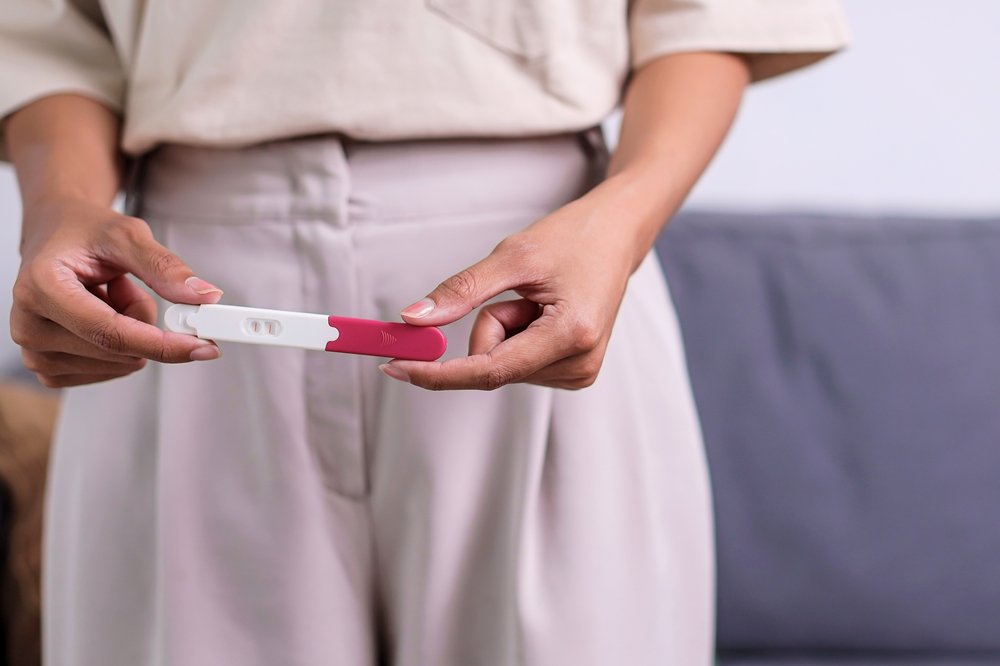
Immunotherapy may temporarily restore fertility in women with autoimmune premature ovarian insufficiency, a pilot study suggests.
Three of the 10 women who received treatment later gave birth to healthy babies.
Premature ovarian insufficiency, or POI, affects just over three per cent of women worldwide and occurs when the ovaries stop functioning before the age of 40.

The condition significantly reduces fertility and can have several causes, including autoimmune processes and genetics.
Researchers at Karolinska Institutet examined whether immunotherapy could make the ovaries temporarily responsive to hormonal stimulation in women with POI caused by autoimmunity.
The study included 12 women aged between 18 and 35 with autoimmune POI.
Two withdrew before treatment began. The remaining 10 underwent ovarian hormone stimulation before receiving rituximab and again four to six months after treatment.
Rituximab is an approved and well-established medicine used to treat several autoimmune conditions and cancers.
None of the women responded to ovarian stimulation before receiving the drug.
After treatment, six developed follicles that made it possible to retrieve eggs in response to ovarian stimulation.
Follicles are small sacs within the ovaries where eggs develop.
Professor Angelica Lindén Hirschberg, the study’s first author and a professor at Karolinska Institutet’s Department of Women’s and Children’s Health, said: “The results show that in some women there remains an egg reserve that can be activated when the autoimmune process is suppressed.”
In five women, mature eggs could be frozen or fertilised.
Three later had embryos transferred and all three gave birth to healthy babies.
For safety reasons, the embryo transfers took place no earlier than one year after treatment.
One serious side effect was reported and was linked to the hormone stimulation rather than the immunotherapy.
Women with autoimmune POI commonly have other autoimmune diseases.
All six women who responded to the treatment also had autoimmune Addison’s disease, a condition in which the immune system destroys the adrenal glands.
The study was a proof-of-concept investigation without a control group and involved a small number of participants, meaning the findings must be interpreted cautiously.
A proof-of-concept study is an early investigation designed to assess whether an approach could work before it is tested more widely.
Professor Lindén Hirschberg said: “This is a first step. To determine whether the method is effective and safe, larger, randomised studies are required.”
The research team has launched a larger randomised study.
The work was carried out by researchers at Karolinska Institutet, Karolinska University Hospital and the University of Bergen.
It was funded by organisations including the Swedish Research Council, the Knut and Alice Wallenberg Foundation, the Novo Nordisk Foundation and Region Stockholm.
The researchers reported no conflicts of interest.
POI is also linked to long-term health risks caused by oestrogen deficiency, including osteoporosis, an increased risk of cardiovascular disease, cognitive decline and poorer mental and sexual wellbeing.
Hormone replacement therapy can relieve menopausal symptoms and reduce many of these risks, but no treatment has been reliably shown to restore fertility in women with POI.
Egg donation was previously the only option for women with the condition who wanted to become pregnant.

Xella Health has launched what it calls the first AI precision health platform built for the XX chromosome.
The company says it aims to address a lack of diagnostic precision and clinical research focused on female biology.
Women make up half of the population and account for 80 per cent of consumer healthcare decisions, but research into women’s health has historically received less funding than male-focused studies.

Kelly Lacob, Xella Health co-founder and chief executive, said: “Women have been trapped in a diagnostic dark age experiencing debilitating symptoms like severe period pain, bloating and GI issues, exhaustion, and brain fog, routinely dismissed by the healthcare system.
“This dismissal results in women being diagnosed four years later than men, on average, for the same conditions, and a seven-to-10-year delay for women to receive an accurate diagnosis for conditions like endometriosis.
Stalling necessary care and treatment results in prolonged suffering with chronic pain, heightened infertility risks, and declining mental health.
Xella is here to replace the systemic medical gaslighting women have endured for generations.
We are handing women the evidence and information they need to advocate for themselves and secure faster, accurate diagnoses before early-stage conditions spiral.”
Xella says its AI examines billions of data points from clinical information and multi-omic biomarkers to assess the probability of more than 130 conditions specific to female biology.
Multi-omic data combines information from several biological areas, including genes, proteins and hormones.
The conditions assessed include polyendocrine metabolic ovarian syndrome, or PMOS, formerly known as polycystic ovary syndrome, as well as perimenopause and endometriosis.
Xella was founded by Lacob, Adriana Dantas and Dr Jesus Ching, who developed the concept while working together on molecular diagnostics at Mammoth Biosciences.
The founders say the platform is designed to provide information about possible underlying causes through advanced testing and long-term care of a kind often available only through expensive concierge services.
They drew on personal experiences to build a service intended to identify small changes in a woman’s biological baseline.
Members complete an initial health questionnaire before having blood taken at a local partner laboratory such as Quest or Labcorp.
A phlebotomist can also visit a member’s home for an additional charge.
The company’s AI analyses biomarker data from genomics, proteins and hormones alongside symptoms, lifestyle risks and medical history.
Xella says this information is used to screen for more than 130 female-specific conditions, including PMOS, Hashimoto’s disease, premenstrual dysphoric disorder, endometriosis and perimenopause timelines.
Hashimoto’s disease is an autoimmune condition in which the immune system attacks the thyroid gland.
Premenstrual dysphoric disorder, or PMDD, is a severe form of premenstrual syndrome that can cause significant emotional and physical symptoms.
The results are processed through Xella’s own dry laboratory, which the company says is certified under the US Clinical Laboratory Improvement Amendments and accredited by the College of American Pathologists.
A dry laboratory analyses data using computing and other non-experimental methods rather than carrying out traditional laboratory procedures.
The findings are turned into a personalised healthcare plan and reviewed with a certified telehealth doctor.
The doctor may recommend immediate clinical action, including personalised hormone therapy or referrals to genetic counsellors, pelvic floor physiotherapists and reproductive endocrinologists.
Reproductive endocrinologists are doctors who specialise in hormones, fertility and reproductive health conditions.
Dantas, co-founder and chief operating officer, said: “Women’s health data has historically been treated in isolated silos – a hormone test here, an ultrasound there – but no one was connecting the dots across the entire biology.
“By tracking unique biological patterns longitudinally across cycles and life stages, we aren’t just providing data, but a clear path forward.”
Xella’s clinical advisers include Dr Allison Kurian, director of Stanford Women’s Clinical Cancer Genetics Program and professor of medicine, epidemiology and population health at Stanford.
They also include Dr Lynn Westphal, a reproductive endocrinology and infertility specialist and chief medical officer of Kindbody.
Xella has received US$4.7m in angel and pre-seed funding from Precursor Ventures, Capital F, Ulu Ventures and Swizzle Ventures.
Other funds and angel investors from healthcare, diagnostics and consumer technology also participated.
Margaret Coblentz, co-founder and general partner of Capital F, said: “Women’s health is one of the highest-momentum categories in the market today, driven by a US$15tn female economy.
“Xella represents exactly how Capital F sees women’s health evolving: deep clinical expertise paired with a consumer-first mindset, and a genuine opportunity to unlock the next generation of healthcare.”











 Insight3 weeks ago
British women among angriest in Europe, health survey reveals

 News4 weeks ago
Women still being failed when they reach menopause, experts say

 Menopause3 weeks ago
Apple Health adds menopause and perimenopause tracking

 News2 weeks ago
Femtech World Awards 2026: Winners revealed

 News3 weeks ago
Elation Health acquires EHR startup Aster

 News3 weeks ago
Menopause workplace toolkit launched to help UK employers support staff
 News3 weeks ago
Endometriosis documentary profiles stars including Marilyn Monroe and Amy Schumer

 News4 weeks ago
Smartwatch data helps researchers study menopause transition