




Ageing
Women with sleep apnoea more likely to have dementia


A common yet underdiagnosed sleep disorder contributes to the development of dementia among adults — particularly women.
Investigators uncovered this by examining survey and cognitive screening data from more than 18,500 adults to determine the potential effect of known or suspected obstructive sleep apnoea on the risk for dementia.
Obstructive sleep apnoea is a chronic sleep disorder characterised by episodes disrupted or restricted breathing during sleep.
For all adults age 50 and older, having known obstructive sleep apnoea or its symptoms — as people often do not know they have the problem — was associated with a higher chance of having signs or a diagnosis of dementia in coming years.
While the overall difference in those dementia diagnoses never rose above 5 per cent, the association remained statistically significant even after researchers accounted for many other factors that can affect dementia risk, such as race and education.
At every age level, women with known or suspected sleep apnoea were more likely than men to be diagnosed with dementia.
In fact, the rate of dementia diagnosis decreased among the men and grew larger for the women as they aged.
The results are published in SLEEP Advances.
“Our findings offer new insight into the role of a treatable sleep disorder on long-term cognitive health at the population level for both women and men,” said first author Tiffany J. Braley, M.D., M.S., neurologist, director of the Multiple Sclerosis/Neuroimmunology Division and co-founder of the Multidisciplinary MS Fatigue and Sleep Clinic at University of Michigan Health.
Reasons for the sex-specific differences in dementia diagnosis by sleep apnoea status, researchers say, are not yet known. However, they pose several possible explanations.
Women with moderate sleep apnoea may have a greater risk of cardiovascular disease and are more likely to have insomnia, both of which can negatively impact cognitive function.
“Oestrogen starts to decline as women transition to menopause, which can impact their brains,” said co-author Galit Levi Dunietz, Ph.D., M.P.H., an associate professor in the University of Michigan Department of Neurology and Division of Sleep Medicine.
“During that time, they are more prone to memory, sleep and mood changes that may lead to cognitive decline. Sleep apnoea increases significantly post-menopause yet remains underdiagnosed. We need more epidemiologic studies to better understand how sleep disorders in women impact their cognitive health.”
Six million Americans have been officially diagnosed with sleep apnoea, yet the disorder is believed to affect closer to 30 million people.
In a 2024 report, a Lancet Commission identified several modifiable risk factors that together account for around 40 per cent of global dementia.
While sleep was not included as an official risk factor, the commission noted that sleep apnoea “might be associated with dementia” and to consider adding screening questions about dementia for people with the sleep disorder.
Other modifiable risk factors for dementia include cardiovascular disease and mental health problems, both of which may be exacerbated by untreated sleep apnoea.
“These potential harms caused by sleep apnoea, many of which threaten cognitive performance and decline, highlight the importance of early diagnosis and treatment,” Braley said.
“Obstructive sleep apnoea and resultant sleep deprivation and fragmentation are also associated with inflammatory changes in the brain that may contribute to cognitive impairment.”
The Michigan Medicine study used existing data from the Health and Retirement Study, an ongoing survey that is representative of Americans aged 50 and older.
“This study design cannot fully prove that sleep apnoea causes dementia — that would likely require a randomized trial, over many years, to compare effects of sleep apnoea treatment to the effects of no treatment,” said co-author Ronald D. Chervin, M.D., M.S., director of the Division of Sleep Medicine in the Department of Neurology at U-M Health.
“As it may be a long time if ever until such a trial occurs, backward-looking analyses such as ours, within large databases, may be among the most informative for years to come. In the meantime, the results provide new evidence that clinicians and patients, when making decisions about testing for sleep apnoea and treating it, should consider the possibility that untreated sleep apnoea causes or exacerbates dementia.”











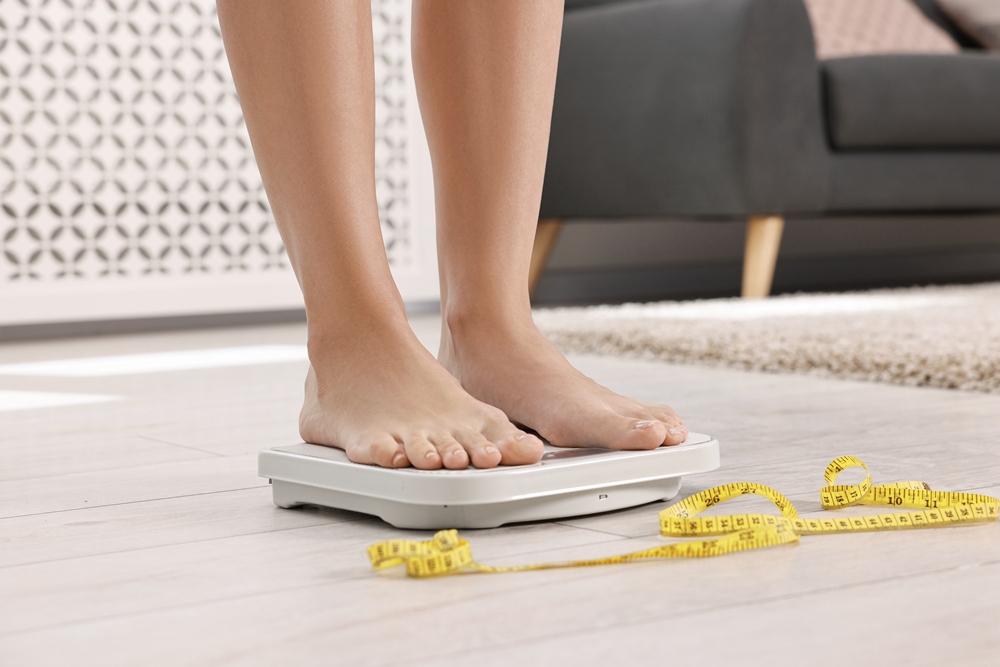
Higher BMI at 20 was linked to a lower risk of post-menopausal breast cancer in an analysis of more than 33,000 women.
Lower breast density later in life may partly explain the link between higher body mass index, or BMI, in early adulthood and lower breast cancer risk after menopause.
The findings could help explain why higher body weight in childhood, adolescence and early adulthood appears linked to lower long-term risk, while being overweight in middle age is associated with increased breast cancer risk.

First author Dr Benoit Jauniaux, a surgical trainee in the North-West Deanery, said: “Researchers in previous studies have observed that women with a higher BMI in childhood or their early adulthood appear to have a lower risk of breast cancer after the menopause, but we have not fully understood why.
“This study suggests that downstream changes to breast density may explain a large part of this effect.”
The study was published in the British Journal of Cancer on 17 September 2026 and was supported by the National Institute for Health and Care Research (NIHR) Biomedical Research Centre (BRC): Manchester.
Researchers at The University of Manchester and Manchester University NHS Foundation Trust followed 33,816 women taking part in the UK Predicting Risk of Cancer at Screening (PROCAS) programme for more than a decade.
They recorded 1,261 cases of post-menopausal breast cancer and compared women’s self-reported BMI at age 20 with breast density measurements from routine mammograms.
Breast density refers to the amount of fibrous and glandular tissue compared with fatty tissue in the breast. Women with denser breasts are known to have a higher risk of breast cancer.
Women with a higher BMI at age 20 generally had lower percentage breast density later in life and were less likely to develop post-menopausal breast cancer.
For every five-point increase in BMI at age 20, the risk of developing post-menopausal breast cancer fell by around 15 per cent. Further analysis suggested lower breast density may account for almost 60 per cent of this effect.
Researchers believe the timing of body weight gains may be crucial because women’s breasts are still developing during adolescence and early adulthood, potentially leading to long-term changes in tissue structure.
The study also found that different measures of breast density may reflect different biological pathways linked to breast cancer risk.
One measure, estimating the percentage of dense tissue within the breast, appeared to capture some of the lasting effects associated with higher body weight in early adulthood. Another measure, based on the total volume of glandular tissue, appeared to be more strongly influenced by body weight later in life.
Senior author Professor Andrew Renehan is professor of cancer studies and surgery at The University of Manchester and programme co-lead in the Cancer Prevention and Early Detection Theme at the NIHR BRC: Manchester/
The researcher said: “These findings do not suggest that gaining weight is protective.
“What they offer is further insight into how breast tissue and consequent breast cancer risk may be shaped across a woman’s lifetime, and we want to understand these mechanisms further.
“Maintaining a healthy weight remains important, because excess weight in later adulthood is linked to a higher risk of breast cancer and many other serious diseases.
“But this study adds to growing evidence that exposures during early life can have lasting effects on health decades later.”

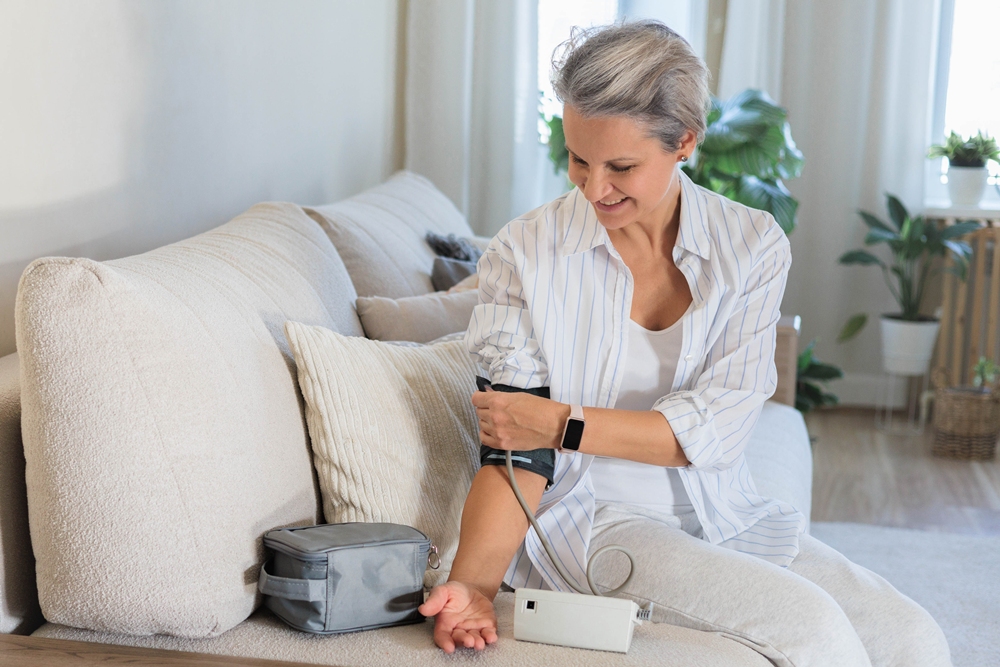
Menopause may not drive rising pulse pressure after midlife, with changes beginning up to two decades before the final menstrual period, a study found.
Pulse pressure, the gap between the upper and lower numbers in a blood pressure reading, is influenced by the stiffness and width of the aorta, the body’s largest blood vessel.
The analysis found that women’s pulse pressure reached its lowest point and began rising in their late 30s, around a decade earlier than in men, regardless of when menopause occurred.
Researchers analysed data from the Framingham Heart Study, a long-running study of cardiovascular risk factors involving three generations of families in Massachusetts.
The study included 6,760 adult women assessed at three health visits over 14 years. Women were grouped according to whether they were premenopausal or experienced early, average or late menopause.
Women whose menopause was induced by surgery or medication were excluded. Researchers also analysed data from 3,248 adult men to examine differences between the sexes.
Pulse pressure typically falls between early adulthood and midlife as the internal space within the aorta increases in diameter, allowing blood to flow more easily.
After midlife, pulse pressure tends to rise as the aorta stops widening and its walls become stiffer. A wider pulse pressure means the heart has to work harder and can contribute to damage in small blood vessels in organs including the brain and kidneys.
The researchers found that the age at which women’s pulse pressure changed from falling to rising was not affected by whether their final menstrual period occurred early, late or at a typical age.
After midlife, pulse pressure increased with age in both women and men, although it rose faster among women. Average pulse pressure was higher in women than men after the age of 60.
Gary F. Mitchell, senior author of the study, said: “To our huge surprise, our results suggest that factors other than the timing of the final menstrual period were likely involved in the accelerated increase in pulse pressure in women after midlife.”
The findings challenge the assumption that hormonal changes associated with menopause contribute to the increase in aortic stiffness seen among women later in life.
However, the observational study could not establish cause and effect. It also relied on participants reporting their age at menopause rather than researchers measuring oestrogen levels.
Most participants were of white European descent, meaning the findings may not apply to people from other racial or ethnic groups.
Wide pulse pressure is an independent risk factor for cardiovascular disease, dementia and kidney disease, according to the researchers, although pulse pressure is not currently included in clinical guidelines for managing blood pressure.
Mitchell said healthcare professionals should consider pulse pressure when assessing middle-aged and older people with high blood pressure, particularly women.
Samar R. El Khoudary, who was not involved in the study, said the findings did not mean menopause had no role in women’s cardiovascular health.
“Vascular aging may begin years before menopause, but that doesn’t mean menopause is irrelevant. The trajectory may accelerate as women enter perimenopause.
“We shouldn’t wait until menopause to start thinking about cardiovascular health.
“By the time a woman reaches her final menstrual period, vascular changes may already have been underway for years. Midlife is an opportunity to identify cardiovascular risk early and intervene before disease develops.”

Women who do strength training may have a lower risk of major cardiovascular disease, particularly alongside aerobic activity, a study suggests.
Cardiovascular disease is the leading cause of death worldwide. Aerobic activities such as brisk walking, jogging, cycling and swimming are already established ways to help reduce the risk.
Strength or resistance training, also known as RT, is less established as a prevention strategy. It makes muscles work against a force and can involve body weight, free weights, resistance bands or machines.

Current US guidelines recommend at least two days of strength training and 150 minutes of moderate-to-vigorous aerobic activity each week.
They also recommend limiting sedentary behaviour, including prolonged television viewing, which is considered an independent risk factor for cardiovascular disease.
Dr Tianyue Zhang, lead study author and scientist in the department of nutrition at the Harvard T.H. Chan School of Public Health, said: “Despite its established health benefits, RT is often overlooked as a prevention strategy for CVD, and its impact on CVD risk, especially in middle-aged and older women, remains understudied.
“A key question is, how much does it add beyond aerobic activity alone?”
Researchers analysed data from 117,025 women participating in the Nurses’ Health Study and Nurses’ Health Study II.
The two groups had average starting ages of 66.8 and 48.1 years respectively.
The women reported their resistance training every four years, with exercises involving the arms and legs recorded separately.
Time spent watching television was used as the main measure of sedentary behaviour.
The researchers examined exercise and television-viewing habits alongside the incidence of major cardiovascular disease.
Major cardiovascular events included fatal or non-fatal heart attacks, strokes, coronary artery bypass surgery and percutaneous coronary intervention.
Coronary artery bypass surgery redirects blood around narrowed or blocked heart arteries. Percutaneous coronary intervention uses a small balloon, often followed by a stent, to open a narrowed artery.
Higher levels of strength training were associated with a lower risk of major cardiovascular disease, particularly heart attacks.
No statistically significant link with stroke was found when resistance exercise was considered separately.
Women completing at least two hours of strength training a week had a 20 per cent lower risk of major cardiovascular disease and a 44 per cent lower risk of heart attack than those doing none.
Each additional hour a week was associated with a five per cent lower risk of major cardiovascular disease and a 14 per cent lower risk of heart attack.
The associations weakened somewhat after researchers accounted for body mass index and conditions including diabetes, high blood pressure and high cholesterol, but remained clear.
Body mass index, or BMI, compares weight with height and is commonly used to assess whether someone is within a healthy weight range.
Strength training was also linked to additional benefits among women who did aerobic activity.
Women completing at least two hours of strength training and 150 minutes of aerobic activity each week had a 45 per cent lower risk of heart attack than those reporting no physical activity.
Women who met recommendations for strength training, aerobic activity and reduced television viewing had the lowest risks of major cardiovascular disease, heart attack and stroke compared with those who met some or none of the recommendations.
Zhang said: “These findings suggest that, within an already active population, RT is associated with additional reductions in CVD risk above and beyond overall aerobic activity.
“Alongside aerobic activity and reductions in sedentary behaviour, RT may be an important component of public health strategies for cardiovascular prevention in women.”
The study relied on participants reporting their own resistance training, meaning the data may not always have been precise.
Researchers also noted the possible influence of unmeasured factors and the limited diversity of participants.
They were unable to fully separate the effects of the type of resistance training performed from the overall amount completed.
Dr Harlan M. Krumholz, professor at Yale School of Medicine, said: “We have long encouraged resistance training, and this study provides strong evidence to reinforce that message.
“It should be included in a well-rounded health routine to support function and longevity.”









 Menopause1 week ago
Menopause may not explain rising heart condition in women – study

 Fertility2 weeks ago
Paracetamol use may impact future fertility, studies suggest

 Insight1 week ago
Women with birth trauma face 2.5x higher healthcare costs – study

 Menopause2 weeks ago
Cancer drug could tackle osteoporosis menopause weight gain

 News1 week ago
Medical cannabis may improve endometriosis symptoms – study

 Cancer1 week ago
Study could explain why obesity is a breast cancer risk factor

 Diagnosis2 weeks ago
FDA approves AstraZeneca breast cancer drug

 Menopause2 weeks ago
Menopause hormone therapy may improve cardiovascular health outcomes, study suggests