




Diagnosis

A chemical linked to fertility problems has been found in 31 of 32 major rivers tested across the UK, raising concern over widespread environmental exposure. The substance, trifluoroacetic acid (TFA), is part of a group known as PFAS – or per- and polyfluoroalkyl substances – often referred to as 'forever chemicals' because they can take [...]

A new training programme in Wales is helping GPs to recognise the symptoms of endometriosis earlier, the Welsh Government says. The Endometriosis in Primary Care training has led to a 43 per cent improvement in GP knowledge of the condition, which affects around one in 10 women of reproductive age and causes tissue similar to [...]

A couple who had been trying to conceive for 19 years have become the first to achieve pregnancy using an artificial intelligence system designed to detect sperm in men with azoospermia – a condition where no sperm are visible in semen. The pregnancy was announced in March 2025 by doctors at Columbia University Fertility Center. [...]

Three Democratic lawmakers have introduced a bill to restrict companies from collecting or sharing reproductive health data, in response to growing concerns over digital surveillance following the fall of Roe v Wade. The “my body, my data” bill was introduced in both the US House and Senate and aims to prohibit businesses from collecting, using, [...]
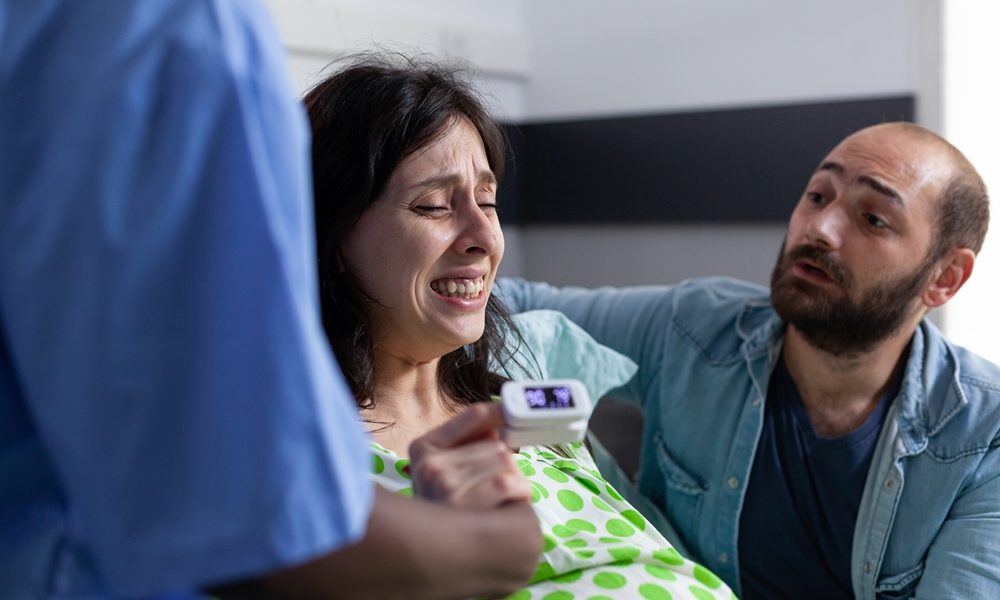
Black and Latinx women are more likely to face serious complications during planned repeat caesareans than White women, new US research has found. While complication rates were similar across all racial and ethnic groups for vaginal births after a previous caesarean, disparities emerged in outcomes for those having planned repeat surgery. Researchers examined severe maternal [...]

Women who experience trauma or hardship in childhood may have up to twice the risk of developing endometriosis later in life, new research has found. A study involving more than 1.3 million women found those exposed to violence in childhood were over twice as likely to be diagnosed with the condition compared to those who [...]
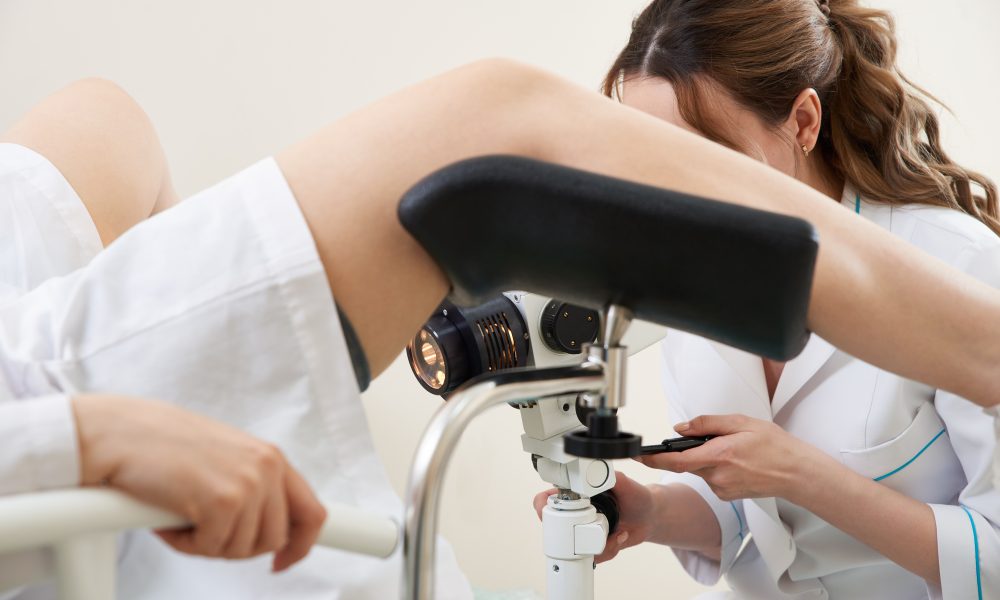
Women aged 25 to 49 in England will be invited for cervical screening every five years instead of three, if they test negative for human papillomavirus (HPV), under new changes beginning 1 July. The update brings England into line with Scotland and Wales, which have already adopted the extended screening interval for women who test [...]
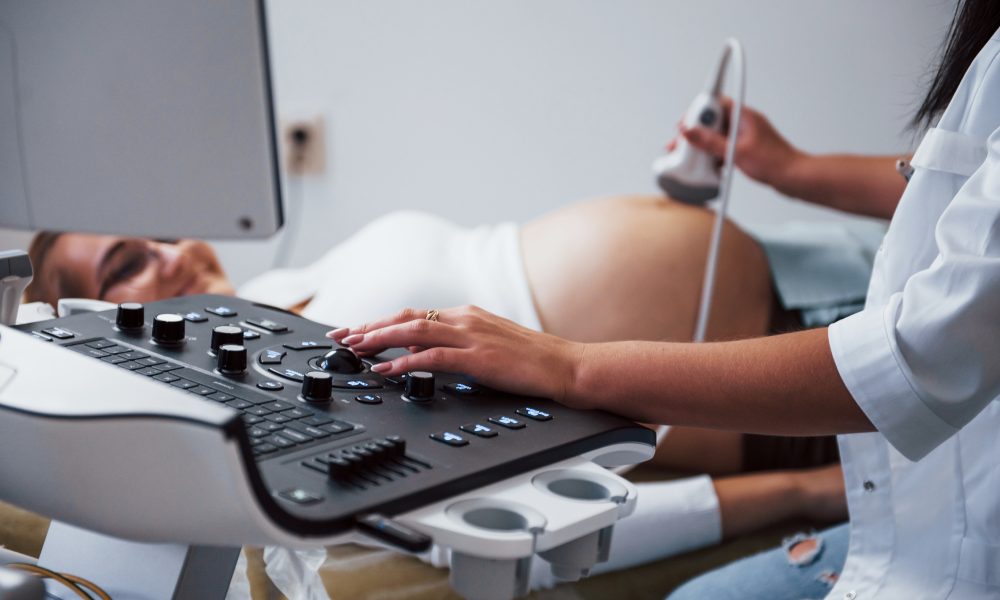
A Victorian woman undergoing IVF treatment received her own embryo instead of her partner’s, Monash IVF has confirmed—marking the second reported mix-up at the fertility company in recent months. The error, which occurred in June, was revealed in a statement to the ASX on Tuesday. Monash IVF said the patient’s embryo was transferred “contrary to [...]

Survivors of domestic violence face a higher risk of brain injury and long-term mental health conditions that can persist for decades after the abuse has ended, new research has found. A new study suggests that among those who suffer physical abuse, repeated head trauma is common—raising the risk of traumatic brain injuries (TBIs) and lasting [...]

A new artificial intelligence tool has improved doctors’ ability to detect skin cancer by 11 per cent, according to research from an international team led by Monash University. The system, named PanDerm, is designed to analyse multiple types of medical images simultaneously to help identify melanoma and other skin diseases more quickly and accurately than [...]
Newsletter
Sign up for free weekly updates
The latest femtech news, research and investment, straight to your inbox.




