




Diagnosis

A healthy gut microbiome before chemotherapy may help protect breast cancer patients from heart damage caused by treatment, new research suggests. Scientists found that specific gut bacteria were linked to biomarkers associated with increased risk of cardiotoxicity – damage to the heart muscle as a result of cancer therapies. The study examined the gut microbiome [...]
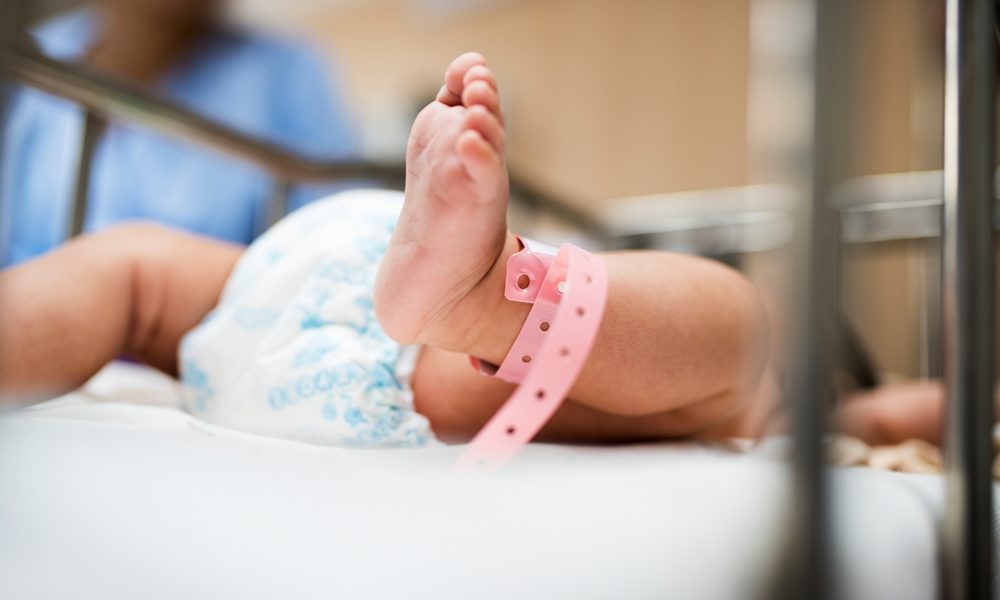
Every baby in the UK will have their DNA tested under a new 10-year NHS plan announced by the health secretary. The whole-genome sequencing initiative aims to detect hundreds of conditions early and offer preventive care before symptoms appear, according to Wes Streeting. This is part of a broader plan to shift the NHS towards [...]

The WHO has released its first global guideline for managing sickle cell disease (SCD) during pregnancy, aiming to reduce health risks that can be life-threatening for women and babies. The guideline addresses a major gap in care for the 7.7 million people living with SCD globally – a number that has increased by over 40 [...]

By David Buller, Managing Partner at KELES The macro opportunity: women are half of the population In 2024 alone, women’s health start-ups raised a record $2.6 billion, up 55 per cent from the previous year. In addition to increasingly recognised health needs in menopause, fertility and female-specific cancers, there are conditions such as cardiovascular disease, [...]

Exposure to wildfire smoke and extreme heat before or during pregnancy may increase the risk of babies being born smaller than expected, particularly in climate-vulnerable neighbourhoods, new research suggests. The study found that women exposed to these conditions as early as the month before conception were more likely to give birth to small-for-gestational-age (SGA) babies [...]

A new gene-editing method can now determine whether certain genetic mutations raise a woman’s risk of breast and ovarian cancer. The technique helps resolve a long-standing issue in genetic testing, where many patients receive inconclusive results showing “variants of unknown significance” – genetic changes that cannot be clearly linked to cancer risk. Using the method, [...]

Women with drug addiction are more likely to access treatment when enrolled in Medicaid alongside other government support programmes, new research suggests. The study found that combining health insurance with services such as childcare and employment assistance significantly increased treatment uptake among women with drug use disorder (DUD) and opioid use disorder (OUD) – conditions [...]

MPs have voted to scrap criminal penalties for women in England and Wales who end their own pregnancies, following a string of controversial cases in recent years. Labour MP Tonia Antoniazzi’s amendment to the Crime and Policing Bill was backed in the Commons by 379 votes to 137, a majority of 242. The proposal would [...]

Routine mental health screening for new fathers is needed to protect child development, experts have warned, citing research linking paternal depression to poorer outcomes in children. A systematic review found that fathers experiencing depression, anxiety or stress during the perinatal period – the time shortly before and after birth – were more likely to have [...]
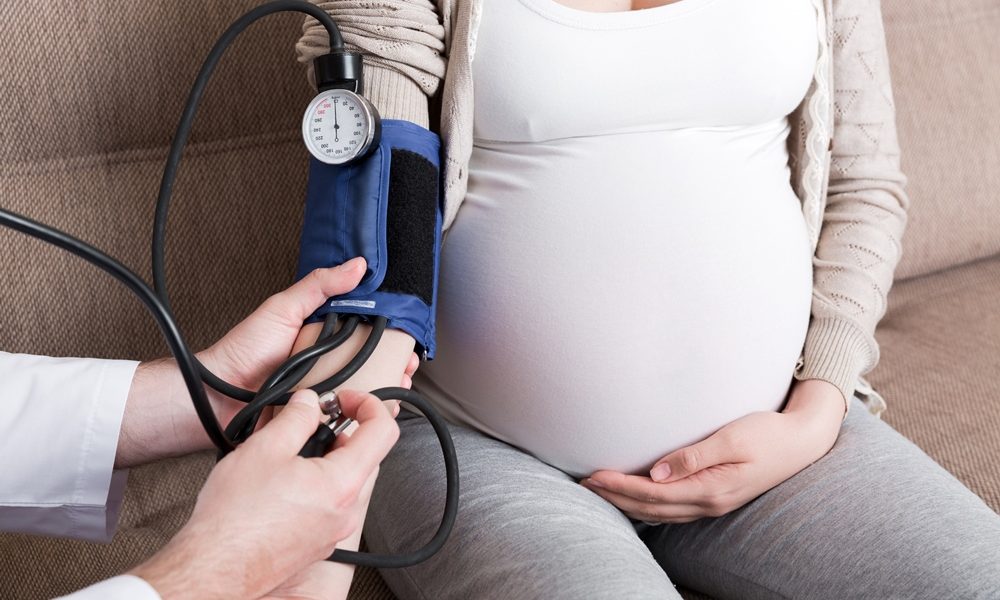
High blood pressure during pregnancy may raise the risk of seizures in children, according to new research. The condition, known as gestational hypertension, affects nearly 16 per cent of pregnancies in the US. It has previously been linked to complications such as stillbirth and premature birth, largely due to reduced blood flow through the placenta. [...]
Newsletter
Sign up for free weekly updates
The latest femtech news, research and investment, straight to your inbox.




