




Tech & devices

GE HealthCare has secured US FDA authorisation for Pristina Recon DL, an AI tool that sharpens 3D mammogram images to support breast cancer detection. Breast cancer is one of the most common cancers in women, with around one in eight expected to receive a diagnosis in their lifetime and more than a million deaths projected [...]
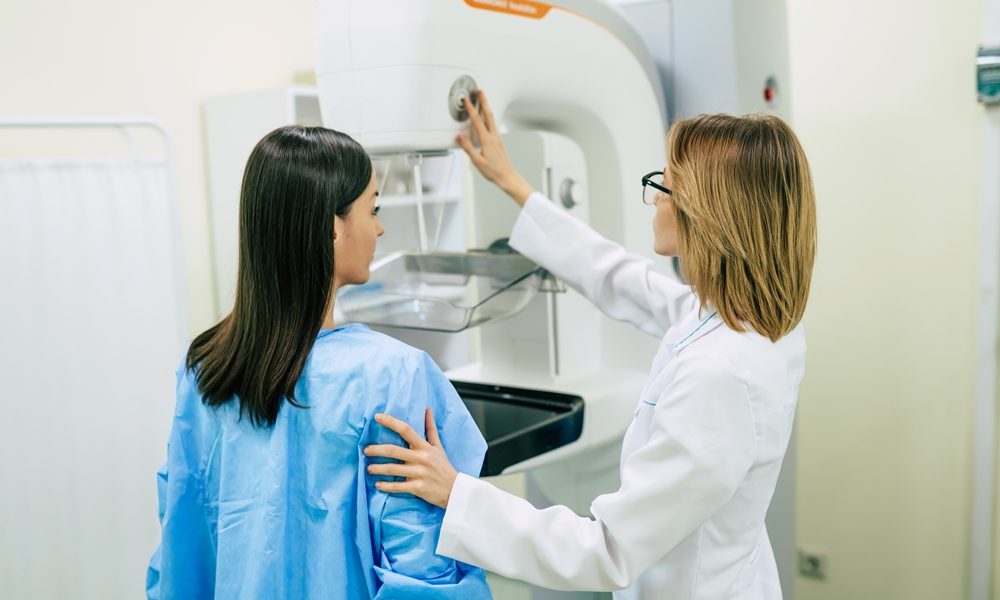
An artificial intelligence model predicts five-year breast cancer risk more accurately than traditional breast density assessment, new research shows. The image-only AI model, called Clairity Breast, showed that women in its high-risk group had more than a fourfold higher cancer incidence than those in the average-risk group (5.9 per cent vs 1.3 per cent). Breast [...]

By Maxime Kryvian, co-founder and CEO of MyCelsius Menopause remains one of the biggest taboos in women’s health. Often treated as a private matter to be discussed quietly, when it is a significant life stage that deeply affects the physical, mental, and social well-being of millions of women. Yet menopause symptoms are still [...]

Manta Cares has secured US$5.4m to expand its digital cancer platform, which helps patients and care partners manage treatment complexity. The company offers a free platform to track symptoms, medications, appointments, treatment decisions and daily logistics. Founded and led by chief executive Samira Daswani, a breast cancer survivor and entrepreneur, the company aims to simplify [...]

UK biowearable startup Emm has raised £6.8m to launch what it claims will be the world's first smart menstrual cup with connected app. The London-based company says its device measures flow volume and tracks cycle metrics such as duration, frequency and regularity, offering personalised health insights. The cup uses medical-grade silicone with sensors developed over [...]

Femtech World explores the latest research and technology developments in the world of women’s health. New insulin delivery technology supports healthier pregnancies An international study has found new insulin delivery technology helps control glucose levels during pregnancy for those with Type 1 diabetes, which is crucial to the health of women and their newborns. The [...]

Automated insulin delivery improves glucose control in pregnant women with type 1 diabetes, an international study has revealed. The technology, which mimics a healthy pancreas, adjusts insulin from a pump in real time using current and predicted glucose. Keeping glucose in range supports the health of both mother and baby. An international clinical trial assessed [...]

Women with intellectual disabilities could receive added monitoring for breast cancer with the development of a smart textiles bra by researchers at Nottingham Trent University (NTU) and the University of Glasgow (UofG). Funded by Cancer Research UK, a team of scientists and designers are developing an electronic textile which would fit inside a bra and [...]

Herself Health and Midi Health will deliver hybrid care in Minnesota, linking virtual menopause support with in-person primary care across the Twin Cities. The collaboration connects Midi’s virtual services for midlife women, including perimenopause and menopause care, hormone therapy and mental health, with Herself Health’s primary care available online and at five clinics in Minneapolis–St [...]

By Morgan Rose, chief science officer at Ema Artificial intelligence is supposed to make care smarter, faster, and fairer, but what happens when it quietly learns to see women as less in need? New research from the Care Policy and Evaluation Centre (CPEC) at the London School of Economics, led by Sam Rickman, reveals a [...]
Newsletter
Sign up for free weekly updates
The latest femtech news, research and investment, straight to your inbox.




