




To receive the Femtech World newsletter, sign up here.
News
‘No more cute mentorship programmes’: femtech community reacts to Women’s Health Strategy
Femtech entrepreneurs have expressed concerns over the government’s lack of clarity around the 10-year strategy


Women in the femtech community have reacted to England’s Women’s Health Strategy, amid fears that the government could be using the initiative as a “short-term vote-winner”.
Femtech entrepreneurs have asked for more innovation support, warning that a failure to provide enough funding could hamper the ambitions of the strategy.
The women have told Femtech World that the UK government should be held accountable to ensure its commitment to tackling health inequalities goes beyond “mere election-year rhetoric”.
The Women’s Health Strategy, developed and published in 2022, aims to address longstanding gaps in the health and care system.
The initiative seeks to improve care for menstrual and gynaecological conditions, expand women’s health hubs and accelerate research.
While many women’s health organisations have welcomed the plan, women in the femtech community have raised concerns about the government’s lack of clarity.
“It’s good to see the government prioritising women on their agenda, but I don’t see specific numbers,” Hélène Guillaume, founder and CEO of the training and nutrition app Wild AI, told Femtech World.
“One in ten women in the UK suffer from endometriosis and go undiagnosed for an average of seven and a half years. I’d like to see a commitment to reduce that to six months.
“I’d like the government to make including women in research compulsory, as 80 per cent of the medical research is still done on males – I’d like to see them pledging actual funding on this.
“We need more funding commitments to innovation. The government could and should play a role here too by investing in women. No more cute mentorship programmes, but actual cash.”
Valentina Milanova, women’s health expert and founder of the gynaecological start-up Daye, said: “It is crucial to hold Sunak’s cabinet accountable to ensure their commitment goes beyond mere election-year rhetoric.
“To significantly improve gynaecological health in the UK, the government should focus on increasing both public and private funding for innovations related to vaginal, menstrual, hormonal and reproductive health, which is currently shamefully low.
“Before Brexit, British start-ups, universities and researchers had access to funding from the European Innovation Council (EIC) through their venture capital investment scheme, which could provide successful applicants with up to 15 million euros for research and development.
“Rejoining the EIC venture capital program for R&D is a concrete step the current government can take to demonstrate its commitment to addressing the gender gap in healthcare and medicine by increasing funding opportunities in this underdeveloped field.”
Although the UK government has promised to use the strategy to “reset the dial on women’s health”, many femtech entrepreneurs feel that they are still being kept in the dark about the plan.
“From the pledge, it is unclear how the strategy will improve the overall state of women’s health,” said Jasmine Tagesson, co-founder and COO of Hormona. “There is so much to do and so many areas to improve.
“As a company that focuses on hormone health due to its massive impact on women’s overall health, we hope that the government doesn’t forget to look at the bigger, underlying issues that impacts women’s health.
“Hormone health is closely tied to the issues highlights, such as painful periods and postpartum issues and as such, we hope that the government will provide support for start-ups such as ourselves so that our efforts can help further research into different areas of women’s health.”
Dr Bryony Henderson, GP and associate medical director at Livi UK, said: “While this announcement is a positive step forward, it is essential that the strategy be comprehensive, adequately funded and inclusive of diverse perspectives and experiences.
“I urge the government to ensure that initiatives address the intersectional nature of women’s health, prioritise accessibility and equity and foster collaboration among healthcare providers.
“Long-term commitment and ongoing evaluation will be crucial to effectively address the complex and varied needs of women, while ensuring that every woman is given the fundamental right to make decisions about their body.”
She added: “In implementing the strategy, it is important to address gaps in the healthcare infrastructure, particularly in underserved areas. Ensuring equitable access to quality care, including specialised services and treatment options, is vital for improving health outcomes and reducing disparities.
“While research is essential, I would like to see preventative care and health promotion initiatives prioritised to empower women with knowledge and tools to maintain their reproductive health. This could include education on healthy lifestyle choices, regular screenings and preventive measures to reduce the risk of disease.”









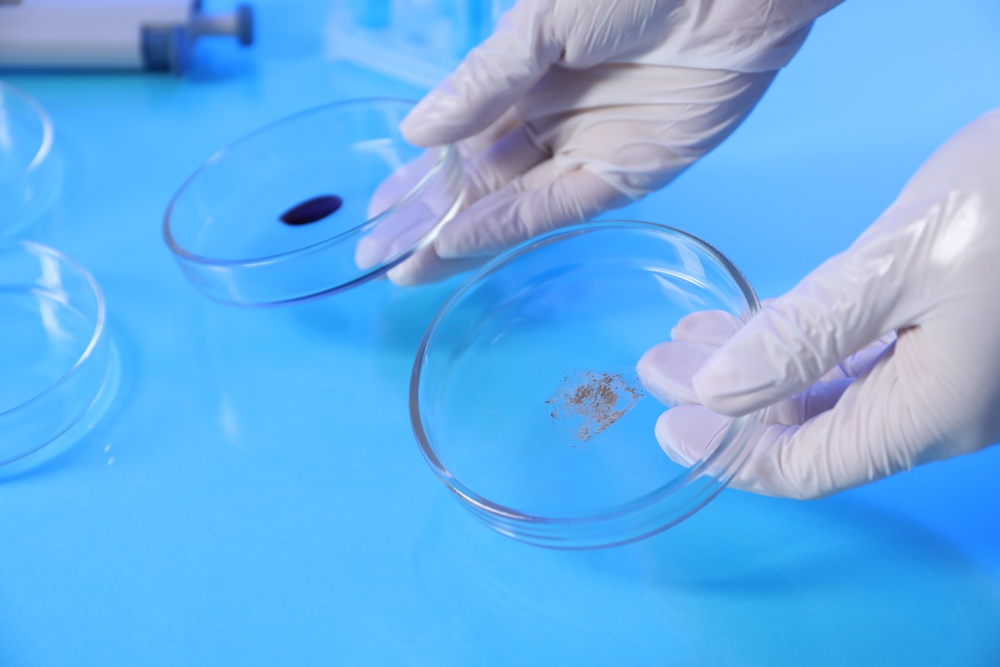
Juno Bio has secured US$3.8m to expand its diagnostics platform for vaginal health and reproductive care.
The funding round was led by Ada Ventures, with participation from Artesian, Entrepreneur First and Illumina Accelerator.
The women’s health startup said the seed funding will support the launch of its first CLIA-certified sequencing laboratory in Oakland, California, and a new clinical vaginal microbiome and STI test for healthcare providers.
CLIA certification refers to US laboratory standards for testing human samples used in diagnosis, prevention or treatment decisions.

Dr Leighton Turner, co-founder and chief scientific officer of Juno Bio, said: “The vaginal microbiome is still one of the least understood systems in the body at a clinical scale.
“With our lab, we’re starting to build a measurement standard that clinicians can actually use.
“We believe the level of detail from this kind of testing can meaningfully improve how vaginal healthcare is provided.”
The company is developing precision diagnostics for vaginal health, where patients can experience recurring symptoms, inconsistent diagnoses and treatments based on trial and error.
Juno Bio said bringing testing in-house gives it greater control over the process, from sample handling to results, while allowing it to refine its technology and build what it says is one of the largest datasets focused on the vaginal microbiome.
The vaginal microbiome is the community of bacteria and fungi that naturally live in the vagina. Changes in this balance can be linked to infections, symptoms and wider reproductive health issues.
Juno Bio’s newly launched clinical test examines the wider vaginal microbiome and screens for four common sexually transmitted infections, or STIs.
Rather than looking for a single cause, the test is intended to give clinicians a broader picture of what may be contributing to symptoms.
Juno Bio says this matters because multiple infections can occur at the same time and microbiome changes may be linked to fertility, menopause or recurrent infections.
Dr Anna Powell of Johns Hopkins said: “Vaginal microbiome testing has the potential to significantly reshape how we understand and manage vaginal health, particularly for patients with recurrent or unexplained symptoms.
“While the field is still evolving, advances in sequencing and data interpretation are moving us closer to a future where more personalised, microbiome-informed care can complement existing diagnostic approaches.”
Check Warner, co-founding partner at Ada Ventures, added: “Juno Bio is setting a new standard for how vaginal health is understood and managed.
“What they’ve built at this stage, with this level of capital efficiency, is exceptional.
“We’re proud to support the team as they scale their clinical infrastructure and continue leading innovation in this critically underserved category.”

Black women in the UK want clearer, more accessible breast cancer screening information, research has found.
The study looked at why Black African and Black Caribbean women are less likely than white women to attend breast screening.
Researchers at the University of Surrey held focus groups and interviews with 47 Black African and Black Caribbean women aged 50 to 71.

Women in this age group are routinely invited for NHS breast screening.
The researchers said only 45 per cent of Black women attend screening, compared with 63 per cent of white women.
Anietie Aliu, lead author, postgraduate researcher at the University of Surrey and registered nurse, said: “Diagnosing breast cancer early can dramatically improve a person’s chance of survival.
“Breast cancer screening plays an important role in this by identifying the cancer and ensuring a person receives speedy treatment.
“Despite the importance of screening, Black women are less likely to attend appointments than white females.
“This puts them at risk of a potential cancer being diagnosed late and spreading to other areas of the body. We need to understand what is preventing Black women from attending these appointments and help identify ways to remove such barriers.”
The study found a need to increase awareness of breast cancer screening, especially among women less familiar with the service.
Some women, particularly those born outside the UK, knew little about breast screening before receiving their first invitation.
Others questioned why they needed screening when they had no symptoms.
The importance of trusted conversations was also identified.
Researchers found that some Black women expected their GPs to speak to them about breast screening, particularly before they reached screening age.
Although NHS breast screening is organised through national screening services, researchers said GPs often have established relationships with patients and may be well placed to offer brief advice on preventive care, including breast screening.
Participants called for stronger links between GP practices, breast screening services and Black community champions.
They said this could help women receive trusted information, ask questions and feel reassured.
Faith and religious beliefs also shaped decisions for some women.
Some Black African Christian women said illness, including cancer, was not permitted by God in their bodies, while others saw screening as a personal choice that did not conflict with Christian faith.
Muslim women highlighted the importance of being able to state their religion on medical appointment forms to help ensure they were seen by a female mammographer.
A mammographer is a healthcare professional trained to carry out breast screening scans.
Aliu added: “Breast screening can save lives, but our findings show that attendance is shaped by multiple factors, not just awareness, although awareness remains important.
“Women need relatable screening information, reassurance, flexible appointments and services that are accessible within their communities.
“Many felt that invitation letters were too formal, and that leaflets and media imagery did not reflect them, making it harder to relate to screening.”
Dr Afrodita Marcu, senior research fellow at the University of Surrey and member of the research team, said: “We need a more collaborative approach, where primary care, screening services and community voices work together to support women before, during and after the invitation.”
The researchers said future breast screening interventions should be designed with Black women, rather than for them.
They said user-friendly and culturally relevant resources, developed with communities, healthcare professionals and screening services, could improve understanding, reduce fear and make breast screening feel more accessible and reassuring.
Dr Robert Kerrison, associate professor of cancer care at the University of Surrey, said: “There is no question that breast screening can be lifesaving, but we need to make it easier for women to understand, access and feel reassured by the programme.
“This means improving communication, addressing practical barriers and making sure healthcare professionals and community partners are supported to provide clear and trusted information.”
The team has also explored healthcare professionals’ perspectives and worked with stakeholders to develop user-friendly materials with Black women.
Researchers said this co-designed approach could help ensure breast screening messages are culturally relevant, practical and shaped by the people they are intended to support.
Insight
“Women’s voices should be heard and pain should never be ignored,” says Wales’s first Women’s Health Minister


Women’s pain should not simply be endured, Wales’s first women’s health minister has said.
Delyth Jewell said she was determined to tackle the normalisation of pain in women’s healthcare and ensure women’s voices are listened to.
Speaking during a Women’s Health Summit at the Temple of Peace on Thursday, July 16, she said: “For too long, women’s health has been treated as an afterthought. No woman should be afraid to speak up about pain or things that don’t feel right.
“Women should be believed about their bodies, and I am determined to change the culture that has let too many women down.”
She added: “Women’s voices helped create the Women’s Health Plan. Now we’re making sure those voices continue to shape what comes next.”
The summit brought together clinicians, researchers and women with lived experience to tackle the normalisation of pain in healthcare and identify how women’s voices can better shape NHS services.
Lived experience means insight from people who have personally gone through a health issue or used healthcare services.
The event focused on pain linked to clinical procedures and long-term health conditions, drawing on research evidence, clinical expertise and women’s personal experiences.
Following the summit, minimum standards for service user engagement will be drafted to ensure women’s voices continue to influence the delivery and future priorities of the Women’s Health Plan.
Service user engagement means involving people who use health services in decisions about how care is designed, delivered and improved.
Work will also begin to refresh and strengthen the plan, including gathering feedback directly from women across Wales.
The NHS Wales Women’s Health Plan was developed after discovery work in 2022, when women across Wales shared their experiences of healthcare.
Many said they had not felt listened to, had symptoms dismissed or had lived with pain for years before receiving a diagnosis.







 Insight2 weeks ago
Women with PMOS should have annual NHS checks, new guidance says

 Diagnosis1 week ago
Two “gamechanger” tests set to speed up endometriosis diagnosis on the NHS

 Menopause2 days ago
New menopause drug approved for use by NHS in Scotland
 Cancer1 week ago
Thousands of women could avoid painful cancer exam with new AI blood test

 News2 weeks ago
Breast cancer biosensor and low-cost ultrasound startups win women’s health AI competition

 Entrepreneur1 week ago
Applications open for the third W Accelerate with Merck KGaA and M Ventures

 News2 weeks ago
Clue spotlights seven women’s health journeys in new campaign
 Fertility1 week ago
Older women face lower chance of fertility treatment working, even with donor eggs, study finds