













To receive the Femtech World newsletter, sign up here.
Q&A
Women missing cardiac rehab despite key benefits, study finds

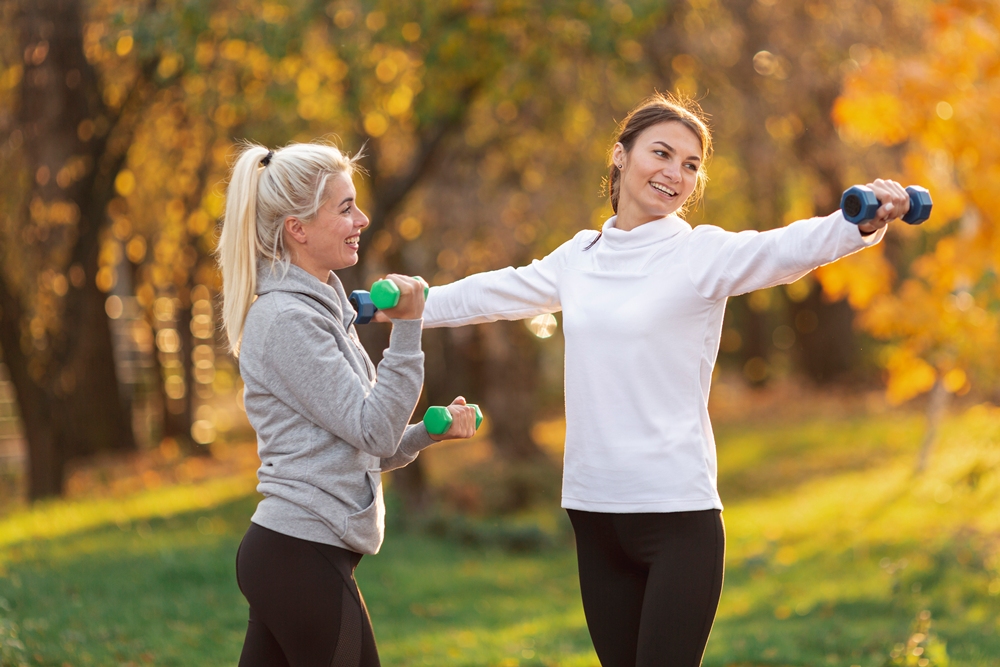
Women are underutilising cardiac rehabilitation programmes despite clear evidence they reduce hospital readmissions and the risk of future heart attacks, new research shows.
Even when women do join these exercise, lifestyle and education programmes after heart surgery or major cardiovascular events, they are less likely than men to complete them.
An American Heart Association scientific statement highlights the benefits of cardiac rehabilitation, barriers to access, and potential ways to increase participation among women.
It was co-authored by Jessica Golbus, a cardiologist at the University of Michigan Health Frankel Cardiovascular Center.

Cardiac rehabilitation combines supervised exercise sessions, education about heart-healthy living, and counselling to reduce stress and improve mental health following a cardiac event.
Patients typically attend several sessions a week for multiple weeks or months.
Golbus said: “Even when women do participate, the research tells us that they are still less likely to complete cardiac rehabilitation as compared to men.
“There are several barriers that women face to accessing cardiac rehabilitation, and existing programmes may fail to adequately address their specific needs.”
Women are referred for cardiac rehabilitation less often than men, with clinicians less likely to discuss it with female patients.
This gap is even wider among women from underrepresented racial groups.
Other barriers include insurance coverage, transportation problems, social isolation and caring responsibilities.
Women are more often the primary caregivers in families, which can make attending regular sessions difficult.
Research shows women who do take part benefit just as much as men — with lower blood pressure, better cholesterol levels and an improved quality of life.
Golbus said: “There is so much research that shows how cardiac rehabilitation is an essential tool for patients to optimise their recovery.
“I would encourage anyone who thinks they might be eligible for cardiac rehabilitation to talk to their clinical team and consider participating.”
Women recovering from cardiac events often have specific needs that existing programmes do not always meet.
They are more likely than men to experience depression and emotional distress after a heart event, and tend to be older at diagnosis, with additional health conditions that may restrict their exercise capacity.
They are also more likely to be referred following less common cardiovascular conditions such as coronary artery dissection — a tear in the wall of a heart artery — rather than the more typical heart attacks that usually lead to referral.
Golbus said: “Despite women having some unique needs, the research supports that all patients that qualify for cardiac rehabilitation have the potential for benefit.”
The statement outlines several ways to close the participation gap.
Automatic referral systems could significantly boost enrolment, while direct recommendations from physicians or case manager support have been shown to improve awareness and attendance.
Golbus said: “All of this points to a clear need for targeted interventions to improve cardiac rehabilitation participation and outcomes among women.
“I think the approach needs to be multi-faceted.”
Tailored programmes for women could help — such as offering a wider range of exercise options, more focused education and stronger psychosocial support.
Peer support groups after cardiac diagnoses are also linked to better quality of life and lower depression and anxiety scores.
Golbus said: “Women may also benefit from a peer support group after a cardiovascular diagnosis or event.
“Participating in those groups is linked to increased quality of life and lower depression and anxiety scores, which all affect cardiac rehab attendance.
“Finally, there is reason to explore virtual cardiac rehab that incorporates digital health technologies.
“This could eliminate the need for transportation to sessions and potentially improve access for patients who are unable to attend centre-based cardiac rehabilitation.”
The way we look for health information has changed a lot.
Search engines are full of confusing advice, and more and more people are turning to TikTok for answers, even though it’s risky.
Lina felt this struggle herself— being disappointed by multiple first time visits of various doctors she spent hours scrolling through Google and TikTok, trying to find reliable health information after not having a period for years.
Her frustration led to the creation of femble—a platform for womens health that allows you to find and follow health-experts within seconds.
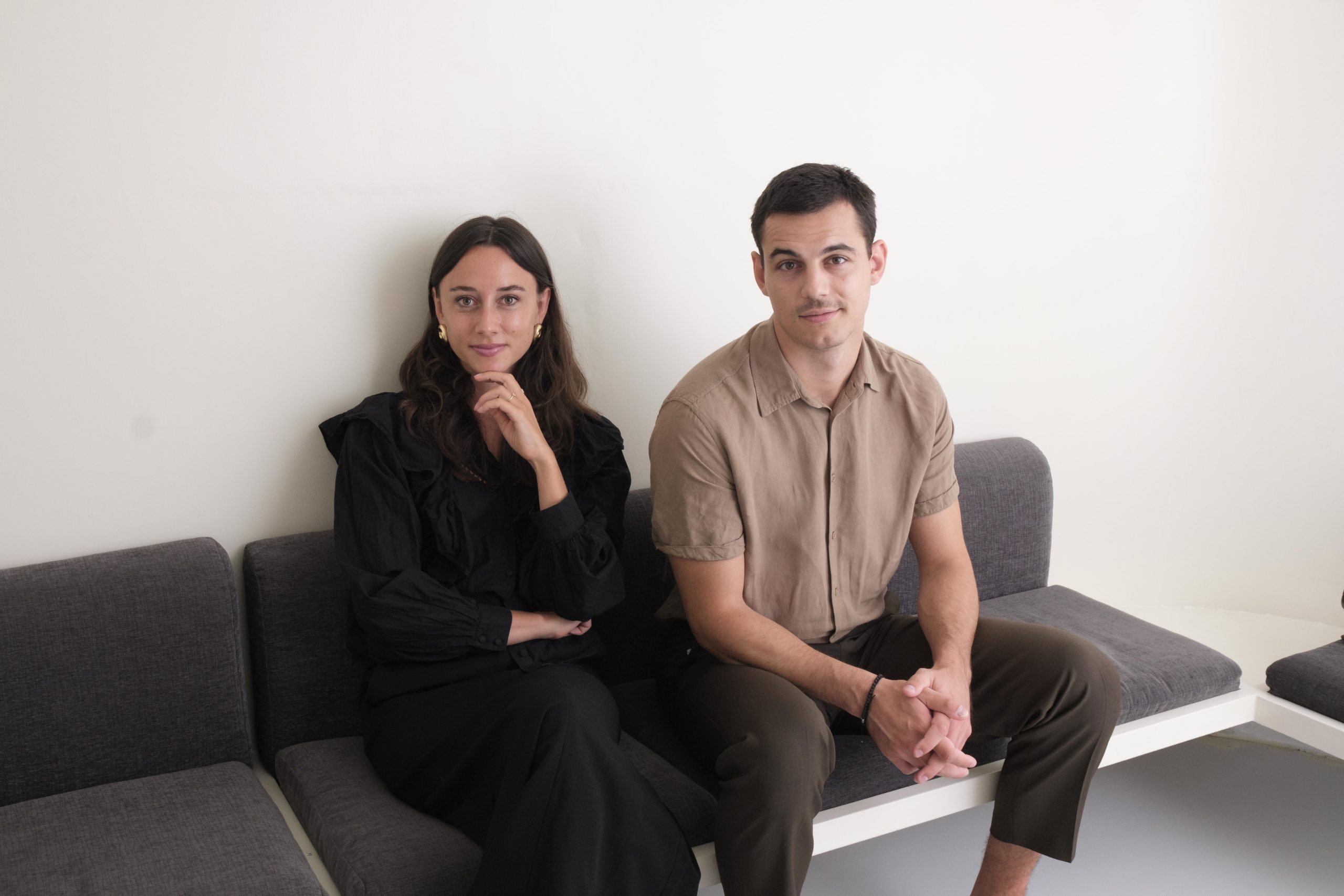
Here, the founders Lina Graf and Daniel Steiner tell us more about the journey and why femble transforms our access to health information.
Lina, what was the founding idea behind femble?
We all have googled symptoms and thought “this is nonsense” or “it’s annoying to go through all those pages”.
This is particularly true for women who still are often dismissed by our health-care systems and have to rely on digital sources.
The concern is that TikTok is increasingly replacing Google as the go-to source for health questions among Gen Z, which brings its own set of risks.
So we face the issue of needing quick access to engaging information, but also making sure it’s valid.
With femble, we close this gap by enabling health-experts to build a digital presence while enabling women* to search and find valid information in a second.
Daniel, what motivates you to build femble even though the end result might not be helping you directly?
First of all thanks for having us and doing what you do.
Secondly I see a massive need and obligation of a new generation of men challenging systems that ultimately mostly other men have built.
This also accounts for the health-care system. And besides that, there have been other men in the fem-tech way before me – be it the founders of Flo health or the co-founder of Clue.
Ultimately working together, no matter what gender is even anchored in our name: femble. Fem for female, ble for ensemble – together.
What’s the market potential for femble, especially considering the current state of healthcare systems, Lina?
Healthcare systems are facing immense pressure globally, leading to a decline in quality and health literacy.
femble steps in as a solution by directly connecting women with expert-verified health information, increasing health literacy and guiding patients to the right resources.
For doctors/health-experts, this means a more efficient use of their time, allowing them to focus on quality care while reaching a broader audience through our platform.
This approach has the potential to significantly enhance doctor patient connection.
By empowering both patients and doctors, femble is set to make a significant impact in the healthtech landscape.
Daniel can you give us some insights on how the platform works exactly again? Do I get answers to specific questions or insights based on my profile?
Right now, femble offers a feed with verified knowledge from health experts, similar to how you’d consume social media content.
Our next phase is launching a search engine feature, enabling users to search for specific questions and content.
Then users can really find and follow health-experts within a second – you get to know a team of experts before you even had an appointment with them so to speak.
How many users and experts are on the platform by now?
We have thousands of monthly users and dozens of experts who are already building their following on femble.
What’s exciting is that over 55 per cent of our users engage with the platform weekly.
We’re starting to receive a lot of requests by various health-experts who want to educate their own patient base better and get guidance on how to create video-content.
So figuring out how to scale and automize health-expert onboarding is a challenge we currently work on and you can expect to see many more experts on the platform within the next couple of weeks and months.
Sounds amazing. Last question: What’s your vision for femble?
femble aims to make health as accessible as TikTok, but as trustworthy as a doctor’s office.
Our vision for femble is that it becomes the number one search engine for health questions and enables us all to continuously find trustworthy information – also meeting the demands of today’s generations.
Find out more about femble at femble.co
Q&A
Femasys founder Kathy Lee-Sepsick on entrepreneurship and the need for innovation in women’s health

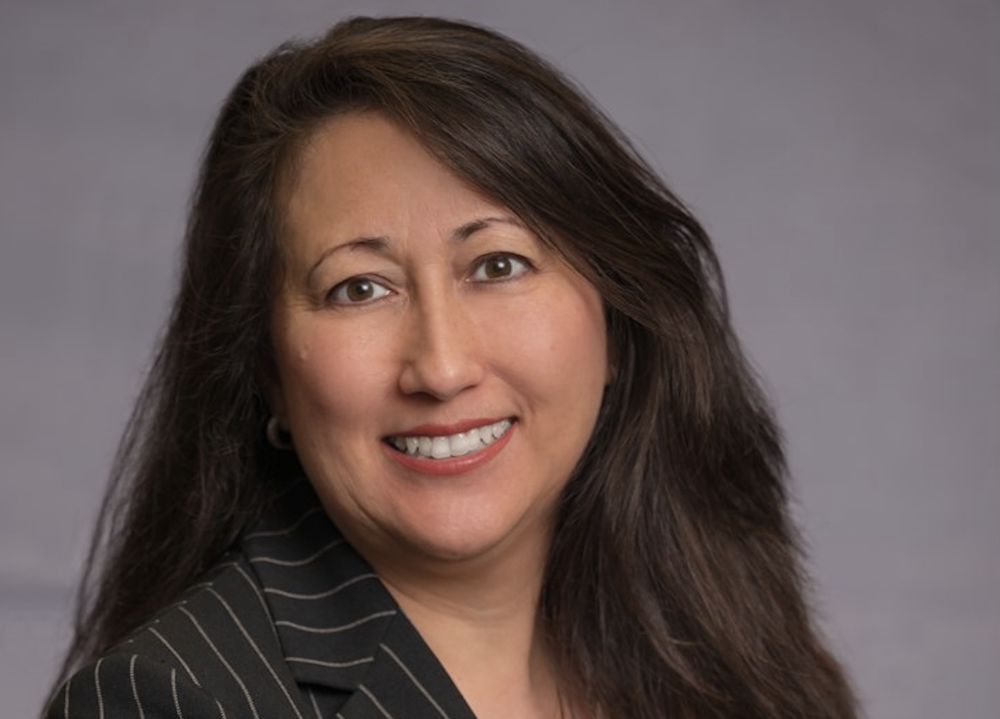
Kathy Lee-Sepsick, founder and CEO of the biomedical company Femasys, opens up about her entrepreneurial journey and what nearly three decades of experience as a top medtech executive have taught her.
Could you tell us about your background and how you got into women’s health?
I spent 10 years in various leadership roles at medtech companies focused in the cardiovascular and orthopaedics specialties. During this time, I realised how underserved the women’s health area was in comparison and the available solutions for reproductive health needs, specifically in permanent birth control were unsuitable.
With inventions that I felt were revolutionary to address the unmet needs in critical areas of reproductive health, I made the decision to start Femasys in 2004.
What inspired you to create Femasys?
I was inspired by my daughters and desire to create solutions that would offer women suitable reproductive health options in areas that have seen little-to-no innovation.
In addition to realising a widespread global need, I personally faced the same challenges as others when I encountered inadequate options for my own reproductive care. I believe Femasys has the potential to create lasting change.
How would you describe Femasys in a few words?
Femasys is a female-founded and led biomedical company focused on empowering women worldwide as they seek solutions throughout their reproductive journeys by providing revolutionary products that are affordable and accessible.
How would you describe the impact and importance of your work?
Technological advancements in female reproductive health are long overdue, which has driven our focus to develop in-office, accessible, and innovative options. The work we are doing in infertility and permanent birth control are game-changers and have the potential to transform the landscape for women, couples, and their families.
Our work is so important because no one else is focused in advancing these much-needed technologies, which has the opportunity to impact women for generations to come.
People may be thinking ‘How is Femasys transforming women’s healthcare worldwide?’. What’s your response to that?
The product solutions we are advancing address issues women are facing worldwide. We are dedicated to not only helping women here in the US but around the globe as we work to amass country approvals for our product initiatives.
As a small emerging company, the allocation of resources and funds for this effort demonstrates our commitment.
What is the best part about being an entrepreneur in this space?
It is hard pressed to find a space in healthcare that is this neglected, so the best part is knowing every day that the work we are doing has the potential to make such a significant impact worldwide. Executing on our mission is a constant responsibility that bears immeasurable satisfaction as we achieve our goals.
What is your greatest achievement since establishing Femasys?
My greatest achievement since establishing Femasys is making our products available to women in the US and other countries outside the US as we gain regulatory approvals of our important technologies.
This includes FemaSeed for the next generation of artificial insemination, FemVue for diagnosis a woman’s fallopian tubes with ultrasound, and FemCerv for obtaining a comprehensive tissue sample for diagnosis of cervical cancer.
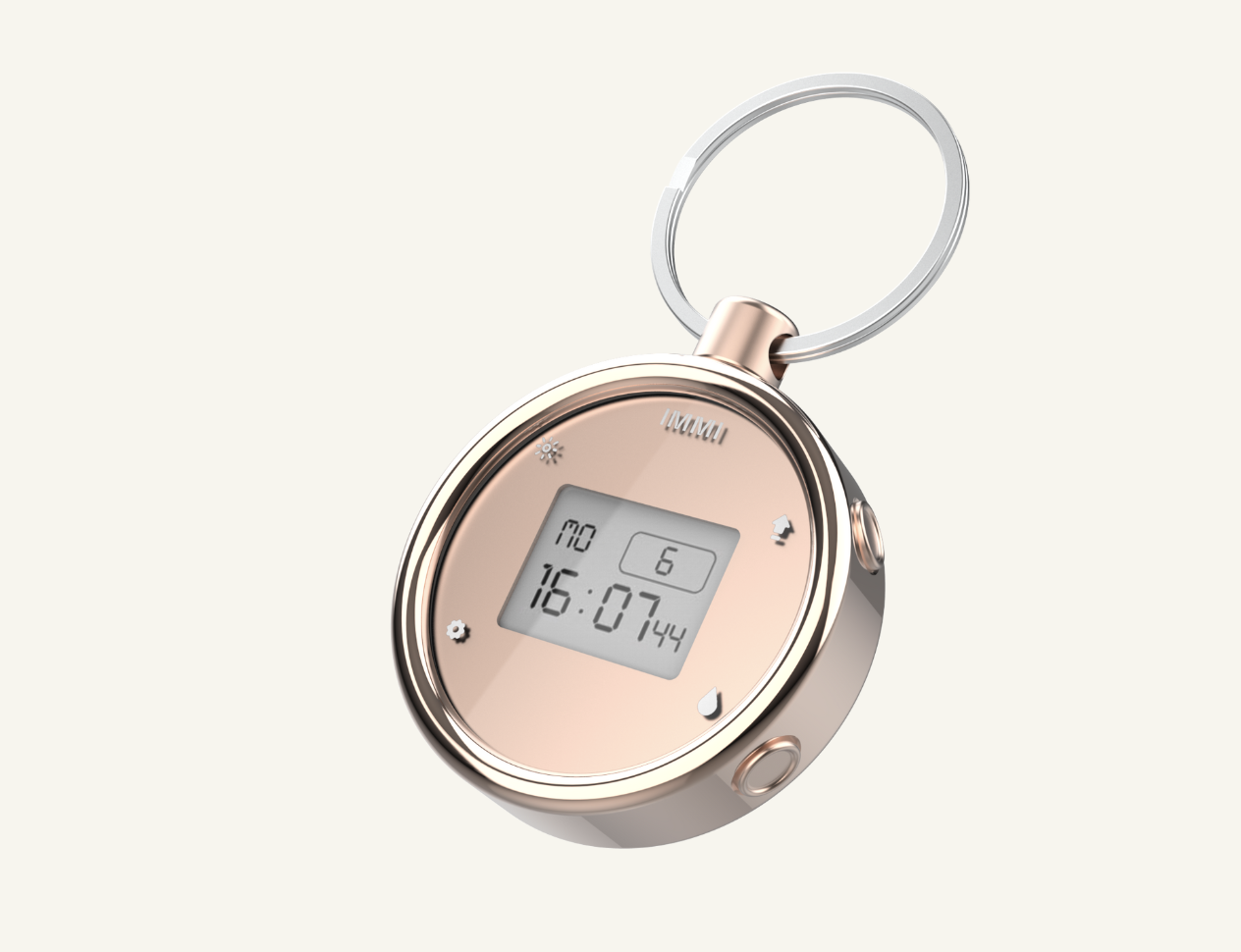
Tired of apps? Enter IMMI, the period tracking device you didn’t know you needed.
The IMMI tracker is a device that can learn to track and monitor your menstrual cycle without an app or smartphone.
The gadget, which doesn’t require internet connectivity, is suitable for any geographies, communities and ages and promises to positively impact women’s sense of agency, body literacy and overall self-esteem and mental health. Founder and CEO, Sarah Cottee, tells us all about it below.
How would you describe IMMI in a few words?
IMMI is building simple, private, fashionable menstrual tracking consumer products that don’t require internet connectivity to work; think tamagotchi that also warns you when your period is due!
What inspired you to create IMMI?
I was working in private philanthropy, funding social enterprises throughout South East Asia and living in Manila, where I saw firsthand the lack of access to education that women and girls had.
Around the same time I had come off hormonal birth control and was on my own journey of getting to know my body and cycle.
I was very concerned with the privacy limitations of the period tracking apps, so I set out to create a solution that mitigated my worries, and was accessible to women and girls everywhere.
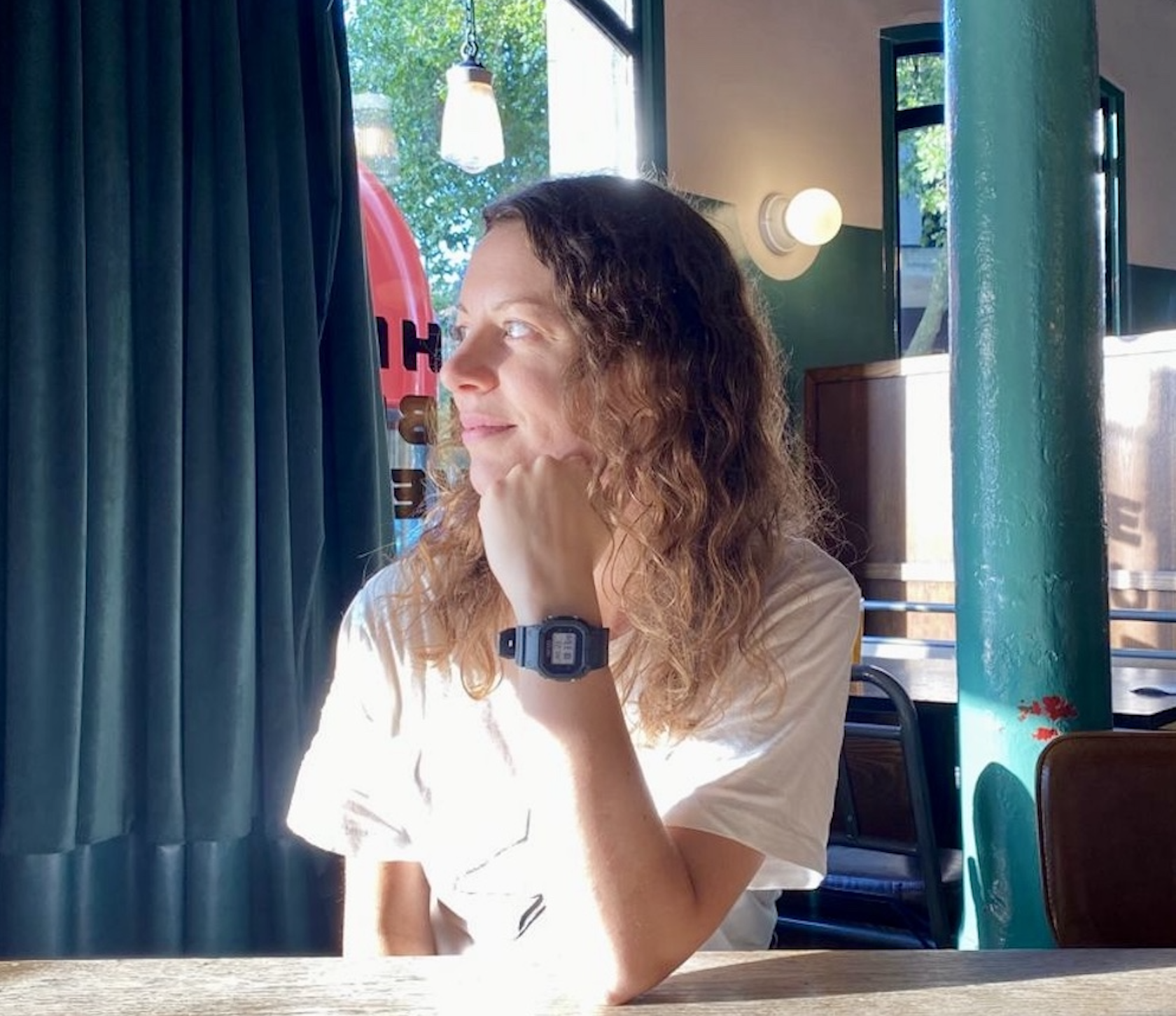
Sarah Cottee, founder and CEO of IMMI
My passion for women’s health, however, runs in the family. My grandmother, an Irish midwife living in Liverpool, taught women in the local community about cycles and fertility, and worked closely with the University of Birmingham on early, pioneering research they were doing in this space.
As you were building IMMI, what was the need you identified?
It was two fold; the average age that girls download period tracking apps is 21, and considering they start their periods around age 12, this is a huge gap where they’re not learning about their body, their emotions and their mental health in relation to their cycle.
Secondly, I kept hearing that people who were using apps were either fed up with how much data they were being asked to enter and experiencing “app fatigue”, or concerned with their data being stored on the cloud.
Consumers wanted something low-lift, smart, but that enabled them to keep their data private.
What makes IMMI different?
It doesn’t require an app and all the data is locally stored on the tracker itself, however it’s still “smart”.
We’ve increased the memory so it stores each cycle data, and our algorithm continuously calculates a rolling average. This means that your tracker learns your unique average cycle length making the period predictions more accurate over time.
You also have the ability to “reset” the tracker and clear its memory if needed. With our new design, you can attach it to your keys, purse or bag so that it’s always with you.
People may be thinking ‘How is IMMI helping women better understand their bodies’. What’s your response to that?
IMMI is designed to empower women by simplifying how they track and understand their menstrual cycles. We started by asking, “Why is it easier to know the date on the calendar than the day of your menstrual cycle?”
Our goal is to make tracking your menstrual cycle as straightforward as checking the time and date. By providing a tool that integrates this aspect of health into daily life, IMMI empowers women to recognise their body’s own unique signals, and gain a deeper understanding of themselves throughout their reproductive years.
How would you describe the impact and importance of your work?
In a time where women’s health data is being weaponised, providing an option that puts privacy first is vital. IMMI allows women to track and learn about their cycle without any concerns that their data might be shared with a third party.
Furthermore, we worked with one of the UN Agencies to conduct a pilot and see the impact of IMMI on girls in emerging markets who don’t have access to accurate, trustworthy information, leaving them vulnerable to, social exclusion, dropping out of school or unplanned pregnancy.
Over the six months of the trial, the proportion of women and girls who said they knew the expected start date of their period leaped from 58 per cent to 81 per cent in the Republic of Moldova, and from 47 per cent to 82 per cent in Burkina Faso.
Girls reported a significant decrease in anxiety from having this information accessible, and others said they were finally able to talk to their mum about this topic.
What is the best part about building IMMI and being an entrepreneur in this space?
Meeting incredible innovators! I get to meet the most inspiring men and women all over the world who are pushing forward the female health agenda and providing solutions that are truly novel and useful, allowing women to lead a more integrated and empowered life.
To receive the Femtech World newsletter, sign up here.

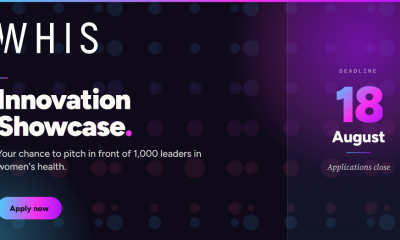
 Entrepreneur2 weeks ago
Applications close August 18 for Women’s Health Innovation Summit 2026 Innovation Showcase
 Menopause2 weeks ago
Third of women unaware of perimenopause mental health impact

 Fertility1 week ago
Chelsea FC Women to launch first-of-its-kind player fertility fund
 Menopause2 weeks ago
Menopausal hormone therapy may lower dementia risk, study suggests
 Hormonal health2 weeks ago
We are wrapping our children in plastic and calling it care

 Menopause7 days ago
anna perimenopause app launches across 39 markets
 Pregnancy2 weeks ago
Chemicals in plastics may be linked to high blood pressure during pregnancy
 News2 weeks ago
Women with endometriosis face 46% higher risk of type 2 diabetes – study
2 Comments