




Mental health
Headspace launches mental health resources for fertility patients
The new content aims to support people experiencing fertility issues or undergoing treatment

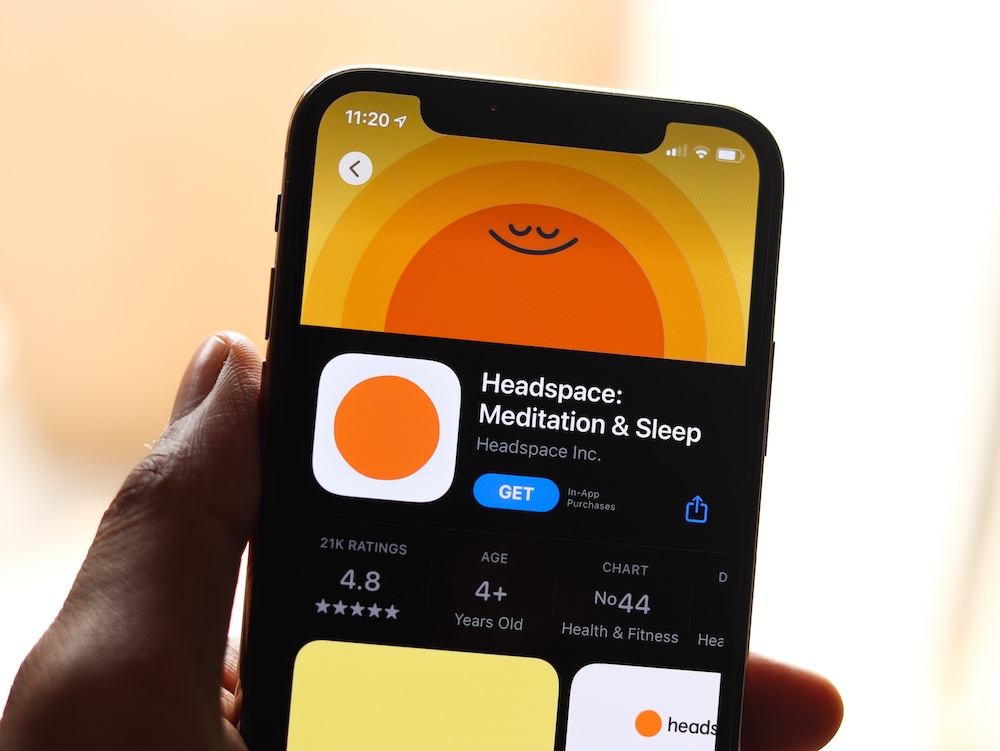
The US mental health platform Headspace has announced new content to support people struggling with infertility.
The free mental health resources, released in partnership with Spring Fertility, aim to help people experiencing fertility issues or undergoing treatment.
One in eight couples struggle to conceive, and 42 per cent of Americans have either sought fertility treatment themselves or know someone who has.
As awareness around fertility challenges becomes more widespread, many are left to navigate an isolating and emotional journey with minimal resources.
From the financial burden to physical demands and an emotional rollercoaster for many, the stress of going through a fertility journey can deeply impact an individual’s and family’s mental health.
The National Institute of Health found that 25-60 per cent of people experiencing fertility challenges report psychiatric symptoms with heightened levels of anxiety and depression significantly higher than controls.
With the overturn of Roe v Wade and the resulting state-by-state pullbacks on IVF access and other reproductive rights, many people report feeling even greater symptoms of depression and anxiety.
“After my third miscarriage, it was incredibly tough not to fall into a sea of self-blame and regret,” said Rosie Acosta, Headspace meditation and mindfulness teacher.
“I began to mourn the loss of my dream of becoming a mother and having the family I once envisioned. The self-blame was crippling.”
Needing a break from the “merry-go-round of guilt, confusion and negative self-talk”, Acosta decided to lean into uncertainty and discomfort and become friends with the normally isolating emotions.
“Through mindfulness and meditation, I was able to ground myself in the present to let go of resentment, grief, and heartbreak associated with my fertility journey,” she said.
“We developed this collection in partnership with leading mental health experts and fertility specialists to help others going through similar experiences.”
The new content collection includes guided meditations and mindfulness exercises, audio conversations, and a video series with insights on listening to the mind and body, coping with feelings of isolation and holding space for grief.
“The road to conception and having a family isn’t easy for many people – in fact, it can be a long, expensive, and painful rollercoaster,” said Eve Lewis Prieto, director of teaching, Headspace.
“As a meditation and mindfulness teacher, I’ve spent years teaching others how to take care of their mind and body, cultivate a balance of mind, and hold themselves with compassion and tenderness when going through tough times.
“While facing a huge unknown myself, I wanted to share meditation practices and mindfulness techniques that have helped me on my own journey.”
When it comes to seeking certain fertility procedures, like IVF, cost is one of the biggest barriers and can add stress to an already challenging time.
Headspace has partnered with Spring Fertility’s grant programme to cover the costs of up to one cycle of IVF for a member of its community, and is collaborating with Rescripted, an online resource where women can find the support and learn to better advocate for themselves.
Dr Nicole Yoder, a fertility specialist at Spring Fertility’s New York City clinic, said: “Infertility can have profound effects on mental health.
“Because of this, it is incredibly important that individuals and couples navigating infertility have access to mental health support and resources.
“In partnering with Headspace on this collection, our hope is that these meditations and conversations can serve as another resource so that more people navigating fertility journeys can feel seen, supported, and not alone.”
To receive the Femtech World newsletter, sign up here.




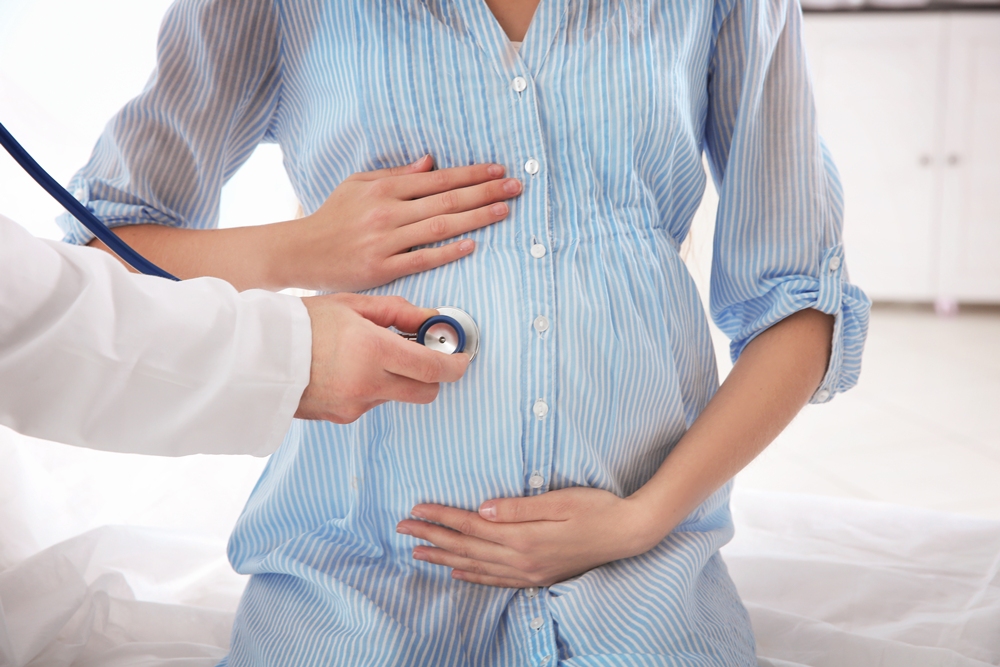
Women entering pregnancy with multiple conditions face a 20 per cent higher miscarriage risk and around four times the risk of anxiety and depression, new research has revealed.
The observational study found women with two or more pre-existing long-term physical or mental health conditions also had a 69 per cent higher risk of severe nausea and vomiting.
They had more than double the risk of venous thromboembolism, when a blood clot forms inside a vein, and a 42 per cent higher risk of pre-eclampsia, a pregnancy complication involving high blood pressure.

Dr Steven Wambua, research fellow in health data science at King’s College London and joint first author, said: “Maternity care is still largely organised around single health conditions, but one in five women now enters pregnancy with two or more.
“By harmonising five datasets covering all four UK nations, we could show consistently and across a much broader range of outcomes than before, that these women face higher risks and that risk climbs with every additional condition.”
Researchers from King’s College London, Queen’s University Belfast, Bristol NHS Foundation Trust, the University of Birmingham, Swansea University and the University of St Andrews analysed more than 2.2m pregnancies and birth events recorded between 2000 and 2022.
The data came from five datasets covering England, Scotland, Wales and Northern Ireland.
Around one in five pregnant women in the UK live with multiple long-term conditions, but their combined impact on pregnancy is poorly understood.
The study found risks rose with each additional condition. Women with three or more conditions had more than three-and-a-half times the risk of venous thromboembolism compared with women without long-term health conditions.
Women with multiple conditions also had a 32 per cent higher risk of placental abruption, when the placenta separates from the womb before birth, and a 26 per cent higher risk of gestational diabetes.
The researchers said maternity care pathways vary considerably and, where they exist, are often organised around individual conditions.
They said the findings highlight a need to restructure these pathways to address the complex needs of women living with multiple conditions.
Professor Krishnarajah Nirantharakumar, clinical professor of public health and health data science at King’s College London, MuM-PreDiCT principal investigator and joint senior author, said: “These findings make a strong case for recognising multiple long-term conditions as a marker of antenatal risk in its own right.
“That means identifying these women at maternity booking, assessing physical and mental health needs together, and joining up obstetric, primary care and mental health services around them.
“The near four-fold risk of antenatal anxiety and depression is particularly striking, and points to perinatal mental health support as an urgent priority.
Dr Kelly-Ann Eastwood of Bristol NHS Foundation Trust and Queen’s University Belfast, joint senior author, added: “Our results help define the urgent clinical challenges facing both women entering pregnancy with multiple long-term conditions, and clinicians caring for them across the UK.
“Supporting recommendations from recent national maternity and neonatal investigation reports, there is a critical need to address healthcare inequalities, and improve support for women with pre-existing mental health conditions.
“These findings highlight the pressing need to restructure existing maternity services to improve antenatal outcomes.
The authors cautioned that, because the study used routinely collected health records, some conditions and outcomes may have been under-recorded or recorded inconsistently.
Further work by the MuM-PReDiCT consortium will examine birth and child outcomes and identify which combinations of long-term conditions carry the greatest risk.


Women later diagnosed with endometriosis used more antidepressant and anxiety medication than other women, with the pattern emerging years before diagnosis, recent study found.
The difference was evident up to 10 years before diagnosis and continued for a decade afterwards, according to a large Danish registry-based study involving 136,842 women.
Women with the condition also had substantially more contact with psychiatric hospital departments than those without it.
Researchers at Aarhus University found that women with endometriosis redeemed 29 per cent more prescriptions for antidepressants and 16 per cent more for anxiety medication in the years before diagnosis.
After diagnosis, the differences rose to 40 per cent for antidepressants and 46 per cent for anxiety medication.
Marie Josiasen, PhD student at the department of public health and one of the researchers behind the study, said: “What surprised us was how clear and persistent the pattern was, and that the difference did not diminish over time.
“On the contrary.
“Women with endometriosis consistently redeemed more prescriptions for antidepressant medication than women without the disease throughout the entire period, from ten years before to ten years after diagnosis.”
The study does not provide an answer as to what causes the mental strain.
Josiasen said prolonged pain, uncertainty about the cause of symptoms and fertility problems could be among the factors contributing to psychological strain.
She said: “It’s possible that prolonged pain, uncertainty about the cause of the symptoms, and frustration over not being able to live the life one wants may be among the reasons. For some women, fertility problems can also be a major psychological burden.”
Researchers also found that the gap compared with women without endometriosis did not narrow after diagnosis. Instead, it became more pronounced in the years that followed.
Josiasen said: “A diagnosis can be a relief, but it also involves coming to terms with having a chronic illness.”
The study does not indicate whether diagnosing endometriosis earlier could reduce psychological strain.
As part of her PhD project, Josiasen will investigate the role hormonal contraception may play in the mental health of women with endometriosis.
She said: “We can see that many receive medication and are in contact with psychiatric services. But we still lack an understanding of what actually helps these women.
“That’s what I want to help find out.”

Women using menopausal hormone therapy had a lower dementia risk, with oestrogen-only users showing fewer Alzheimer’s-related brain changes in a recent study.
Researchers stressed that the findings do not show that hormone therapy prevents dementia, but found women using oestrogen-only treatment had fewer biological signs linked to Alzheimer’s disease.
The observational study also found that women using this form of hormone therapy were less likely to receive a clinical dementia diagnosis.
The study combined clinical data with biomarkers and evidence from brain tissue collected after death to build a more detailed picture of the relationship between hormone therapy and Alzheimer’s-related changes.
The findings contrast with several previous studies reporting that menopausal hormone therapy increases dementia risk.
Dr Hadi Hosseini, associate professor of psychiatry and behavioural sciences at Stanford University in the US and senior author, said: “Our study is unique in that we looked at all the standards of Alzheimer’s diagnosis, including the gold-standard outcome: Alzheimer’s-associated hallmarks in autopsied brains.”
Hosseini said many conditions can affect memory and that clinical diagnoses are not always accurate. Examining brain tissue allows researchers to look directly for the defining biological features associated with Alzheimer’s disease.
Researchers examined medical records from 21,462 women taking part in two large US studies.
They looked only at women who used oestrogen-only therapy because previous studies indicated that treatment combining oestrogen and progestin may increase dementia risk.
This group was compared with women who reported no use of menopausal hormone therapy.
The records included data from 258 brain autopsies of women who had reported using oestrogen-only menopausal hormone therapy and 2,701 autopsies from women who had not used hormone therapy.
After adjusting for factors including age, women who took hormone therapy had a 35 per cent lower chance of showing biological signs of Alzheimer’s disease than those who did not use hormone therapy.
Hormone therapy use was also associated with a 39 per cent lower risk of receiving a clinical dementia diagnosis and a reduced risk of memory problems or declining functional abilities.
Dr Tom Blackmore, research programmes manager at Alzheimer’s Research UK, said: “Dementia has been the leading cause of death for women in the UK for over a decade, yet we still don’t fully understand why women are more likely to be affected by the condition than men.
“Understanding how hormones, menopause and ageing influence brain health is an important area of dementia research.
“While these findings are interesting, this study can only show an association and cannot tell us whether hormone therapy itself reduced dementia risk.
“Many factors influence a person’s likelihood of developing dementia, and women who received hormone therapy may differ from those who did not in ways that also affect their long-term brain health.”
In current standard practice, oestrogen-only therapy is prescribed to people who have undergone a hysterectomy because of the increased risk of endometrial cancer.
Blackmore also said the study focused exclusively on women taking oestrogen-only hormone therapy, which “differs substantially from how hormone replacement therapy is typically used today.”
Although early studies suggested menopausal hormone therapy might help protect menopausal women from dementia, later research produced inconclusive results.
A large analysis published in 2003 suggested the opposite, finding that oestrogen-plus-progestin formulations appeared to increase dementia risk, particularly when started at an older age.
Hosseini said: “There have been a lot of conflicting findings about MHT’s [menopausal hormone therapy’s] effects on Alzheimer’s disease outcomes.”
He added: “Different studies may have involved different age ranges of initiating MHT.”
Hosseini said studies may also have examined different clinical outcomes and biomarkers, combined different hormone therapy formulations or looked at different routes of administration and treatment durations.
Blackmore added that the findings “are not a reason for women to start or stop hormone replacement therapy with the aim of reducing dementia risk.”
He added: “Instead, the study provides valuable clues about the biology underlying dementia and highlights the need for more research into women’s brain health.
“Larger and more diverse studies will be needed to determine whether hormone-based treatments could play any role in reducing dementia risk.”
According to Alzheimer’s Research UK, an estimated 982,000 people are living with dementia in the UK, with around 65 per cent of those affected being women.








 News2 weeks ago
UK femtech investment surges 194% in a decade, research finds

 News2 weeks ago
Cross-Border Impact Ventures raises US$58m for women and children’s health

 Entrepreneur1 week ago
Applications close August 18 for Women’s Health Innovation Summit 2026 Innovation Showcase

 Menopause1 week ago
Third of women unaware of perimenopause mental health impact

 Hormonal health2 weeks ago
Menstrual data is missing a critical layer: The mind
 Entrepreneur2 weeks ago
Women’s Health Week Europe 2026 releases fully populated agenda ahead of October summit

 Fertility4 days ago
Chelsea FC Women to launch first-of-its-kind player fertility fund

 Menopause1 week ago
Menopausal hormone therapy may lower dementia risk, study suggests