




Wellness
Common fatty acid may help restore healthy vaginal bacteria after infection

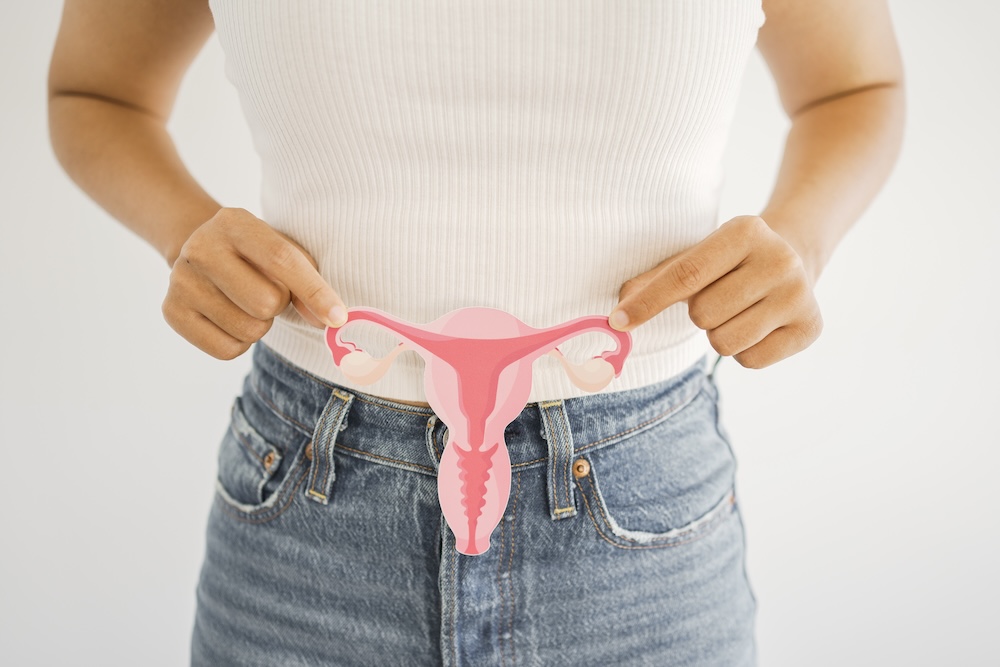
More than half of women globally experience bacterial vaginosis (BV) — an imbalance of naturally occurring microbes in the female genital tract — at least once in their life.
The condition can cause painful symptoms and vaginal discharge, and although treatable with antibiotics, it frequently comes back within a short time. If left untreated, BV can lead to problems with pregnancy and an increased risk of sexually transmitted infections, including HIV.
A team of researchers at the Broad Institute of MIT and Harvard; the Ragon Institute of Mass General Brigham, MIT, and Harvard; and St. Jude Children’s Research Hospital have discovered that oleic acid, one of the most abundant fatty acids in the body, restores a healthy balance of vaginal microbes in a laboratory model of BV.
Their findings, published in Cell, demonstrate that oleic acid and several other unsaturated long-chain fatty acids (uLCFAs), which are critical components of cell membranes and can have antimicrobial properties, simultaneously inhibit the growth of vaginal microbes associated with negative health effects and promote other species associated with a healthier female genital tract.
Treatments that promote this balance of microbes could one day help prevent repeat vaginal infections in people.
“Current treatment methods work as well as a coinflip, and that hasn’t changed in more than 40 years of medical practice, so new methods are needed to help patients” said first author Meilin Zhu, who recently graduated with a PhD from the labs of Paul Blainey, a Broad core institute member and MIT professor, and Doug Kwon, a core member of the Ragon Institute, associate professor of medicine at Harvard Medical School, and an infectious disease physician at the Massachusetts General Hospital, both co-senior authors on the paper.
“I’m so proud of this team and the partnership we formed to follow the science and set up some major positive impacts on women’s health,” Blainey said.
“This is an amazing story of keen observation, serendipitous discovery, and the hard work that real scientific rigour demands.”
Metabolic differences
The human female genital tract is naturally colonized by microbial species in the Lactobacillus genus. Treating BV with antibiotics can shift the balance of lactobacilli toward an overabundance of Lactobacillus iners, a bacterial species that creates an environment that is more susceptible to BV recurrence.
Zhu sought methods of promoting Lactobacillus crispatus, a species that creates a more stable microbiome than L. iners. She planned to use a large-scale screen developed in the Blainey lab to study the impacts of different compounds on the bacteria.
But Zhu discovered an important clue even before she began the screening. A component of the culture medium used to grow lactobacilli in the lab was disrupting the screening tool, but the bacteria would not grow in culture without it.
While troubleshooting the issue, Zhu found that many of the lactobacilli required an ingredient in the medium — oleic acid — to thrive. When she cultured different strains of lactobacilli with oleic acid, she found that oleic acid inhibited growth of L. iners, the detrimental bacteria, and simultaneously promoted the growth of strains associated with healthier microbiota such as L. crispatus.
Using RNA sequencing and working with the Broad’s Metabolomics Platform and collaborators at St. Jude’s, the team identified a group of genes involved in processing uLCFAs that are present only in the non-Lactobacillus iners species.
One of these genes encodes the enzyme oleate hydratase, which sequesters uLCFAs, a scarce resource, into a form only bacteria with this enzyme can use. Another of the genes encodes a fatty acid efflux pump that is necessary for bacteria to withstand high concentrations of oleic acid.
“We used state-of-the-art genetics tools that a lot of researchers in vaginal microbiology haven’t had access to, even though they’re the gold standard for any mechanistic study,” Zhu said.
“It’s a good step forward for the field.”
She added that the field of vaginal microbiology does not receive the same resources as other areas of microbiology.
The team also modeled how oleic acid might affect the vaginal microbiome of BV patients by culturing bacteria associated with BV together with L. iners and L. crispatus. Oleic acid effectively inhibited growth of L. iners as well as most BV-associated bacteria, including some strains resistant to standard antibiotic treatment.
This indicates oleic acid may be an effective way to restore a stable, healthy microbiome in the female genital tract after BV.
“This study is an important example of how understanding core metabolic requirements and functions of key bacteria can lead directly to new therapies that allow us to modify the microbiome for improved health,” said co-senior author Seth Bloom, an infectious diseases instructor at the Massachusetts General Hospital.
At the Ragon Institute, Kwon’s lab is working to move this research toward a human clinical trial.
“We believe there is exciting potential to translate these findings to durably alter the vaginal microbiome to improve BV treatment and reduce adverse health outcomes for women globally,” Kwon said.











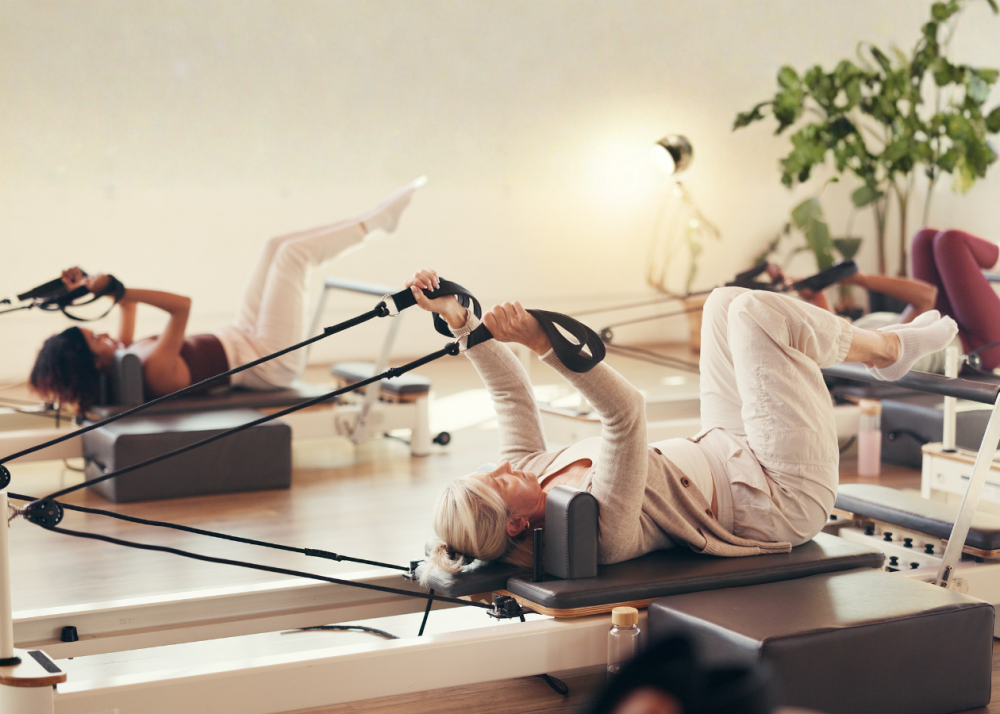
A four-week Pilates programme may improve heart, metabolic and stress measures in previously sedentary women, a small study suggests.
Pilates is a mind-body form of exercise that has been linked to better fitness, balance, posture, muscular endurance, mental wellbeing and quality of life in different groups.
Built around breathing, concentration, control, precision, centring and flow, Pilates is already used in physiotherapy, rehabilitation and preventive health. The new study looked at whether a structured four-week programme could affect cardiovascular, metabolic, body and stress-related measures in sedentary adult women.

The longitudinal study included 30 sedentary women split into two age groups, 30 to 40 and 50 to 60.
All participants completed a standardised, supervised Pilates programme lasting four weeks, with three sessions a week lasting 50 to 60 minutes.
Researchers measured resting heart rate, systolic and diastolic blood pressure, body mass index, abdominal circumference, fasting blood glucose and serum cortisol at the start and end of the programme.
Systolic and diastolic blood pressure are the top and bottom readings in a blood pressure test. Cortisol is a hormone linked to the body’s stress response.
The four-week Pilates programme was linked to improvements in cardiovascular, metabolic, body and neuroendocrine measures, although not every change reached statistical significance within each age group.
In the younger group, significant reductions were seen in heart rate, blood pressure, body mass index and fasting blood glucose after the intervention.
The reduction in blood pressure after the programme was significantly greater in the older group than in the younger group.
Older participants also showed a greater reduction in glucose and cortisol levels after the intervention than younger participants.
Analysis also found significant links between cardiovascular, metabolic and neuroendocrine changes.
In the younger group, this was particularly seen between heart rate and blood pressure responses.
In the older group, it was particularly seen between changes in body mass index and fasting glucose.
The findings suggest Pilates could be a useful multidimensional exercise approach for cardiometabolic health and stress regulation in previously sedentary women.
The researchers said the larger reduction in blood pressure seen in the older group may reflect a higher cardiometabolic burden at the start, leaving more room for improvement after the programme.
The greater reduction in fasting glucose and cortisol in older participants may similarly suggest that people with higher baseline metabolic and neuroendocrine dysfunction could benefit more from structured exercise such as Pilates.
Although Pilates is known to improve body composition through energy use, neuromuscular activation and support for healthier habits, the researchers said the fall in body mass index over four weeks is unlikely to be explained by Pilates alone.
They noted that participants were also told to avoid alcohol, sugar-containing products and sugar-sweetened drinks during the intervention, which may have contributed to the change.
In the younger group, the link between heart rate and blood pressure suggested coordinated cardiovascular responses after Pilates.
The researchers also found that cortisol appeared to be linked to blood pressure and body mass index, suggesting stress-related changes may be tied to cardiovascular and body regulation after the intervention.
In the older group, the link between body mass index and fasting glucose highlighted the relationship between body fat and metabolic regulation.
A positive link between blood pressure and body mass index in this group also suggested that improvements in vascular regulation may be associated with reductions in body mass.
Overall, the findings suggest Pilates-related physiological changes may involve interconnected cardiovascular, body, metabolic and neuroendocrine mechanisms, with different response patterns by age.
The study has important limits. It did not include a non-exercise control group, so it cannot prove Pilates directly caused the changes.
The sample size was also small, which limits how far the findings can be applied more widely.
The authors also noted that cortisol was measured using a single fasting morning sample, which limits conclusions about broader hypothalamic-pituitary-adrenal axis regulation, the system involved in the body’s stress response.
They said larger studies with longer follow-up will be needed to confirm whether Pilates causes these physiological changes over time.

Female sex may not raise stroke risk across all atrial fibrillation (AF) patients, with higher risk mainly seen in women aged 75 and older, a study suggests.
Researchers said stroke prevention for women with the condition should be more personalised, especially for patients under 75.
Dr Amitabh C Pandey, director of cardiovascular translational research at Tulane University School of Medicine, said: “For years, female sex has been included as a risk factor along with other factors such as high blood pressure and diabetes, meaning women were more likely to be prescribed anticoagulants.
“Our study shows younger women may not have as much added stroke risk as previously thought, while older women, particularly those over 75, appear to have a higher risk that deserves close attention.”
The new Tulane University study challenges a long-standing assumption in heart care that being female automatically increases stroke risk for patients with atrial fibrillation.
Atrial fibrillation, often called AF, is a common heart rhythm disorder that causes the heart to beat irregularly.
It is associated with a higher risk of stroke and is often treated with anticoagulants, also known as blood thinners.
The study found that stroke risk did not increase equally across all female patients with AF.
Instead, researchers said being female may act more as a risk modifier, with increased stroke risk seen primarily among women aged 75 and older or those with a greater burden of other health conditions.
Clinicians often use a scoring system to decide whether people with AF should be prescribed blood thinners.
The system gives points for factors including age, heart failure, diabetes, previous stroke, vascular disease and high blood pressure.
Women also receive one point for sex alone.
Researchers said this can mean women with AF become eligible for blood thinners earlier or more often than men with otherwise similar risk profiles.
While blood thinners can help prevent clot-related strokes, they can also increase the risk of bruising, prolonged bleeding, gastrointestinal bleeding and other serious complications.
The researchers analysed approximately 950,000 patients with AF using TriNetX, a large anonymised electronic health record database.
They compared stroke outcomes between male and female patients across three age groups: younger than 65, 65 to 74, and 75 and older.
Male and female patients were matched based on age, other health problems and whether they had been prescribed anticoagulation medicine.
Among patients younger than 75, the study found no significant difference in one-year stroke risk between men and women.
However, among patients aged 75 and older, women had a modest but statistically significant increase in stroke risk compared with men.
In patients aged 75 and older with no additional risk factors beyond age, women had about one additional stroke per 629 patients compared with their male counterparts.
The findings support growing interest in a newer AF risk score, known as CHA2DS2-VA, which removes sex as a standalone risk factor.
However, researchers said more studies are needed and medical guidance remains inconsistent.
Han Feng, assistant professor at Tulane University School of Medicine, said: “This general approach came from women being underrepresented in AFib trials and studies comprising only about one-third of study populations.
“Our study shows not all women with AFib have the same risk profile, and these decisions should be individualised.
Pandey said: “These findings highlight the need for modern tools and approaches that can personalise risk profiles to individuals.
“The goal is not to undertreat patients who need stroke prevention, but to better identify who is most likely to benefit from anticoagulation and who may be exposed to unnecessary risk.”


Article produced in association with Spital Clinic
Feeling permanently tired has become so normal for so many women that most of us have stopped questioning it. But one of the most common reasons behind it is also one of the easiest to miss – and one of the most satisfying to fix.
The tiredness that gets explained away
There’s a particular kind of tired that a lot of women simply live with. The mid-afternoon slump that no amount of coffee touches. Needing an early night and still waking up flat. Putting it all down to work, kids, stress, age or hormones – anything except a cause you could actually do something about.
Often, though, that’s exactly what it is: a cause you could do something about. Low iron is one of the most common reasons women feel wiped out, and because it builds so gradually, it rarely announces itself. You don’t wake up one morning feeling different. You just slowly get used to running on less, until “exhausted” starts to feel like your baseline.
Why women are far more likely to run low
Iron is what your body uses to carry oxygen around in your blood. When levels fall, everything has to work a little harder to do the same job – which is why feeling tired is usually the very first thing you notice.
The reason this affects women so disproportionately is simple: periods. Every cycle carries a small iron cost, and over months and years that quietly adds up. Pregnancy adds to the demand too, when the body’s iron needs rise sharply.
But heavy periods are the big one – left unchecked, they can steadily drain your iron, which is why the NHS treats them as something worth looking into rather than just putting up with.
So if your periods sit on the heavier side, you’re not just dealing with the inconvenience in the moment – you may be slowly draining your iron stores at the same time, month after month.
The reassuring part is that heavy periods can be treated, so it’s worth having them looked at rather than soldiering on.
What low iron actually feels like
Tiredness is the headline, but it’s rarely the only clue. Low iron can show up as feeling breathless going up stairs you used to manage without thinking, a foggy, can’t-quite-focus feeling, looking paler than usual, or noticing your heart racing or thumping for no obvious reason.
Then there are the stranger signs people almost never connect to iron: brittle nails, more hair than usual collecting in the brush, restless legs at night, and – oddly – craving and crunching ice. On their own, each of these is easy to shrug off. Lined up together, they’re very often the same story.
Why it so often slips under the radar
Part of the problem is that none of these symptoms screams “iron.” They’re vague, they overlap with ordinary life, and they arrive slowly enough that you adjust without realising. Most of us are also remarkably good at minimising our own tiredness – we assume everyone feels like this, so there’s nothing to mention.
The result is that low iron can go unaddressed for years, not because it’s hard to find, but because nobody thinks to look. It’s a genuinely common, genuinely treatable issue that quietly chips away at how good you’re allowed to feel.
When “heavy” periods are actually heavy
Here’s the tricky bit: most women have no real benchmark for what counts as heavy, because the only period we ever experience is our own. A useful rule of thumb is needing to change a pad or tampon every hour or two, bleeding that lasts longer than seven days, or passing clots bigger than a 10p coin.
NICE frames it even more usefully: periods count as heavy if they’re getting in the way of your life – physically, emotionally or socially. You don’t have to measure anything. If you’re planning your week around your period, doubling up on protection, or it’s leaving you drained, that’s reason enough to take it seriously.
And the good part is they don’t have to be permanent. If yours have crept up over time, getting them under control is worth it in its own right – and it often tackles the iron problem at its source, rather than topping you up only to lose it again next month.
How you actually find out
You can’t tell your iron levels from how you feel. Plenty of women feel rough with results that look “borderline fine,” and some feel reasonably okay while their reserves are already running low.
The only way to know is a straightforward blood test that checks both your blood count and your ferritin – the marker that reflects how much iron you’ve actually got stored away.
Ferritin is the one that matters here, because it tends to drop first, before a standard anaemia test would flag anything as wrong. That’s exactly why a woman can be told her bloods are “normal” and still feel exhausted: the headline number looks acceptable, but the reserves sitting behind it have been running down for a while.
The good news: it’s very fixable
This is the part worth holding onto. Iron deficiency is one of the more rewarding things to put right. The NHS approach is usually a course of iron tablets over several months to rebuild your stores, paired with a source of vitamin C – even just a glass of orange juice – to help your body absorb them properly.
Alongside that, dealing with whatever’s causing the loss in the first place is what stops you ending up back at square one.
Most women start to notice the difference within a few weeks, often well before their levels are fully restored. The fog lifts, the stairs get easier, and the version of “normal” you’d quietly resigned yourself to turns out not to have been normal at all.
The takeaway
The exhaustion so many women treat as a fixed fact of life frequently isn’t one. Low iron is common, it’s quick to check, and it’s straightforward to put right – but only if someone actually looks for it.
If you’ve been tired for longer than you can remember, especially if your periods are heavy, it’s worth getting your iron checked rather than explaining it away for another year. Speaking to a GP is usually all it takes to get that started – and more often than not, the fix turns out to be far simpler than the months of tiredness would suggest.
Disclaimer: This article is produced for informational purposes only and does not constitute medical advice, diagnosis or treatment. Clinical guidance referenced reflects published NHS and NICE information as at May 2026. Individual circumstances vary; readers are advised to consult a qualified healthcare professional before acting on any information in this article. This piece was produced in association with Spital Clinic, which provided background clinical information for editorial purposes. Hyperlinks to external sources are included for reference only and do not represent an endorsement of any product, service or organisation.











 Menopause2 weeks ago
Perimenopause misinformation ‘putting women at risk’

 Hormonal health3 weeks ago
NHS urged to update website following renaming of PCOS
 Insight4 weeks ago
PCOS renamed after decade-long campaign to end ‘cyst’ misconception

 Menopause1 week ago
Women still being failed when they reach menopause, experts say

 Entrepreneur2 weeks ago
Women’s Health Innovation Summit opens submissions for 2026 Innovation Showcase

 Diagnosis4 weeks ago
Artera receives FDA Clearance for breast cancer platform

 News2 weeks ago
Three menopause innovators shortlisted for Femtech World Award
 Fertility3 weeks ago
AI could transform ovarian care through personalisation, study finds