




News
Breast-conserving surgery improves sexual wellbeing versus breast reconstruction – report


Breast-conserving therapy (BCT) has been shown to improve sexual wellbeing, compared to mastectomy followed by breast reconstruction, a new study suggests.
Many women with breast cancer have sexual health concerns. In previous studies, up to 85 per cent of breast cancer patients report sexual dysfunction but few receive any medical guidance for sexual dysfunction.
For many patients, BCT – sometimes called “lumpectomy” – offers an effective alternative to mastectomy. For those who undergo mastectomy, breast reconstruction has established benefits in terms of quality of life and self-esteem.
Few studies of breast cancer treatment have focused on sexual well-being, especially in comparing the outcomes of BCT versus postmastectomy breast reconstruction (PMBR).
Using validated BREAST-Q questionnaire, researchers analysed sexual wellbeing scores for 15,857 patients who underwent breast cancer surgery between 2010 and 2022.
About 54 per cent of patients underwent BCT and 46% had PBMR. Scores on a sexual well-being subscale – addressing sexual attractiveness, sexual confidence, and comfort level during sex – were compared between groups, including long-term follow-up when available.
Before surgery, the two groups had similar average scores for sexual well-being: 62 in the BCT group and 59 in the PBMR group (on a 0-to-100 scale). By six months, sexual wellbeing score in the BCT group had improved to 66, and remained around that level at up to five years.
At all times, women undergoing PBMR had lower sexual well-being scores, compared to BCT. Average score at six months was 49, improving to 53 with longer follow-up. Sexual well-being score was even lower – average 41 – for patients who had not yet completed breast reconstruction by the end of the study period.
Overall, scores averaged 7.6 points higher in the BCT group. Sexual well-being was significantly correlated with scores in other BREAST-Q domains, including physical well-being of the chest, satisfaction with breasts, and psychosocial wellbeing.
Despite the impact on sexual well-being, only 3.5 per cent of the BCT group and 5.4 per cent of the PBMR group received sexual medicine consultation, which was available from a dedicated service at the authors’ cancer centre. After adjustment for other factors, PBMR patients were about half as likely to receive sexual medicine consultation.
The study adds to previous evidence that women undergoing BCT for breast cancer recover sexual well-being more quickly, compared to PMBR.
Jonas Nelson, of Memorial Sloan Kettering Cancer Center, New York, said: “In our study, patients undergoing BCT scored consistently higher on a measure of sexual well-being, compared to total mastectomy and breast reconstruction. The findings highlight the need for increased attention to sexuality when discussing breast cancer treatment options.”
















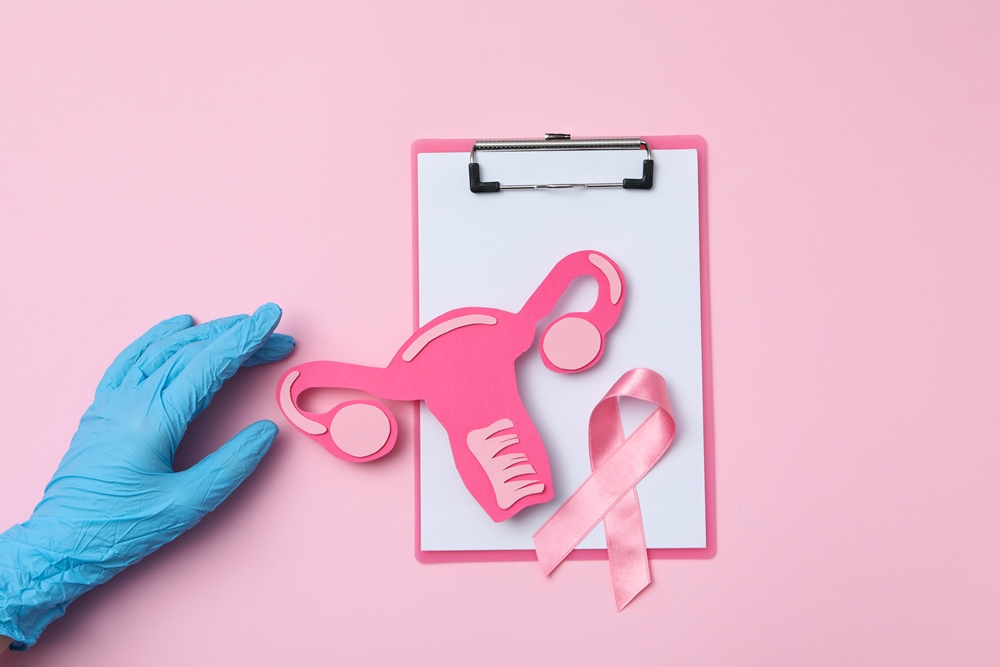
A non-profit has launched an endometriosis documentary featuring Amy Schumer and Marilyn Monroe as it pushes for changes in how the condition is treated and understood.
The Endometriosis Collective has launched to change how endometriosis is researched, treated and understood, starting with a documentary featuring stories from people including Amy Schumer and Marilyn Monroe.
The feature-length documentary, “End of the Cycle”, will premiere in New York on Tuesday, and The Endometriosis Collective is making the film free to stream online.

Schumer, a comedian, writer and actor, has previously spoken of how endometriosis left her “on the floor in pain, vomiting from the pain, the pain that nobody can see.”
Schumer is one of several celebrities featured in the documentary. Other contributors include dancer Julianne Hough, Olympic medallist Brittany Brown and actors Janel Parrish and Folake Olowofoyeku.
The Endometriosis Collective timed the documentary premiere to coincide with the 100th anniversary of Marilyn Monroe’s birth.
Monroe, who died in 1962, starred in films such as “Some Like It Hot” and “Gentlemen Prefer Blondes.”
According to a biography published in 1985, Monroe’s endometriosis was so severe that it destroyed her marriages, her wish for children, her career and ultimately her life.
The Endometriosis Collective said the documentary shares newly uncovered information about Monroe’s experience with endometriosis.
The non-profit said the information connects Monroe’s story to the experiences of women across generations, highlighting how far awareness, research and care still have to go.
A representative of the Marilyn Monroe Estate said: “By sharing this part of her story through ‘End of the Cycle,’ we hope to honour her legacy in a way that brings visibility to endometriosis, encourages more open dialogue and helps inspire the research needed to create change.”
As part of the premiere, The Endometriosis Collective is holding a panel discussion.
Schumer, Brown and Olowofoyeku, the documentary’s co-directors Sammy Jaye and Soraya Simi, and medical experts are due to be part of the premiere.
AbbVie’s Orilissa and Sumitomo Pharma’s Myfembree are among the approved drugs for endometriosis pain.
Hough, one of the participants in the documentary, starred in an Orilissa campaign in 2017.











 Menopause1 week ago
Perimenopause misinformation ‘putting women at risk’

 News4 weeks ago
NIH Grant terminations disproportionately impact minority scientists, research finds

 Adolescent health4 weeks ago
WUKA brings Period-Positive Pool Party to London Aquatics Centre to keep girls swimming through puberty

 Insight3 weeks ago
PCOS renamed after decade-long campaign to end ‘cyst’ misconception

 Hormonal health2 weeks ago
NHS urged to update website following renaming of PCOS

 Menopause4 weeks ago
CBT shows promise for menopause insomnia and hot flashes

 Events4 weeks ago
WHIS 2026 unveils agenda and first speakers for the leading women’s health summit

 News7 days ago
Three menopause innovators shortlisted for Femtech World Award