




Fertility
Toxins and climate harms having ‘alarming’ effect on fertility, research warns

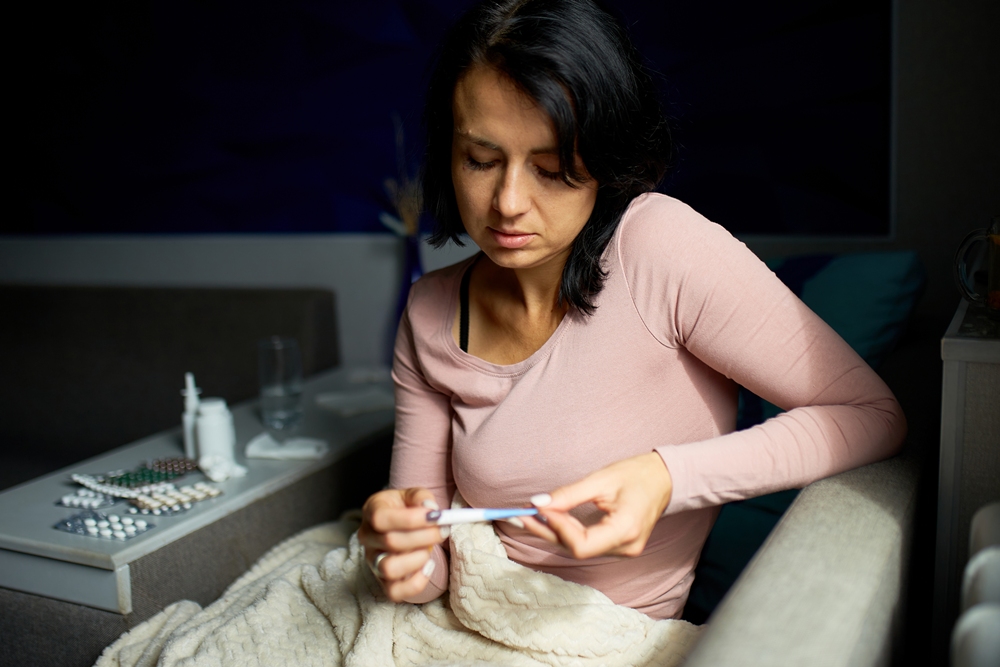
Simultaneous exposure to toxic chemicals and climate-related heat may be worsening fertility harms across humans and wildlife, research suggests.
The review of scientific literature looks at how endocrine-disrupting chemicals, often found in plastic, together with climate-related effects such as heat stress, are each linked to lower fertility and fecundity, meaning the ability to reproduce, across species including humans, wildlife and invertebrates.

Though the reproductive harms of each issue in isolation are well studied, there is little research on what happens when living organisms are exposed to both.
“Together, the two issues are likely to pose a greater threat to fertility, and the additive effect is “alarming”, said Susanne Brander, a study lead author and courtesy faculty at Oregon State University.
“You’re not just getting exposed to one, but two, stressors at the same time that both may affect your fertility, and in turn the overall impact is going to be a bit worse,” Brander said.
The paper looked at 177 studies.
Shanna Swan, a co-author on the new paper, co-produced a 2017 study that found sperm levels among men in western countries had fallen by more than 50 per cent over four decades. Other research has suggested human fertility has been declining at a similar rate.
The University of Washington’s Institute for Health Metrics and Evaluation has previously said the world was approaching a “low-fertility future”, with more than three quarters of countries below replacement rate by 2050.
The new paper’s authors focused on the effects of endocrine-disrupting chemicals and substances, including microplastics, bisphenol, phthalates and PFAS.
These are thought to cause a range of serious reproductive problems, disrupt hormones and be a potential driver of falling fertility.
Brander said the harms linked to these chemicals are often similar across organisms, from invertebrates to humans.
Phthalates, for example, have been linked to altered sperm shape in invertebrates, spermatogenesis in rodents, meaning sperm production, and reduced sperm counts in humans.
PFAS are also thought to affect sperm quality, and both have been linked to hormone disruption.
The chemicals are widespread in consumer goods, so people are often regularly exposed.
Meanwhile, previous research has shown how rising temperatures, lower oxygen levels and heat stress, among other effects linked to climate change, may also worsen infertility.
Heat stress has been found to affect human hormones, and is linked to spermatogenesis in rodents and bulls.
Research shows temperature also plays a role in sex determination in fish, reptiles and amphibians.
The species has evolved to choose which sex it produces in part based on temperature, and the heating planet can “push it too far in one direction or the other, which overrides that evolutionary benefit”, Brander said.
Similarly, many endocrine disruptors may alter environmental sex determination.
The study set out some of the overlapping effects of chemical exposure and climate change across taxonomic groups, from invertebrates to humans.
In birds, for example, exposure to increased temperature, PFAS, organochlorines and pyrethroids may each individually cause abnormal sperm, increased fledgling mortality, abnormal testes and population decline.
“What happens if they’re exposed to more than one of those stressors at the same time? There has been little exploration of that question.
“Even if there have not been a lot of studies looking at these simultaneously, if you have two different factors that both cause the same adverse effect, then there’s a likelihood that they are going to be additive,” Brander said.
Katie Pelch, a senior scientist with the Natural Resources Defense Council nonprofit, who was not part of the study, said the authors had reviewed high-quality science.
She said she wanted to see more examples of the overlap in impacts, but agreed with the overall premise.
“It is likely [multiple stressors] would have an additive effect, at very least, even if they have different mechanisms of harm,” Pelch added.
The solution to the systemic problems would involve tackling climate change and reducing the use of toxic chemicals.
The study cites the global reduction in the use of DDT and PCBs achieved under the Stockholm Convention as an example of an effective measure, but Brander said much more is needed.
“There is enough evidence in both areas to act to reduce our impact on the planet,” she said.






Entrepreneur
Future Fertility raises Series A financing to scale AI tools redefining fertility care worldwide
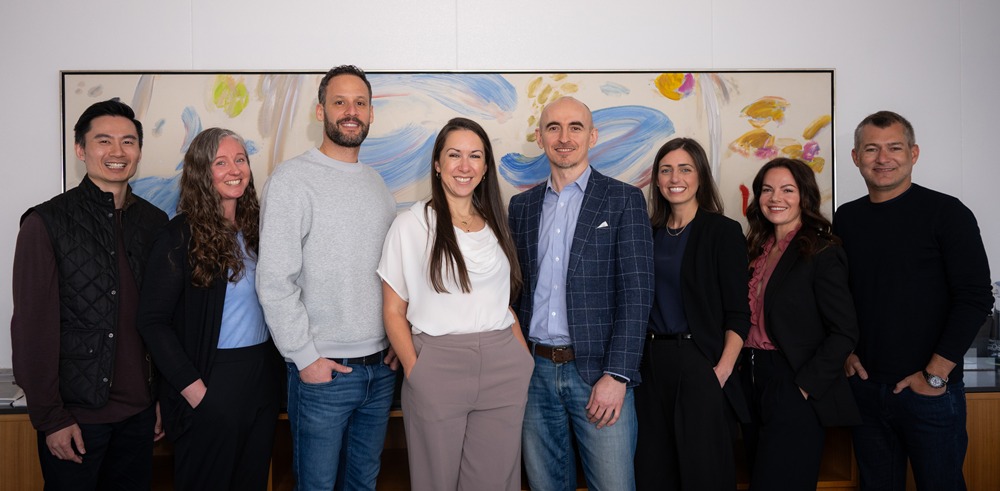
Future Fertility Inc. has announced the closing of a US$4.1 million Series A financing round.
The round was led by M Ventures (the corporate venture capital arm of Merck KGaA, Darmstadt, Germany) and Whitecap Venture Partners, with participation from new investors Sandpiper Ventures, Gaingels, and Jolt VC.
The financing will accelerate Future Fertility’s commercial expansion into Asia-Pacific and support its entry into the United States, including planned FDA 510(k) clearance for additional products as part of a broader U.S. market entry strategy.
Proceeds will also advance the development of a broader AI platform, from egg assessment through to embryo transfer, designed to support clinicians, embryologists, and patients across the full IVF journey.
M Ventures and Whitecap have supported Future Fertility’s mission to translate AI innovation into meaningful clinical outcomes since the company’s earliest stages.
Oliver Hardick, investment director, M Ventures, said: “Future Fertility is addressing a critical unmet need in reproductive medicine with a differentiated AI platform grounded in clinical data and real-world workflow integration.
“We are excited to continue supporting the company and team because we believe its technology has the potential to improve decision-making for clinicians, bring greater clarity to patients, and help advance a more personalised standard of care in fertility treatment.”
Future Fertility’s AI platform addresses a long-standing gap in fertility care: historically, there has been no objective, clinically validated method for assessing egg quality (Gardner et al., 2025), despite it being one of the most important drivers of reproductive success.
The company’s suite of deep learning tools includes VIOLET™, MAGENTA™, and ROSE™, purpose-built for egg freezing, IVF, and egg donation respectively.
The tools are based on AI models trained and validated on more than 650,000 oocyte images and are deployed in over 300 clinics across 35 countries.
Rhiannon Davies, founding and managing partner, Sandpiper Ventures, said: “The best outcomes in fertility care globally come from better data and smarter tools. Future Fertility understands that, and they’ve built a platform that delivers on it.
“Sandpiper is proud to back a team turning rigorous science into real results for patients and clinicians alike.”
Partnerships with the world’s leading fertility networks – including IVI RMA and Eugin Group across Latin America and Europe, FertGroup Medicina Reproductiva in Brazil, and most recently announced Kato Ladies Clinic in Japan – reflect growing demand for objective, AI-powered oocyte assessment in fertility care. In the United States, ROSE™ is newly available under an FDA 513(g) determination.
Research shows that approximately 50 per cent of IVF patients do not understand their likelihood of success, and many discontinue treatment prematurely, even though cumulative success rates improve significantly with multiple cycles (McMahon et al., 2024).
By delivering earlier clarity on egg quality, Future Fertility’s tools support more informed conversations between clinicians and patients, helping set realistic expectations and guide decisions about next steps.
Future Fertility’s growing evidence base spans seven peer-reviewed publications in Human Reproduction, Reproductive BioMedicine Online, Fertility & Sterility, and Nature’s Scientific Reports, and more than 70 scientific abstracts accepted and presented with partner clinics at conferences worldwide.
Christine Prada, CEO, Future Fertility, said: “Fertility treatment is one of the most emotionally and physically demanding experiences a person can go through.
“Every patient deserves objective data, not just a best guess, to support better decisions at critical moments in their care.
“This funding means we can bring that clarity to more patients, in more countries, at a moment when it matters most.”
Find out more about Future Fertility at futurefertility.com

Fertility
Women’s HealthX confirms exceptional speaker line-up to advance fertility and reproductive care

By Women’s HealthX
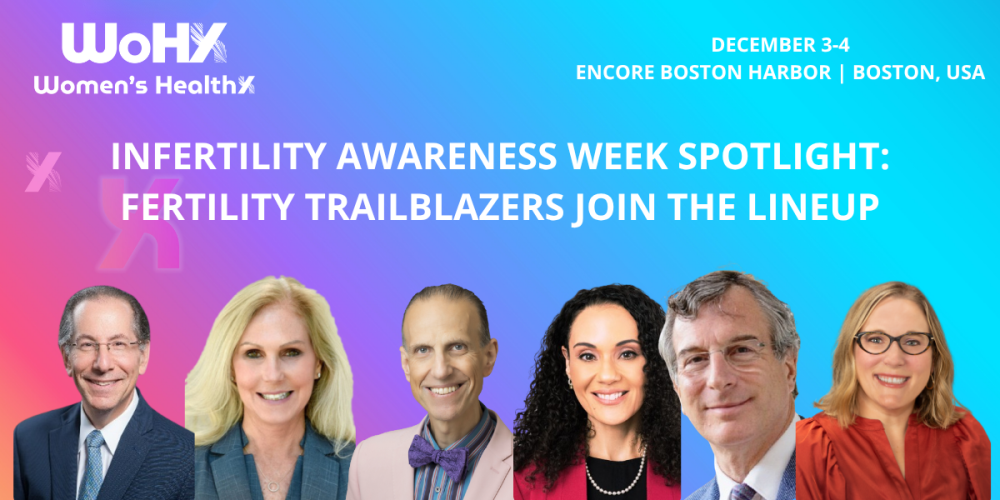
Women’s HealthX has confirmed an outstanding cohort of fertility and reproductive care leaders for its upcoming event, bringing together the senior clinicians, medical directors, and innovators shaping evidence-based practice across hospitals and healthcare systems globally.
Timed to coincide with Infertility Awareness Week, this announcement underscores the event’s commitment to accelerating the adoption of evidence-based innovations in fertility and reproductive medicine.
Find out more about Women’s HealthX
Headline Speaker
Fireside Chat: The Invisible Disease: What Endometriosis Reveals About the Future of Women’s Health
Padma Lakshmi, Co-Founder, Endometriosis Foundation of America
Confirmed Speakers from World-Leading Institutions and confirmed sessions
Training the Next Generation of Fertility HCPs
Alan Penzias, Director, Fellowship Program in Reproductive Endocrinology & Infertility, Beth Israel Deaconess Medical Center
Shaping the Future of Fertility Care
Lynn Mason, Chief Executive Officer — North America, IVIRMA Global
Ovarian Aging and Reproductive Potential: What Truly Matters
Mark Trolice, Founder & Medical Director, The IVF Center
The Patient Journey Through Fertility Care: Improving Experience & Outcomes
Adam Balen, Chief Medical Officer / Professor of Reproductive Medicine, Leeds Teaching Hospitals NHS Trust
Designing Women’s Health Around The Whole Woman: A Life-Course Model for Sustainable Outcomes
Malissa Wood, Chief Medical Officer, Women as One
Prolong Fertility Preservation by Highlighting Ovarian Insufficiency Through Genetic Variant Data Analysis
Julie Rios, Division Director, Reproductive Endocrinology & Infertility, UPMC
What Attendees Will Take Away
How to improve the fertility patient journey and outcomes
- Ways to detect ovarian aging earlier using genetic insights
- Strategies to deliver care across the full female life course
- Approaches to training the next generation of fertility specialists
Women’s HealthX spans seven dedicated stages covering the full lifecycle of women’s health — from fertility and sexual health to maternity and menopause — providing attendees with actionable insights from frontline leaders across hospitals and healthcare systems.
With Chief Medical Officers and senior clinical leaders in attendance, the programme moves beyond discussion into delivery, giving attendees direct access to the latest clinical evidence, emerging digital tools, and real-world outcomes data to support integrated, high-quality care.
REGISTER NOW FOR A CHANCE TO WIN A FREE THERAPEUTIC MASSAGE
Complimentary passes are available for qualified healthcare professionals.
Attendees who register by 15 May will gain full access to all seven stages and a chance to receive a complimentary therapeutic massage at Encore Boston.
Register your complimentary place
For speaking opportunities, partnership enquiries, or further information, please contact the team directly at info@alpahevents.com











 Entrepreneur4 weeks ago
Three sessions that show exactly where women’s health is heading in 2026

 Entrepreneur4 days ago
Future Fertility raises Series A financing to scale AI tools redefining fertility care worldwide

 Pregnancy4 weeks ago
How NIPT has evolved and what AI NIPT means in 2026

 News4 weeks ago
Two weeks left to make your mark in women’s cardiovascular health

 Opinion4 weeks ago
Q1 momentum: Female founders are advancing, but the system still hasn’t caught up
 Diagnosis2 weeks ago
Future Fertility partners with Japan’s leading IVF provider, Kato Ladies Clinic

 Mental health6 days ago
Lifting weights shows mental health and cognitive benefits in older women, study finds

 Menopause2 weeks ago
More research needed to understand link between brain fog and menopause, expert says