



Insight
Lifestyle behind quarter of healthy years lost to breast cancer – study


Lifestyle factors are linked to more than a quarter of healthy years lost to breast cancer worldwide, according to the largest study of its kind.
The research analysed data from population-based cancer registries across more than 200 countries between 1990 and 2023 to examine how lifestyle affects the global burden of breast cancer.
The study, published in Lancet Oncology, also used the data to forecast trends in breast cancer cases up to 2050.

It found high red meat consumption had the largest impact, linked to nearly 11 per cent of healthy life lost to the disease.
Tobacco use, including secondhand smoke, accounted for 8 per cent, followed by high blood sugar (6 per cent), high body mass index, or BMI, a measure of body fat based on height and weight (4 per cent), high alcohol use and low physical activity (both 2 per cent).
In total, 28 per cent of the global breast cancer burden in 2023, equivalent to 6.8m years of healthy life lost to disability, illness and early death, was linked to six potentially modifiable risk factors.
Kayleigh Bhangdia, from the Institute for Health Metrics and Evaluation at the University of Washington and lead author of the study, said: “Breast cancer continues to take a profound toll on women’s lives and communities.
“While those in high-income countries typically benefit from screening and more timely diagnosis and comprehensive treatment strategies, the mounting burden of breast cancer is shifting to low- and lower middle-income countries where individuals often face later-stage diagnosis, more limited access to quality care and higher death rates that are threatening to eclipse progress in women’s health.”
New breast cancer cases in women are predicted to rise by about a third globally, from 2.3m in 2023 to more than 3.5m in 2050, according to the analysis by the Global Burden of Disease Study Breast Cancer Collaborators.
The findings suggest maintaining healthier lifestyles, including not smoking, doing sufficient physical activity, reducing red meat consumption and maintaining a healthy BMI, could help prevent more than a quarter of healthy years lost to illness and premature death due to breast cancer worldwide.
In the UK, about one in seven women will develop breast cancer during their lifetime.
The figures follow earlier research by Cancer Research UK which found that more than four in 10 UK cancer cases could be prevented through lifestyle changes.
The analysis also found that in 2023, three times as many new breast cancer cases were diagnosed in women aged 55 or older compared with women aged 20 to 54, with 161 cases per 100,000 women compared with 50.
However, rates of new cases among women aged 20 to 54 have risen by nearly a third, or 29 per cent, since 1990, while rates among older women have not changed substantially.
Claire Rowney, chief executive of Breast Cancer Now, said: “This new global study is a stark reminder that breast cancer is a disease that continues to take and rip apart far too many lives, not just here but around the world.
“We’re determined to realise our bold ambition that by 2050, everyone with breast cancer will live and live well, and we’re accelerating progress through building global collaborations with researchers and funders, as together we can go further, faster to ensure that every woman, no matter where she lives, can access early diagnosis, effective treatment and the support she needs.”
Sophie Brooks, health information manager at Cancer Research UK, added: “These figures are a sad reminder of the heavy toll breast cancer continues to take on women around the world.
“Prevention remains a key way to reduce rates, with a significant number of cases globally linked to preventable factors like smoking, overweight and obesity, and alcohol.”











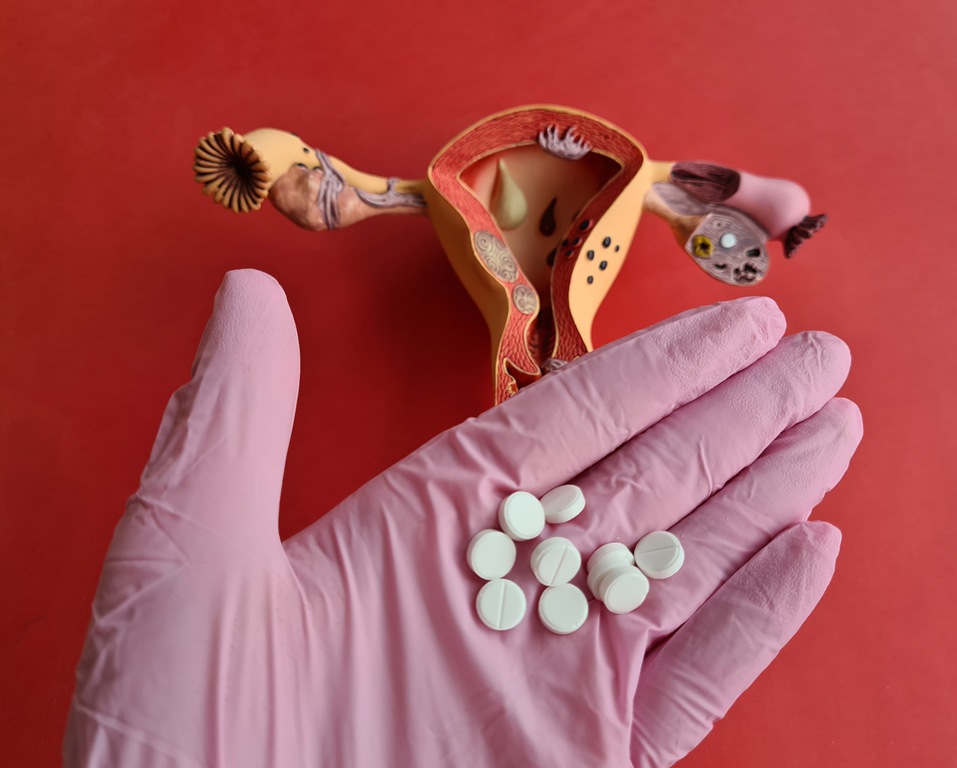
GSK said its ovarian cancer drug shrank or cleared tumours in more than 60 per cent of patients in an early trial as CCO Luke Miels pushes faster development.
The company said that in an early-stage trial, Mocertatug Rezetecan, known as Mo-Rez, shrank or eliminated tumours in 62 per cent of patients with ovarian cancer after chemotherapy had failed, and in 67 per cent of those with endometrial cancer.
Hesham Abdullah, GSK’s global head of cancer research and development, said: “Treatment of gynaecological cancers remains a major challenge, with a pressing need for new therapies that offer improved response rates.
“With Mo-Rez we now have compelling evidence of a promising clinical profile.”
GSK acquired the Mo-Rez treatment, an antibody-drug conjugate, from China’s Hansoh Pharma in late 2023 and has trialled it in 224 patients around the world, including the UK, over the past year.
Only a few patients needed to stop treatment because of side effects, the most common being nausea.
It is given every three weeks by intravenous infusion, meaning directly into a vein.
Combined with data from a separate intermediate trial in China, the results have given the British drugmaker the confidence to go straight to late-stage trials, with five clinical studies planned globally in the next few months, including on patients in the UK.
Speaking to journalists before the conference, Abdullah described Mo-Rez as a “key asset” in the company’s growing cancer portfolio.
It is expected to be a blockbuster drug, with peak annual sales of more than £2bn, which GSK hopes will help it achieve its 2031 sales target of £40bn.
A few years ago GSK did not have any cancer drugs on the market, but it now has four approved medicines and 13 in clinical development.
Last year, oncology generated nearly £2bn in sales, up 43 per cent from 2024, with sales of its endometrial cancer drug Jemperli rising 89 per cent.

Self-employment is linked to lower rates of high blood pressure, obesity, diabetes, poor health and binge drinking in Hispanic women, research suggests.
The findings, published in the peer-reviewed journal Ethnicity & Disease, suggest work structure may be related to cardiovascular disease risk among this group.

Dr Kimberly Narain is assistant professor of medicine in the division of general internal medicine and health services research at the David Geffen School of Medicine at UCLA, senior author of the study, and director of health services and health optimisation research for the Iris Cantor-UCLA Women’s Health Center.
She said: “Hispanic women experience a disproportionate burden of heart disease compared to non-Hispanic women. This is the first study to link the structure of work with risks for heart disease among this group of women.”
The researchers examined 2003 to 2022 data from the Behavioral Risk Factor Surveillance System to assess the association between self-employment, cardiovascular disease risk factors and health outcomes for Hispanic women.
The data included 165,600 Hispanic working women. Of those, about 21,000, or 13 per cent, were self-employed rather than working for wages or a salary.
Overall, the researchers found that self-employed women were less likely to report cardiovascular-disease-associated health problems.
They were also about 11 per cent more likely to report exercising compared with their non-self-employed counterparts.
Specifically, they found that self-employed Hispanic women had a 1.7 percentage point lower chance of reporting diabetes, roughly a 23 per cent decline.
They also had a 3.3 percentage point lower chance of reporting hypertension, roughly a 17 per cent decline.
The study also found a 5.9 percentage point lower chance of reporting obesity, roughly a 15 per cent decline.
It found a 2.0 percentage point lower chance of reporting binge drinking, roughly a 2 per cent decline.
It also found a 2.5 percentage point lower chance of reporting poor or fair overall health, roughly a 13 per cent decline.
The relationship between heart disease risks and the structure of work among Hispanic women was not driven by access to healthcare or differences in income, Narain said.
In fact, the decrease in high blood pressure linked to self-employment was nearly as large as the decrease in high blood pressure linked to being in the highest income group.
The study has some limitations.
The researchers relied on self-reported outcomes, which might be less reliable among ethnic and racial minorities and those from a lower socioeconomic background.
In addition, the researchers’ definition of poor mental health does not entirely match the accepted definition in the fifth edition of the Diagnostic and Statistical Manual of Mental Disorders.
They also did not have data allowing them to examine the specific types of occupations held by the women.
The study design also cannot prove any causal relationship between self-employment and cardiovascular disease risk, which is a subject the researchers will explore.
“The next step in the research is to conduct studies that are able to better assess if the structure of work is a cause of higher heart disease risks among Hispanic women.”
Narain said this.
Study co-authors are Lisette Collins, who led the research, and Dr Frederick Ferguson of UCLA.
Grants from the Iris Cantor-UCLA Women’s Health Center-Leichtman-Levine-TEM program and the UCLA National Clinician Scholars Program supported the research.













 Entrepreneur2 weeks ago
Three sessions that show exactly where women’s health is heading in 2026

 Fertility4 weeks ago
Menstruation costs £20,359 a lifetime, sparking calls for Government action

 Menopause4 weeks ago
California plans US$3.4m menopause care overhaul

 News4 weeks ago
Halogen Ventures surpasses 100 investments in female-founded startups

 Menopause3 weeks ago
Watchdog bans five ads for women’s heath claims

 Pregnancy2 weeks ago
How NIPT has evolved and what AI NIPT means in 2026

 Fertility4 weeks ago
Peers push to pardon women criminalised under abortion laws

 Menopause3 weeks ago
Menopause has no lasting impact on cognition, research finds
Pingback: mirtazapine 15 mg tablet for dogs
Pingback: lasix for dogs over the counter