



Fertility
Everything you need to know before freezing your eggs
Even though egg freezing has grown in popularity over the last decade, to many the process remains intense and overwhelming

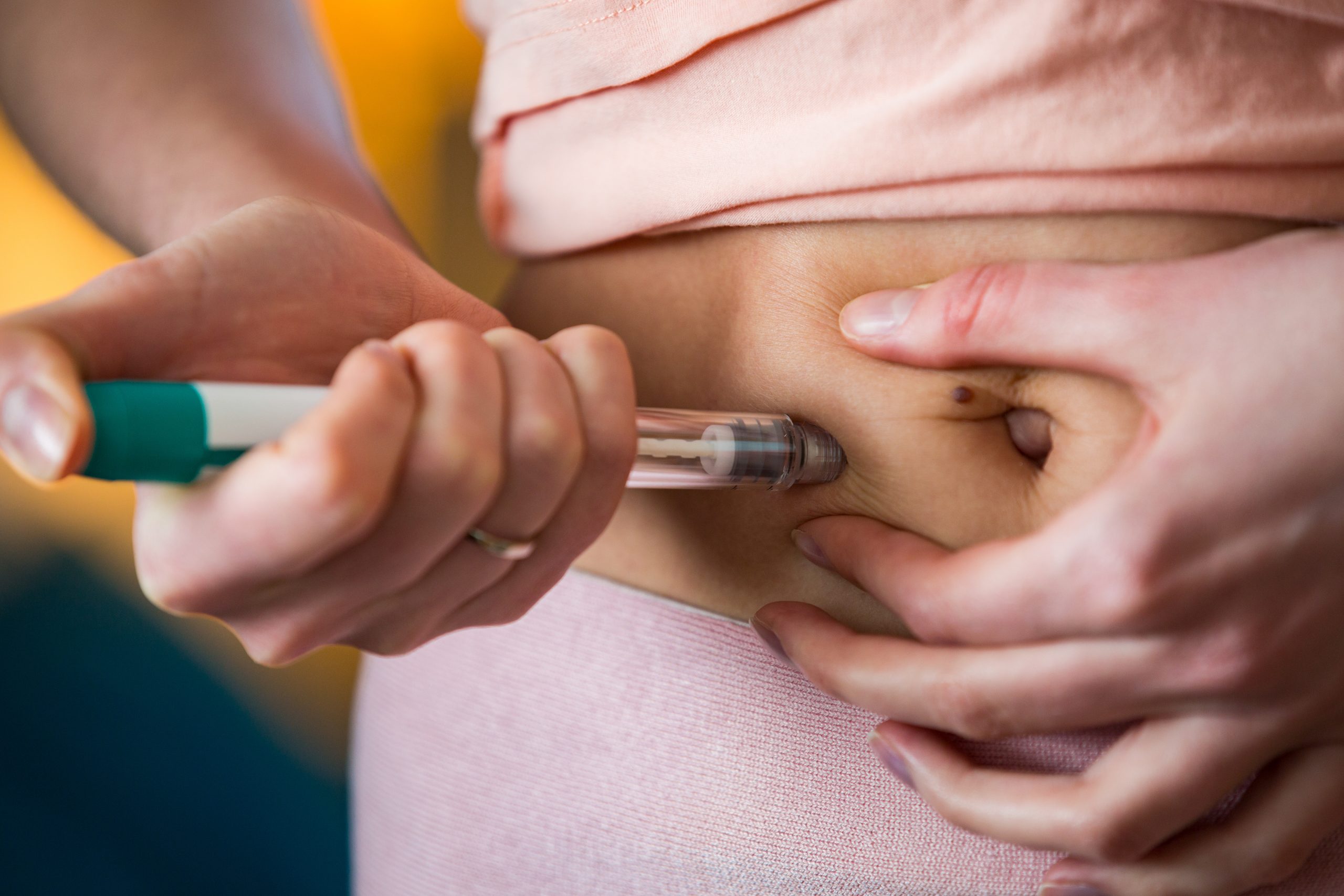
Although the technology for freezing an embryo – also known as oocyte cryopreservation – was developed in the 1980s to help women suffering with serious medical conditions improve their chances of having a baby post-treatment, the idea of egg preservation in healthy women has emerged recently.
In the US, the number of people who have frozen their eggs rose by more than 400 per cent, to over 13,000 in 2020 from just over 2,500 in 2012, according to data from the Society of Assisted Reproductive Technology.
Similarly, in the UK there were 11 times more egg freeze cycles in 2021 than in 2011, with the number of embryo freeze cycles increasing from around 230 cycles in 2011 to 10,719 in 2021.
But even as egg freezing has grown more popular over the last decade, the process can seem intense and overwhelming. Here’s what you need to know.
What is egg freezing?
Egg freezing is a way of preserving a woman’s fertility so she can try to have a family in the future. It involves collecting a woman’s eggs, freezing them and then thawing them later on so they can be used in fertility treatment.
A woman’s chances of conceiving naturally fall as she gets older because the quality and number of her eggs drops.
According to HFEA, egg freezing can be an attempt to preserve fertility by freezing the eggs when the woman is young and the eggs are of the highest quality.
What does egg freezing involve?
Firstly, you’ll need to be tested for any infectious diseases like HIV and hepatitis. This has no bearing on whether you can freeze your eggs or not, but is to ensure that affected egg samples are stored separately to prevent contamination of other samples.
You’ll then start the IVF process, which usually takes around two to three weeks to complete. Normally this will involve taking drugs to boost your egg production and help the eggs mature. When they’re ready, they’ll be collected whilst you’re under general anaesthetic or sedation.
At this point, instead of mixing the eggs with sperm, as in conventional IVF, a freezing solution will be added to protect the eggs.
The eggs will then be frozen either by cooling them slowly or by vitrification, a practice of freezing an egg or embryo with extremely rapid cooling. They will then be stored in tanks of liquid nitrogen.
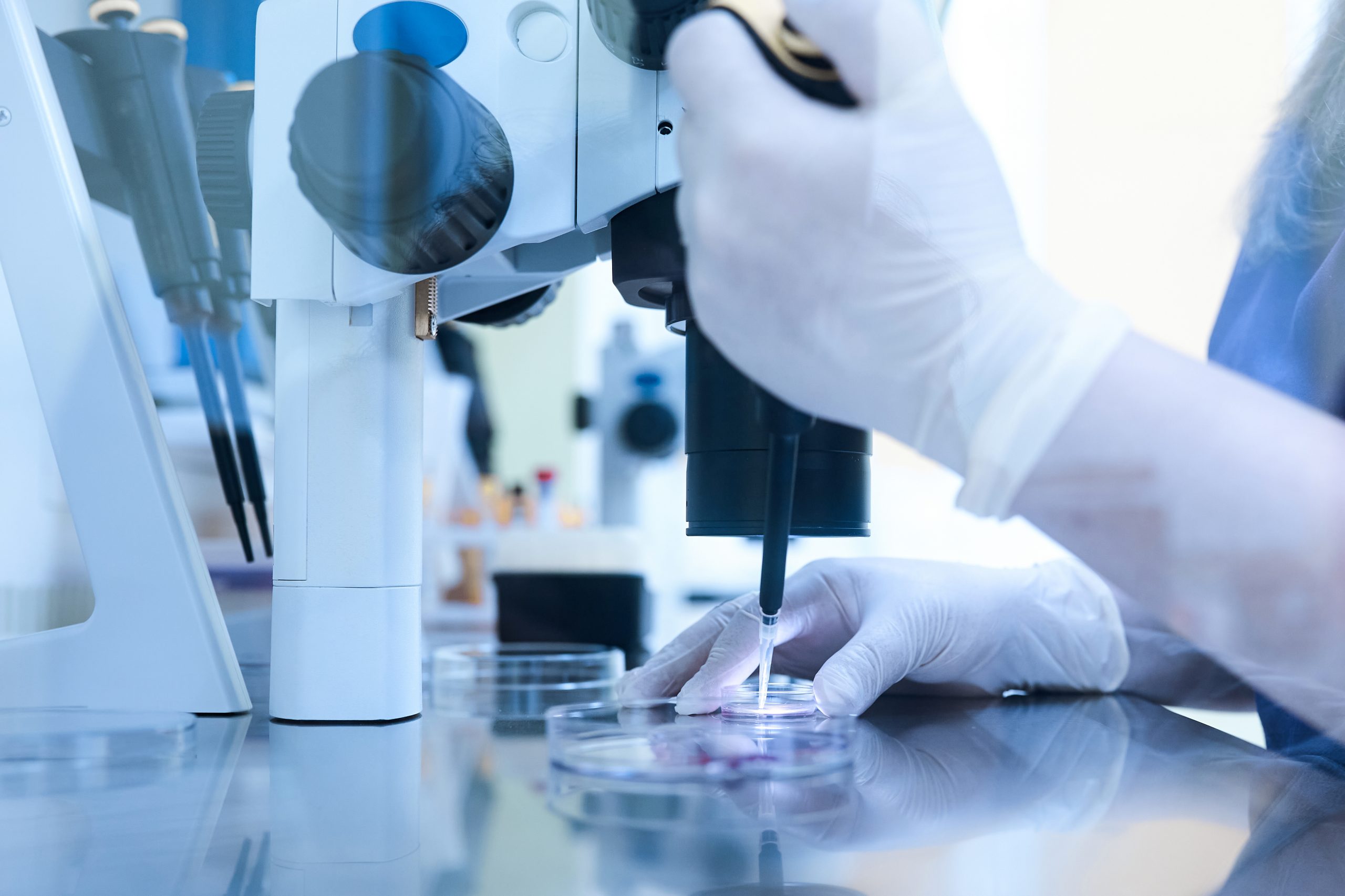
In the UK, there were 11 times more egg freeze cycles in 2021 than in 2011
Most patients under 38 years of age will have on around 7-14 eggs collected, although this isn’t always possible for patients with low ovarian reserves.
When you want to use them, the eggs will be thawed and those that have survived intact will be injected with your partner’s or donor’s sperm.
How safe is egg freezing?
The UK’s Human Fertilisation & Embryology Authority says IVF is mostly very safe, although some women do experience side effects from their fertility drugs. These are usually mild, but in extreme cases women can develop ovarian hyperstimulation syndrome (OHSS).
How much does egg freezing cost?
The average cost of having your eggs collected and frozen in the UK is £3,350, with medication being an added £500-£1,500. Storage costs are extra and tend to be between £125 and £350 per year.
Thawing eggs and transferring them to the womb costs an average of £2,500. So, the whole process for egg freezing and thawing costs an average of £7,000-£8,000.
What are the benefits of egg freezing?
The clearest benefit is that it allows women to “freeze” the biological age of their eggs, increasing the chances of successful pregnancy if they use those eggs at a later time, says Professor Assaf Ben-Meir, head of IVF at Hadassah Medical Center and chief medical officer at Fairtility.
“This is especially advantageous when done at a younger age, as it typically yields more eggs per retrieval with higher quality which is the main benefit, enhancing the chances of a successful live birth.
“While women may not ultimately need these eggs, the procedure provides peace of mind.”
What are the downsides of egg freezing?
While freezing eggs does “freeze time” in terms of the biological age of the eggs, Ben-Meir says some women don’t take into account that their bodies do keep aging.
“Women will freeze eggs but then might put off family planning for longer. If a person waits until their early 40s, they might find that they cannot get pregnant with their fresh eggs. In this situation, they will count on their frozen eggs – and there is no 100 per cent guarantee for success.”

Women are becoming more proactive about their fertility, say experts
The potential of frozen eggs can vary significantly too, Ben-Meir says, adding that current methods of assessing egg quality are not highly reliable.
“Embryologists make estimations solely based on some morphological characteristics of each oocyte. Most studies show that the predictability of an egg’s potential to result in a live birth based on these parameters alone are low and non-personalised.
“This means that when a patient ultimately wants to use frozen eggs to start a family, she may find that what she initially froze is not enough for her personal plans.”
What does the rise in egg freezing suggest?
Overall, it means that women are becoming aware of and proactive about their fertility earlier in their lives, says Dr Luca Sabatini, consultant gynaecologist and obstetrician and chief medical officer at Apricity.
“They know other women who have been tested and chosen to freeze their eggs, and as a result social egg freezing is becoming more acceptable and routine.”
However, Professor Ben-Meir says if this trend continues, the industry must consider the future implications of storing thousands of unused eggs.
“Healthcare providers will need to make decisions about the management and potential donation of thousands of unused, but viable eggs in the coming years,” he warns.
Have celebrities and social media influencers led to more women freezing their eggs?
While there is no clear data on this, experts believe celebrities and internet personalities have been somewhat responsible for egg freezing’s growing popularity.
“Celebrities and social media figures have likely helped reduce the stigma around fertility care, and encouraged people to be proactive about fertility preservation and care,” says Sabatini.
“Their stories might have brought awareness to the option of egg freezing, which some people may not have considered or even known about previously.”
View this post on Instagram
Paris Hilton has frozen 20 embryos, revealing that she is “waiting” for a daughter
Ben-Meir says an unintended consequence of these stories may be additional pressure for women in their reproductive years.
However, he thinks greater awareness means that women are talking about this earlier and they are better assessing their options.
What should women consider before freezing their eggs?
Dr Lisa Stradiotto, consultant in obstetrics and reproductive medicine at Apricity, says one of the biggest factors women need to consider is the financial cost of freezing and storage. For some women multiple cycles may be required to achieve a enough eggs to give them a good chance of pregnancy later.
“The literature suggests that it would be ideal to freeze around 15-20 eggs to give an 80 per cent chance of successfully yielding a pregnancy.”
However, egg freezing is not a guarantee of future fertility like it is sometimes portrayed, cautions Stradiotto.
“It should rather be viewed as a potential ‘back-up plan’, as life doesn’t always go according to plan.”
Professor Ben-Meir encourages women to consider the reputation of the clinic they are choosing.
“Research and choose a reputable facility for egg freezing. Ask if the facility is using AI in its egg and embryo assessment processes, as these technologies are making egg freezing and IVF processes more accurate and personalised to each patient.”




Article produced in association with London Pregnancy Clinic and Jeen Health
For the majority of couples planning a pregnancy, genetic testing is not something they think about until a problem arises.
Pre-conception genetic carrier screening challenges this approach by identifying risk before pregnancy begins.
As panel sizes have grown and at-home testing options have become widely available, carrier screening is transitioning from a niche clinical referral into a mainstream component of reproductive planning.
What Carrier Screening Tests For
Being a carrier of a genetic condition means carrying one copy of a variant in a gene associated with that condition, without being affected by it.
In most cases, carriers are entirely unaware of their status.
The clinical significance of carrier status emerges when both members of a couple carry a variant in the same gene: in this scenario, each pregnancy carries a one in four chance of resulting in a child who inherits two copies of the variant and is affected by the condition.
The conditions most frequently included in expanded carrier screening panels include cystic fibrosis, spinal muscular atrophy (SMA), fragile X syndrome, sickle cell disease, and a range of metabolic and enzyme deficiency disorders.
The Beacon 787 carrier test, offered by Jeen Health, screens for 787 conditions from a single sample, making it one of the most comprehensive panels currently available to UK families.
Who Is Most Likely to Benefit
Any couple planning a pregnancy can consider carrier screening. It is particularly relevant for:
- Couples with a family history of a known inherited condition
- Those from populations with higher carrier frequencies for specific conditions, including Ashkenazi Jewish, South Asian and African communities
- Couples pursuing fertility treatment, where genetic information informs treatment planning
- Those who wish to have the most complete picture of their reproductive health before conception
Importantly, being a carrier of a condition does not mean a child will be affected. It means there is a defined statistical risk that can be quantified, discussed and planned for with appropriate clinical support.
How the Test Is Performed
Carrier screening is typically carried out on a blood or saliva sample.
For at-home options such as the testing offered by Jeen Health, a cheek swab collection kit is dispatched to the patient, the sample is returned by post, and results are delivered digitally within a defined turnaround period.
In-clinic carrier testing may use a blood draw and provides the advantage of immediate access to a clinical consultation at the point of result delivery.
London Pregnancy Clinic offers genetics counselling through its partnership with Jeen Health, allowing couples to receive and contextualise carrier test results with expert support.
Genetic counselling before and after testing is recommended by Genomics England as a standard component of any genomic testing pathway.
What Happens If Both Partners Are Carriers
If both partners are identified as carriers for the same autosomal recessive condition, they are typically offered further counselling to discuss their options.
These may include proceeding naturally with an awareness of the risk, using prenatal diagnosis (CVS or amniocentesis) during pregnancy to test the fetus, or pursuing preimplantation genetic testing (PGT) in the context of IVF, which allows unaffected embryos to be selected before transfer.
The purpose of identifying carrier status before pregnancy is to give couples time to consider these options without the added pressure of an ongoing pregnancy.
Knowledge of carrier status does not remove reproductive choices; it expands the information available when making them.
The Role of Pre-Conception Services
Carrier screening sits within a broader category of pre-conception care that includes fertility assessments, general health optimisation and, where relevant, management of existing conditions before pregnancy begins.
London Pregnancy Clinic offers pre-conception services encompassing fertility investigations, genetics counselling and carrier testing as part of an integrated 0th trimester approach, allowing couples to address genetic and clinical risk factors before their pregnancy starts rather than after.
Disclaimer: This article is produced for informational purposes only and does not constitute medical advice, diagnosis or treatment.
Clinical guidance referenced reflects published NHS, NICE and RCOG standards as at March 2026. Individual circumstances vary; readers are advised to consult a qualified healthcare professional before acting on any information in this article.
This piece was produced in association with London Pregnancy Clinic and Jeen Health, which provided background clinical information for editorial purposes.
Hyperlinks to external sources are included for reference only and do not represent an endorsement of any product, service or organisation.



A London-based fertility clinic has been shortlisted for a startup award.
Plan Your Baby was shortlisted as a London finalist for Innovative Startup of the Year at the UK StartUp Awards.
Plan Your Baby is a new generation fertility and pregnancy telehealth clinic that provides fertility treatment and and-to-end pregnancy clinical monitoring and psychological support.

The company said on LinkedIn: “Being recognised in a city as competitive as London is meaningful for our team.
“The award is judged by industry experts and reflects the growing need for fertility care that is structured, transparent, and centred around the patient.
“Many people come to us looking for clarity in what can often feel like a complex process.
“Our focus has been to make each step easier to understand and easier to access.”
Plan Your Baby founder Marija Skujina was inspired to launch the company after working at the highest level in private fertility clinics and realising the impact that the traditional approach to fertility treatment was having on clients.
She told Femtech World in a 2023 interview: ““Fertility support is not just a medical procedure, it’s physical, mental, and emotional too.
“That’s why I launched Plan Your Baby: to help parents conceive in a fully supported and holistic manner.”
The UK StartUp Awards aim to ‘recognise the achievements of amazing individuals who have had a great idea, spotted the opportunity and taken the risks to launch a new product or service.’
If selected as the regional winner, Plan Your Baby will go on to the national final at Ideas Fest this September.
Previous winners include Magic AI, makers of a wall-mounted AI fitness mirror that acts as a personal trainer, and EnsiliTech, a medtech startup developing innovative health technology solutions at the intersection of engineering and healthcare.

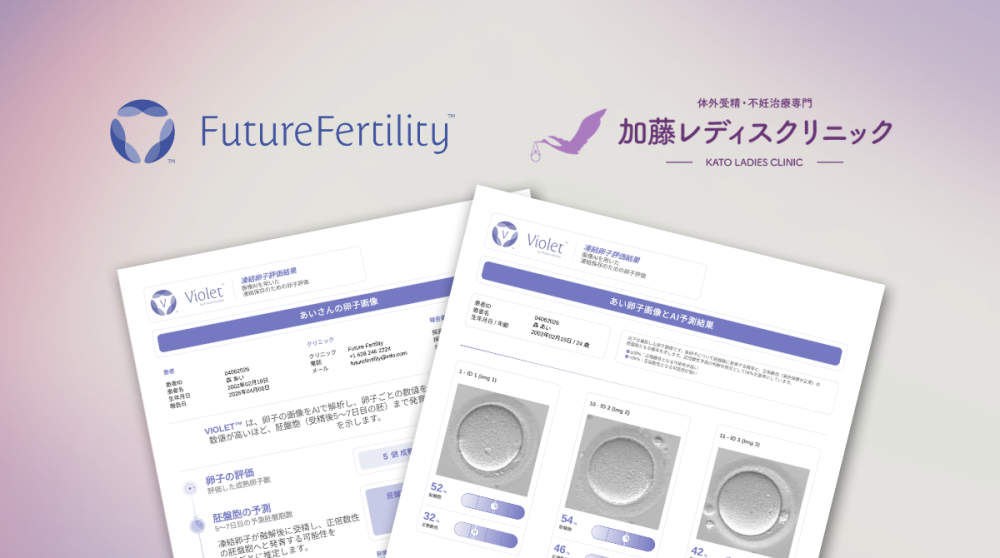
Future Fertility, a Toronto-based health technology company specialising in AI-powered fertility insights, has entered the Japanese market through a new commercial partnership with Kato Ladies Clinic — a globally recognised leader in IVF research and advancing clinical fertility care.
The collaboration marks Future Fertility’s first partnership in Japan and reflects growing global demand for technologies that bring greater objectivity and personalisation to fertility care.
Kato Ladies Clinic will integrate the company’s AI-powered oocyte (egg) quality assessment tools into its clinical workflows, with the aim of supporting more informed treatment planning and patient counselling across IVF and egg freezing cycles.
“At Kato Ladies Clinic, we are committed to advancing fertility care through innovation while maintaining a strong focus on individualised, patient-centred treatment,” said Keiichi Kato, chief executive officer.
“Partnering with Future Fertility enables us to integrate objective, data-driven insights into our clinical approach and better support our patients in making informed decisions.”
Future Fertility’s platform analyses images of oocytes using artificial intelligence trained and validated on a dataset of more than 650,000 unique oocyte images.
The technology is already in use at more than 300 clinics across more than 35 countries, helping clinicians better understand the developmental potential of individual eggs and provide patients with more personalised insight earlier in their treatment journey.
From Research Collaboration to Clinical Adoption
The partnership between Future Fertility and Kato Ladies Clinic began as a scientific research collaboration in 2024, marking the first use of AI-powered oocyte quality assessment in Japan.
The collaboration not only validated the technology in a new patient population and across diverse clinical protocols — including minimal stimulation cycles —but also resulted in a peer-reviewed publication in Reproductive BioMedicine Online (RBMO) and a poster abstract presentation at ESHRE 2025.
The joint research explored how AI-derived oocyte quality scores relate to early embryonic development and overall treatment outcomes. In a retrospective study conducted at Kato Ladies Clinic, researchers analysed nearly 2,800 mature oocytes across more than 1,300 ICSI cycles, linking image-based assessments of egg quality to key developmental milestones.
The study demonstrated that lower AI scores were associated with reduced fertilization rates, delays, and abnormalities in early embryo development, increased developmental errors, and lower-quality blastocyst formation.
Notably, the researchers also found that cumulative oocyte scores were a stronger predictor of live birth outcomes than the number of eggs retrieved — underscoring the importance of assessing egg quality alongside quantity.
“Our collaboration with Future Fertility has demonstrated how artificial intelligence can uncover meaningful biological differences between oocytes that were previously difficult to quantify,” said Kenji Ezoe, senior scientist.
“Bringing this technology into routine clinical use is an important step toward translating research into improved patient outcomes.”
Future Fertility’s VP of clinical embryology & scientific operations, Jullin Fjeldstad, noted that the findings provide important clinical validation.
“Our joint research with Kato Ladies Clinic has shown how AI-based oocyte assessment can be directly linked to numerous embryo development outcomes, from fertilization through early developmental milestones and blastocyst formation,” she said.
“We are excited to see this work translated into clinical practice.”
Growing Demand for Fertility Care in Japan
The partnership comes at a time when demand for fertility treatment in Japan continues to rise.
The country performs over 450,000 fertility treatment cycles annually, making it one of the largest markets globally. Delayed childbearing and evolving societal trends have also contributed to increasing interest in egg freezing.
As patients seek more clarity and personalization in their care, tools that provide earlier insight into reproductive potential are gaining traction.
“Entering the Japanese market with a partner like Kato Ladies Clinic is a significant step forward for our global commercial strategy,” said Rafael Gonzalez, Future Fertility’s VP of global sales & strategy.
“It reflects the growing demand for technologies that support more transparent, data-driven fertility care across diverse healthcare systems.”
Expanding a Global Footprint
Founded in 1993, Kato Ladies Clinic is known for its pioneering work in natural and minimal stimulation IVF and has long been a leader in clinical innovation in Japan.
For Future Fertility, the partnership represents both a geographic expansion and a continuation of its broader mission to bring AI-driven insights into routine fertility care.
“We are proud to partner with Kato Ladies Clinic, a globally respected leader in IVF and a pioneer in reproductive medicine in Japan,” said Future Fertility’s CEO, Christy Prada.
“This partnership represents an important milestone as we expand into Asia and continue our mission to bring objective, personalised insights into fertility care worldwide.”
Future Fertility develops AI-powered tools designed to generate personalised insights across the fertility journey.
Its flagship oocyte assessment technologies analyse egg images to provide objective, individualised measures of egg quality, supporting treatment planning, patient counselling, and clinical decision-making in egg freezing and IVF, while also enabling more data-driven approaches to donor egg distribution and quality assurance.
As fertility care continues to evolve, collaborations like this one are helping shape a new standard — one that emphasises earlier insight, greater transparency, and more personalised decision-making for patients navigating increasingly complex reproductive journeys.











 Events2 weeks ago
Three sessions that show exactly where women’s health is heading in 2026

 Menopause4 weeks ago
California plans US$3.4m menopause care overhaul

 Menopause3 weeks ago
Watchdog bans five ads for women’s heath claims

 Pregnancy2 weeks ago
How NIPT has evolved and what AI NIPT means in 2026

 Menopause4 weeks ago
Menopause has no lasting impact on cognition, research finds

 Entrepreneur3 weeks ago
WHIS USA 2026 announces first ticket release for landmark Women’s Health Innovation Summit

 News2 weeks ago
Two weeks left to make your mark in women’s cardiovascular health

 Opinion3 weeks ago
Q1 momentum: Female founders are advancing, but the system still hasn’t caught up
Pingback: Everything you need to know before freezing your eggs - Fairtility