





Connect with us

Wellness

UK’s first menopause education and support network to trial two new courses

Published

on

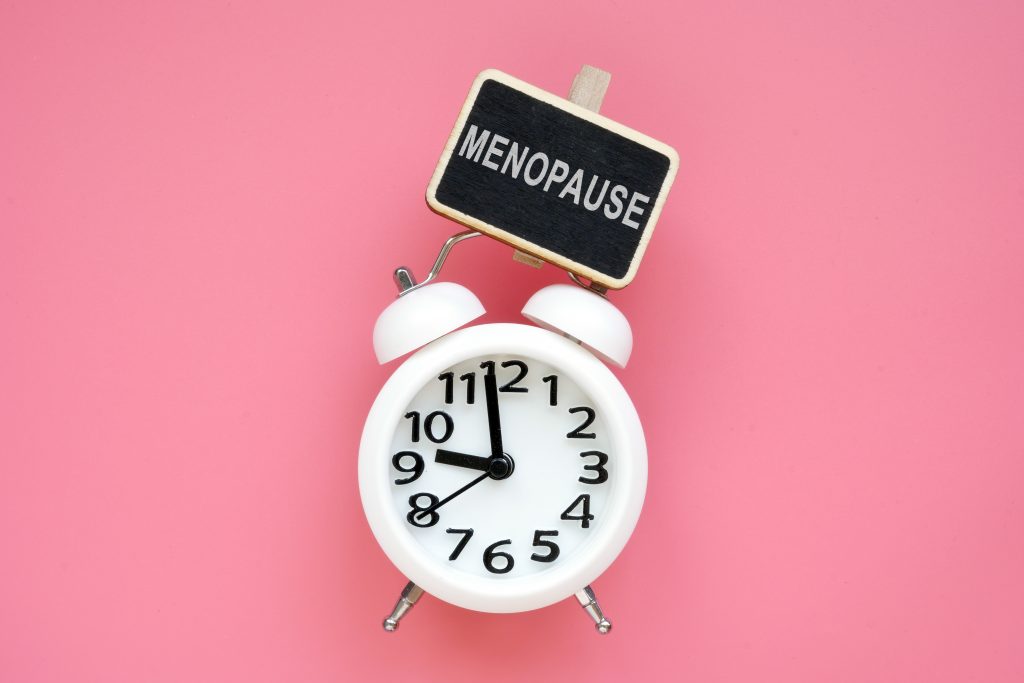
Details of two new courses to help individuals before and during the menopause have been published as part of the launch of the UK’s first menopause education and support programme, created by UCL researchers.

The UK’s National Menopause Education and Support Programme – InTune – is being developed by Professor Joyce Harper of UCL EGA Institute for Women’s Health, Dr Shema Tariq of the UCL Institute for Global Health and Dr Nicky Keay of UCL Division of Medicine.

The work has been undertaken in partnership with two charities, Wellbeing of Women and Sophia Forum. The programme also has the support of the Royal College of Obstetricians and Gynaecologists and British Menopause Society (BMS).

A core aim of the UCL team is to co-design InTune with a diverse range of women and people who are affected by the menopause, to ensure that it is relevant, accessible and inclusive.

Over the last 12 months, the team have conducted two workshops (involving academics, clinicians, charity representatives, activists and other professionals working in menopause), focus groups and a public consultation survey. Through this work, they have established the need for two separate but interrelated programmes: Be Prepared for Menopause and the Perimenopause Programme.

Professor Joyce Harper said: “Our previous research has highlighted an urgent need for accessible, evidence-based menopause education and support. We now wish to use our research expertise to respond to this.

“Our vision is of high quality, inclusive menopause awareness, education and support, for everyone. We will achieve this by developing and delivering a non-commercial programme of holistic support and education about menopause, co-designed with stakeholders and the public.”

Be Prepared for Menopause is a two-hour interactive session aimed at individuals under 40 who have not yet reached perimenopause, but anyone can attend. The session will cover what menopause is, symptoms, diagnosis, management (including lifestyle modification) and life post menopause.

The UCL team are using a novel teaching style, including showing short videos by key experts in the field, followed by opportunities for course attendees to reflect and discuss the issues raised.

The first version of the course has already been developed and has started to be piloted across the UK.

The Perimenopause Programme will be for individuals who are already experiencing menopause-related symptoms to ensure they have peer support and learn more about the perimenopause.

The perimenopause usually occurs around three to five years before the onset of menopause. During this stage women’s oestrogen and progesterone levels begin to fluctuate, causing them to experience mood changes, irregular menstrual cycles and other menopausal symptoms.

This stage of the menopause continues until one year after a woman’s last period and can often last for between four and eight years in total.

Inspired by antenatal classes, the Perimenopause Programme will be between six and eight weeks long and delivered in a group setting. The team hope that eventually the course will be available through employers and in communities, fusing education with coaching and peer support.

The team will ensure that both courses will be available online and in-person, and that the content will be adapted for a diverse range of target audiences, including people who are neurodivergent, racially or sexually minoritised, and those living with an existing health condition.

Dr Nicky Keay added: “We believe that the time is right for InTune, a national programme that will allow people to be in tune with menopause, in tune with their bodies and in tune with each other.”

Plans for the programme were first announced last year following research led by Professor Harper, that showed that more than 90 per cent of women were never educated about the menopause at school and over 60 per cent only started looking for information about it once they began experiencing menopausal symptoms.

New details published in Women’s Health reveal how InTune can help address this lack of information and ensure that people reaching menopause have a greater understanding of what is happening to their bodies.

Dr Shema Tariq said: “InTune recognises that with the right information and support, delivered to the right people, at the right time, we can empower communities to manage their health and wellbeing through this key life shift.”

The team recently showcased InTune at a House of Commons event – chaired by Carolyn Harris MP, who is Chair of the All-Party Parliamentary Group on Menopause, and Professor Dame Lesley Regan, the Women’s Health Ambassador for England – where they discussed the need to provide education and support for menopause.

The team are now hoping to secure further funding to ensure the programme is refined and robustly evaluated.

Wellness

Weekly app monitoring reduces breast cancer fatigue, study shows

Published

on

Weekly app monitoring can reduce fatigue and improve daily life for women with metastatic breast cancer, according to a study.

The approach involves regularly asking patients about their wellbeing through an app and responding quickly when problems are identified.

Germany’s Federal Joint Committee, known as the G-BA, has recommended that the treatment model be incorporated into standard care.

Professor Maria Karsten, senior attending physician at the Charité Breast Cancer Center and initiator of the PRO B project, said: “The new medications often no longer need to be administered at the hospital but can be taken at home.

“As a result, we see patients less frequently at the hospital, and our medical oversight has become somewhat incomplete.

“In order to close this gap and provide patients with close support in spite of the distance, we have developed the PRO B digital treatment concept.”

Around 68,000 women in Germany are living with metastatic breast cancer, meaning the disease has spread to other organs.

At this stage, the cancer is generally considered incurable. Modern treatments can, however, temporarily control the disease and extend life expectancy by several years, with some women able to continue working.

At the centre of PRO B is an app that asks women up to 52 structured questions once a week about their symptoms, daily life and emotional wellbeing.

Questions include whether they have experienced pain, felt too tired to carry out their usual activities or experienced shortness of breath.

An algorithm analyses the answers and immediately alerts the treatment team when relevant changes are detected.

The team then contacts the patient within 48 hours to decide whether any action is needed.

Karsten said: “During these phone calls, for example, we discuss whether the dosage of anti-nausea medication should be adjusted or offer practical tips for managing the various symptoms.

“But we also detect serious side effects more quickly – such as those indicated by a seemingly harmless symptom like fatigue – and can immediately schedule the patient for an appointment at the hospital.”

The study involved 909 women with metastatic breast cancer aged 19 to 81 across 52 breast cancer centres in Germany and followed them for one year.

Around half received PRO B care alongside drug-based cancer treatment.

The other half answered questions about their wellbeing once every three months and were not contacted by their treatment teams in response.

Women receiving PRO B care reported significantly less fatigue, which refers to physical, emotional or mental exhaustion that can severely restrict daily life.

They also rated their physical functioning more positively and required fewer hospital admissions.

Karsten said: “These are effects that have a noticeable impact on the patients’ daily lives; the women are more capable and better able to manage their lives.

“We even have evidence that the PRO B approach extends the remaining lifespan for some patients. We are achieving all of this not through a new medication, but simply by regularly and systematically assessing the women’s well-being and responding accordingly.”

More than 90 per cent of women in the PRO B group said after the study that they wanted the approach to become part of routine care.

Stephanie Neumann-Johnston, 51, who took part in the study, said: “I feel like the app has saved my life several times.

“There are so many situations and incidents that you can’t make sense of – you have so many questions.

“With the app, I can look up common problems and find medically reviewed information, for example, about fatigue. That way, I can help myself, also on the weekends.

“And the personal contact provides me with emotional and medical support.

“For example, I can find out whether I’m allowed to take certain medication for a fever, or get an assessment of my situation: Should I go to the emergency department with these symptoms or not? The app takes a huge weight off your shoulders.”

Based on the medical findings and a health economic analysis, the G-BA recommended in June that PRO B should be incorporated into standard care.

This would allow patients with statutory health insurance to access the model in future when they receive the relevant diagnosis.

PD Dr Christoph Kowalski, department director at the German Cancer Society and a co-author, said: “This recommendation must now be implemented as quickly as possible.

“If a new care concept offers medical and economic benefits, we should not withhold it from the most seriously ill women.”

The health insurance companies involved in the project are also planning further developments so affected women can receive routine PRO B care before its wider introduction into standard care, with access expected to begin this autumn.

The care model will continue under the name “ida”, led by Karsten and her team.

The PRO B project ran from 2020 to 2024 and received around €4.8m from the Innovation Committee of the Federal Joint Committee.

The project was led by Karsten, with consortium partners BARMER, mkk – meine krankenkasse, DAK-Gesundheit, the German Cancer Society and OnkoZert GmbH.

Breast cancer is the most common cancer among women in Germany, with around one in eight expected to develop the disease during their lifetime.

Worldwide, breast cancer is the leading cause of cancer-related deaths.

Despite advances in treatment, 30 per cent of women with early-stage breast cancer and up to 70 per cent of those with lymph node involvement in later stages develop distant metastases, which typically make the disease incurable.

For patients with metastatic breast cancer, treatment aims to prolong life while maintaining the best possible quality of life.

Since 2016, the G-BA has been responsible for supporting new forms of care that go beyond existing standards, as well as health services research aimed at improving healthcare quality in Germany.

Its Innovation Fund is financed through contributions from statutory health insurance plans and the Health Fund.

Continue Reading

Wellness

Cancer patient receives ‘landmark’ treatment in world-first

Published

on

A woman with advanced ovarian cancer has become the first patient globally to receive an experimental off-the-shelf cell therapy.

Tracy Tomlinson, 58, was given the experimental drug ZI-MA4-1 at the Christie NHS Foundation Trust in Manchester.

The treatment forms part of a clinical trial evaluating its use against several cancer types, including ovarian, lung, head and neck cancers and sarcomas.

The Christie is leading the trial, with a second site at the Royal Marsden in London. It involves patients with advanced cancers who may have few other treatment options.

Tomlinson, from Chadderton in Greater Manchester, has undergone surgery and multiple rounds of chemotherapy since she was diagnosed in 2020.

She said: “They’ve got rid of the cancer twice but then it came back about two and a half years ago, and we’ve never seemed to get rid of it since then.

“The chemotherapy has shrunk it but when treatment stops, it has come back.

“It is a lot to live with and there’s been ups and downs – there’s been elation, there’s been disappointment, and bits in between.

“But I try very, very hard to remain very positive. Every day that I wake up is a positive. You’ve got to have hope.”

ZI-MA4-1 combines two approaches to cancer treatment.

It uses natural killer cells, known as NK cells, which are specialist immune cells that identify and destroy abnormal cells.

T-cell receptors on the donor cells are also engineered to recognise and target tumours producing a protein called Mage-A4.

Mage-A4 is found in several types of cancer and is considered by experts to be a potential target for attacking abnormal cells.

Unlike personalised treatments, ZI-MA4-1 is designed as an off-the-shelf therapy using immune cells from donors.

The treatment is manufactured in advance rather than being made separately for each patient, with hundreds of doses potentially produced from one manufacturing batch.

Experts believe this approach could make advanced cell therapies available to more patients, more quickly and at a lower cost.

Tomlinson was diagnosed with ovarian cancer that had spread shortly before Christmas 2020 and began treatment immediately.

By summer 2021, scans showed no evidence of disease, but the cancer returned around a year later.

Despite further treatment and 48 chemotherapy infusions, the cancer continued to return.

The former Civil Service manager was diagnosed with stage 3C ovarian cancer, meaning cancer growths had spread into the peritoneum, the tissue lining the abdominal cavity.

She currently has a tumour between her liver and kidney, as well as smaller tumours elsewhere.

She said: “They’ve got rid of the cancer twice but then it came back about two and a half years ago, and we’ve never seemed to get rid of it since then.

“The chemotherapy has shrunk it but when treatment stops, it has come back.

“It is a lot to live with and there’s been ups and downs – there’s been elation, there’s been disappointment, and bits in between.

“But I try very, very hard to remain very positive. Every day that I wake up is a positive. You’ve got to have hope.”

Tomlinson said she had been target-driven during her working life and had set herself high standards.

“But you can’t control cancer,” she said. “What I can control is how I look at it, how I deal with it, and trying to eat healthily and taking the positives in everything.

“And I’ve learned to appreciate the smallest of things that we take for granted – and the people around you and what they mean to you.

“Also, the beauty of outside and the trees and the colour of the trees and the birds singing.

“We just go from A to B, don’t we? Busy, busy, busy. But we never slow down and take in the wonder of what’s around us.

“I often think, ‘I’m still here’, and that’s helped me think, ‘Why can’t I still be here in 10 years?’, ‘Why can’t I still be here in 15 years?’

“And I believe taking all the treatments offered to me is helping me kick that can a bit further down the road.

“I don’t want to go anywhere. I’ve still got a lot of things I want to do and things I want to achieve.”

Tomlinson said her husband Paul, whom she married in 2022, is her “rock”. She is also close to her son Harry, 28.

Last year, she was referred to the Christie’s early-phase clinical trials team for extensive screening and learned she was eligible for the Zima-101 clinical trial.

She said: “I decided almost straight away that I was going to go for it.

“Then afterwards you think, ‘Am I doing the right thing?’, because it is a little bit scary being the first person in the world to have the treatment.”

She has received three infusions of the therapy, with the option of a fourth depending on her scan results.

She said: “If it benefits me, absolutely fantastic. But if it benefits other people in the future, that’s important too.

“I don’t want to have gone through everything I’ve gone through for nothing. I want to feel like I have made a difference.”

Professor Fiona Thistlethwaite, consultant medical oncologist at the Christie, said: “While this is an early-stage study primarily focused on safety, it represents an exciting step forward in efforts to develop new treatment options for people like Tracy with advanced solid tumours.

“We hope the knowledge gained will help shape future cancer treatments and ultimately improve outcomes for patients.”

Dr Jon Lim, consultant medical oncologist in advanced immunotherapy and cell therapy at the Christie, told PA: “What’s very exciting about this is that these are essentially not kind of antibody-based, but living cells.

“These are live immune cells that are infused in hundreds of millions back to the patient, and the idea of this is that it is a little bit more targeted.

“The reason this is very interesting is because this is the first of its kind globally in this approach, where it’s taking donor immune cells, manipulating or engineering them, and putting them into the recipient.

“Tracy is essentially getting somebody else’s immune cells that have been engineered to ‘see’ her cancer.

“We’re very excited. This is a novel approach in the cell therapy space. We are also really showcasing what we can do in the UK.”

Namir Hassan, chief executive of Norwegian company Zelluna, which makes ZI-MA4-1, described Tomlinson’s first dose as a “landmark moment”.

He said: “It represents the moment when years of research moved beyond the laboratory and into the clinic, offering a new potential treatment option for patients facing advanced cancers with limited alternatives.”

Only around 15 per cent of women survive ovarian cancer for five years or more after diagnosis.

Dr Diana Hernandez, director of immune and advanced therapies at Anthony Nolan, said: “NK cells have huge potential as off-the-shelf therapies, and this trial takes us one step closer to a wider application of engineered NK cells in the targeted treatment of cancers.”

Continue Reading

Pregnancy

Beetroot juice may benefit pregnant women with chronic kidney disease – study

Published

on

Daily beetroot juice may help support kidney health during pregnancy in women with chronic kidney disease, early research suggests.

Pregnancy puts additional strain on the kidneys. Around half of women with moderate to severe chronic kidney disease experience a decline in kidney function while pregnant.

Despite these risks, outcomes for pregnant women with the condition have changed little over the past 30 years.

Many medicines used to manage kidney disease are also unsuitable during pregnancy, meaning women often need to stop taking them for at least nine months.

Researchers at King’s College London examined whether dietary nitrate from beetroot juice could offer a simple and safe way to support kidney function during pregnancy.

Beetroot juice is naturally rich in nitrate, which the body converts into nitric oxide. Nitric oxide widens blood vessels and improves blood flow, which could reduce the strain placed on the kidneys during pregnancy.

The study involved 108 pregnant women with stage 2 to 5 chronic kidney disease across eight UK hospitals.

Before reaching 25 weeks of pregnancy, participants were randomly assigned to receive either standard care or a daily beetroot juice supplement containing dietary nitrate.

The study was mainly designed to assess whether a larger clinical trial would be practical. However, the findings also suggested possible benefits for mothers and babies.

Kate Bramham, consultant nephrologist at King’s College Hospital, professor at King’s College London and senior author of the study, said: “For women living with chronic kidney disease, pregnancy has always meant navigating a difficult trade-off between preserving their own health and keeping their baby safe, often with few tools to do both.

“These results are an encouraging first step towards a low-cost, low-risk intervention that could genuinely make a difference for this group of women, who have been underserved by research for far too long.”

Women receiving beetroot juice experienced around 70 per cent fewer serious adverse events overall than those receiving standard care. Of the serious adverse events that occurred, around half affected newborn babies.

Among women with more advanced kidney disease, researchers also observed trends towards better kidney function after pregnancy, fewer newborn admissions to neonatal care and a reduced need for blood pressure medication during pregnancy.

The researchers found no safety concerns linked to beetroot juice supplementation during pregnancy, including no increase in hyperkalaemia, which means unusually high potassium levels in the blood.

There have been concerns that beetroot juice could increase the risk of hyperkalaemia in pregnant women with chronic kidney disease, with some online advice recommending that they avoid it. However, no increase was recorded among women receiving the supplement.

Dr Priscilla Smith, a nephrologist, King’s College London PhD student and first author of the study, said: “Pregnancy can put additional stress on the kidneys, and for women with chronic kidney disease there are currently limited options to protect kidney function during this time.

“Our findings suggest beetroot juice could offer a simple and accessible approach that is safe and worth exploring further.”

The researchers said larger clinical trials are now needed to determine whether beetroot juice can significantly reduce kidney function decline and improve long-term outcomes for mothers and babies.

If confirmed, the intervention could offer an inexpensive and widely available way to support women with chronic kidney disease during pregnancy, when safe treatment options remain limited.

The research was supported by funding from Kidney Research UK.

Dr Andrew Webb, clinical senior lecturer at King’s College London and a co-author of the study, said: “By increasing nitric oxide production, dietary nitrate from beetroot juice may help improve blood vessel function and support kidney health.

“These early findings provide an important foundation for future research into protecting women with chronic kidney disease during pregnancy and their babies.”

Continue Reading

Trending

Copyright © 2025 Aspect Health Media Ltd. All Rights Reserved.

