




Wellness

A new daily pill for endometriosis has been approved for use on the NHS and could help over a thousand women in England every year manage the symptoms of the debilitating condition. The once-a-day pill, linzagolix, will soon be available for NNewHS patients in England who have had previous treatment for endometriosis, following approval by [...]

Femtech Canada, operated by Innovation Factory, has entered into a strategic partnership with Sun Life to support the development of commercialisation programming designed to drive the creation of new solutions, fuel economic growth through job creation and investment, and position Canada as a global leader in the rapidly growing femtech market. The programming is specifically [...]

Reflecting on how fitness posts on social media make them feel may help young women reduce the harmful tendency to compare themselves to idealised influencers and content online. That’s according to a new study that explores the impact of “fitspiration”—fitness-themed inspirational content—on young women’s body image, and whether short, daily reflections could lead to meaningful changes in [...]

Recently published research has turned an overdue spotlight on the disproportionate burden of dementia borne by women. It is encouraging to see this research progressing, and inspiring to see it stimulating public awareness and discussion of a disparity that has too long been overlooked: women are twice as likely as men to develop Alzheimer’s disease. [...]

New research is debunking the internet belief that if women time their resistance training to specific phases of their menstrual cycle, it boosts the body’s ability to build muscle and strength. In fact - the research ha shown that exercising at various points in the cycle had no impact, either positive or negative, on the [...]

A new report has uncovered significant biological differences between men and women in their response to popular weight loss medications like Ozempic and Zepbound, according to a recent study. The report provides insights into why female patients, who make up 70 per cent of those taking GLP-1 drugs, experience more severe side effects despite achieving [...]

For the first time, a long-term, daily pill for the treatment of endometriosis will now be available on the NHS. The combination treatment pill, relugolix–estradiol–norethisterone, is faster-acting than current injectable treatments and can be taken at home. According to the National Institute for Health and Care Excellence (NICE), which has recommended the treatment, relugolix–estradiol–norethisterone works [...]

Two new studies have uncovered key biological mechanisms driving systemic sclerosis (SSc), or scleroderma – a rare and often devastating autoimmune disease that causes fibrosis (tissue hardening) and inflammation. The research helps explain why the disease disproportionately affects women and reveals potential treatment targets, some of which are already in development. Women are four times [...]

An international study has found new evidence linking traumatic experiences and stressful events with endometriosis - revealing that the condition appears to be closely linked to trauma involving contact, such as in physical abuse or sexual assault. Through genetic analysis, the researchers found that this relationship seems to be independent of genetic predisposition to endometriosis. [...]
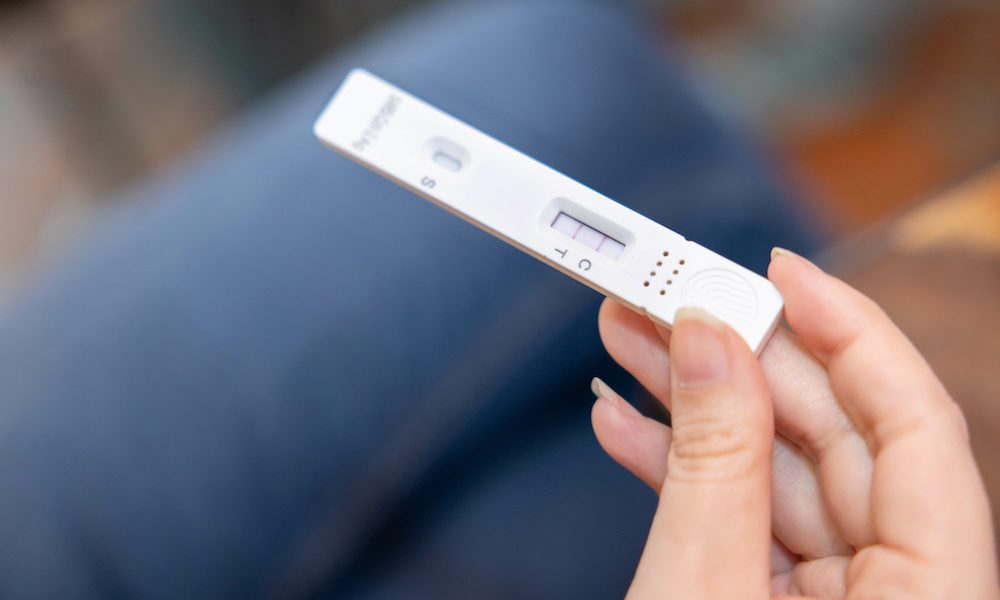
Females have a 31 per cent higher associated risk of developing Long Covid, with women aged 40 to 55 years having the highest propensity, according to a new study. The study followed 12,276 participants over time to identify the risk of developing Long Covid, and found females with a “risk ratio” of 1.31 compared with [...]
Newsletter
Sign up for free weekly updates
The latest femtech news, research and investment, straight to your inbox.




