




Clinician / health professional

As new European research shows millennials are more likely to miss cervical cancer screenings than any other generation, experts warn that failing to address major barriers - from fear to family and workplace pressures - could undermine global elimination targets. Results from a survey of over 5,500 women aged 16-64 found that 31 per cent [...]

Structured infection prevention and treatment cuts maternal deaths and severe complications by nearly one-third, a trial in 59 hospitals has found. The APT-Sepsis intervention, tested on more than 430,000 women in Malawi and Uganda, showed that systematic improvements in hygiene, infection management and sepsis care reduced maternal mortality in low-resource settings. Maternal sepsis, a life-threatening [...]

Emory’s Nia Project has received a US$2.5m grant to expand trauma-informed mental health care for women and widen access at Grady Health System. Trauma-informed care recognises the impact of violence and trauma and adapts support to reduce harm and aid recovery. The funding will strengthen clinical programmes, support research and broaden access for women affected [...]
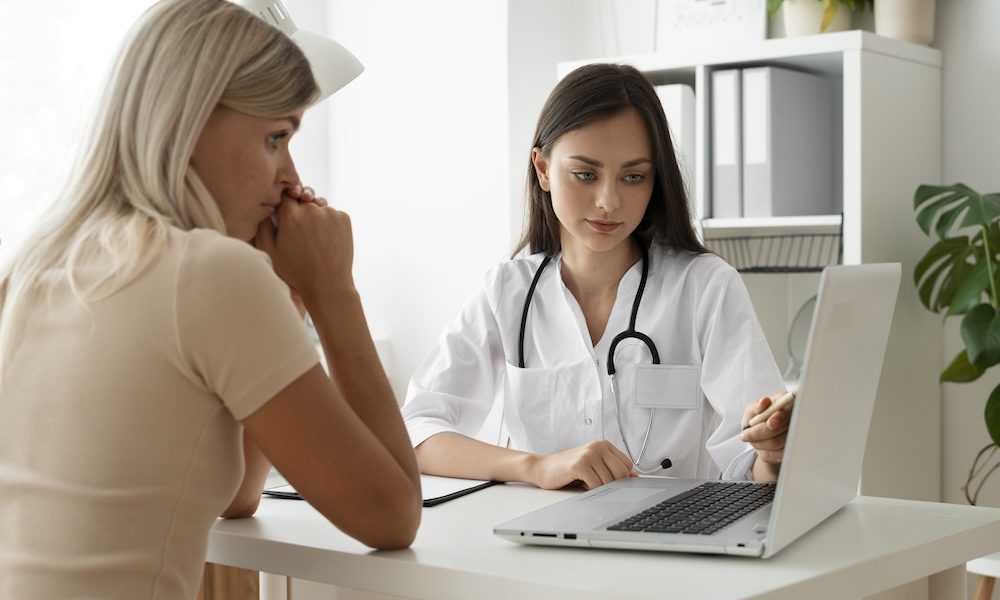
By Dr Hisham Abouzeid, consultant in obstetrics and gynaecology, Transform Femme Across the UK, women are facing an unacceptable reality when it comes to their health. From pelvic floor problems and heavy bleeding to chronic pain and postnatal complications, millions of women are living with treatable conditions that are simply not being treated, often for [...]
By Dr Louise Newson BSc(Hons) MBChB(Hons) MRCGP FRCGP DHealth Over years of studying the health of women there’s one key thing that I've come to realise; clinicians have often been missing a crucial piece of the puzzle in understanding women’s mental health and brain function. It all comes down to three hormones that deserve far [...]
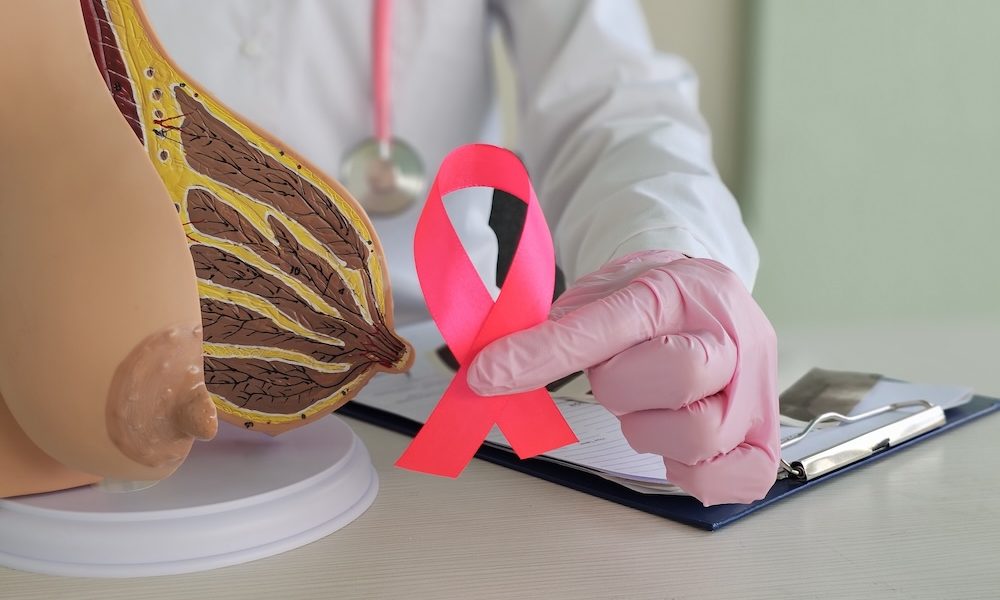
An NHS-approved drug could be repurposed to prevent breast cancer in pre-menopausal women with a strong family history of the disease, researchers have found. Ulipristal acetate, already prescribed on the NHS for other conditions, blocks progesterone – a hormone that can drive breast cancer development – and may help lower risk in women before the [...]

Women must receive clearer warnings about the potentially fatal risks of home birth and should only be supported by experienced midwives, experts have said. The calls follow a coroner’s ruling in Rochdale, England, that Jennifer Cahill, 34, and her baby, Agnes Lily, died after a home birth in June 2024 due to “a gross failure [...]
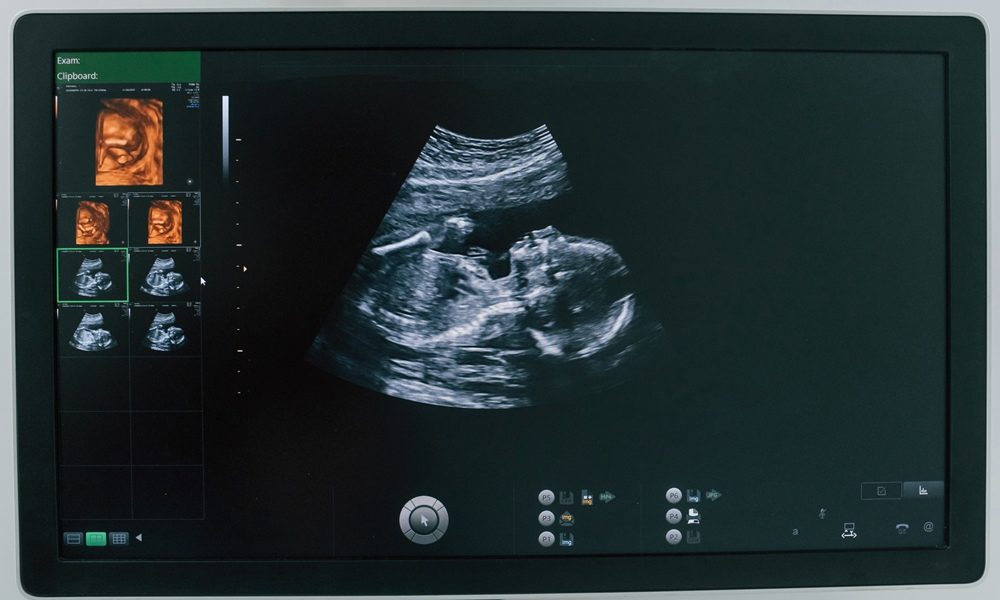
High street clinics offering pregnancy scans could be putting unborn babies and their mothers in danger through a lack of properly trained staff, UK experts warn. Hospital specialists report cases of missed health problems, misdiagnosed conditions and instances where women were wrongly told their babies had died or were malformed. The Society of Radiographers (SoR) [...]

Occupational therapy can ease anxiety and emotional strain for women experiencing high-risk pregnancies, with cognitive-based techniques found to be most effective, new research has revealed. Joint research from Edith Cowan University and the University of St Augustine for Health Sciences reviewed a range of psychosocial occupational therapy approaches and found that cognitive-based interventions had the [...]

AI technology can identify 42 per cent of breast cancers that develop between routine mammograms by flagging women at highest risk, researchers have found. The study analysed 134,217 screening mammograms using a deep learning model known as Mirai, which estimates breast cancer risk from imaging data, tumour features and breast density. Researchers from the University [...]
Newsletter
Sign up for free weekly updates
The latest femtech news, research and investment, straight to your inbox.




