




Diagnosis
Femtech World explores the latest research developments in the world of women’s health. Phase 2 trial of non-hormonal endometriosis treatment completed Hope Medicine has completed a global Phase 2 study evaluating the safety and efficacy of non-hormonal endometriosis treatment - HMI-115. HMI-115 is a monoclonal antibody that blocks the prolactin receptor, and is a potential [...]
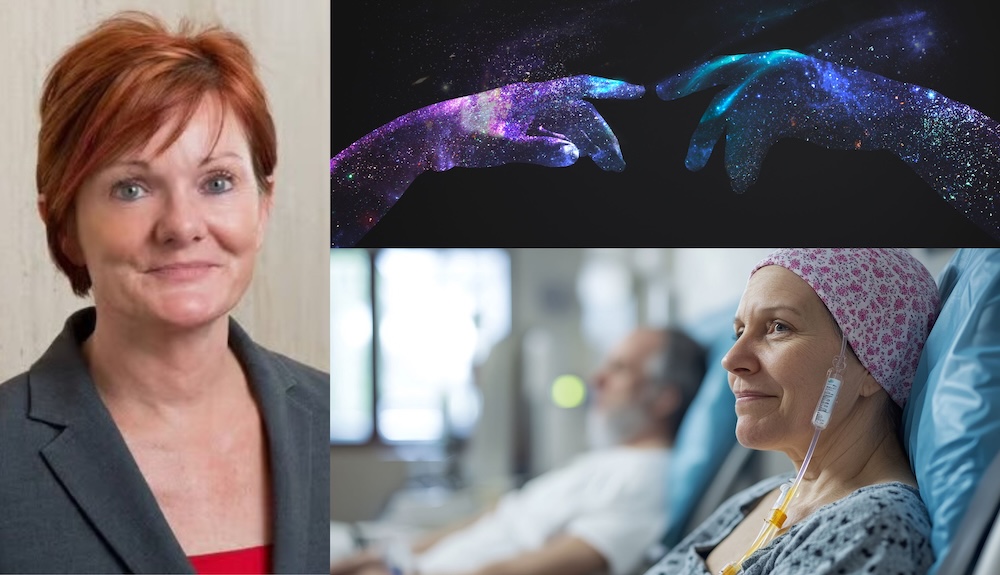
For decades, women have been excluded from clinical research, but AI-powered digital twinning is helping make trials safer, more inclusive, and more representative of real patients. For Karen Yeo, innovation is not just about technology, but how it is used to change things for the better. Yeo (pictured top left) is senior vice president of client [...]

Women show their fastest reaction times during ovulation, but physical activity level has a stronger effect on brain function, new research suggests. The study examined how menstrual cycle phases and physical activity influenced cognitive tasks that reflect real-world decision-making and reactions, such as timing, attention and response speed. Researchers tracked 54 naturally menstruating women aged [...]

Women are diagnosed with ADHD around five years later than men, despite symptoms appearing at the same age, new research has revealed. The delay in diagnosis is linked to worse outcomes for women with attention-deficit/hyperactivity disorder (ADHD), which affects concentration and impulse control. It is associated with higher rates of depression, anxiety and everyday impairment. [...]

North London NHS Foundation Trust has signed a new partnership with leading digital health company Psyomics to revolutionise how people across Barnet, Camden, Enfield, Haringey, Islington access mental health care. The collaboration will see Psyomics’ digital technology rolled out across community services, enabling access to the right support more easily for over 1.6 million residents. [...]

By Dr Amina Hersi, GP and Founder of Polybiotics For too long, women’s health has been treated as an afterthought. Funding remains limited, particularly when our conditions are framed solely as reproductive. Ask any woman living with PCOS, endometriosis or adenomyosis if their experience begins and ends with fertility. They will tell [...]

Co-written By Dr Claire Gillvray and Tarang Majmudar, Welbeck Cambridge (2026) Gynaecological cancers, cervical, ovarian, uterine, vaginal, and vulvar, pose a significant health risk across all age groups. While treatment has advanced in recent years, early detection remains the single most crucial factor in improving survival, reducing the need for invasive treatments, and preserving quality [...]
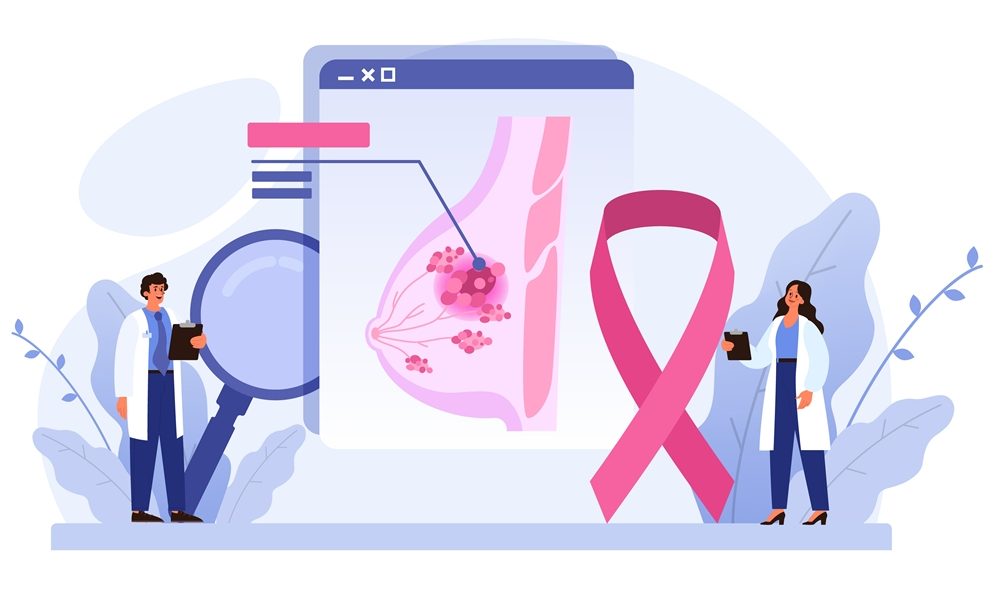
Whole genome sequencing could identify unique genetic features to guide treatment for more than 15,000 breast cancer patients each year in the UK, new research suggests. The technique, which analyses DNA from both patient and tumour to identify genetic changes, helps reveal what drives each cancer and highlights potential treatment targets or resistance. Scientists at [...]

Few HR professionals believe managers are properly trained to support employees with endometriosis and other menstrual health conditions, new research has revealed. Only 16 per cent of HR professionals said line managers had the training or resources to effectively support staff with menstrual health issues, according to new research. That figure dropped to 13 per [...]
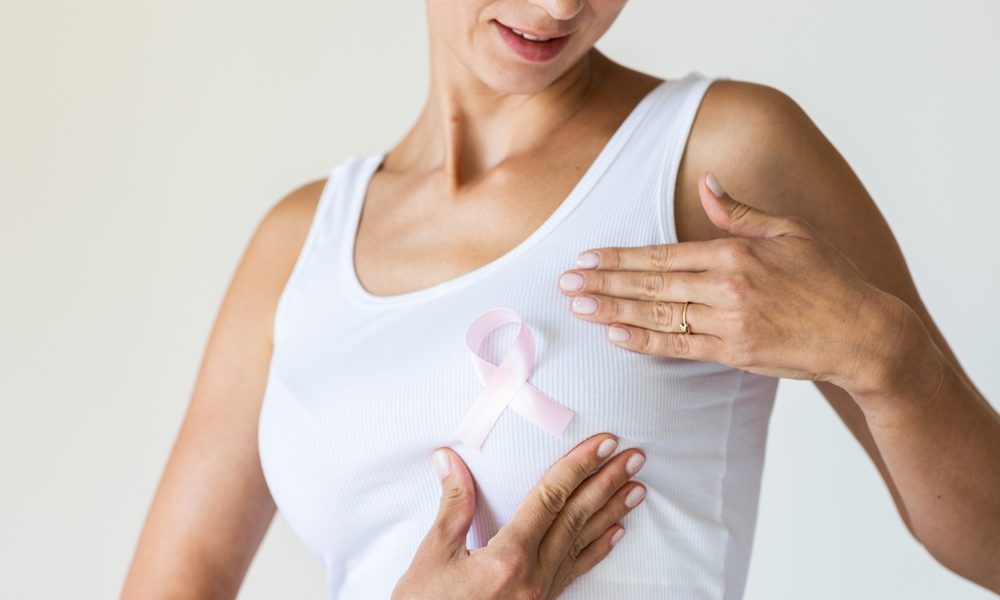
A targeted therapy has improved survival compared with chemotherapy in patients with triple-negative breast cancer who cannot receive immunotherapy. The drug, an antibody-drug conjugate (a treatment that delivers chemotherapy directly to cancer cells), slowed tumour progression and extended survival compared with standard chemotherapy in triple-negative breast cancer – an aggressive form lacking three common receptors [...]
Newsletter
Sign up for free weekly updates
The latest femtech news, research and investment, straight to your inbox.




