




News
How femtech is closing the gender gap in healthcare and research


By Dr Amina Hersi, GP and Founder of Polybiotics
For too long, women’s health has been treated as an afterthought.
Funding remains limited, particularly when our conditions are framed solely as reproductive.

Ask any woman living with PCOS, endometriosis or adenomyosis if their experience begins and ends with fertility.
They will tell you about the chronic pain, mood swings, fatigue and the years spent navigating an often dismissive system that affects their work, education and relationships as much as their physical health.
Research into these conditions often relies on male-centred data or models that do not reflect female physiology.
This means the so-called “evidence base” guiding care for millions of women is often incomplete or misleading.
A new era of data and discovery
This is where femtech has the power to transform everything.
By making data more accessible, analysable and applicable, femtech tools can highlight trends and patterns that traditional research has long overlooked.
A recent study by Flo Health found that the psychological symptoms of menopause, such as anxiety, low mood and irritability, often appear years before the more stereotypical hot flushes.
This insight, derived from real-world user data, challenges long-held assumptions and shows how technology can uncover what clinical research has missed.
Women are also more likely than men to engage with and consistently use digital health tools, particularly apps related to tracking cycles, fertility, mood and wellbeing.
This creates a large, engaged data source.
Now, with plug-ins that connect to wearables measuring everything from heart-rate variability to sleep quality, the data becomes not only self-reported but also objective.
This integration of lived experience with measurable biometrics takes the science to another level, bridging the gap between personal insight and clinical evidence.
We are entering a new phase of evidence generation.
With femtech, it is possible to run retrospective studies based on real-time, real-life data.
We can map the pathways that lead to diagnosis, identify risk patterns and connect dots that were once invisible.
It is not just data collection; it is data empowerment.
Ethics, equity and representation
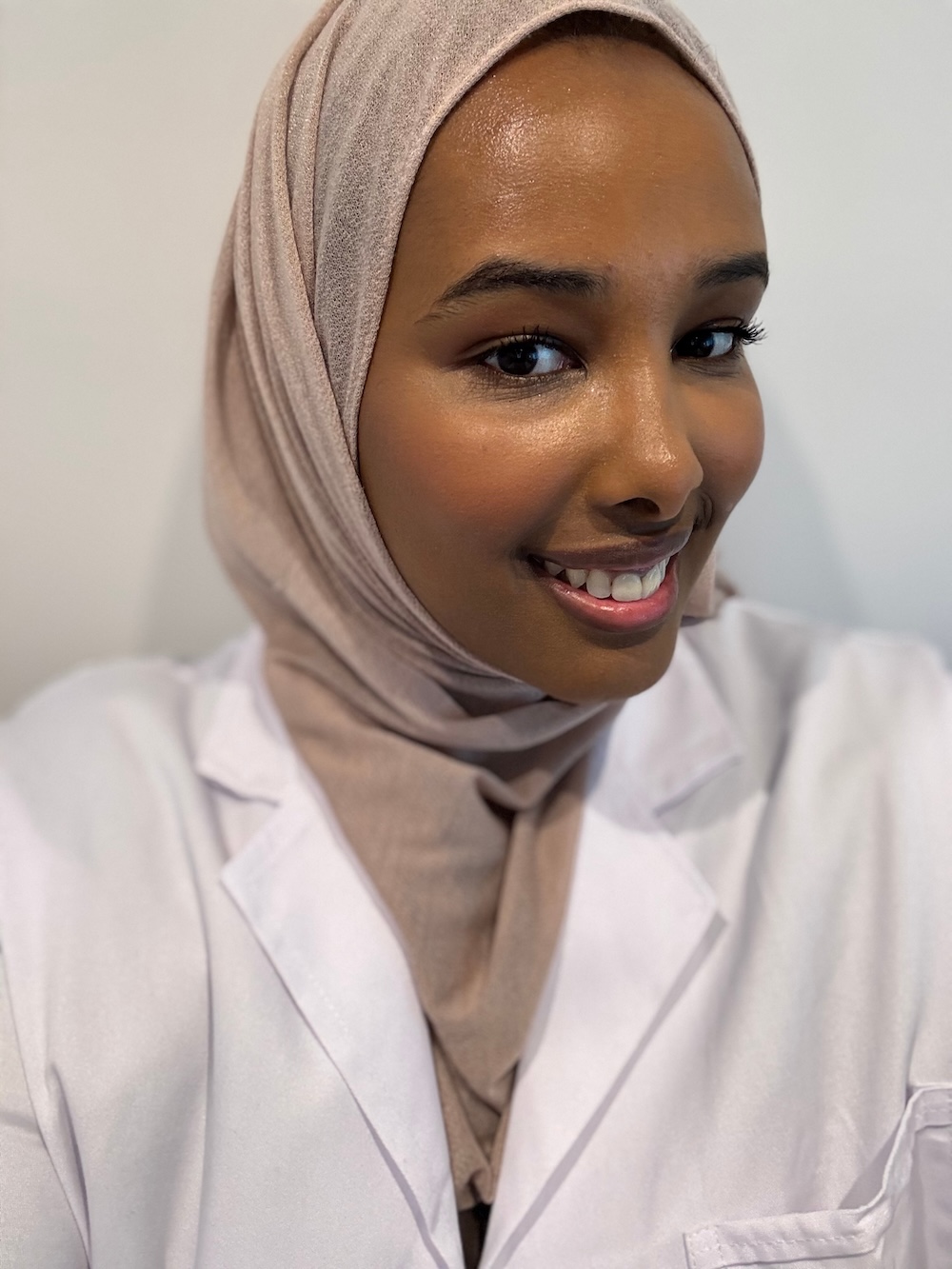
Dr Amina Hersi
This progress comes with responsibility.
The same technology that empowers women can also be used to exploit them if not managed carefully.
Hormones influence mood, cognition and even impulsivity, which means poorly regulated data could one day enable targeted advertising based on a woman’s menstrual phase.
That is a line that must not be crossed.
Femtech can also help bridge the gap for Black, Asian and other ethnic-minority women who have historically been excluded from research.
People will only feel comfortable sharing intimate health data if they see tangible outcomes from it.
Collecting information is not enough; it must lead to meaningful improvements in care and policy.
Diversity must also exist within the companies creating these products.
A product is only as inclusive as the people who build it. Homogeneous teams produce limited solutions.
From the lab to real life
As the founder of a women’s health brand, I have seen first-hand how biased or flawed research can distort understanding.
When researching inositol, the hero ingredient in our supplements, I discovered that many of the “physiological” ratios cited in studies on women were based on samples that included male participants.
This was highlighted in a paper examining the ratio of myo-inositol to D-chiro-inositol in the treatment of PCOS.
Including men in these studies is not a small detail.
It can shift the average ratios used to guide clinical decisions and marketing claims, leading to conclusions that do not accurately reflect female physiology.
It shows how evidence that is meant to guide women’s health can be built on foundations that were never designed for us in the first place.
Beyond bias, there is another uncomfortable truth.
Research fraud is common in the women’s health sphere (5).
Questionable methodologies, undeclared conflicts of interest and even fabricated data have all contributed to shaky conclusions that shape clinical practice and public perception.
Femtech can help override this by decentralising evidence collection and validation.
Real-world, large-scale, anonymised datasets gathered through apps and wearables are harder to manipulate and easier to verify.
They offer transparency, traceability and reproducibility, three things that traditional research often lacks.
Femtech places power back into women’s hands.
It makes health tracking and data collection non-invasive, affordable and accessible.
By capturing real-world experiences from diverse populations, it has the potential to create a more complete picture of women’s health that is representative, inclusive and credible.
A future built on real women’s data
We are only scratching the surface of what femtech can achieve.
From improving early diagnosis to personalising treatment pathways, it is redefining how we understand and support women’s health.
More importantly, it gives us the chance to correct historical biases and rebuild the evidence base on women’s terms.
Femtech gives us the tools to rewrite the narrative, close the data gap, diversify research and finally place women’s experiences at the centre of healthcare, combining technology with equity, understanding and lasting change.











The Scottish government has launched a national review into whether NHS IVF access should be extended to single women.
The review will also consider whether wider access should be offered to couples who have children from previous relationships.
Health secretary Angela Constance said: “Access to NHS IVF treatment should be fair, timely and reflect the way people’s lives and families look today.”

Most single women are not currently eligible for NHS IVF treatment in Scotland.
Campaigners have welcomed the review.
Katie Rollings of Fertility Action said: “It’s an essential and long-awaited decision that will impact a huge number of people who are struggling to grow their families.
She said there is “no evidence” that having two parents rather than one determines whether a child will thrive.
She added: “What matters is whether a child is loved, safe, supported and has stable, positive relationships around them.”
Figures from the Human Fertilisation and Embryology Authority show Scotland is the only UK nation where NHS-funded IVF cycles outnumber privately funded cycles.
In 2024, more than 6,000 cycles of fertility treatment were carried out among more than 4,000 patients in Scotland. Both figures were slightly lower than the record highs recorded in 2022.
The past 20 years have also seen a rise in the number of same-sex female couples and single women receiving fertility treatment.
In 2024, 625 IVF cycles were carried out for women in same-sex couples in Scotland, with more than one third funded by the NHS.
There were 330 cycles involving single women, of which 50 were NHS-funded.
In England, single women can access IVF through the NHS, although eligibility varies according to the local health trust’s policy.
Current Scottish rules state that couples are eligible if they have been living in a stable relationship for two years and neither partner has been sterilised.
Couples where one partner already has a child can be eligible, but those where both partners have children from previous relationships are not.
Eligibility rules also require a body mass index above 18.5 and below 30, and state that couples must not smoke, drink alcohol or take drugs during treatment. The mother must be under 42.
The Scottish government said the review would also examine consistency of access to fertility preservation, including during cancer treatment, as well as reducing waiting times for donor eggs and sperm.
Same-sex female couples already have access to NHS IVF, but they can face long waits for donor eggs or sperm, as can heterosexual couples who require donor treatment.
The National Fertility Group will lead the review and make “costed, demand-modelled recommendations”, which are due to be published by early summer 2027.
The group will include fertility experts from Scotland’s four NHS-assisted conception units in Glasgow, Edinburgh, Aberdeen and Dundee.
Prof Sarah Martins Da Silva, an NHS consultant and chair of fertility medicine at Dundee University, said there were questions to be answered in a resource-stretched NHS.
“As a fertility specialist I’m never going to be disappointed if the criteria is widened,” she said.
“But with single people, as an NHS clinician looking at the competing demands we have, I’d ask the question about whether being single is a health condition that needs to be funded.”
Da Silva said NHS waiting lists were full of couples who require donated eggs or sperm because of medical conditions including cancer and could face longer waits.
“It’s slightly a disservice to them,” she said.
“There would need to be a real investment and resource without making everybody wait an extraordinary long time.
“With the current financial environment we work in, if you’re talking about new money, where would that come from?”
She said she would welcome changes that encouraged more people to donate eggs or sperm and questioned whether arguments about children needing two parents were necessarily relevant to the debate.
“On the one hand bringing up a child is quite an expensive process, and if you don’t have that support, it can be very difficult.
“But on the other hand, many people start off as a couple and divorce.”
Da Silva also welcomed plans for the review to consider eligibility for couples who already have children, describing the move as “fantastic”.

Sponsored Content
Last chance to save on Women’s Health Week and Women’s Sport Summit: Early Bird pricing ends 11 September

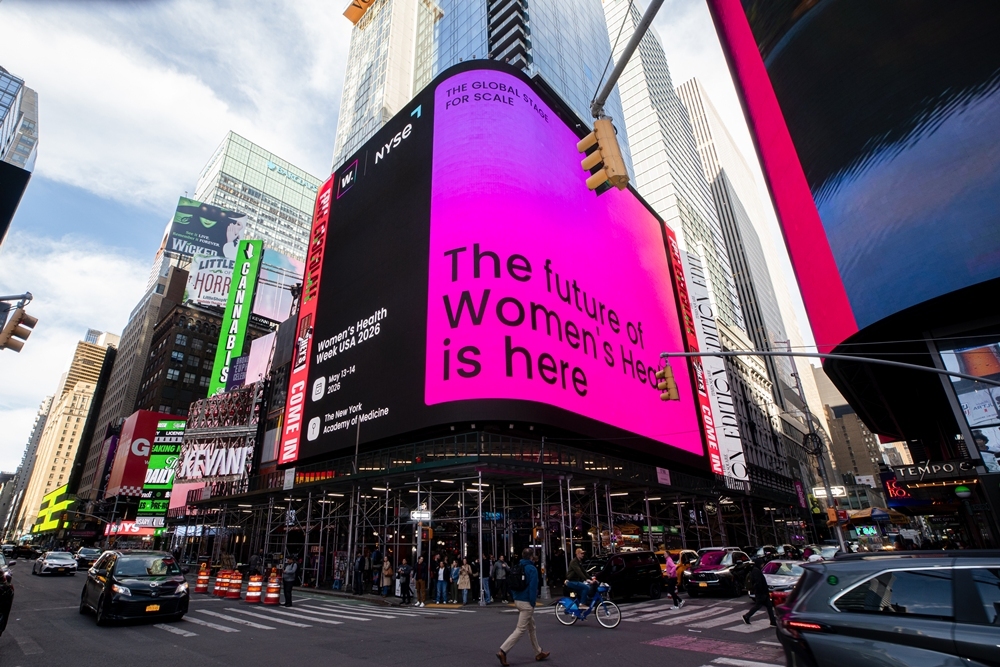
Early bird pricing for W Group’s two flagship October summits – Women’s Health Week Europe 2026 and Women’s Sport Summit Europe 2026 – closes on 11 September.
Both events take place at Emirates Stadium, London, bringing together founders, investors, corporates, and industry leaders shaping the future of women’s health and sport.
Women’s Health Week Europe 2026
7-8 October | Emirates Stadium, London
This year’s edition will be Women’s Health Week Europe biggest one yet: with 700+ attendees, 80+ speakers, and 20+ sponsors, it will also feature two stages – a Global Stage covering market trends and policy, and a Scale Stage focused on company-level growth and commercialisation. WHW takes place across two days of content, business matchmaking, and dealmaking.
Agenda highlights include:
- Where Capital Flows: Funding Trends in Women’s Health – with Merete Clausen (EIF), Ekaterina Gianelli (Calm/Storm), Henriette Hessen (Verdane), Jemma Day (British Business Bank), Ravit Warsha Dor (Telus Global Ventures), Tim Davis (LSEG)
- Six Feet Under-funded: Surviving the Valley of Death in Women’s Health – with Patric Stenberg (Gesynta Pharma), Valentina Milanova (Daye), Amber Vodegel (28x)
- The Women’s Health Label – Gift or Curse? · Live Debate – with Juan Camilo Arjona Ferreira (organon), Marissa Fayer (DeepLook Medical), Christian Lautner (Heal Capital), Annie Theriault (CBIV), Ida Tin (Clue)
- Passport to Scale: Taking Your Women’s Health Business Global – with Vanessa Carpenter (Femtech Across Borders), Annie Theriault (CBIV), Victorine Lançon (Daya Ventures), Dr Mridula Pore (Peppy)
Early bird pricing (ends 11 September):
| Ticket type | Early bird | Standard |
| Startups, Scaleups, Investors, Non-Profits, Government | £599 + VAT | £699 + VAT |
| Corporates, Payors & Providers | £1,799 + VAT | £1,999 + VAT |
| Service Providers & Consultants | £3,299 + VAT | £3,499 + VAT |
Register for Women’s Health Week Europe | See the full agenda for WHW
Women’s Sport Summit Europe 2026
6 October | Emirates Stadium, London
The first-ever Women’s Sport Summit expands W Group’s expertise in connecting key decision-makers to the sports industry.
WSS brings together rights holders, brands, investors, athletes, and media to accelerate commercial growth across the sector.
Agenda highlights include:
- From capital to crowd: the women’s sport cycle at scale – with Omar Shaikh (Arsenal FC), Nicole McWilliams (Google), Kerstin Lutz (Mercury13), Jo Currie (BBC Sport)
- Women’s sport through the investor lens: what gets funded – and why – Hugo Sever (APEX Capital)
- Rethinking ROI: what are we measuring that doesn’t actually matter? – Fi Watherston (Metro Bank), Silvia Keiser (Billie Jean King Cup), Gabriel Akin-Odujobi (Crux Football), Tammy Parlour (WST)
- Beyond the 90 minutes: matchday as a commercial product, not just a fixture – Maggie Murphy (Aston Villa Women FC), Sam Feasey (Diageo/Guinness), Molly Miller (OneFootball), Megan Feringa (The Athletic/The New York Times)
Early bird pricing (ends 11 September):
| Ticket type | Early bird | Standard |
| General Pass | £299 + VAT | £399 + VAT |
| Service Providers & Consultants | £1,799 + VAT | £1,999 + VAT |
Register for Women’s Sport Summit Europe | See the full agenda for WSS
Attending both events?
For group tickets or to attend both summits this October, contact Callum, W Group’s Client Success Lead, at [email protected].





 Hormonal health2 weeks ago
Major UK study could be a ‘game-changer’ for heavy periods and endometriosis

 Entrepreneur5 days ago
KOVE Medical raises €1.7 million to improve safety of foetal surgery
 Fertility2 weeks ago
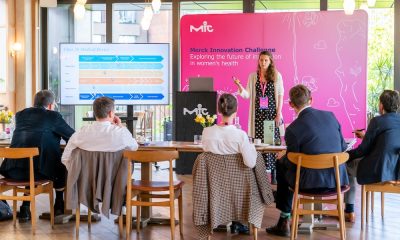
One week left to apply: W Accelerate with Merck KGaA and M Ventures

 Pregnancy6 days ago
UK study aims to transform maternity care for high-risk pregnancies

 Menopause2 weeks ago
Quarter of women miss work due to menstual symptoms, survey finds

 Mental health1 week ago
PMDD after SSRIs or hormones: Why the brain may be the missing treatment target
 Diagnosis1 week ago
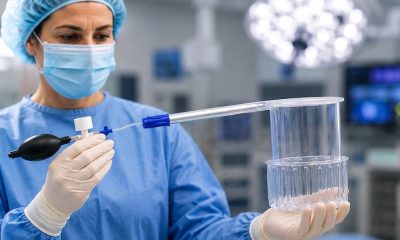
Ark Surgical secures further institutional backing to accelerate US expansion

 Insight2 weeks ago
Study to tackle years-long delays in endometriosis diagnosis
1 Comment