




Diagnosis

Students are still struggling to access free period products in schools despite a government scheme designed to tackle period poverty, new research shows. A study involving 77 teenagers in schools and colleges across Yorkshire found that while pupils welcomed the scheme, many faced barriers such as products being locked away, stored far from classrooms, or [...]

Occupational therapy can ease anxiety and emotional strain for women experiencing high-risk pregnancies, with cognitive-based techniques found to be most effective, new research has revealed. Joint research from Edith Cowan University and the University of St Augustine for Health Sciences reviewed a range of psychosocial occupational therapy approaches and found that cognitive-based interventions had the [...]
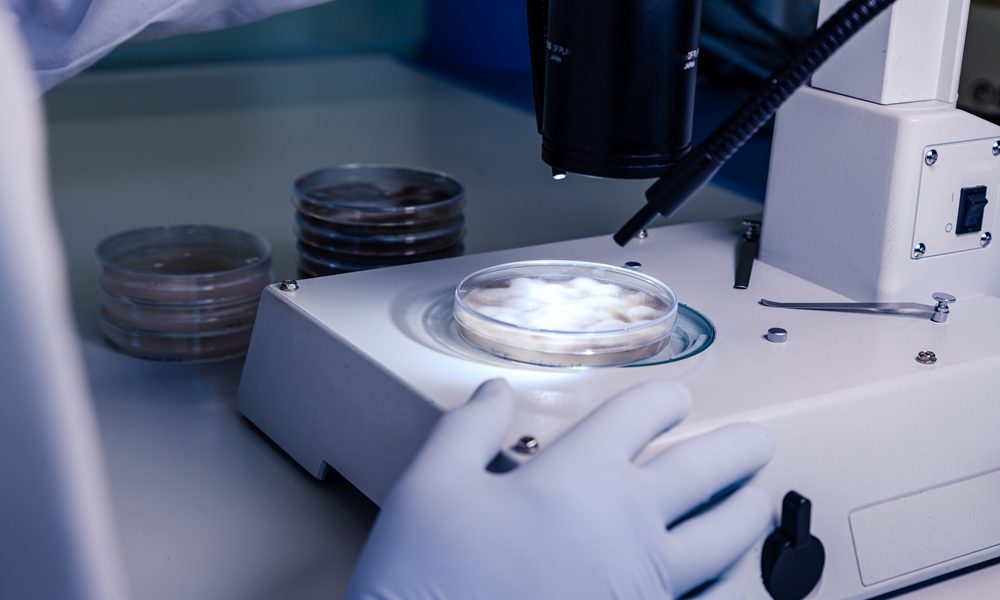
At least 15 fertility patients are taking legal action to prevent their frozen embryos being destroyed after administrative errors left them at risk of losing their chance to have children. The group includes people with cancer and fertility problems who froze gametes (eggs and sperm) or embryos to improve their chances of conceiving later on, [...]

AI technology can identify 42 per cent of breast cancers that develop between routine mammograms by flagging women at highest risk, researchers have found. The study analysed 134,217 screening mammograms using a deep learning model known as Mirai, which estimates breast cancer risk from imaging data, tumour features and breast density. Researchers from the University [...]

Femtech World explores the latest business developments in the world of women’s health. NHS platform Evaro partners with period tracking app Clue in UK-first integration Evaro, the NHS-licensed embedded healthcare platform, has announced a first-of-its-kind partnership with the period tracking app Clue. The partnership will provide seamless access to NHS-funded contraception directly through Clue's app. [...]

The NHS has made the morning-after pill free at almost 10,000 pharmacies in England, ending postcode lottery access to emergency contraception. Women can now obtain the emergency pill without charge at their local pharmacy, removing the need to visit a GP or attend a sexual health clinic. Some pharmacies had previously charged up to £30 [...]
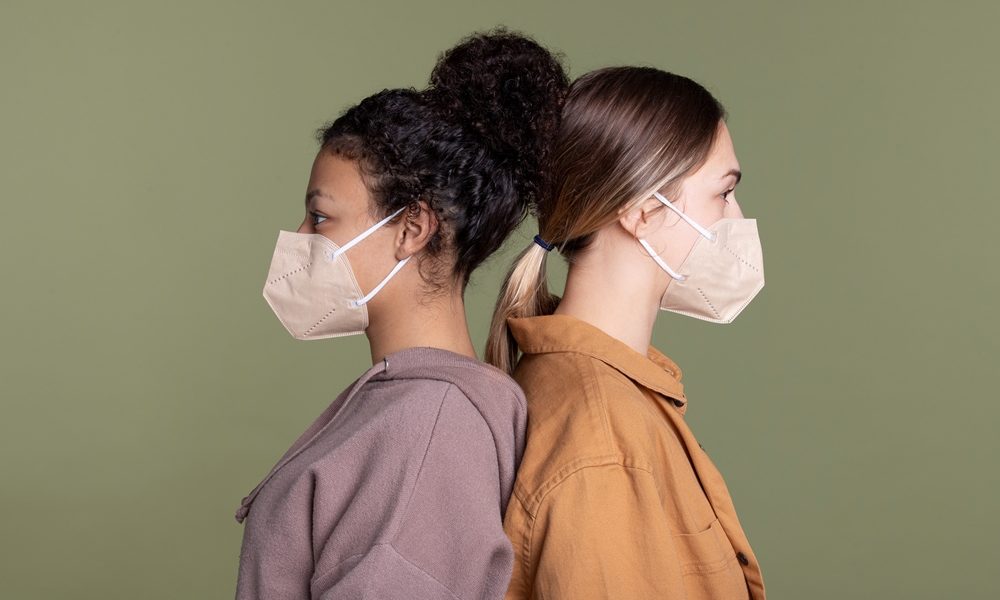
Long-term exposure to air pollution may increase the risk of breast cancer, with a study of more than 400,000 women showing higher rates in areas with poor air quality. Researchers tracked 28,000 breast cancer cases over several decades, following participants for up to 10 years before diagnosis and monitoring changes in their home addresses. They [...]

Just one in five women with breast or cervical cancer in low- and middle-income countries are diagnosed early, compared with more than one in three in wealthier nations. The analysis of data from more than 275,000 women across 39 countries shows stark inequalities in cancer detection and treatment between high-income countries (HICs) and low- and [...]
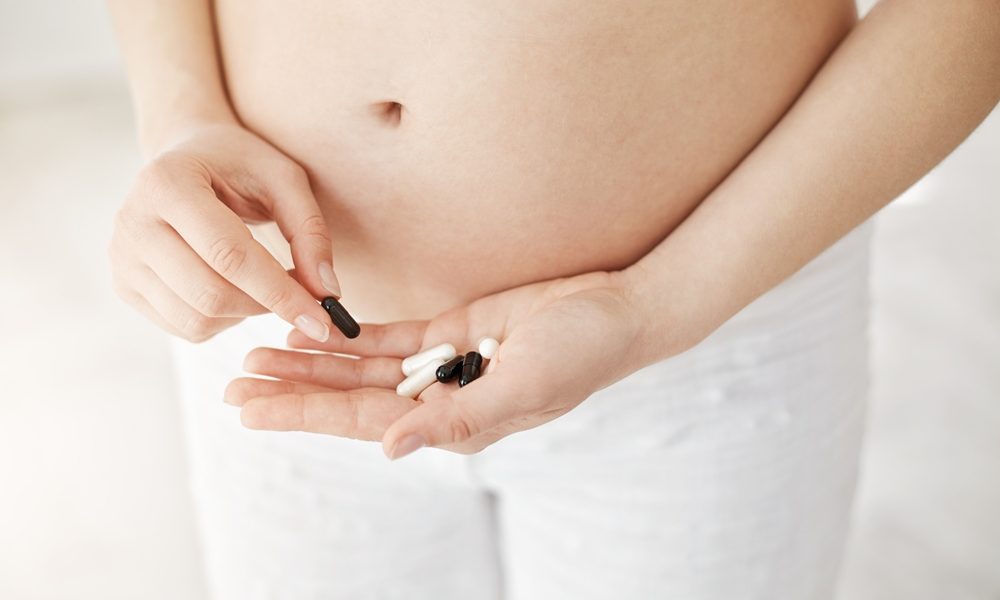
When correctly trained on medical information, ChatGPT can provide trustworthy advice for pregnant women seeking treatment for opioid use disorder, new research suggests. The findings could inform the development of digital tools such as apps and websites for people looking for medical guidance on sensitive issues they may not wish to discuss face to face [...]
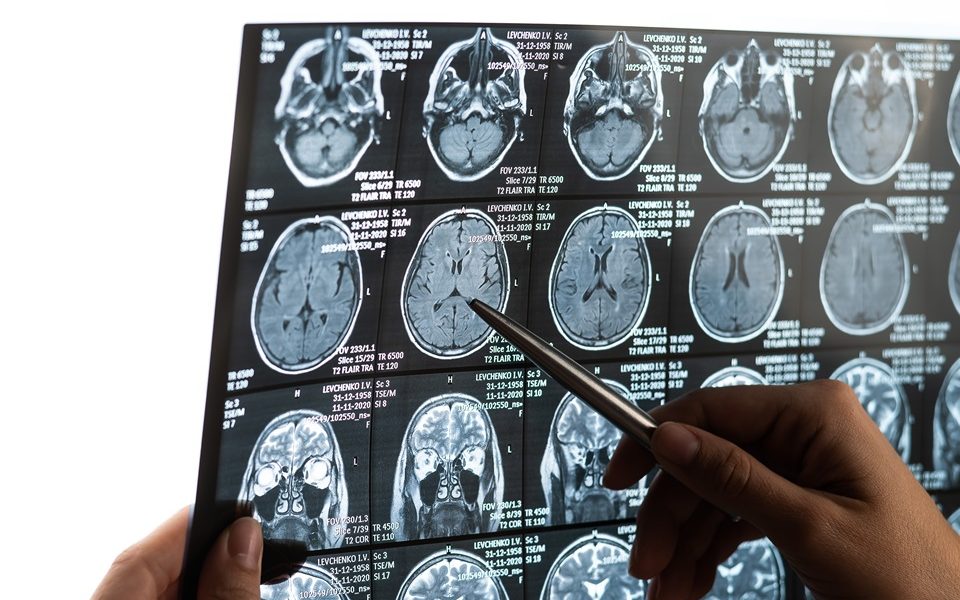
Women with an early precursor to Parkinson’s disease show much less brain shrinkage than men, despite similar disease severity, new research shows. The discovery could help scientists explore how hormones might one day be used to treat the neurodegenerative condition. The findings are based on data from nearly 700 participants across nine international research centres. [...]
Newsletter
Sign up for free weekly updates
The latest femtech news, research and investment, straight to your inbox.




