




Cancer

Cancer cells may hijack a fertility protein to repair damaged DNA and survive chemotherapy, research suggests. The findings could point to a way of making existing cancer treatments more effective. SYCP1 is a protein normally involved in producing sperm and eggs. Researchers at the University of Liverpool found that the protein, previously thought [...]

Black women in the UK want clearer, more accessible breast cancer screening information, research has found. The study looked at why Black African and Black Caribbean women are less likely than white women to attend breast screening. Researchers at the University of Surrey held focus groups and interviews with 47 Black African and Black Caribbean [...]

Breast cancer rates have risen rapidly among Asian American women over the past two decades, with some of the steepest increases among women under 50, new research has revealed. Rates rose by more than three per cent a year in nearly every Asian American ethnic group studied, much faster than in any other US ethnic [...]

Breast cancer diagnosed within three years of childbirth, especially the first year, may be biologically more aggressive, a study suggests. The findings add to evidence that postpartum breast cancer may be a distinct form of the disease. They also suggest the period of greatest biological risk may occur earlier than previously thought. The [...]

Smoking and alcohol were linked to breast cancer and irregular heartbeat in women aged 55 and over, a global analysis suggests. Breast cancer and atrial fibrillation or flutter represent a growing global health burden, but the reasons for similar rates in some regions are not well understood. Atrial fibrillation, also known as AFib, is an [...]

An AI blood test being trialled by the NHS could spare thousands of women a painful examination for suspected womb cancer. Around 90,000 postmenopausal women in England are referred by their GP each year to be investigated for possible womb cancer because of heavy bleeding. Around 10,000 women a year in England are diagnosed with [...]
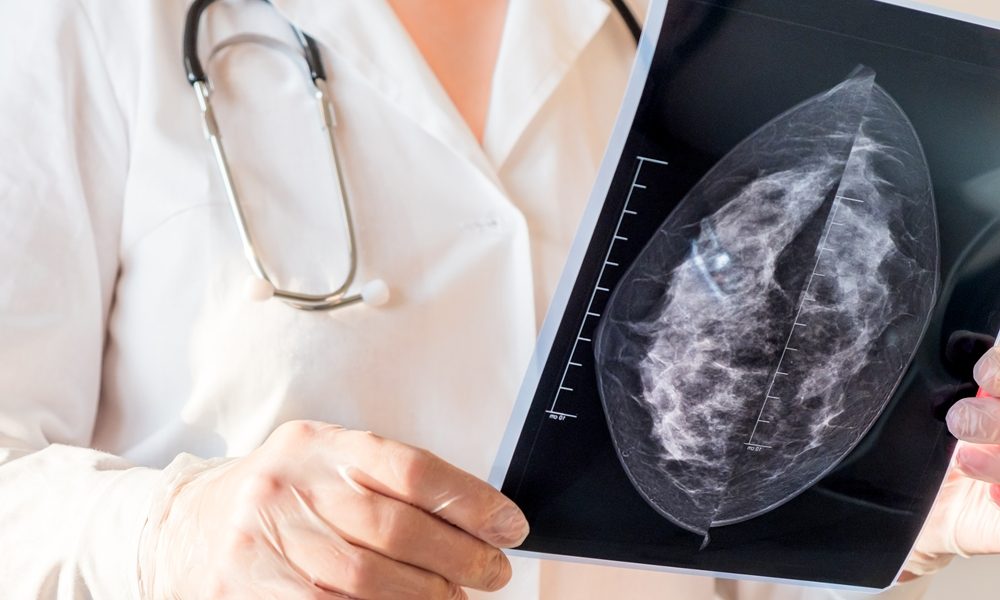
Changes in AI mammogram scores may help predict breast cancer years before diagnosis, research involving more than 54,000 women suggests. Scores rose steadily among women who later developed the disease but remained broadly stable among those who did not. The increase could be detected up to six years before diagnosis and became much steeper during [...]

WID-easy, the only non-invasive triage test for endometrial cancer in routine use in a European public health system, has been cited in Germany's highest-tier clinical guidance; a marker that non-invasive detection is reaching clinical maturity. The vaginal-swab test designed to spare women unnecessary invasive procedures has been referenced in the updated German S3 Guideline on [...]
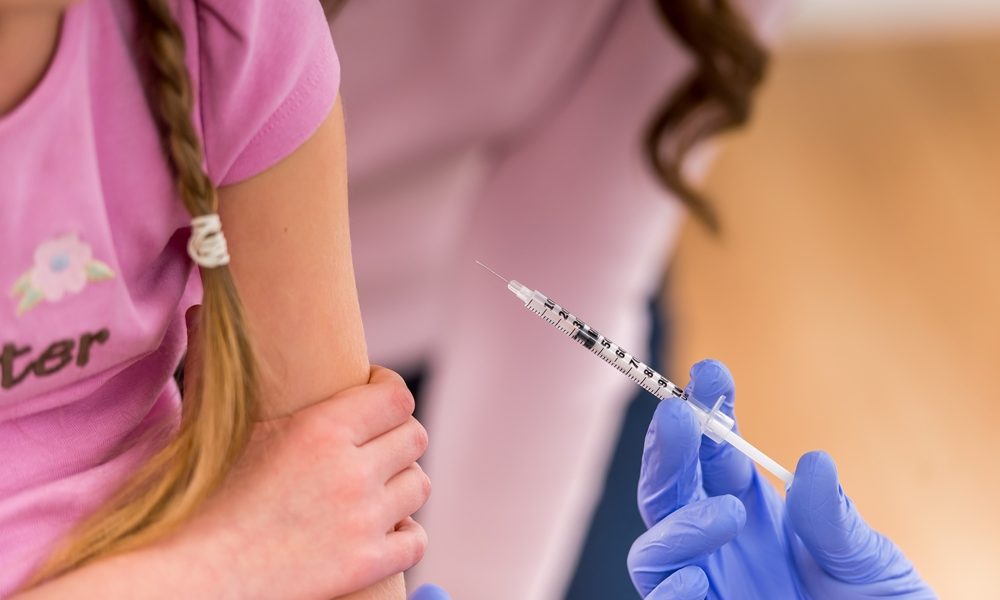
The HPV vaccine has cut the risk of dying from cervical cancer before age 30 to almost zero among those vaccinated at 12 or 13, research suggests. The first study of its kind found that deaths have fallen sharply since school-age girls began being offered the jab in 2008, with around 200 lives saved in [...]

A vaccine trial will test whether an mRNA jab can help stop precancerous cells developing into bowel and ovarian cancer in people with Lynch syndrome. The first stage is due to launch this summer and will assess whether the jab can train the immune system to recognise and eliminate precancerous cells before cancer develops. Around [...]
Newsletter
Sign up for free weekly updates
The latest femtech news, research and investment, straight to your inbox.




