




Cancer

An AI tool has identified microscopic breast cancer patterns that could help medical professionals better forecast disease progression. The tool, called CenSegNet, was developed to analyse hundreds of thousands of cells in tumour samples and detect abnormalities in structures known as centrosomes. Centrosomes are small structures inside cells that ensure DNA is divided equally during [...]

Glaucoma drugs could potentially be repurposed to treat aggressive breast cancer after researchers identified markers linked to response. Scientists found that several cancers, including breast cancer, melanoma and a type of blood cancer, rely on the same molecule to become aggressive and spread. Drugs that block the molecule are already used to treat glaucoma and [...]

Women living in socially vulnerable neighbourhoods had a 20 per cent higher risk of death after an ovarian cancer diagnosis, a study found. Black women also faced a 45 per cent higher risk of death than white women. Researchers said the combination of being Black and living in a highly vulnerable neighbourhood was linked to [...]

Weekly app monitoring can reduce fatigue and improve daily life for women with metastatic breast cancer, according to a study. The approach involves regularly asking patients about their wellbeing through an app and responding quickly when problems are identified. Germany’s Federal Joint Committee, known as the G-BA, has recommended that the treatment model be incorporated [...]
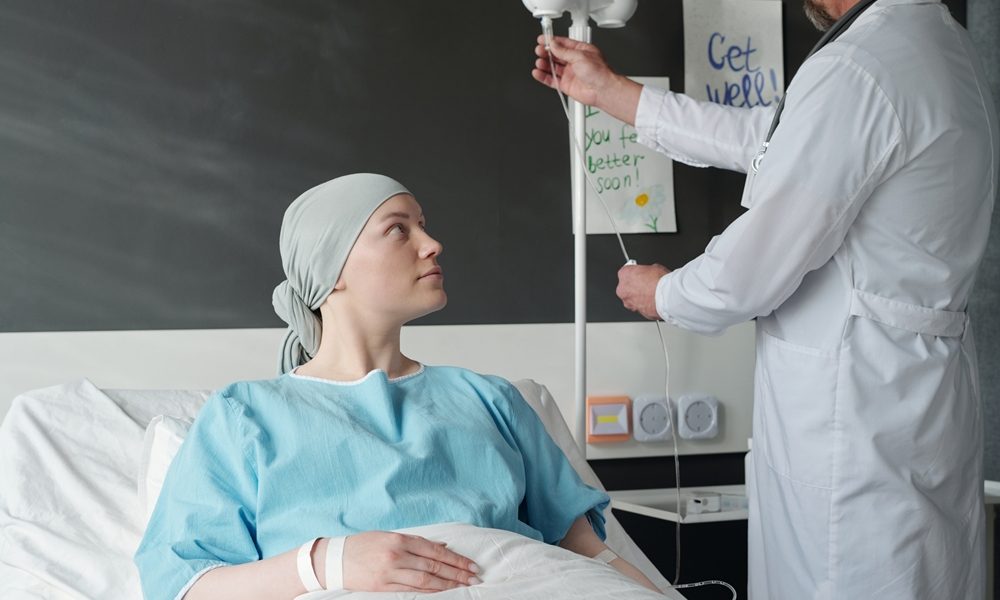
A woman with advanced ovarian cancer has become the first patient globally to receive an experimental off-the-shelf cell therapy. Tracy Tomlinson, 58, was given the experimental drug ZI-MA4-1 at the Christie NHS Foundation Trust in Manchester. The treatment forms part of a clinical trial evaluating its use against several cancer types, including ovarian, lung, head [...]

Johnson & Johnson has offered an estimated US$5.5bn settlement covering about 76,000 claims that its talc products caused ovarian cancer. The proposed agreement could end a contentious legal dispute over the company’s baby powder and other talc-based products that has lasted around a decade. Johnson & Johnson said the settlement covers claims consolidated in a [...]
The Welsh Government has been urged to invest in breast cancer services after figures showed continuing delays in diagnosis and treatment. Breast Cancer Now said the target for 75 per cent of patients to be seen within 62 days of initial referral has been met only three times since the Suspected Cancer Pathway was introduced [...]
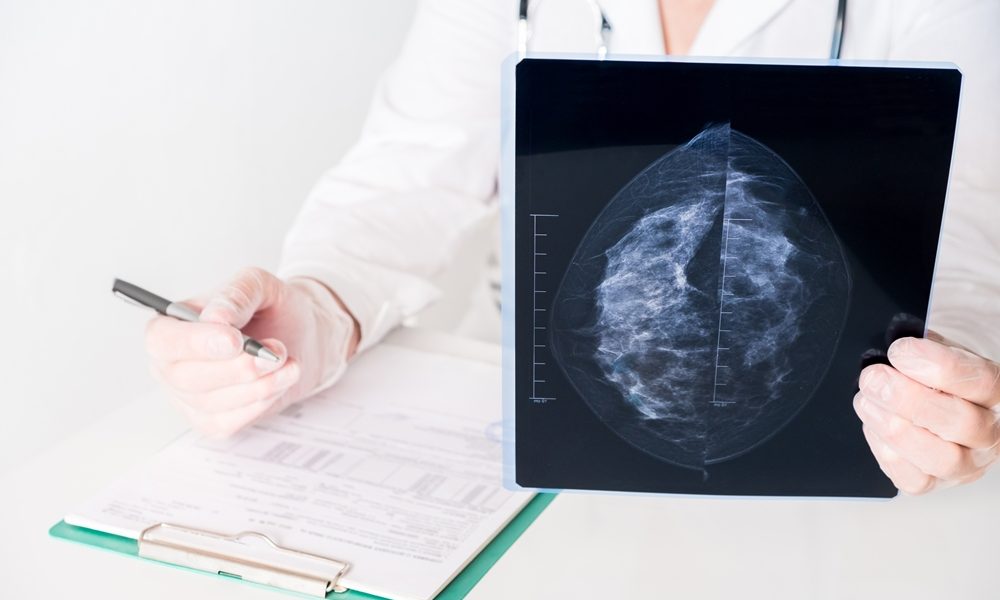
Contrast-enhanced mammography (CEM) has shown promise for women at higher risk of breast cancer, with follow-up screening showing greater specificity and accuracy. Cancer detection rates remained consistent during repeat screening, while specificity improved compared with baseline examinations. Specificity shows how accurately a test identifies people who do not have the disease, helping to reduce unnecessary [...]

AstraZeneca’s breast cancer drug Etcamah has been approved in the EU as part of a combination treatment for advanced disease. The European Commission acted on a positive opinion from the Committee for Medicinal Products for Human Use, the Cambridge, England-based drug maker said. The decision followed positive results from the Serena-6 phase III [...]

Women newly diagnosed with breast cancer have a 59 per cent higher risk of ischaemic stroke in the first year after diagnosis, research suggests. Researchers also said survivors who develop sudden stroke symptoms, including one-sided weakness, facial drooping, speech difficulties or vision loss, should seek immediate medical attention. The multicentre study analysed National Health Insurance [...]
Newsletter
Sign up for free weekly updates
The latest femtech news, research and investment, straight to your inbox.




