




Connect with us

Wellness

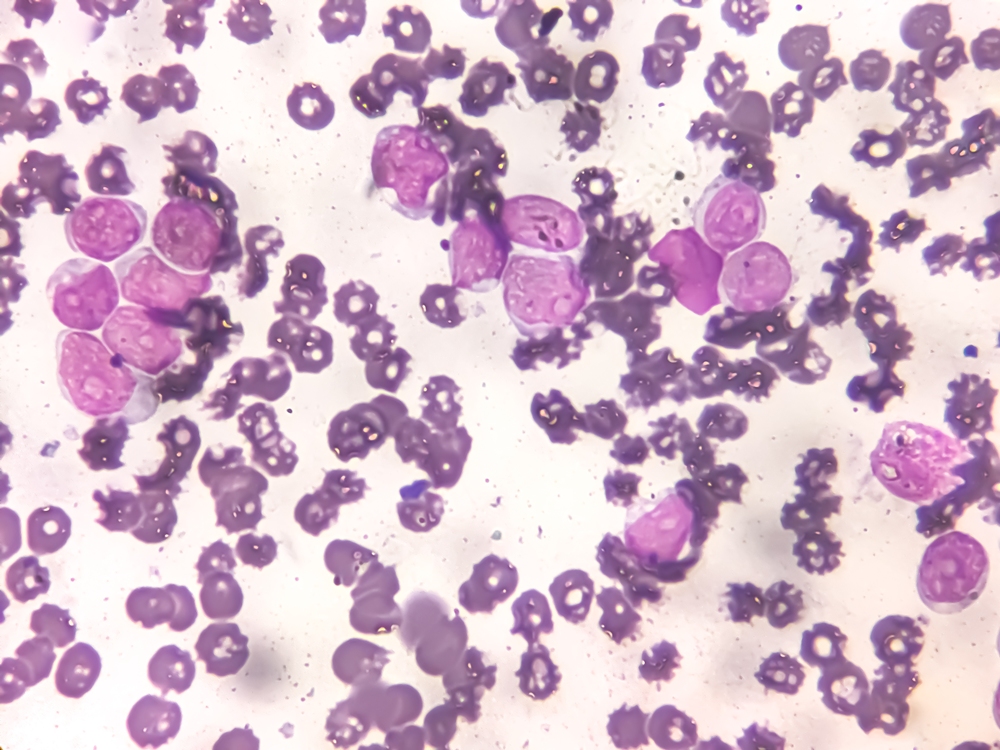
Breast cancer patients face 59% higher stroke risk during first year, study finds

Published

on

Women newly diagnosed with breast cancer have a 59 per cent higher risk of ischaemic stroke in the first year after diagnosis, research suggests.

Researchers also said survivors who develop sudden stroke symptoms, including one-sided weakness, facial drooping, speech difficulties or vision loss, should seek immediate medical attention.

The multicentre study analysed National Health Insurance Service data from 107,606 women who underwent surgery for newly diagnosed breast cancer and compared them with 322,818 age-matched women with no history of cancer.

The research was conducted by professor Shin Dong-wook of Samsung Medical Center, professor Han Kyung-do of Soongsil University, professor Yong-Moon Mark Park of the University of Arkansas for Medical Sciences and professor Wonyoung Jung of the University of Pennsylvania.

Professor Yong-Moon Mark Park said: “The study demonstrates a time-dependent pattern in which the risk of ischaemic stroke rises sharply immediately after breast cancer diagnosis and treatment before gradually declining.

“The key finding is that we evaluated stroke risk according to different stages following diagnosis and treatment. This suggests that clinicians should consider not only how much the risk increases, but also when it is greatest.”

The study included women aged 18 or older who were newly diagnosed with breast cancer between 2010 and 2016, underwent surgery and had no previous stroke.

Each patient was matched with three women of the same birth year who did not have cancer. Participants were followed for an average of 7.2 years.

The main outcome was ischaemic stroke, also known as cerebral infarction. It occurs when a blocked blood vessel cuts off blood flow to the brain and is a leading cause of death and long-term disability.

During follow-up, ischaemic stroke occurred in 1,155 breast cancer patients, or 1.07 per cent, and 3,698 women in the control group, or 1.15 per cent.

Overall, breast cancer surgery was not linked to a significantly higher long-term risk of ischaemic stroke, and researchers recorded a slight fall in risk over time.

However, a different pattern emerged immediately after diagnosis.

Within one year of diagnosis, patients had a 59 per cent higher risk of ischaemic stroke than women without cancer.

The risk was highest during the first three months, at 2.90 times that of the control group.

It remained elevated within six months, at 2.27 times the control group’s risk, before gradually declining.

The risk was still 17 per cent higher three years after diagnosis.

Researchers said the temporary increase may be linked to cancer-related hypercoagulability, inflammatory responses to surgery and treatment, and cardiovascular stress caused by anticancer therapies.

Hypercoagulability means the blood is more likely than usual to form clots. Cardiovascular refers to the heart and blood vessels.

The increased risk was particularly pronounced among patients with hypertension, type 2 diabetes or a history of current smoking.

Hypertension means high blood pressure. Type 2 diabetes is a long-term condition affecting how the body controls blood sugar.

Breast cancer patients who smoked had a 2.26-fold higher risk of ischaemic stroke than comparable women without cancer.

Principal researcher professor Shin Dong-wook stressed the importance of vigilant care for patients with cardiovascular risk factors, especially during the early phase of breast cancer treatment.

Shin said: “Patients with hypertension, diabetes, or other cardiovascular risk factors, as well as those who smoke, require particularly careful management during the early phase of breast cancer treatment.

“If patients who have undergone breast cancer treatment suddenly develop weakness in one arm or leg, facial drooping, slurred or abnormal speech, or vision loss on one side, ischaemic stroke should be suspected, and they should seek immediate medical evaluation.”

Researchers said survivorship care should include strategies to monitor and manage cardiovascular and cerebrovascular disease risk throughout treatment as advances in breast cancer care continue to improve survival.

Cerebrovascular disease refers to conditions affecting blood flow and blood vessels in the brain.

Mental health

Nearly 60% of young women get health advice from influencers, research finds

Published

on

Nearly six in ten young women get health and wellness advice from influencers, new research shows.

Women aged 18 to 29 were more likely than young men to use online influencers for health information.

The topics included beauty, alternative medicine, mental health, weight loss and fitness.

The Pew Research study found that 57 per cent of women aged 18 to 29 said they get health and wellness information from online influencers, 10 percentage points higher than young men.

While Americans still mostly rely on healthcare providers, the research suggests social media influencers also play a major role in how young people find health advice.

Among women who get health and wellness information from influencers, 51 per cent said they often hear about beauty and appearance, compared with 18 per cent of men.

Young women were also around twice as likely as young men to say they see content about alternative medicine, meaning treatments or health practices used outside mainstream medical care.

A third or more of both young men and young women said they often hear about mental health and weight loss from influencers.

Around half or more of both groups said they often see fitness content.

When asked why they seek health and wellness information from influencers, around half of young women said they wanted to make a change to their health or lifestyle.

That compared with 37 per cent of young men.

The research also found that 23 per cent of young women said hearing from people who share their background or beliefs was one reason they used influencers, compared with 14 per cent of young men.

A further 19 per cent of young women said they learnt about things they did not want to ask their doctor, compared with 10 per cent of young men.

Continue Reading

News

Congress urged to invest over $20bn to close women’s health gap

Published

on

Congress is being urged to invest US$20bn over 10 years to close the women’s health gap.

The American College of Obstetricians and Gynecologists, the Society for Women’s Health Research and the Women First Research Coalition have unveiled the National Strategy to Close the Women’s Health Gap.

The framework calls for a coordinated national effort to improve women’s health research, care and outcomes.

It says women make up more than half of the US population, but their health needs across conditions and life stages have been understudied and underserved for decades.

Kathryn Schubert, president and chief executive of the Society for Women’s Health Research, said: “The women’s health gap has persisted for far too long.

“This strategy offers Congress a road map to improve health outcomes, drive innovation, and build a healthier future for women, families, and communities.”

The strategy notes that Congress required women to be included in National Institutes of Health-funded clinical research through the NIH Revitalization Act in 1993.

However, it says major gaps remain in women’s health research, clinical care and how evidence is put into practice.

The plan proposes US$7bn for research and innovation, including expanded federal investment in women’s health research across the NIH, VA, DoD and the Advanced Research Projects Agency for Health.

It would also establish a Women’s Health Research Interdisciplinary Fund at the NIH and create a national network of Women’s Health Centers of Excellence.

The centres would aim to accelerate the translation of research into clinical care and serve as training sites for researchers and clinicians.

A further US$1bn would be used for regulatory coordination and modernisation, including cross-agency collaboration and work to address sex differences in drug and treatment approvals.

Sex differences are biological differences between females and males that can affect disease risk, symptoms, treatment response and side-effects.

The funding would also support updated NIH tracking systems for women’s health research investment and publication standards on how sex as a biological variable is considered in research.

The strategy calls for US$4bn for data and evidence infrastructure, including a public-private partnership focused on women’s midlife health data.

It would also convene a public workshop to review existing women’s health research datasets and develop common data elements to fill gaps and make datasets more widely available.

Another US$7bn would go towards strengthening the clinical and research workforce.

This would include career pathways, loan repayment programmes, a women’s health clinical workforce loan repayment programme modelled on the National Health Service Corps and interdisciplinary training.

The workforce measures would include particular emphasis on rural and underserved areas.

The final US$1bn would support public awareness and education campaigns to improve health literacy, preventive care and participation in women’s health research.

Health literacy means a person’s ability to find, understand and use health information to make decisions about care.

The campaigns would use digital and traditional media developed in consultation with patient advocacy organisations and relevant medical societies.

Sandra E Brooks, chief executive of the American College of Obstetricians and Gynecologists, said: “Closing the women’s health gap requires not only funding research, but also investment in the people who conduct that research and those who translate research findings and discoveries into better patient care.

“Strengthening the women’s health research and clinical workforce is critical to accelerating the innovation needed to improve health outcomes for women.”

The strategy says women have higher annual out-of-pocket healthcare costs than men and live 25 per cent of their lives in poorer health.

Supporters say this strengthens the economic and public health case for long-term congressional investment.

The framework has been endorsed by organisations across women’s health, ageing, heart disease, autoimmune disease, cancer, reproductive medicine and neurological conditions, including the Women’s Alzheimer’s Movement at Cleveland Clinic, the National MS Society and UsAgainstAlzheimer’s.

Continue Reading

Hormonal health

Stardust period tracker shares health data, study reveals

Published

on

Stardust shared sensitive period tracking data with third-party analytics firms, according to new privacy research from Mozilla.

The findings expose a privacy divide in femtech, where users often trust apps with highly sensitive reproductive health information.

The research was carried out by Mozilla’s Privacy Not Included team, which tested several period tracking apps.

It found that Stardust, a period tracker used by millions, shared users’ reproductive health data with analytics companies, a practice the research said contrasted with its privacy-first marketing.

Analytics companies collect and examine information about how people use digital products, often to help businesses understand user behaviour or improve marketing.

The findings raise questions about whether privacy promises made by health apps match what happens to users’ data.

According to research reported by TechCrunch, one other period tracking app tested by Mozilla received what researchers called a “squeaky clean” rating, suggesting similar services can operate without sharing sensitive health data in the same way.

Period tracking apps have come under greater scrutiny in the US since the 2022 overturning of Roe v Wade, which removed federal constitutional protection for abortion.

Some users and privacy advocates have warned that menstrual and reproductive health data could potentially be sought in legal cases.

The research also points to a broader regulatory problem for consumer health apps.

In the US, many health apps are not covered by HIPAA, the health privacy law that applies to medical providers and some healthcare organisations.

That means some consumer apps may be able to collect, share or monetise sensitive health data under rules that differ from traditional healthcare privacy protections.

The femtech market, estimated in the report at US$50bn, has grown quickly, but privacy regulation has not always kept pace with app development.

Stardust had not publicly responded to Mozilla’s findings at the time of the original report, and its privacy policy remained live on its website.

The issue is particularly sensitive for period tracking because the data can reveal patterns around fertility, pregnancy, contraception and reproductive health.

Mozilla’s wider Privacy Not Included initiative has examined consumer technology products for privacy and security concerns since launching in 2017, including connected devices, children’s toys and health apps.

The findings come as US lawmakers continue to debate stronger federal privacy rules for sensitive health information collected by consumer apps.

The American Data Privacy and Protection Act, which has been stalled in Congress since 2023, includes provisions addressing sensitive health information collected by consumer apps.

Experts have also warned that anonymised health data can sometimes be re-identified when combined with other information, such as location data.

Re-identification means linking supposedly anonymous data back to a specific person.

A 2019 study found that menstrual cycle data combined with location information could identify individual users with high accuracy.

State-level privacy laws in places such as California, Virginia and Colorado have also given consumers new rights around personal data, although enforcement can vary.

Privacy advocates say the research underlines the need for clearer data practices, stronger safeguards and greater transparency in femtech.

For users, the findings are a reminder that health apps do not automatically protect health information in the same way as healthcare providers.

The report suggests period tracker companies that put privacy first may be better placed to build trust in a market where long-term use depends on confidence.

Mozilla’s investigation suggests privacy promises in femtech do not always match practice, and that period trackers can function without sharing sensitive user data in the same way.

Continue Reading

Trending

Copyright © 2025 Aspect Health Media Ltd. All Rights Reserved.

