




Cancer

The WHO has released its first global guideline for managing sickle cell disease (SCD) during pregnancy, aiming to reduce health risks that can be life-threatening for women and babies. The guideline addresses a major gap in care for the 7.7 million people living with SCD globally – a number that has increased by over 40 [...]
A new gene-editing method can now determine whether certain genetic mutations raise a woman’s risk of breast and ovarian cancer. The technique helps resolve a long-standing issue in genetic testing, where many patients receive inconclusive results showing “variants of unknown significance” – genetic changes that cannot be clearly linked to cancer risk. Using the method, [...]

A new trial will test whether workplace-based exercise can ease the transition back to work for women recovering from breast cancer treatment. An initial 12-week study will monitor 90 women who have completed breast cancer treatment and returned to work, tracking their physical activity levels, fatigue, mood, pain and workplace performance. The programme aims to [...]

Women aged 25 to 49 in England will be invited for cervical screening every five years instead of three, if they test negative for human papillomavirus (HPV), under new changes beginning 1 July. The update brings England into line with Scotland and Wales, which have already adopted the extended screening interval for women who test [...]

A menopause drug commonly used to relieve symptoms such as hot flushes may also help slow the growth of breast cancer cells in postmenopausal women, according to new clinical trial results. The phase two trial, led by researchers at Northwestern University, found that Duavee—a medication prescribed for menopause-related symptoms—appeared to reduce cell growth in the [...]

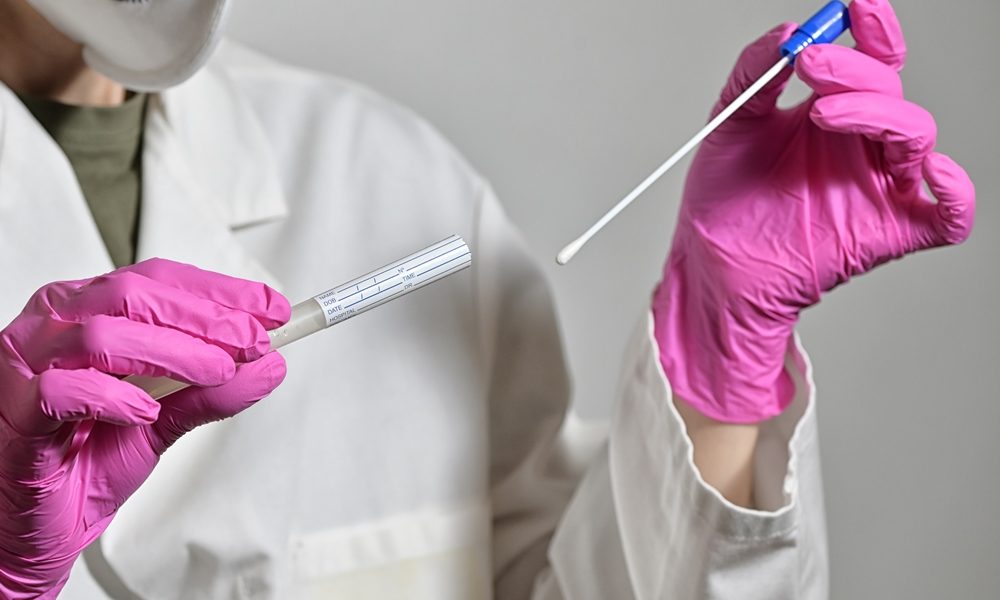
A self-collection device for cervical cancer screening has shown equivalent effectiveness to traditional clinic-based testing, according to new research that could help address screening gaps affecting women's health outcomes. The SELF-CERV trial, which validated the Teal Wand device across 16 medical sites in the United States, found that self-collected samples detected precancer 96 per cent [...]

A groundbreaking, cross-industry initiative designed to improve adherence to clinical guidelines in the treatment of early and metastatic breast cancer has been launched by health data company Novellia. Project EVEREST unites leading researchers, clinicians, and biopharmaceutical companies - including Daiichi Sankyo, Genentech, and AstraZeneca - to identify and address the barriers preventing consistent, evidence-based cancer care across healthcare settings. [...]

Scientists have found that global warming in the Middle East and North Africa is making breast, ovarian, uterine, and cervical cancer more common and more deadly. The rise in rates is small but statistically significant, suggesting a notable increase in cancer risk and fatalities over time. “As temperatures rise, cancer mortality among women also rises [...]

Additional imaging techniques detect early stage cancers missed by mammograms in women with dense breasts, a new trial has found. In women with dense breasts (breasts with relatively low levels of fatty tissue) and a negative mammogram, supplemental imaging techniques detect early-stage cancers, with imaging techniques three times more effective than ultrasound, finds a Phase [...]

Merck’s immunotherapy drug Keytruda (pembrolizumab) has shown a "statistically significant" survival benefit in platinum-resistant ovarian cancer, potentially offering a new treatment path for patients with few options. In the phase 3 Keynote-B96 trial, the checkpoint inhibitor—used in combination with chemotherapy, with or without Avastin—led to improvements in progression-free survival compared to placebo and chemotherapy alone. [...]
Newsletter
Sign up for free weekly updates
The latest femtech news, research and investment, straight to your inbox.




