




Cancer

By Laurent van Lerberghe, managing partner at KELES I often ask myself if technology is the solution to solving complexities in women’s health. Women’s health has been a Cinderella area of research for some time, but increasing investment and technology innovation is changing the game, creating a vibrant ecosystem of companies offering exciting and innovative [...]

A pair of experimental drugs slowed tumour growth and blocked resistance mechanisms in ovarian cancer in a new preclinical study. Researchers found the combination selectively targeted ovarian cancer cells and reduced tumour growth in laboratory and animal models conducted ahead of human trials. Instead of focusing on individual genetic mutations, the team used a precision [...]

Excess weight is linked to a significantly higher risk of breast cancer in postmenopausal women who develop heart disease, new research suggests. Each 5 kg/m² increase in body mass index (BMI) was associated with a 31 per cent higher risk of breast cancer in women who developed cardiovascular disease during follow-up, compared to a 13 [...]

Femtech World explores the latest developments in business in the world of women’s health. US$11m to accelerate breakthroughs in breast cancer research Breast cancer organisation Susan G. Komen has announced today that it is awarding US$10.8m in new research grants to help propel innovation in breast cancer research. The research grants will support 25 cutting-edge [...]

Thousands of women with advanced breast cancer could miss out on life-extending treatment because of what campaigners say is an “unfair” NHS drug approval process. Health Secretary Wes Streeting is under pressure to scrap current spending rules and overhaul how the NHS decides which treatments to fund. The calls follow a decision not to approve [...]

Uterine cancer cases could rise by as much as 53 per cent by 2050, with diets high in junk food and obesity rates believed to be driving the increase. Deaths from the disease are forecast to rise by between 83 and 98 per cent over the next 25 years among women aged 18 to 84. [...]
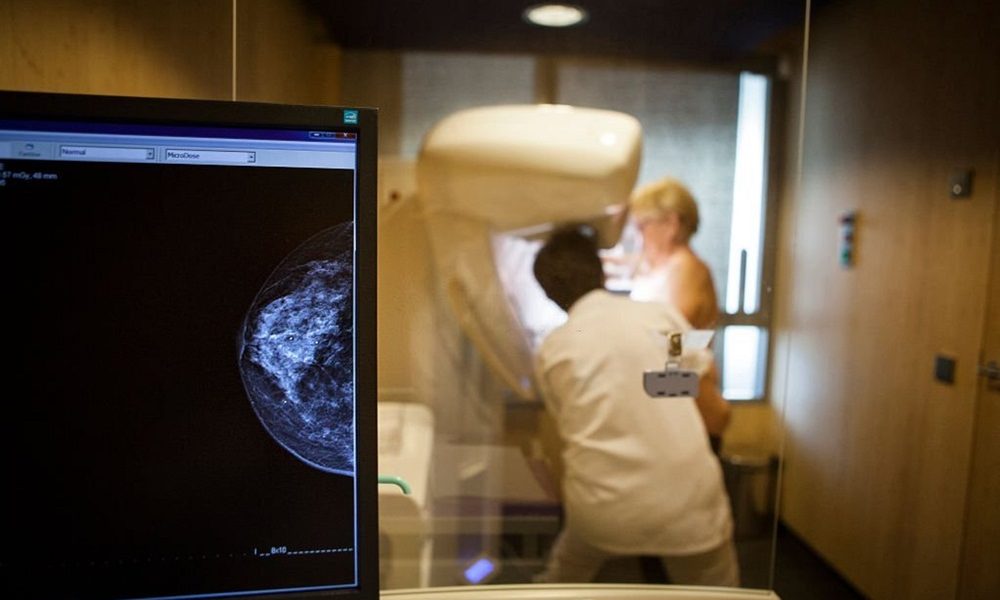
Removing a US$45 patient fee led to a significant rise in access to 3D mammography, with the greatest benefits seen among racial minorities and non-English speakers, new research suggests. Use of digital breast tomosynthesis – a type of 3D mammogram that provides clearer images to aid cancer detection and reduce false positives – rose by [...]

By OncoGenomX, Allschwil, Switzerland When it comes to breast cancer treatment, one truth remains painfully clear: despite decades of progress we still cannot answer the question which treatment(s) a tumour will respond to. At OncoGenomX, we think it’s time to change that. We now have tools that allow us to look inside a tumour, understand [...]

Pregnant women who vape are exposed to lower levels of toxic chemicals than those who smoke, new research led by scientists at City St George’s, University of London has found. The study recorded reductions ranging from 44 per cent to 97 per cent in levels of harmful substances among women who exclusively vaped compared with [...]

A healthy gut microbiome before chemotherapy may help protect breast cancer patients from heart damage caused by treatment, new research suggests. Scientists found that specific gut bacteria were linked to biomarkers associated with increased risk of cardiotoxicity – damage to the heart muscle as a result of cancer therapies. The study examined the gut microbiome [...]
Newsletter
Sign up for free weekly updates
The latest femtech news, research and investment, straight to your inbox.




