




Hormonal health
Consumer research reveals growing impact of reproductive health misinformation

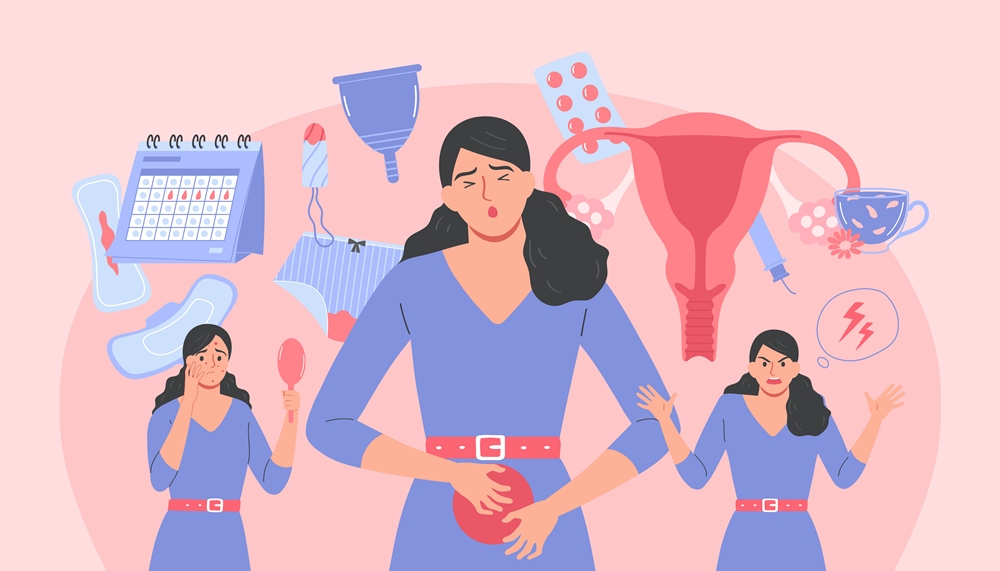
Misinformation about reproductive health is a major concern for almost three quarters of British women, yet 44 per cent admit they do not fact-check medical information they see online, new data has revealed.
The findings in a survey, conducted by women-led period and cycle tracker Clue, paint a clear picture of the impact medical misinformation has on British women.
The survey, which polled 2,000 women, found that many struggle to find accurate and truthful information about reproductive health.
Over half (55 per cent) of Gen Z and millennial respondents reported relying on unverified sources like social media to understand their reproductive health, while 45 per cent admitted they had followed at least one unqualified “healthfluencer” for advice on periods, hormones, or fertility.
Chat GPT (52 per cent), Instagram (49 per cent) and TikTok (47 per cent) were the most commonly used platforms by this generation to find out more about reproductive health.
The findings cement a clear need for better education, access, and tools that centre around science and data.
Louise Troen, Chief Marketing Officer at Clue, said: “This consumer data highlights both the complexity and the opportunity in advancing reproductive health education.
“Our commitment to connecting the dots between personal feelings, intelligent symptom tracking and science-based insights, has never been more important and we are proud to offer a product which – through rich data and world class academic research – empowers millions of women to better understand their bodies and make confident, informed choices.”
As the data shows a growing need for science-based reproductive education, Clue today announces the appointment of Dr Charis Chambers MD, a board-certified OB-GYN and widely respected health educator, as its new Chief Medical Officer.
Known for her evidence-based and approachable voice on social media as “The Period Doctor,” Dr Chambers brings deep clinical expertise and a passion for health equity to Clue’s mission.
Dr Chambers said: “Too many women and people with cycles are left in the dark about what’s happening in their own bodies.
“They’re misinformed, dismissed, or confused, especially when it comes to conditions like PCOS or major transitions like menopause.
“I believe everyone deserves access to clear, credible, personalised care, which is why I’m proud to partner with Clue – a brand built on a foundation of science, credibility, and trust.”
When it comes to menstrual cycles, 27 per cent don’t know when they are most fertile and a quarter (25 per cent) are unable to correctly name all four stages of the menstrual cycle – menstruation, ovulation, follicular phase and luteal phase.
1 in 6 women are unable to identify whether their cycles are irregular or not.
1 in 5 women believe you can’t get pregnant during your period – a common fertility myth.
20 per cent say they mistrust the information they are exposed to about hormonal contraception and a further 19 per cent claim this has made them less likely to use it.
More than half (51 per cent) of women say they wish they had learned more about fertility earlier.
These knowledge gaps have real-world consequences.
Over a third (34 per cent) of women report feeling confused or anxious (19 per cent) after encountering conflicting health information online.
The impact isn’t just mental either.
For women living with polycystic ovary syndrome (PCOS) – a condition that affects 1 in 10 and is a leading cause of infertility – misunderstandings about the menstrual cycle can mean years of delayed diagnosis and treatment.
Clue’s survey highlights how common this problem is, as more than 1 in 4 women (26 per cent) reported having a reproductive health concern dismissed as “normal” by a provider, only to later discover it was anything but.
This new picture of the lack of knowledge, information and accurate insight reinforces the critical role of science-based, research-led companies in the space to provide scientifically credible, and medically sound guidance, to women today.
Digital tools such as Clue play a vital role in helping to close the knowledge gap and empowering women to better understand their health.
Clue’s own data strongly demonstrates the value of accessible, science-based information as 90 per cent of users say using the app has helped them gain a better understanding of their body and cycle patterns.
With the appointment of Dr Chambers alongside Clue’s existing team of in-house scientists, the brand is continuing to empower women and people with cycles to take control of their reproductive health at every stage of life.
To mark the partnership, Dr. Chambers will be tackling some of the most common period and cycle myths in a no-nonsense video across her Instagram channel.
To learn more about Clue and access evidence-based women’s health education, visit helloclue.com.













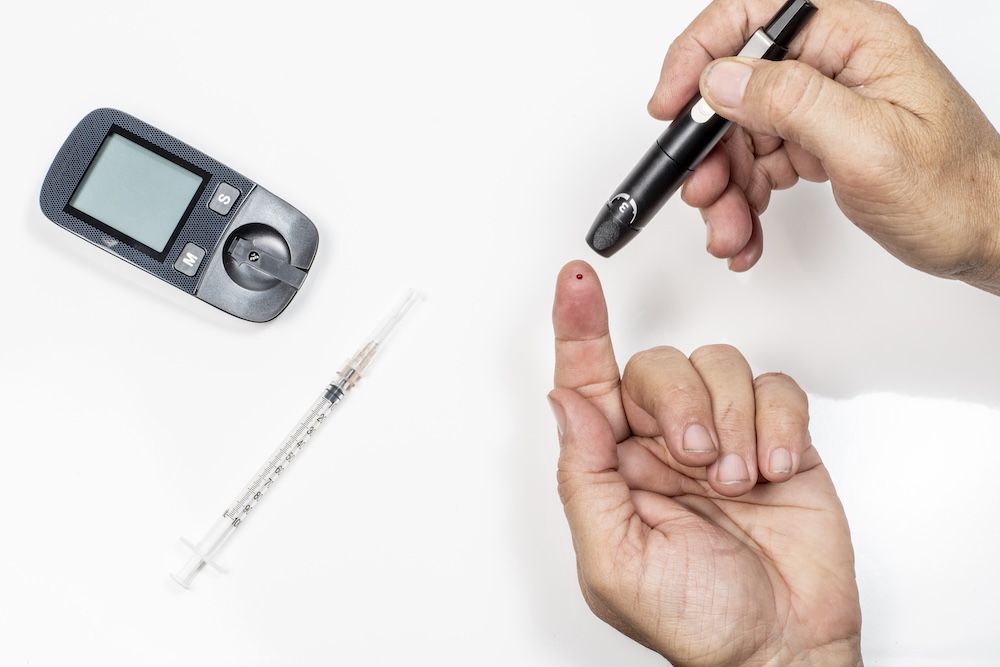
Type 2 diabetes is rising among women in their 20s in England, with experts warning of a worrying increase since the Covid pandemic.
The rise has largely occurred since the pandemic and is closely linked to increasing obesity levels, according to an analysis of NHS data from 2011 to 2024.
The condition is serious and can lead to severe complications, including heart attacks and strokes.

Diabetes UK said it tends to be more aggressive when it develops at a younger age, raising the risk of serious complications and shorter lives.
The charity said early diagnosis is vital for people at risk to help prevent long-term organ damage.
The condition can sometimes be put into remission through healthy eating and maintaining a healthy weight, without relying on glucose-lowering medicines.
Researchers said newer obesity treatments, including GLP-1 injections and pills, may also help alongside healthy eating advice.
About 90 per cent of the six million people living with diabetes in the UK have type 2 rather than type 1, or insulin-dependent, diabetes.
The risk increases with age, and older adults still account for the largest proportion of new diagnoses.
However, NHS England estimates suggest that 12,000 people under 30 are now living with the condition, with women making up more of the younger cases.
Common symptoms include feeling very tired, urinating more often than usual and feeling thirsty all the time.
Researchers at Imperial College London analysed NHS data from the English National Diabetes Audit to examine trends over time.
The figures showed that cases are falling slightly among older adults, who still account for the largest share of new diagnoses.
However, diagnoses are increasing rapidly among people under 40, with some of the sharpest rises among women aged 20 to 29.
Body mass index at diagnosis has also been rising more quickly among younger adults than in older age groups, pointing to obesity as a likely factor.
Body mass index, or BMI, is a measure of obesity based on a person’s height and weight.
Separate NHS data for England shows obesity rates have worsened since the pandemic, with nearly one in three people now affected.
The largest increases over time have been among younger adults.
Between 2019 and 2025, new obesity cases rose by 16 per cent among people aged 20 to 29 and by almost 20 per cent among those aged 30 to 39.
Rates fell among adults aged 60 to 79 over the same period.
Lead researcher Dr Shivani Misra said: “We think that the earlier onset of severe obesity in young people is increasing their type 2 diabetes risk in early life and pulling down their age at diagnosis.
“This is really worrying given the poor health outcomes from early-onset type 2 diabetes.”
Misra said much of the discussion about rising rates among younger people had focused on ethnic minority groups, which have traditionally been considered at higher risk.
However, the new data suggests the trend extends well beyond those communities.
She added: “We now see that incidence is also increasing in white populations too, showing that this public health challenge is broadening across the generations.”
Diabetes UK said better follow-up care is also needed for mums-to-be diagnosed with gestational diabetes during pregnancy because it raises the risk of developing type 2 diabetes after childbirth.
Some studies have suggested that the risk of developing the condition may also increase after being ill with Covid, although the evidence remains inconclusive.

Women with PMOS may have a fourfold higher risk of heart disease, new research suggests.
PMOS, or polyendocrine metabolic ovarian syndrome, is a complex hormone condition affecting about one in eight women in the UK.
It can affect hair growth, periods, fertility and mood.

US researchers analysed health insurance data collected between 2000 and 2022 from 413,450 women with PMOS aged 18 to 50.
They compared the group with more than two million women who did not have the condition.
The study found that women with PMOS had a fourfold higher risk of heart disease than those without it.
The increased risk remained after researchers accounted for other factors linked to heart disease, including high blood pressure and diabetes.
International PMOS guidelines recommend screening all patients for heart disease risk at diagnosis and providing advice on lifestyle changes.
However, researchers said patient surveys “report delayed diagnosis and substantial dissatisfaction with counselling regarding long-term comorbidities”.
Comorbidities are additional health conditions that occur alongside a main condition.
Researchers added: “Our results emphasise the need for physician education and patient awareness of cardiovascular disease risk to improve implementation of early preventive interventions.”
The team called for further studies following women through menopause, when periods stop.
They also called for research into whether treatments such as GLP-1 drugs or hormonal contraception affect the link between PMOS and heart disease.
GLP-1 drugs are medicines used for conditions including type 2 diabetes and weight management.
The main symptoms of PMOS include irregular periods or long gaps between periods, excessive hair growth or hair loss, weight gain or difficulty losing weight, and difficulty becoming pregnant.
Other symptoms include depression or anxiety, oily skin and acne, tiredness, and thick, dark patches of skin on the neck or armpits, known as acanthosis nigricans.
Until recently, PMOS was known as polycystic ovarian syndrome, or PCOS.
Experts called for the name change after highlighting that misunderstandings about cysts and too much focus on the ovaries were delaying diagnoses.
Earlier this month, the National Institute for Health and Care Excellence said women with PMOS should be seen by health professionals annually to monitor symptoms and manage long-term risks.
NICE said the condition affects between three and four million women in the UK but is “frequently underdiagnosed and inconsistently managed”.

Stardust shared sensitive period tracking data with third-party analytics firms, according to new privacy research from Mozilla.
The findings expose a privacy divide in femtech, where users often trust apps with highly sensitive reproductive health information.
The research was carried out by Mozilla’s Privacy Not Included team, which tested several period tracking apps.
It found that Stardust, a period tracker used by millions, shared users’ reproductive health data with analytics companies, a practice the research said contrasted with its privacy-first marketing.
Analytics companies collect and examine information about how people use digital products, often to help businesses understand user behaviour or improve marketing.
The findings raise questions about whether privacy promises made by health apps match what happens to users’ data.
According to research reported by TechCrunch, one other period tracking app tested by Mozilla received what researchers called a “squeaky clean” rating, suggesting similar services can operate without sharing sensitive health data in the same way.
Period tracking apps have come under greater scrutiny in the US since the 2022 overturning of Roe v Wade, which removed federal constitutional protection for abortion.
Some users and privacy advocates have warned that menstrual and reproductive health data could potentially be sought in legal cases.
The research also points to a broader regulatory problem for consumer health apps.
In the US, many health apps are not covered by HIPAA, the health privacy law that applies to medical providers and some healthcare organisations.
That means some consumer apps may be able to collect, share or monetise sensitive health data under rules that differ from traditional healthcare privacy protections.
The femtech market, estimated in the report at US$50bn, has grown quickly, but privacy regulation has not always kept pace with app development.
Stardust had not publicly responded to Mozilla’s findings at the time of the original report, and its privacy policy remained live on its website.
The issue is particularly sensitive for period tracking because the data can reveal patterns around fertility, pregnancy, contraception and reproductive health.
Mozilla’s wider Privacy Not Included initiative has examined consumer technology products for privacy and security concerns since launching in 2017, including connected devices, children’s toys and health apps.
The findings come as US lawmakers continue to debate stronger federal privacy rules for sensitive health information collected by consumer apps.
The American Data Privacy and Protection Act, which has been stalled in Congress since 2023, includes provisions addressing sensitive health information collected by consumer apps.
Experts have also warned that anonymised health data can sometimes be re-identified when combined with other information, such as location data.
Re-identification means linking supposedly anonymous data back to a specific person.
A 2019 study found that menstrual cycle data combined with location information could identify individual users with high accuracy.
State-level privacy laws in places such as California, Virginia and Colorado have also given consumers new rights around personal data, although enforcement can vary.
Privacy advocates say the research underlines the need for clearer data practices, stronger safeguards and greater transparency in femtech.
For users, the findings are a reminder that health apps do not automatically protect health information in the same way as healthcare providers.
The report suggests period tracker companies that put privacy first may be better placed to build trust in a market where long-term use depends on confidence.
Mozilla’s investigation suggests privacy promises in femtech do not always match practice, and that period trackers can function without sharing sensitive user data in the same way.











 News2 weeks ago
New menopause drug approved for use by NHS in Scotland

 Hormonal health1 week ago
Stardust period tracker shares health data, study reveals

 News5 days ago
Zero Candida market set to reach over US$2 billion by 2030 – report

 News2 weeks ago
Women’s health draws record $1.55bn in equity as capital spreads beyond the mega-rounds
 Insight2 weeks ago
Softening ovaries could extend fertility as women age, study suggests

 Entrepreneur2 weeks ago
Onto Health acquires diagnostics software company Levy Health

 News1 week ago
Congress urged to invest over $20bn to close women’s health gap

 Menopause1 week ago
Many women still confused about perimenopause, research finds